







The fiftieth anniversary of Palestinian Land Day falls on March 30, 2026, bringing with it existential questions about what remains of the land in light of a complex geopolitical reality. This day, which began in 1976 as a protest against the confiscation of Galilee lands and saw six Palestinians martyred, has transformed over the decades into a symbol of rooted Palestinian identity and existence.
Today, half a century later, the Palestinian cause faces a major paradox; while Palestine's moral and legal presence in international forums is increasing, the field faces unprecedented geographical and political fragmentation. The struggle over land has become more brutal and exposed, as land is no longer merely a negotiating file but a battleground for daily survival against attempts at erasure.
On the legal front, Palestinians have achieved historical gains, most notably the International Court of Justice's opinion in July 2024, which deemed the Israeli presence illegal. The court affirmed that the occupied territories constitute a single territorial unit, emphasizing that the right to self-determination for the Palestinian people is unconditional and not subject to bargaining.
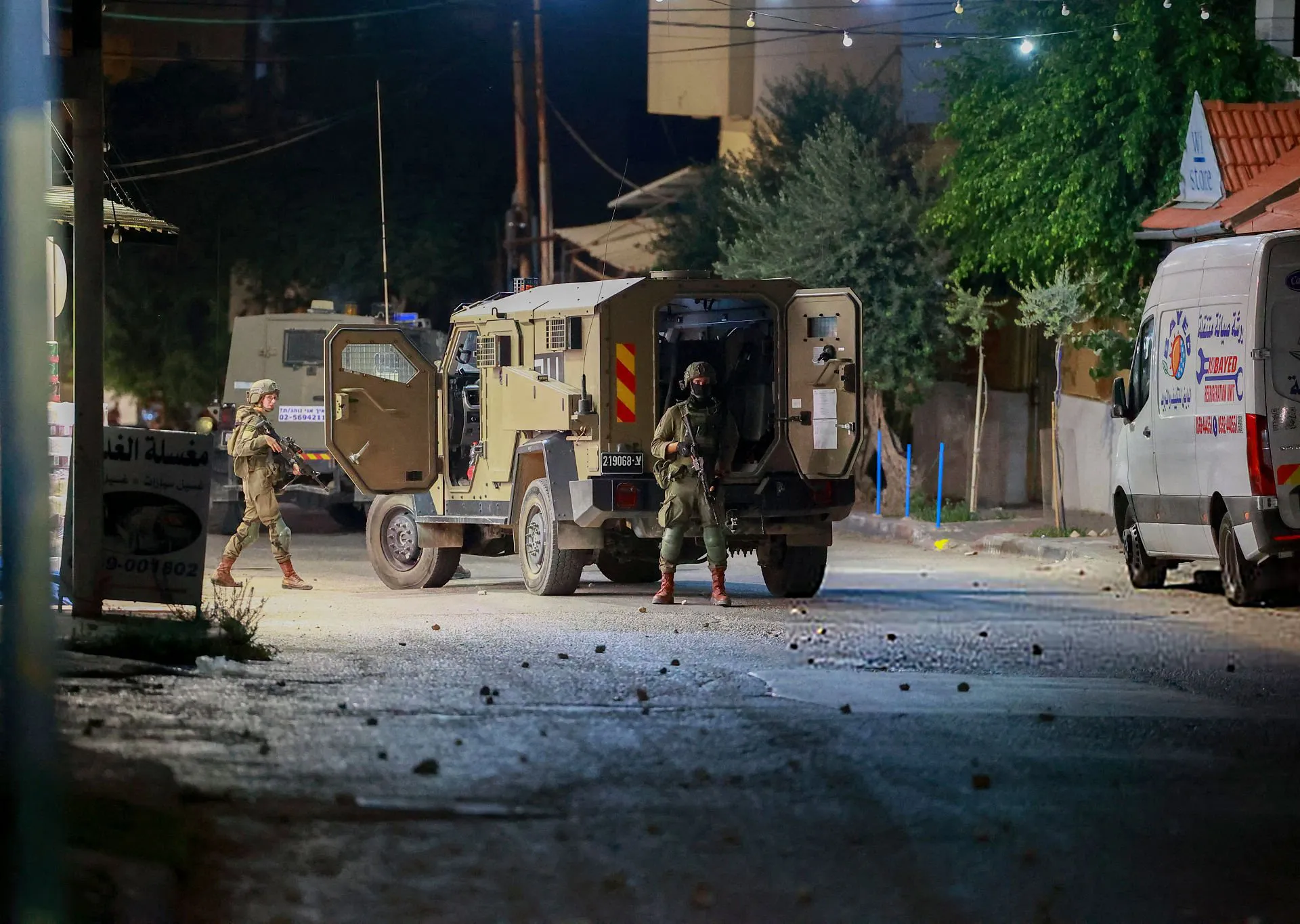
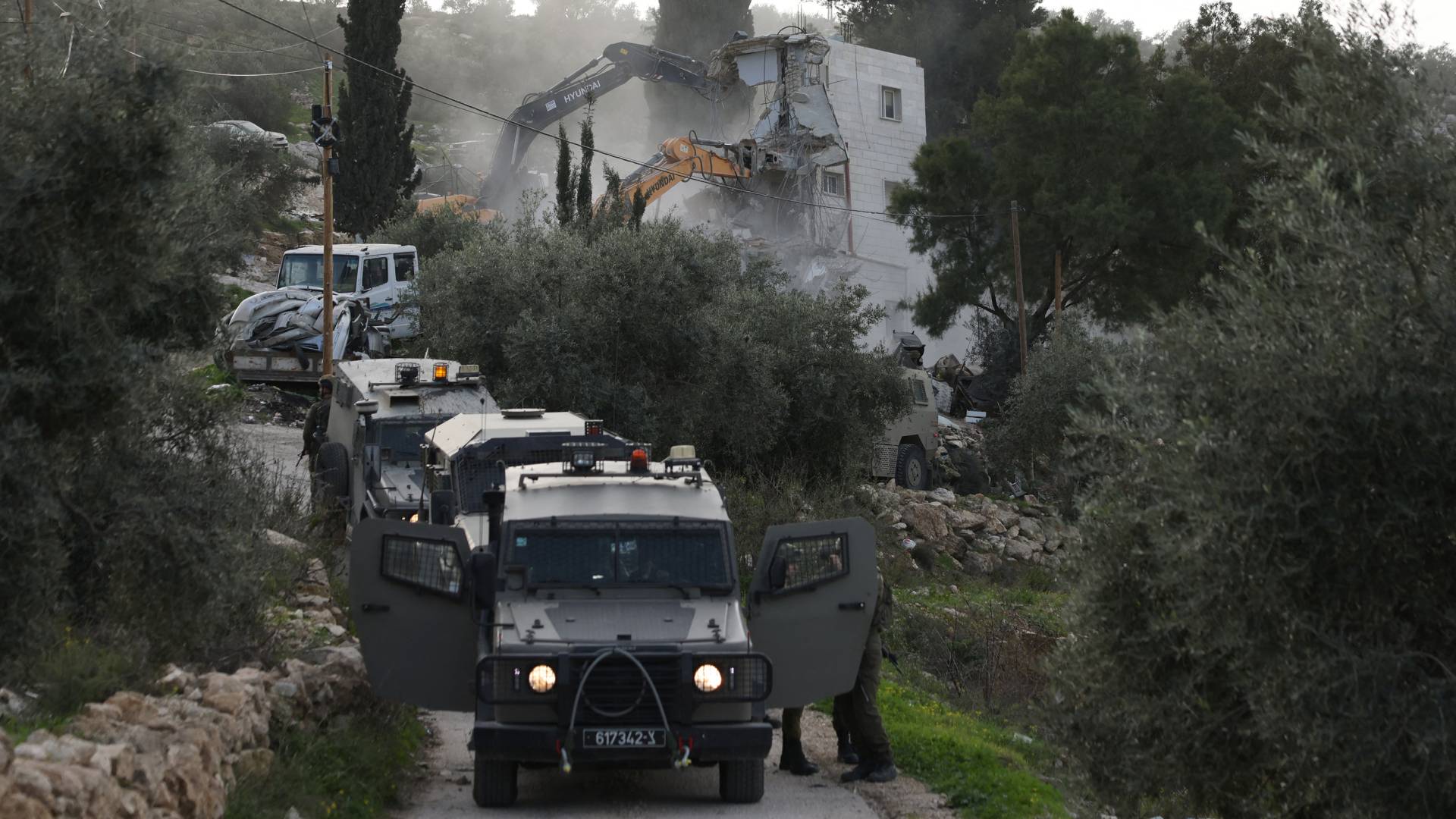
Despite these diplomatic victories, the reality on the ground in the West Bank is witnessing a dangerous deterioration due to settlement expansion and settler violence. International reports reveal that the West Bank is no longer merely under traditional occupation but is suffering from the pressures of forced displacement and systematic evictions targeting the Palestinian presence.
The latest UN data indicates that the first three months of 2026 saw the displacement of 1,697 Palestinians due to settler attacks and movement restrictions. This shocking figure exceeds the total number of displacements recorded throughout 2025, reflecting a dangerous acceleration in policies of demographic emptying of the land.
In a related context, 38 Palestinian communities have been completely emptied since 2023, indicating a clear strategy to reduce the geographical space for Palestinians. In East Jerusalem, forced evictions continue in favor of settlement associations, making the question of actual survival on the land the most prominent challenge today.
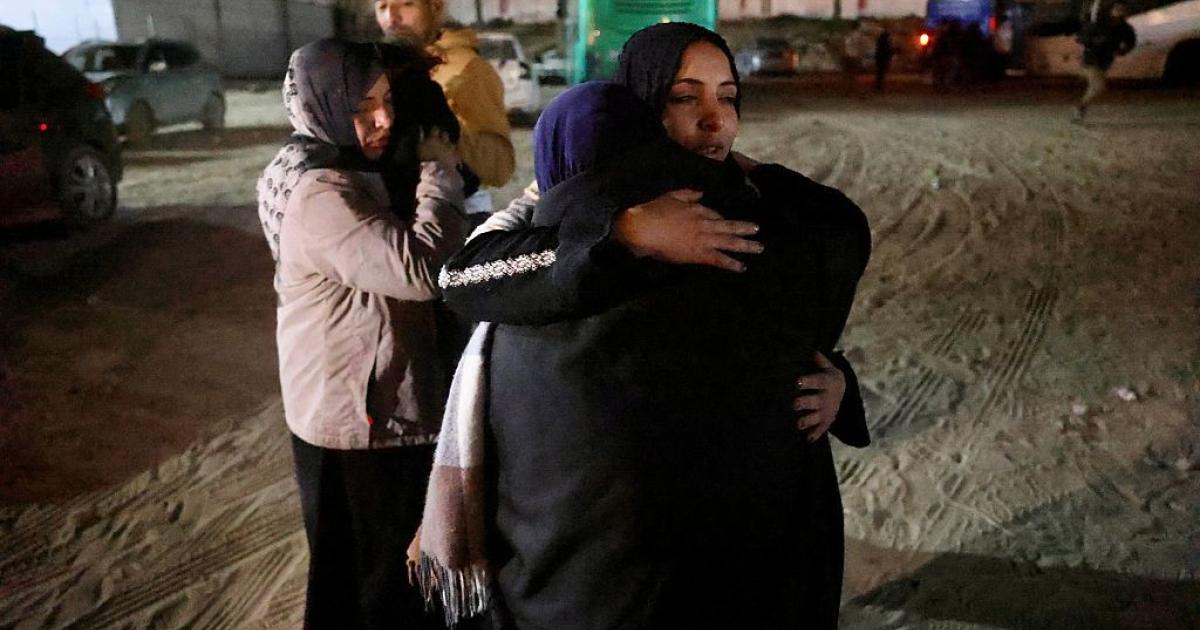
As for the Gaza Strip, recent events have returned the issue to its bare humanitarian origin as a matter of existential survival. According to UN estimates for 2026, approximately 1.7 million displaced persons live in tragic conditions within 1,600 displacement sites lacking the minimum requirements for a dignified life.
Residents of the Strip suffer from severe water and shelter shortages, with the spread of skin diseases and a crazy rise in the prices of basic goods and fuel. Restrictions on the movement of medical teams and aid have also exacerbated the health crisis, while half of school-aged children remain without education.
Politically, the Palestinian system faces a decline in effectiveness despite maintaining the historical national narrative. The division between Gaza and the West Bank, and the multiplicity of authorities between the Authority and resistance factions, have weakened Palestinian representative institutions before the international community despite the strength of the cause in the hearts of the people.
Diplomatically, Palestine has regained broad legitimacy, with the number of states recognizing it reaching 159 by the end of 2025. Despite the UN General Assembly's support for Palestine's full membership, the American veto in the Security Council remains the main obstacle to translating this recognition into full sovereignty.
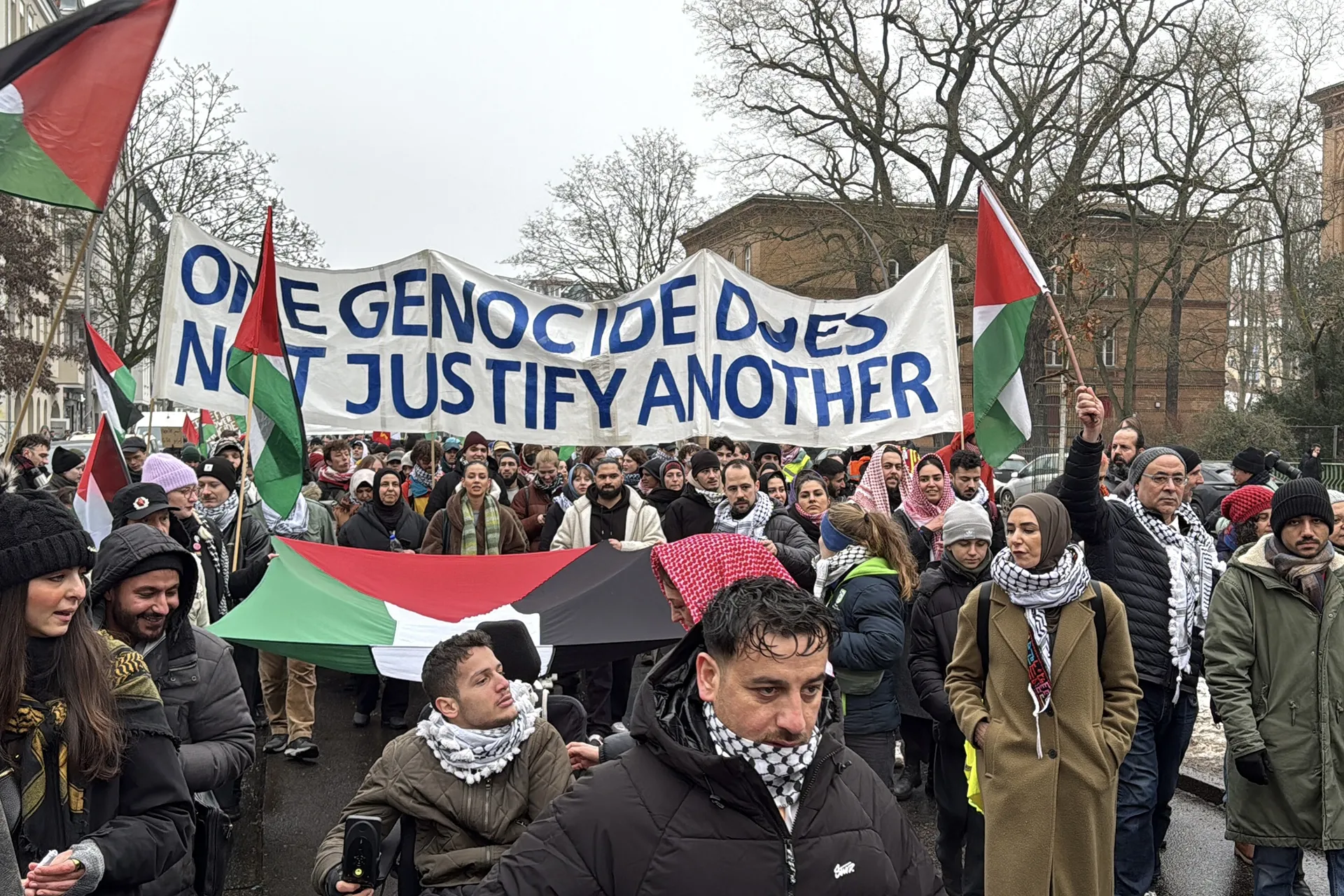
Palestine has today transformed from an elite issue into a global public opinion issue, topping universities, unions, and international human rights organizations. This global momentum prevents the obliteration of historical truth, but it faces the challenge of transforming symbolic solidarity into actual pressure that changes the imbalanced power dynamics on the ground.
Amid regional escalation between major powers, the Palestinian issue has become part of broader deterrence equations that transcend direct geographical boundaries. This shift carries the risks of reducing Palestinian national rights to a "pressure card" within escalating regional and international power struggles in the region.
The conclusion on the fiftieth anniversary of Land Day confirms that what remains of Palestine is its people, memory, and established legal right. Despite the erosion of geographical unity and the effectiveness of international politics, Palestinian steadfastness remains the rock against which projects for the gradual liquidation of the cause are shattered.
The real challenge at this historical stage is to prevent the transformation of the Palestinian right into a legal text absent from the facts on the ground. Adherence to the land in the face of demographic and geographical reshaping is the essence of the Palestinian struggle in the sixth decade following the eternal Land Day uprising.
What remains of the land is what remains of the Palestinians on it, in it, and for it; the cause has not been defeated as long as people remain attached to their memory.
شارك برأيك
Fifty Years Since Land Day: Demographic Resilience and Erosion of Geography and Politics