







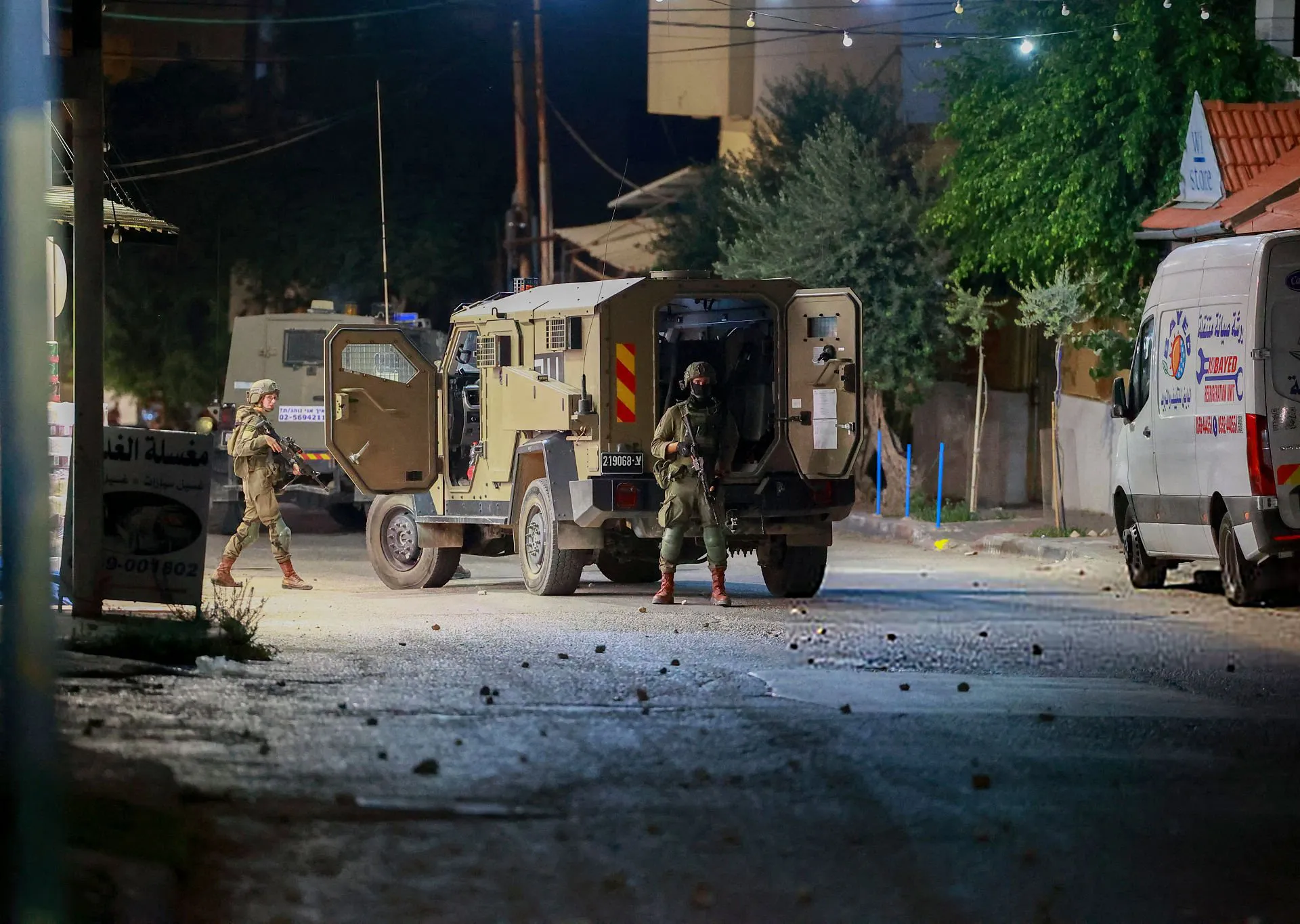
Hebrew media sources reported that the Israeli occupation army is facing unprecedented challenges in controlling the escalating settler attacks in the occupied West Bank. The sources confirmed that the military establishment was forced to make a sudden decision to divert an infantry battalion that was on its way to participate in combat operations in southern Lebanon, and instead direct it to contact areas in the West Bank.
This escalation comes at a time when settlers are exploiting the international community's preoccupation with the ongoing war against Iran, which has entered its fourth week. Israeli military leaders have acknowledged the difficulty of reining in extremist groups that have intensified their attacks against Palestinian villages and towns, benefiting from the political cover provided by the far-right government in Tel Aviv.
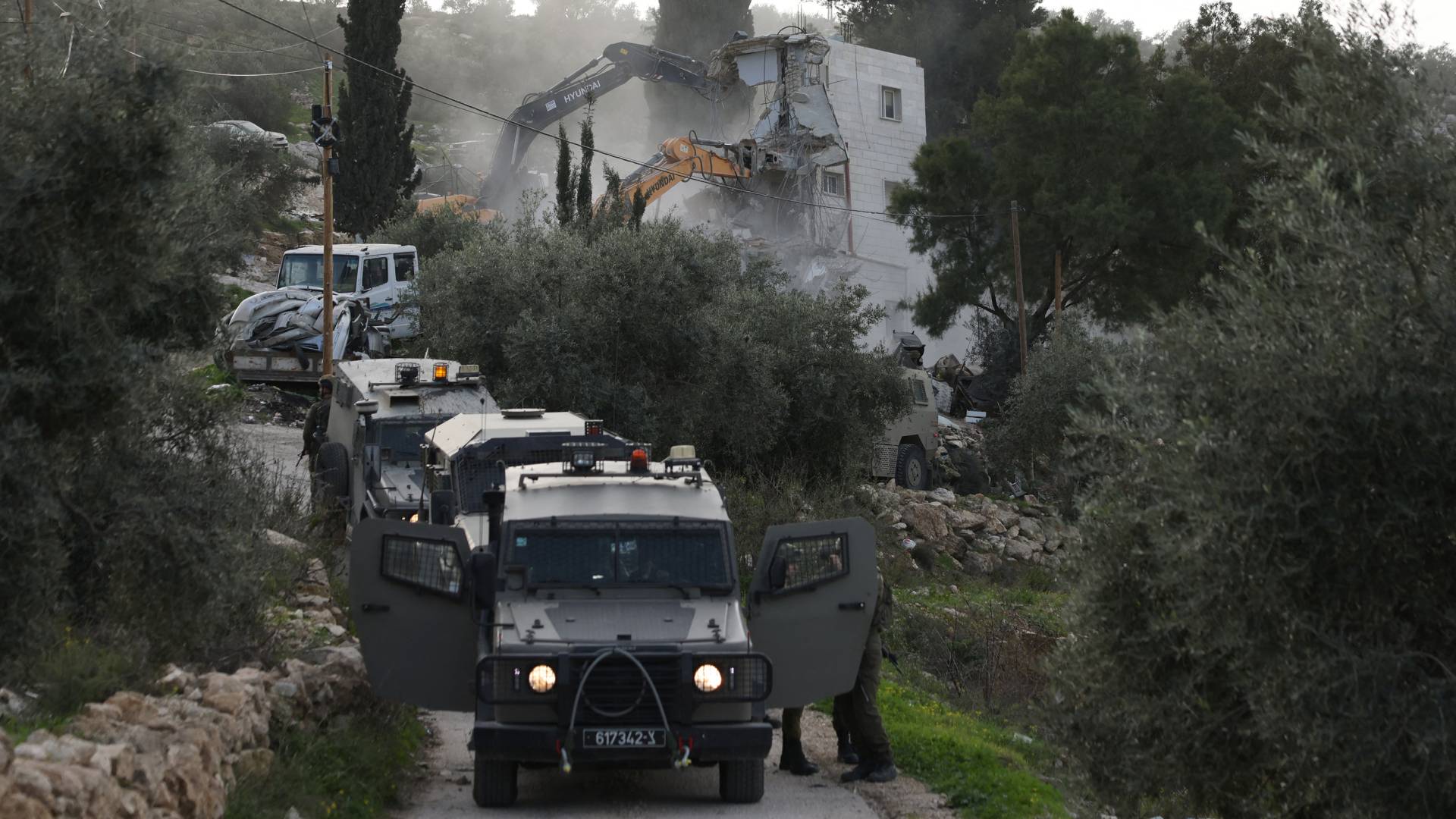
Field data revealed that six Palestinians have been killed and dozens injured since the beginning of this month due to attacks carried out by settlers belonging to the hard-line right. Statistics indicate that the rate of crimes committed by settlers has jumped to about 70 crimes per month since the beginning of 2025, reflecting a state of widespread security chaos.
Security agencies recorded a new peak in settler violence in recent days, with 20 attacks observed in a single night. Field commanders in the occupation army describe this number as a record and unprecedented for many years, warning of a complete explosion of the situation if this approach continues.
In a related context, the political disagreement within the occupation government stands out as a fundamental obstacle to stopping these violations, as Security Minister Yisrael Katz refuses to renew administrative detention orders against settler leaders. This stance has left army commanders in the field feeling that their hands are tied, unable to take deterrent measures beyond temporary deportation orders.
Prime Minister Benjamin Netanyahu's recent visit to the West Bank division, accompanied by the Ministers of Security and National Security, witnessed a highly charged atmosphere with military commanders. Regional brigade commanders demanded that they be granted broader powers, including administrative detentions, to control extremist elements that are now threatening security stability in the region.
Reports indicate that the number of settlement outposts and illegal farms has doubled alarmingly, rising from 30 outposts at the beginning of the war on Gaza to more than 140 outposts currently. These outposts, whose status is being legalized with the support of Minister Bezalel Smotrich, serve as launching pads for systematic attacks against Palestinian farmers and their property.
On the international front, the Israeli government received a rebuke from the US administration for what Washington described as procrastination in dealing with settler violence. The United States fears that this escalation could open a new front in the West Bank, further complicating the already tense regional scene due to the military confrontation with Iran.
These developments coincide with global economic and political repercussions of the war on Iran, as US President Donald Trump's popularity has fallen to low levels of 36%. This decline is mainly due to the sharp rise in fuel prices, amidst widespread American public opposition to the continuation of military operations that began last February.
As the war continues, the global economy faces serious threats due to disruptions in the Strait of Hormuz, through which about 20% of global oil trade passes. Fears are growing that oil prices could reach record levels exceeding $200 per barrel, exacerbating global inflation rates and threatening the food security of hundreds of millions.
Military sources confirm that settlers are exploiting these complex international circumstances to impose a new reality on the ground in the West Bank by confiscating more Palestinian land. The occupation army, despite its complaints about their violence, provides new settlement farms with security and defense equipment, which enhances their ability to survive and expand.
It seems that the Israeli military establishment is now afraid of losing complete control, as circles in the General Staff do not rule out sending additional permanent reinforcements to the West Bank. This trend reflects the extent of concern that settler attacks could turn into a security burden that drains the army's capabilities distributed across multiple fronts in Gaza, Lebanon, and Iran.
The legal measures taken against attacking settlers remain weak and ineffective, as the proposal to use electronic handcuffs faces major legal and political obstacles. In most cases, investigations with settlers end without real charges being filed, or are limited to penalties that observers describe as 'ridiculous' and disproportionate to the scale of the crimes committed.
The current scene in the West Bank portends a new phase of confrontation, where the political agendas of the far-right intertwine with military field impotence. As the regional war continues, Palestinians find themselves in direct confrontation with organized settler terrorism that enjoys official protection, amidst international silence and preoccupation with energy issues and major conflicts.
The Israeli army admitted for the first time the difficulty of dealing with the level of settler crimes in the West Bank, which forced it to divert forces from the northern front.
شارك برأيك
Occupation army withdraws forces from Lebanon front to confront escalating settler terrorism in the West Bank