






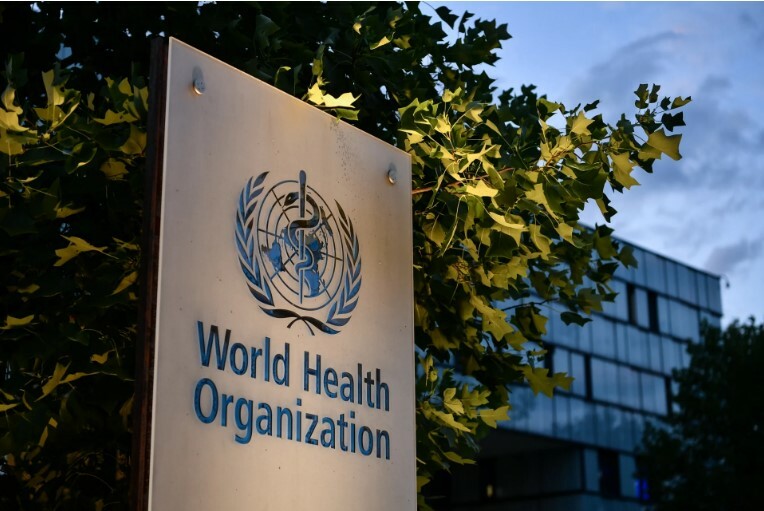
The World Health Organization (WHO) General Assembly adopted two resolutions in favor of the State of Palestine: the first regarding Palestine's accession to the International Health Regulations, and the second regarding the deteriorating health conditions in the occupied Palestinian territory, including East Jerusalem. The resolutions were attended by Minister of Health Majed Abu Ramadan and the Permanent Representative of the State of Palestine to the United Nations in Geneva, Ambassador Ibrahim Khraishi.
The resolution on the State of Palestine's accession to the International Health Regulations, submitted by the State of Palestine, was voted in favor by 112 countries, while two countries (Hungary and Israel) opposed it, and 19 abstained.
The resolution endorsed the State of Palestine's full accession to the International Health Regulations, a system of laws and procedures that govern the relationship between national health ministries and the World Health Organization, particularly in the areas of emergencies and response to epidemics and pandemics. This step represents a qualitative shift in enabling Palestine to benefit from international support in health emergencies and from international cooperation and coordination mechanisms to provide appropriate healthcare to the Palestinian population.
The regulations were approved in 2005 and entered into force in 2007. The State of Palestine had had an official point of contact with the organization since 2010, but now, with this decision, it is treated like any other member state, which gives it full authority to benefit from all the technical and technological support provided by the regulations.
Resolution on the health situation in the occupied Palestinian territory
The General Assembly also adopted a second resolution entitled "Health conditions in the occupied Palestinian territory, including East Jerusalem." 114 countries voted in favor of the resolution, two countries opposed it (Hungary and Israel), and 15 abstained. The resolution was attended by Health Minister Majed Abu Ramadan and Director-General of the World Health Organization, Tedros Adhanom Ghebreyesus.
The resolution highlights the serious deterioration in health conditions, particularly in the Gaza Strip, and calls for the lifting of the Israeli occupation's blockade and the unhindered delivery of humanitarian and medical aid. The resolution emphasizes the need to respect international humanitarian law, protect health facilities and personnel, and halt repeated attacks on them.
The report submitted to the association revealed that 94% of Gaza's health facilities have been destroyed, with no hospital fully operational, and 19 of 36 hospitals operating only partially. It also indicated that 43 types of essential medicines are in short supply, while the occupation has continued to prevent the entry of medical aid for more than 80 days, with only two trucks allowed in.
Ambassador Khraishi emphasized that the use of starvation as a weapon constitutes a flagrant violation of international conventions, noting that thousands of patients, including cancer patients, have been denied treatment amid the collapse of the health system and the threat of infectious diseases due to mass displacement.
He stressed that access to food and water is a fundamental human right, calling on the international community to shoulder its responsibilities to guarantee the right to health, end the blockade, and enable the Palestinian people to live in dignity and peace.
In turn, WHO Director-General Tedros Adhanom Ghebreyesus said, "I feel what the people of Gaza feel. I hear their voices. People are starving, without medicine or shelter. Food and medicine must not be used as weapons. This tragedy must be stopped and peace must be achieved."
He added that more than 80% of the Gaza Strip's population is under forced displacement orders, and major hospitals such as Kamal Adwan, Indonesian, Hamad, and European are no longer able to provide services. There is an urgent need to evacuate 7,000 patients.
The adoption of these two resolutions reflects broad international support for the Palestinian right to health and strengthens Palestine's presence in the global health system, amid deteriorating humanitarian and health conditions that require urgent action.

شارك برأيك
WHO adopts two resolutions in favor of Palestine.