






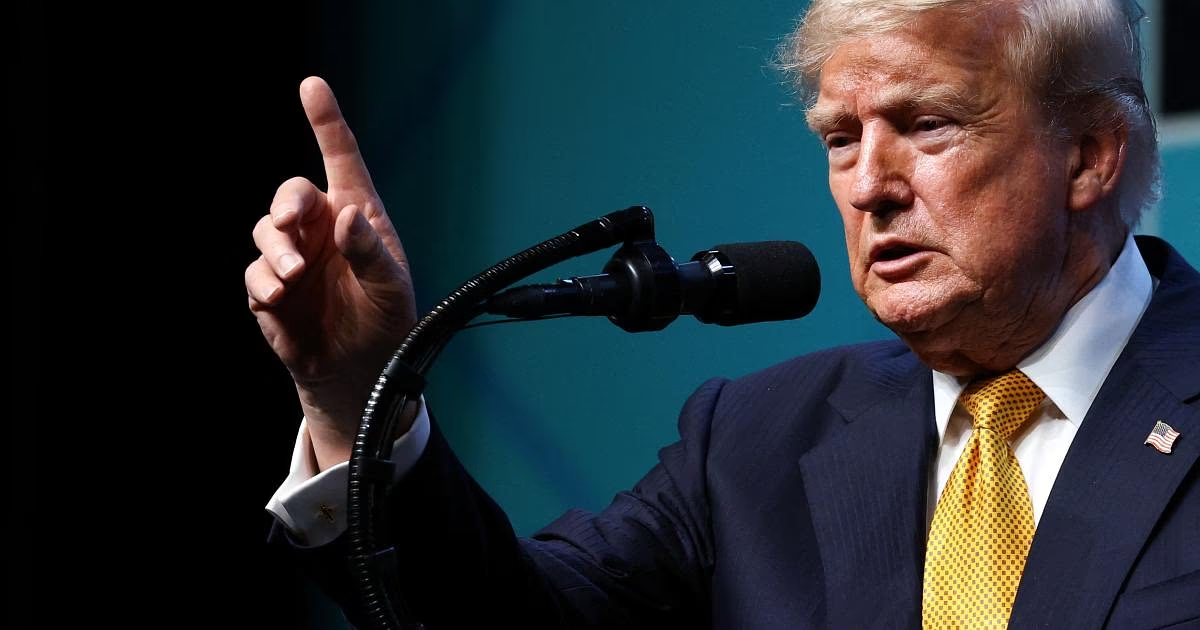
US President Donald Trump announced today, Monday, the immediate and comprehensive return of the naval blockade on Iran, in an escalatory step aimed at tightening the economic and military noose on Tehran. Trump indicated that the United States would begin imposing financial fees of up to 20 percent on all goods shipped through the strategic Strait of Hormuz.
The US President justified this decision by stating that his country had protected the international shipping lane for more than five decades without receiving financial compensation, while Iran was the biggest beneficiary of the revenues. Trump affirmed that US forces would take effective control of the strait to ensure what he described as 'navigation security' in exchange for these new fees.
Trump revealed the behind-the-scenes of marathon negotiations that took place on Sunday and lasted for about 11 hours with the Iranian side, but they ended in failure. He claimed that Tehran backed out of a draft agreement that was ready for signing, noting that the Iranians had violated nearly ten previous agreements with his administration during past periods.
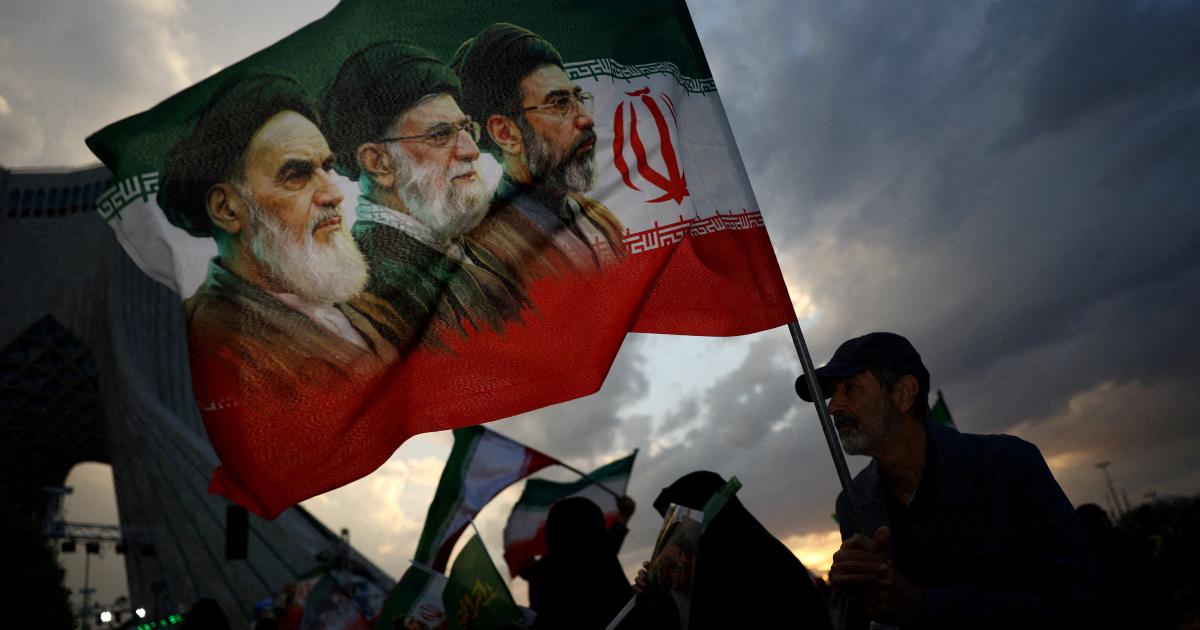
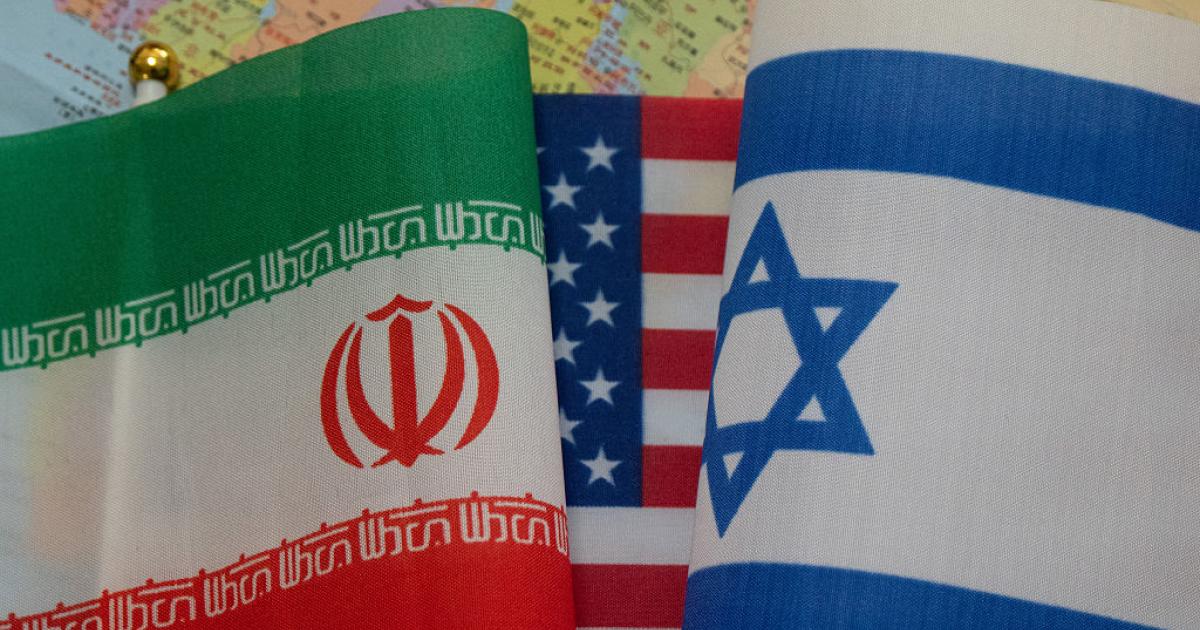
In contrast, the Iranian response was swift and firm through the 'Khatam al-Anbiya' headquarters, the supreme joint military command, which affirmed that it would not allow Washington to interfere in the administration of the Strait of Hormuz. The Iranian statement stressed that any American attempt to regulate transit traffic outside the routes specified by Tehran would be met with fierce military resistance.
The Iranian military command issued a strong warning to the countries of the region, considering that any cooperation with American moves would be classified as a hostile act and direct war against Iran. Tehran clarified that the scope of the conflict would not remain confined if confrontation erupted, but its sparks would reach all countries that facilitate the tasks of the US army.
For its part, the Iranian Revolutionary Guard warned that American intervention in the waterway seriously threatens the stability of global oil supplies. The Revolutionary Guard affirmed in press statements that Tehran's authority over the Strait of Hormuz is a geographical and military reality that cannot be bypassed or subjected to external dictates.
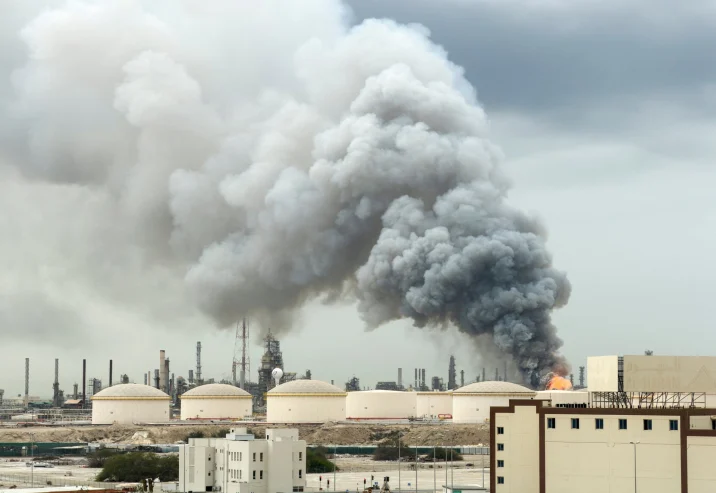
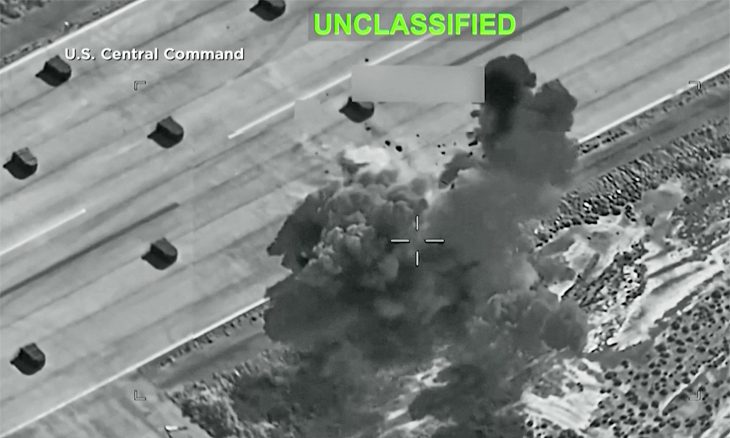
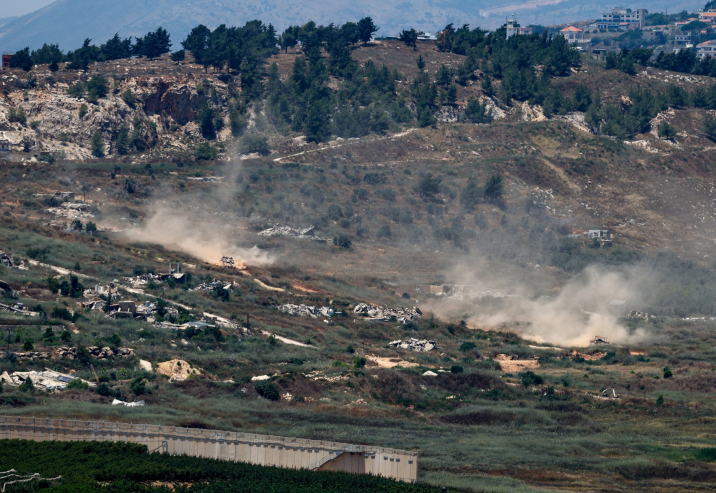
On the ground, Iranian medical and official sources reported casualties as a result of a wave of attacks launched by US forces at dawn on Monday on sites in Khuzestan and Isfahan provinces. According to initial reports, four people were killed and 14 others injured in strikes that targeted vital facilities and residential areas in the cities of Mahshahr, Abadan, and Na'in.
Local sources quoted the Deputy Governor of Khuzestan, Waliullah Hayati, as saying that one of the American shells hit an irrigation water pumping station in the city of Mahshahr, killing a security officer. The city of Abadan also witnessed another shell fall, killing two people and injuring three others in the most violent field escalation in months.
In Isfahan province in the center of the country, local authorities confirmed that one person was killed and seven others injured in an attack that targeted the district of Na'in before dawn today. These strikes come within what Washington described as a new wave of attacks in response to the targeting of commercial ships in international waterways in recent days.
Iran's response to the American shelling was not delayed, as Tehran announced the implementation of missile strikes targeting positions and concentrations of American forces in several Arab countries. The Iranian missile barrages included military bases and facilities in Kuwait, Bahrain, Qatar, and Jordan, in response to the attacks that targeted Iranian territory.
The region has been in a state of maximum military alert since the start of the American-Israeli aggression against Iran in February of this year. International fears are growing of the situation sliding into a comprehensive regional war that could lead to a complete closure of the Strait of Hormuz, which would cause a global economic catastrophe and a crazy rise in energy prices.
Observers believe that Trump's announcement of imposing fees for passage in Hormuz represents a precedent in international maritime law and could lead to a direct clash with major oil-importing powers. Diplomatic efforts by some regional parties to de-escalate continue, but the language of military escalation and mutual threats remains dominant in the current scene.
We will control the Strait of Hormuz and charge fees for guarding it. We have protected the strait for more than 50 years for free while the Iranians got all the money.
Share your opinion
Trump announces naval blockade of Iran and imposing fees in the Strait of Hormuz, Tehran vows fierce resistance