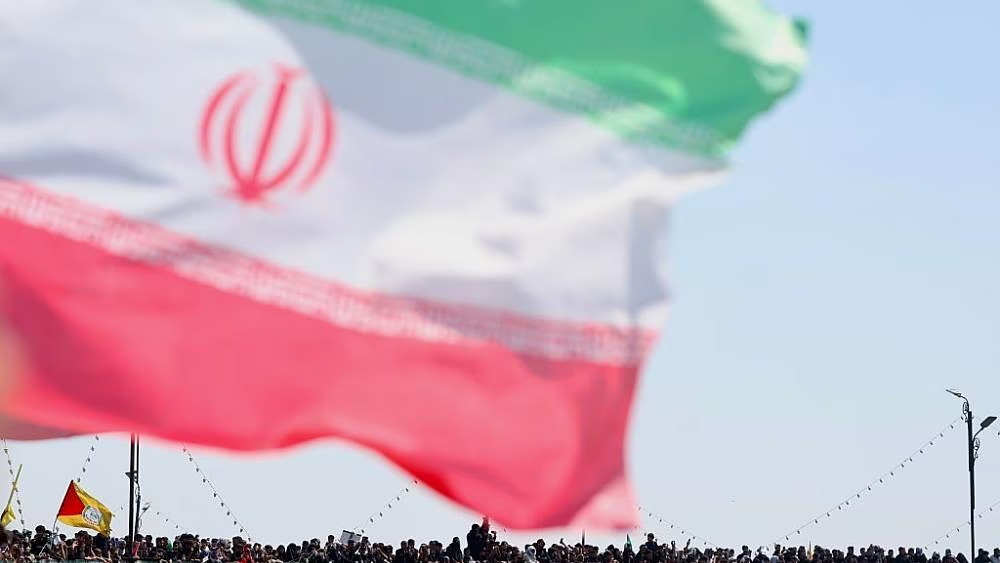







The Secretary of Iran's Supreme National Security Council, Mohammad Bagher Zolghadr, vowed today, Friday, a decisive and direct response to any attack targeting his country's infrastructure. Zolghadr affirmed in an official statement that Israel would not be safe from this retaliation, emphasizing that Iranian forces are prepared to confront any escalation affecting the state's vital facilities.
This Iranian threat comes amidst renewed military exchanges between Washington and Tehran, the first such escalation since the signing of the memorandum of understanding last June. These developments reflect the fragility of previous understandings that followed the ceasefire announcement in April, once again placing the region on the brink of a volcano.
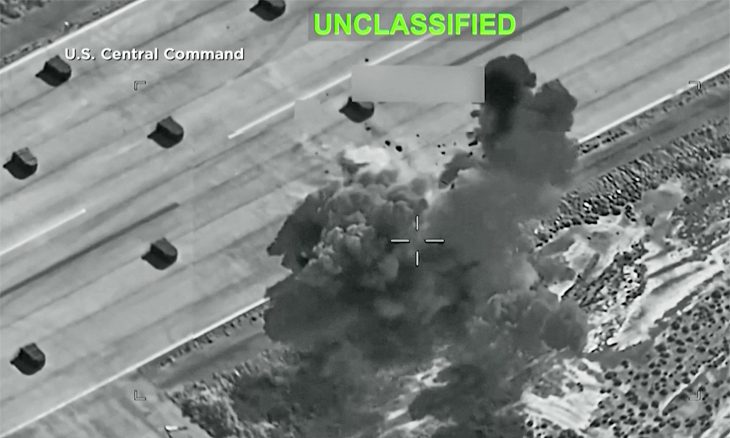
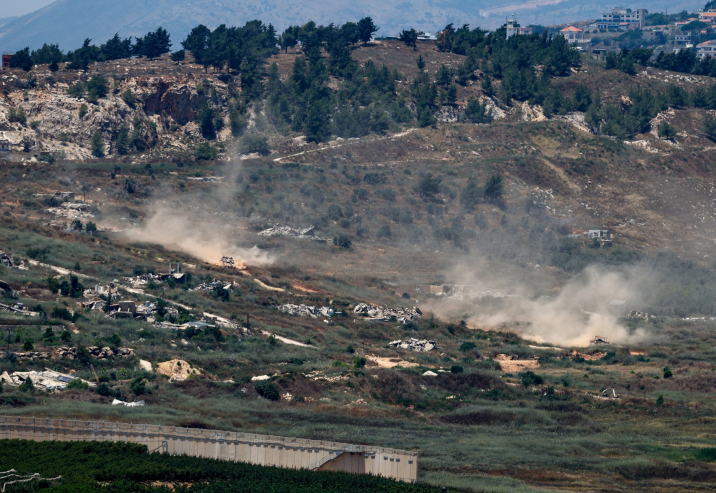
On Wednesday-Thursday night, US forces launched a series of intense airstrikes described as the most severe, targeting approximately 90 military objectives within Iranian territory. According to the US military command, these operations are in response to Iranian movements threatening US interests and its allies in the Gulf region.
For its part, Tehran accused the US administration of deliberately targeting vital civilian infrastructure, including strategic bridges and railway lines connecting the capital Tehran with the city of Mashhad. Iranian sources said that the timing aimed to obstruct the funeral ceremonies of the late Supreme Leader Ali Khamenei, who was assassinated last February.
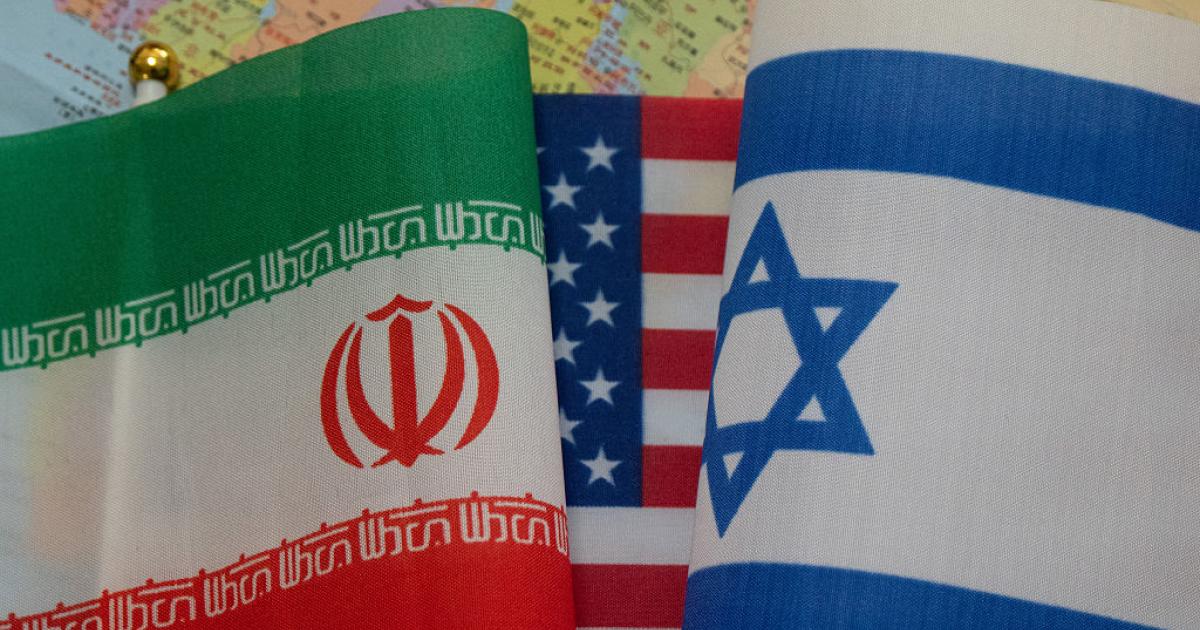
In a related context, the Israeli Broadcasting Corporation revealed intensive diplomatic and military moves by Tel Aviv with Washington to directly participate in military operations. Sources clarified that Israel officially requested permission from US President Donald Trump for its forces to join the airstrikes against Iranian targets.
Israeli Prime Minister Benjamin Netanyahu's office reported that he held lengthy phone conversations with President Trump on Thursday evening. The discussions covered the latest field developments and US military movements in the Gulf region, without disclosing details of the US response regarding Israel's request to participate.
Observers believe that Israel has exerted continuous pressure on Washington to adopt tougher stances towards Iran's nuclear program and regional influence. However, Tel Aviv currently finds itself in the position of an observer while the United States leads the military campaign directly and unilaterally so far.
Israeli press reports indicated that the chances of the Israeli army's involvement in this round of conflict remain slim for strategic and political reasons. Washington fears that overt Israeli intervention could complicate efforts to rally international support and transform the conflict into a comprehensive religious confrontation.
Analyses suggest that Israel may, for the time being, be content with reaping the benefits of US military pressure on Tehran without bearing the cost of direct involvement. However, the scenario of Israeli intervention remains possible if Iran decides to expand the scope of its attacks to directly target Israeli depth.
Informed sources reported that Tehran has already begun to change the equation of retaliation, shifting from threatening to target US bases to explicitly naming Israel. The potential Iranian target bank includes US military bases in neighboring countries such as Kuwait, Bahrain, and Jordan, in addition to Israeli facilities.
Iran's Supreme National Security Council is the body responsible for formulating major military and political decisions in the country. The Council has shown clear firmness in dealing with the recent strikes, considering that continued US escalation will inevitably lead to an expansion of the geographical scope of the confrontation.
The Gulf region is witnessing an unprecedented military alert since the start of direct confrontations last February. These tensions coincide with the stalled negotiations led by regional parties such as Qatar and Pakistan, which aimed to reach a final agreement to end the state of hostility.
Security experts believe that targeting Iranian infrastructure represents a crossing of the red lines set by Tehran years ago. This shift in the nature of targets could push the Iranian Revolutionary Guard to carry out qualitative retaliatory operations that may affect international shipping lanes in the Strait of Hormuz.
In this complex landscape, anticipation remains the dominant factor, awaiting the outcomes of the US-Israeli discussions in the coming days. The region remains open to all possibilities, including the outbreak of a widespread regional war that transcends the limits of current localized clashes.
Any attack on infrastructure will be responded to, and the criminal Zionist regime responsible for these atrocities will not be safe from the retaliation of our fighters.


Share your opinion
Tehran Vows Retaliation for Infrastructure Targeting, Israel Seeks US Green Light to Join Attacks