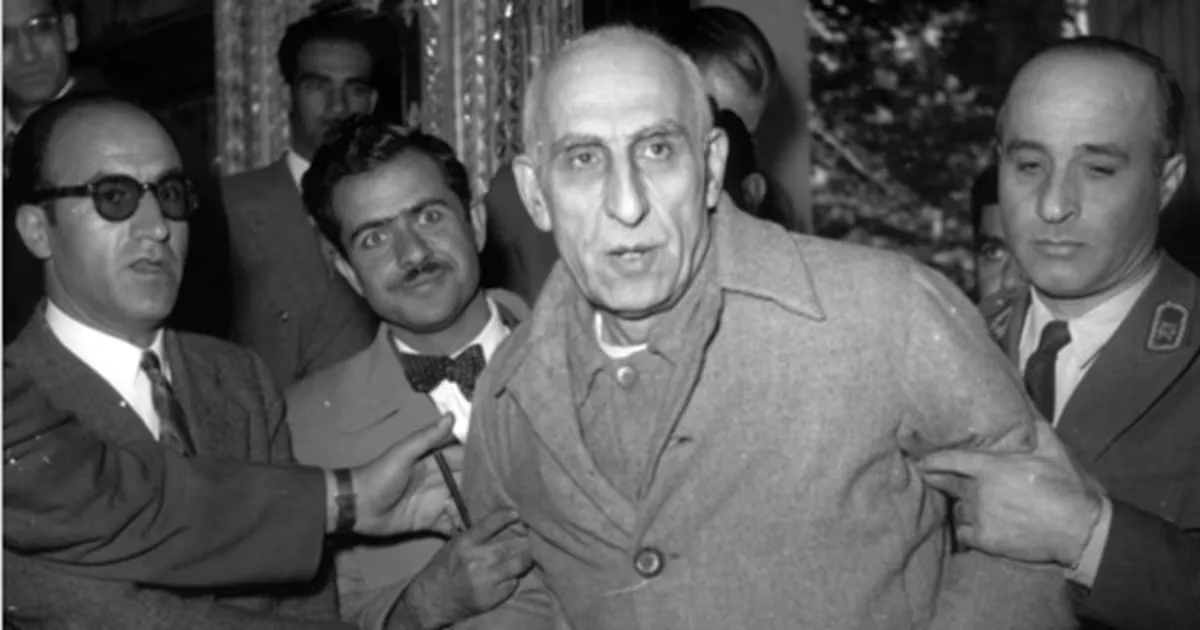







Iranian-American writer Azadeh Moaveni believes that the roots of the current conflict between Tehran and Washington extend back many decades. In an article for 'The New York Times', Moaveni recalled the speech of the late Iranian Prime Minister Mohammad Mossadegh in 1951, asserting that the principles of independence he advocated still shape the collective Iranian consciousness.
The writer explained that Mossadegh's overthrow in 1953 by the United States and Britain, following his decision to nationalize oil, was a historical turning point. This event was not merely a military coup, but transformed into a global symbol of resistance against Western hegemony over the resources of developing nations and their national sovereignty.
Moaveni considered that the recent policies adopted by the American administration against Iran have unexpectedly revived this historical legacy. She pointed out that targeting Tehran came at a time of major geopolitical shifts, as many countries seek to reduce their dependence on American decisions and move towards new international poles.
According to the article, a widespread wave of solidarity with Iran emerged in various parts of the non-Western world, in what the writer described as an 'I am Iran' moment. This solidarity did not necessarily stem from agreement with Tehran's internal policies, but from a shared fear of external interventions and the forceful imposition of international wills.
The writer emphasized that Iran did not merely withstand military challenges, but also proved its effectiveness in influencing the balance of the global economy. The continuous threat to navigation in the Strait of Hormuz gave it additional weight in the international arena, forcing major powers to re-evaluate their stance on Tehran's regional role.
In the context of international reactions, sources reported that China and Russia exploited this confrontation to strengthen their discourse rejecting unipolarity. Leaders Xi Jinping and Vladimir Putin described American actions as 'treacherous', reflecting the depth of the new alliances formed in opposition to Washington.
Moaveni noted that official Chinese media used AI techniques to portray the conflict, with the United States appearing as a predatory eagle, while Iran was represented by a proud Persian cat. This media coverage reflects the extent of cultural and political polarization caused by the war in the Asian continent.
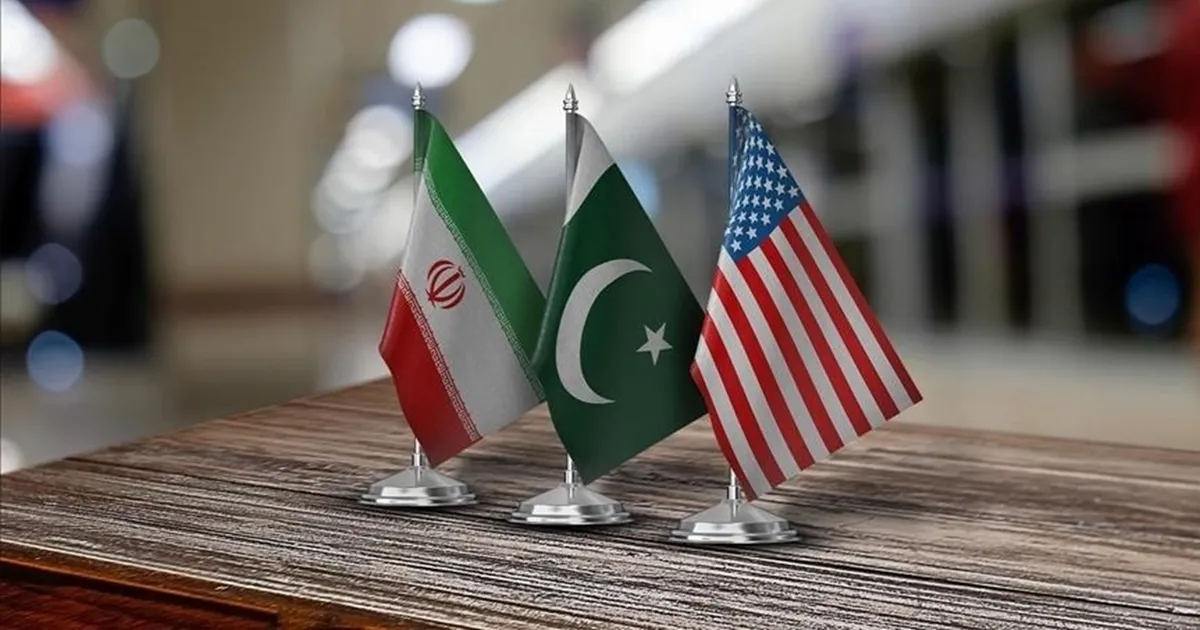
Regionally, countries such as Turkey, Malaysia, and Pakistan witnessed notable popular and official stances supporting Iran. In Turkey, opinion polls showed that the vast majority of citizens reject American attacks, while President Erdogan described the war as an absurd act lacking legal legitimacy.
In Malaysia, Parliament took a symbolic step by observing a minute of silence for the victims of the war, while Prime Minister Anwar Ibrahim warned of the repercussions of these attacks. Ibrahim considered what happened a dangerous precedent that threatens the stability of the international order and the rules governing relations between states.
In India, despite official rapprochement with the Israeli occupation, widespread popular solidarity campaigns emerged with the Iranian people. These campaigns included financial donations and the sending of medical and humanitarian aid, reflecting a gap between official political orientations and popular sympathy for issues of sovereignty.
Discussions extended to the African continent, where the Strait of Hormuz crisis raised serious concerns about energy and food security. The writer quoted politicians in South Africa on the necessity of strengthening cooperation within the 'BRICS' group to reduce dependence on economic systems controlled by Western powers.
Moaveni linked the killing of the former Iranian Supreme Leader in an American-Israeli raid to the escalation of the 'collapsing empire' narrative. She indicated that this event, instead of weakening the regime, contributed to uniting the Iranian internal front behind the banner of defending the homeland and threatened sovereignty.
The writer concluded that the war led to results completely contrary to what Washington and Tel Aviv had planned, as the intensity of internal criticism of the regime decreased. Many Iranians now see the state as a bulwark against bombing and external pressures, which gave the regime new legitimacy derived from the cause of independence.
In concluding her analysis, Moaveni affirmed that Iran today possesses a new narrative capable of marketing itself to the world as a resilient state in the face of great powers. This narrative may make Tehran a key player in shaping the new international order that is forming away from absolute American hegemony.
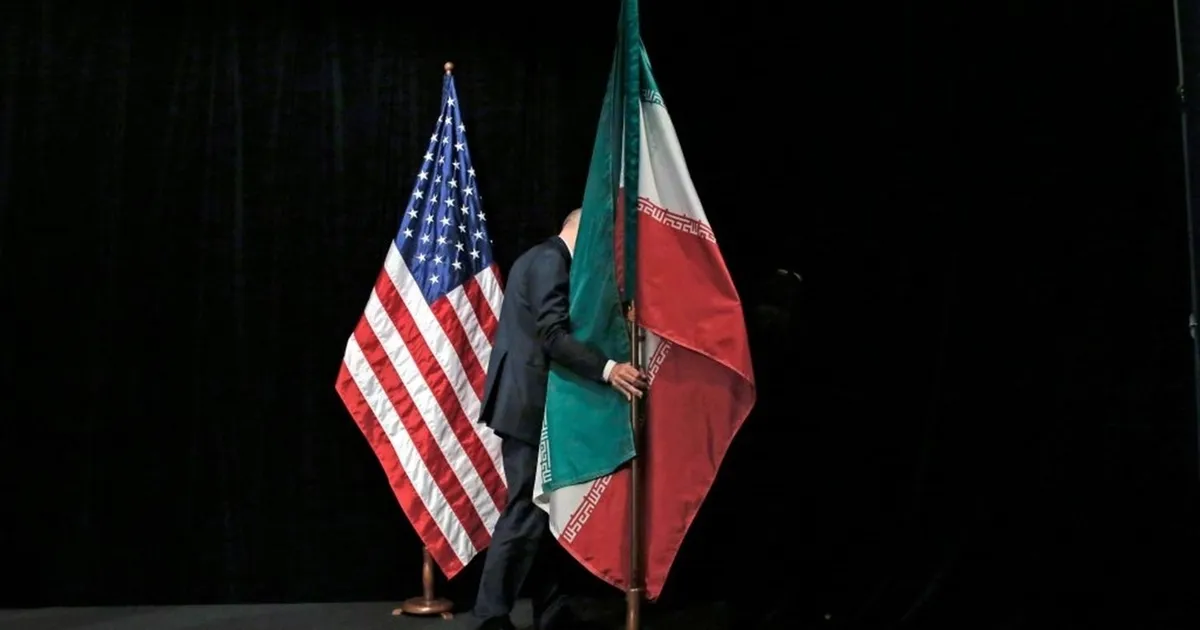
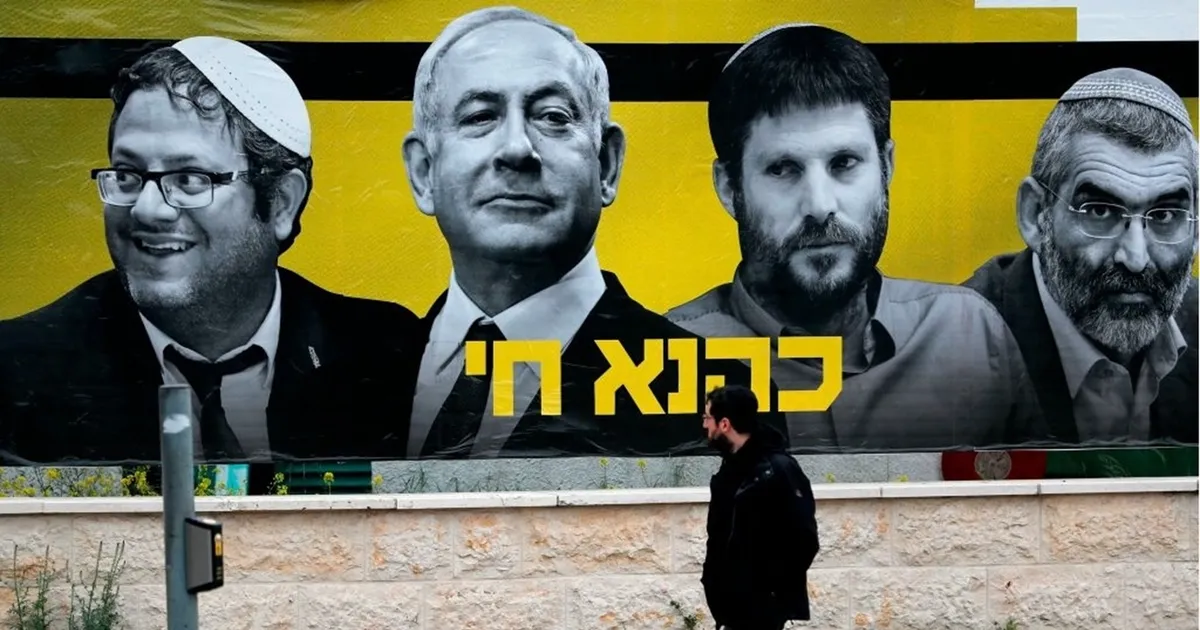
Trump and the Israeli occupation have, unintentionally, contributed to strengthening the Iranian state and solidifying its position as a symbol of defiance and resistance.
Share your opinion
American writer: The recent war revived 'Mossadegh's' legacy and transformed Iran into a global symbol of defiance