







The corridors of American think tanks are witnessing a heated debate about the future of global hegemony, led by prominent academics and theorists such as Robert Kagan, a pillar of the 'neoconservatives'. They believe that current foreign policy faces a strategic dilemma that redefines the concept of American imperial power and its impact on Washington's international reputation.
In a striking article in 'The Atlantic' magazine, Kagan argued that the Trump administration has become unable to retreat from the path of confrontation or control its catastrophic repercussions. He stressed that the failure to extract real concessions from the Iranian regime, despite intensive military operations, reflects the limits of hard power in changing the regional political reality.
Despite the destructive force used in the last 37-day war, joint US-Israeli efforts failed to overthrow the existing regime. This failure has led some to call for a comprehensive ground invasion, an option analysts consider unlikely given current balances and logistical and political complexities.
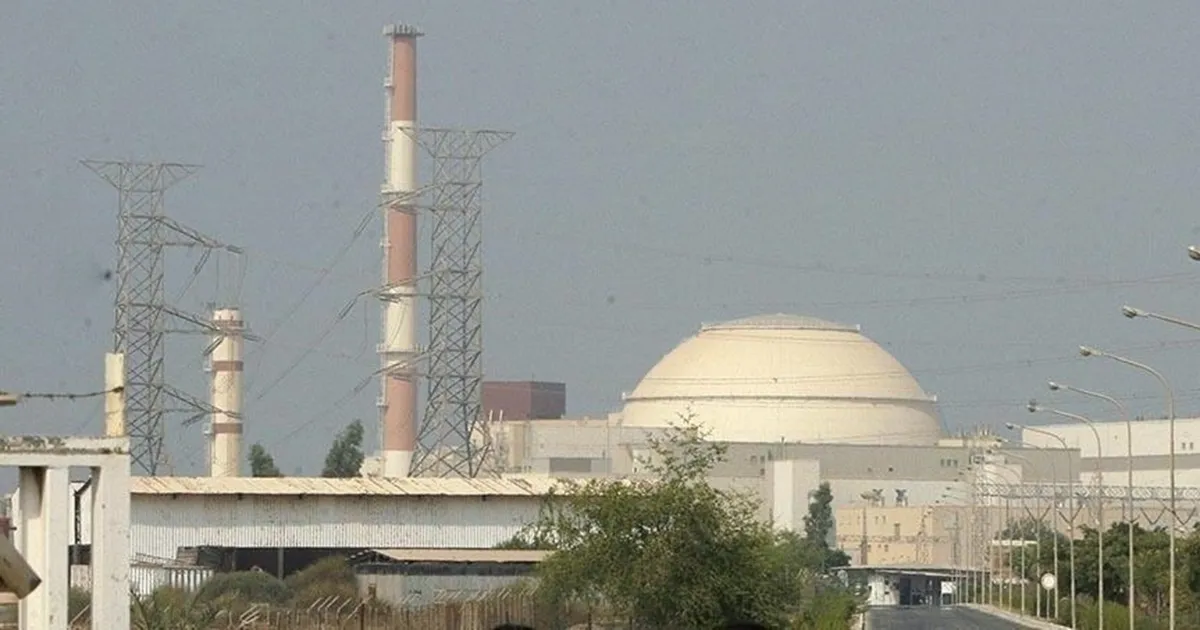
These views intersect with the demands of Israeli Prime Minister Benjamin Netanyahu, who seeks to acquire enriched uranium stockpiles under the rubble. The American side threatens to re-target Iranian nuclear facilities if Tehran refuses to hand over radioactive materials that survived the previous bombing last June.
US strategy has shifted from direct military confrontation to a suffocating naval blockade, with the US Navy imposing a cordon on the Strait of Hormuz for over a month. This measure aims to cripple the Iranian economy and prevent the export of oil and gas, in an attempt to force concessions in stalled negotiations mediated regionally.
On the other hand, China emerges as a rival power that refuses to submit to American dictates, as President Xi Jinping affirmed 'red lines' during his meeting with Trump. Beijing refuses to stop buying Iranian oil, considering that the security of navigation in the Strait of Hormuz is an international interest not subject to fees or political blackmail.
'Thucydides' Trap' stands out as a historical projection that Chinese leaders warn against, referring to the inevitable conflict between a dominant power (America) and a rising power (China). This concept, derived from the ancient Greek wars, indicates that the fear of losing status is the primary driver of major conflicts that threaten world peace.
US intelligence and defense reports confirm that China is the only competitor capable of challenging American leadership in the fields of technology, artificial intelligence, and space. It is no longer about a competitor that can be contained, but an international pole that imposes a new strategic reality that transcends the traditional capabilities of American deterrence.
Meanwhile, Tehran seeks to establish a 'win-win' equation in international forums such as the BRICS summit, benefiting from Chinese and Russian support. This trend reflects an Iranian desire to break international isolation and circumvent sanctions by building strong economic alliances with rising powers in the East.
The question remains about the international community's ability to avoid sliding into a comprehensive war, given the declining trust in the American ally. Mismanagement of competition between great powers could lead to a repetition of bloody historical scenarios, unless the language of cooperation prevails over the logic of hegemony and confrontation.
The rise of Athens and the fear that this instilled in Sparta made war inevitable.


Share your opinion
Thucydides' Trap: Are Washington and Beijing Sliding Towards Inevitable Confrontation?