






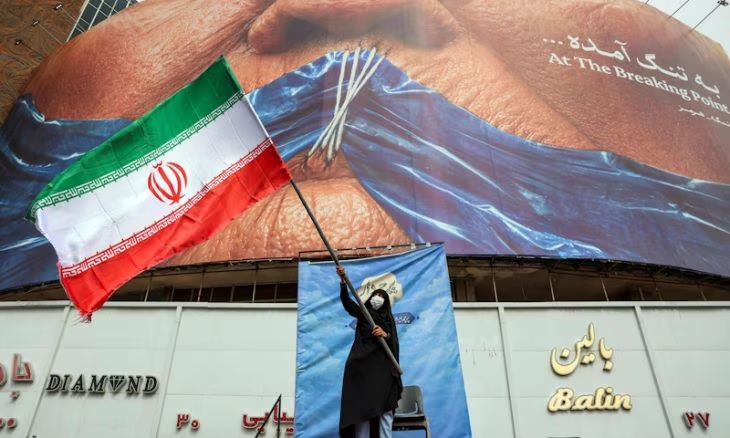
Political and security circles in Tel Aviv are experiencing a state of anticipation mixed with intense anxiety, following news from Washington about tangible progress in negotiations with Tehran. These fears come amid the American administration's move towards concluding a deal that ends the state of war, which Israel views as a retreat from the maximum pressure goals it had hoped would continue until the collapse of the Iranian regime.
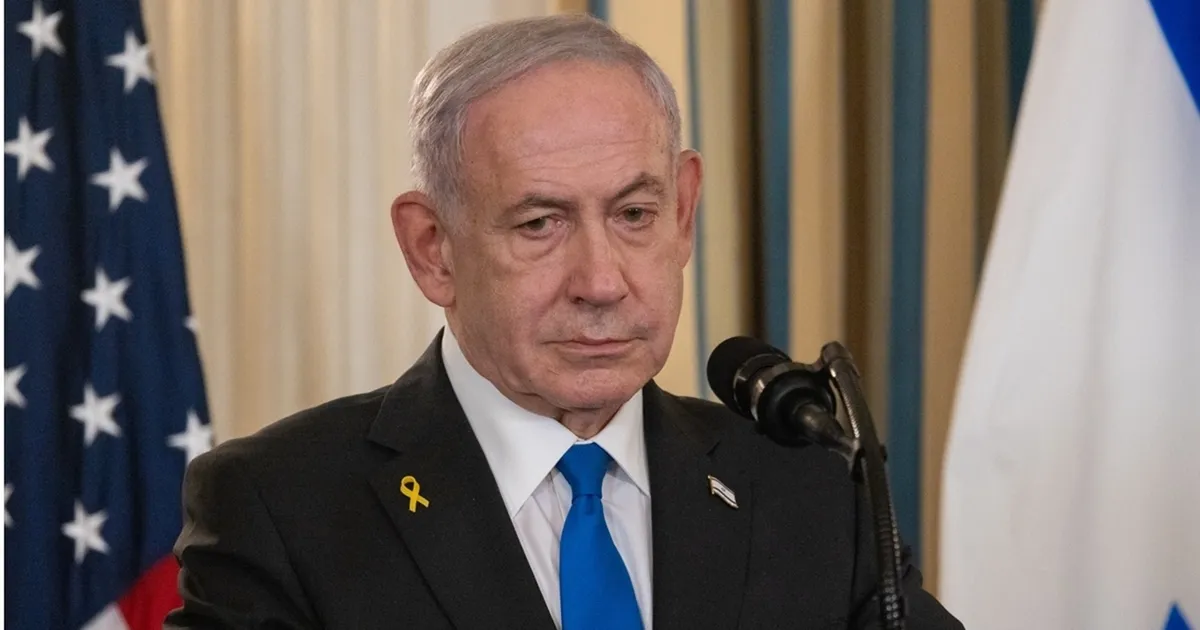
Despite attempts by Israeli Prime Minister Benjamin Netanyahu to reassure the Israeli public by emphasizing continuous coordination with President Donald Trump, leaks indicate a deep gap between the declared war objectives and the expected outcomes. Israeli officials believe that any agreement that does not guarantee a complete dismantling of nuclear and missile capabilities would be a strategic defeat for Tel Aviv.
Sources reported that a number of ministers in the occupation government expressed their dissatisfaction with the circulated draft agreement, considering it not fundamentally different from the 2015 agreement. The core objection lies in the fact that the proposed agreement limits uranium enrichment for a specific period of only 15 years, leaving the door open for Tehran to return to its nuclear ambitions in the future.
For his part, Knesset member Moshe Saada, close to Netanyahu, tried to alleviate these concerns by indicating that Israel would not be bound by any agreement that ties its hands. He explained in radio statements that the current political maneuvers aim to avoid appearing as an obstacle to American efforts, while military operations continue on the ground to impose a new reality.
In a related context, media reports quoted security officials describing the agreement as a 'lifeline' for the Iranian regime, which was suffering from a suffocating siege and increasing internal pressures. These officials believe that lifting sanctions and unfreezing billions will enable Tehran to rearm its proxies in the region, primarily Hezbollah in Lebanon and the Houthis in Yemen.
Intelligence estimates indicate that Iran currently possesses a huge stockpile of enriched uranium, amounting to 11 tons, which poses a significant challenge to any control agreement. Israel fears that parts of this stockpile may have been moved to secret underground facilities untouched by recent airstrikes, making their destruction extremely complex.
On the military front, there is a belief in Tel Aviv that the agreement will inevitably restrict the freedom of action of the Israeli army on the northern front. Former military leaders warn that Washington may pressure for a comprehensive ceasefire that prevents Israel from completing its operations aimed at destroying Hezbollah's infrastructure in southern Lebanon.
In Washington, internal economic and political motives seem to play a decisive role in accelerating the pace of negotiations, especially with Trump's declining popularity and voters' complaints about rising fuel prices. News of the negotiations immediately reflected on global markets, with oil prices falling by more than 10%, giving the American administration an additional incentive to move forward.
The White House also faces legislative pressure, as US law requires the administration to obtain parliamentary approval to continue any military conflict after 60 days of troop involvement. This time constraint pushes Washington to seek a diplomatic solution that ends the 'epic rage war' as some American officials described it, considering that it has achieved its initial objectives.
In return, Tehran stipulates for accepting the agreement a complete lifting of economic sanctions and the lifting of the naval blockade, in addition to restoring access to its frozen funds abroad. These conditions are a red line for the Israeli security establishment, which sees them as a means to strengthen Iran's regional influence and finance new military operations against Israeli interests.
'Sources' reports indicate that Iran still retains thousands of ballistic missiles ready for launch from fortified underground facilities, despite the strikes it has suffered. This reality reinforces Israeli doubts about the effectiveness of any agreement that does not include an explicit clause for the destruction of these missile systems that directly threaten Israeli depth.
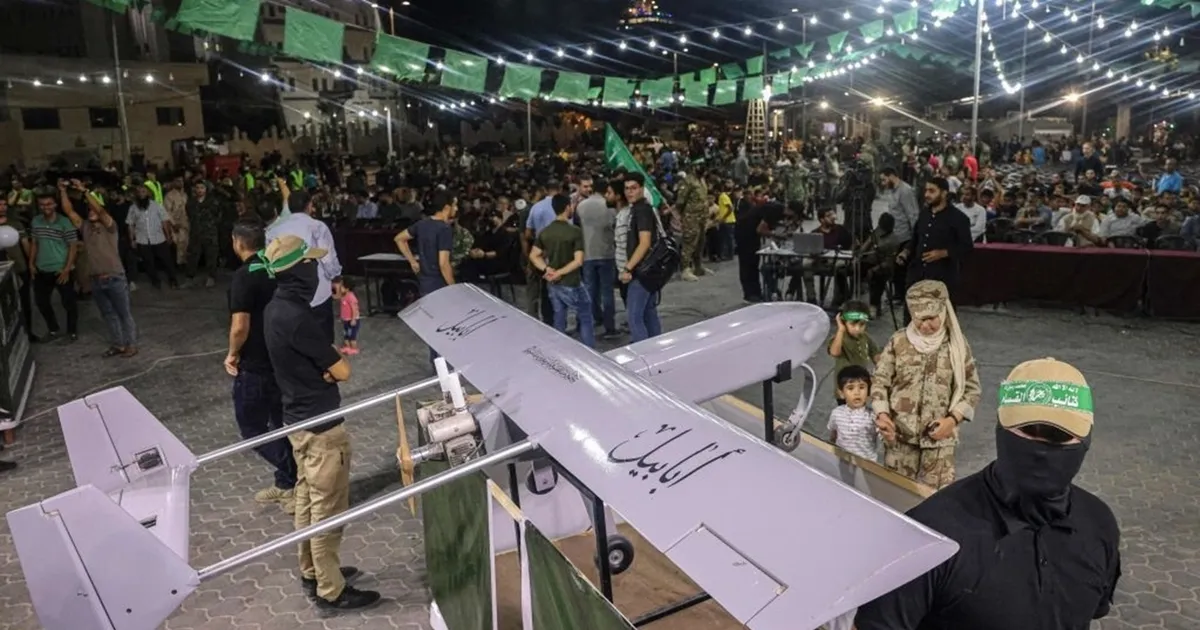
Regarding regional proxies, Tel Aviv believes that Hezbollah and the Houthis still possess deadly offensive capabilities, including advanced drones. Israel fears that the agreement will legitimize the presence of these forces as part of new regional arrangements, instead of weakening and undermining their capabilities as planned at the beginning of the confrontation.
Military analyst Giora Eiland believes that any agreement at the present time is a 'bad option' for Israel, which was betting on the collapse of the Iranian regime from within under the weight of the siege. Eiland stressed that the American retreat from the option of military decisive action gives Tehran a golden opportunity to rearrange its political, economic, and military cards away from the pressures of war.
In conclusion, the relationship between Washington and Tel Aviv remains facing a real test in light of the clear divergence of interests regarding the Iranian file. While Washington seeks to calm fronts and secure oil flow, Israel insists that sustainable security can only be achieved by definitively and comprehensively ending the existential threat posed by the Iranian nuclear project.
This agreement is catastrophic for Israel; it entrenches the rule of the clerics in Iran and grants them a lifeline while they were approaching collapse.



Share your opinion
Anxiety in Tel Aviv over an American 'lifeline' to Tehran: Fears of a deal that ends the war and preserves nuclear capabilities