







Hebrew press reports have revealed decisive directions within the US administration, led by Donald Trump, to end the state of war in the region, with an emphasis that Washington will not allow the Israeli government to interfere and thwart this diplomatic path. This vision is based on the noticeable acceleration in US moves, which have shifted from threatening to open the Strait of Hormuz by force to freezing military operations and returning to the negotiating table with Tehran.
Sources indicate that the American desire to contain the escalation is driven by complex economic calculations and pressures on global oil markets, in addition to strategic considerations that extend beyond the Middle East. Observers believe that the White House now views the continuation of the conflict without a prospect of decisive victory as a political and symbolic burden, especially amid escalating competition with other international powers such as China.
Within this trend, Trump seeks to formulate an initial agreement that ensures the resumption of safe navigation in the Arabian Gulf, paving the way for deeper negotiations on the Iranian nuclear file. This move aims to draft a common, concise statement of principles, followed by a month of intensive discussions to reach detailed understandings that end the current state of tension.
Analysts point out that the absence of Yemeni factions from the recent escalation scene was not a coincidence, but rather a result of broader regional understandings aimed at neutralizing parties to the conflict and preventing the expansion of the confrontation. This relative calm on the support fronts enhances the chances of success for the American endeavor to isolate regional issues and focus on a direct agreement with Tehran.
Despite this optimism, doubts arise about the nature of the potential agreement, as Israeli circles warn against overestimating expectations given the long history of Iranian negotiations characterized by procrastination. The essence of the current understandings revolves around the equation of easing economic sanctions in exchange for imposing strict restrictions on uranium enrichment operations and international monitoring mechanisms.
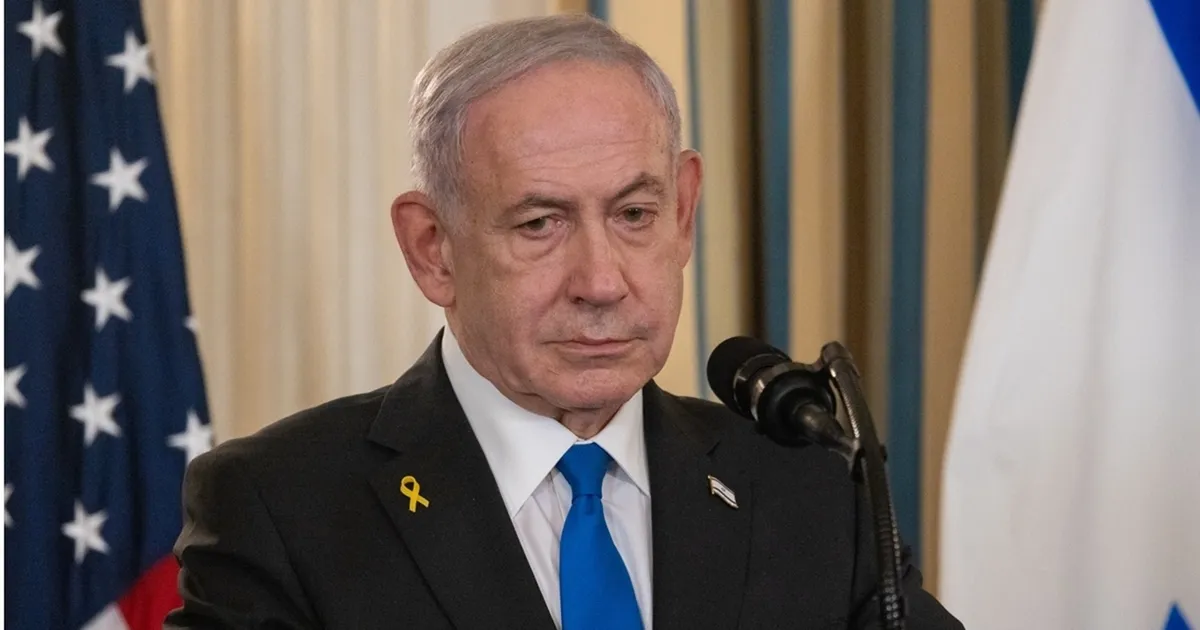
In a related context, the lack of coordination with Israel emerged as one of the most important features of the current phase, with military analyst Amos Harel pointing to Trump's disregard for Netanyahu in his recent statements. Despite the Israeli Prime Minister's attempts to suggest full coordination with the White House, field and political realities indicate a growing gap between the two sides.
Reports reveal that the US President's team categorically rejected a proposal submitted by Netanyahu during his last visit to Washington in February, which aimed to accelerate the overthrow of the Iranian regime. It appears that the idea of "regime change" promoted by the Israeli government has fallen off the American agenda in favor of de-escalation and containing Iranian influence through diplomatic channels.
Relations between Trump and Netanyahu are entering a sensitive phase, with Washington setting a clear ceiling for Israeli military actions in Lebanon to prevent a slide into a comprehensive regional war. Sources consider that the recent Israeli attacks on the southern Beirut suburb were merely calculated pressure messages, and do not reflect a strategic shift in the absence of an American green light for escalation.
Netanyahu, according to analyses, possesses tactical cards to destabilize, but lacks full strategic decision-making freedom given the White House's insistence on controlling the region's rhythm. This discrepancy is evident in statements from the Israeli army that hint at continued military operations despite implicit American directives for a ceasefire.
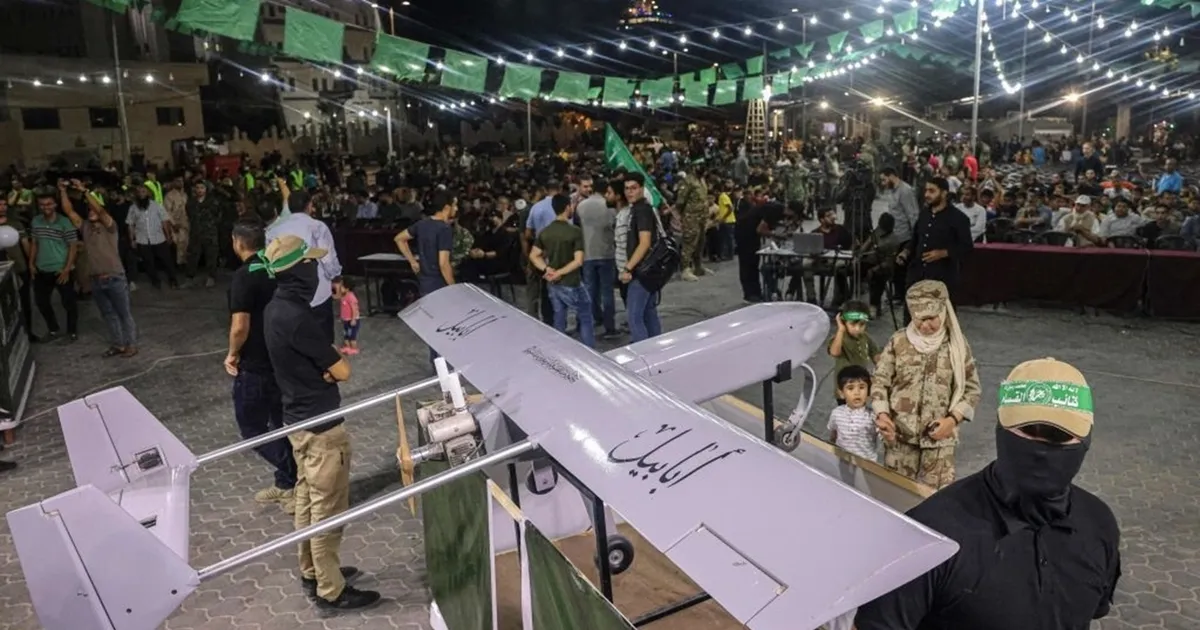
On the Gaza Strip front, observers believe that the Palestinian issue has receded in American priorities in favor of focusing on the Iranian file, creating a state of field and political stagnation. Reports claim that the Hamas movement is exploiting this international preoccupation to strengthen its field control and reorganize its ranks, despite the widespread destruction of its military capabilities during months of war.
Reconstruction plans in Gaza and the formation of an international force to manage the Strip face significant security and financial complexities, amid donor countries' hesitation and the lack of consensus on a political formula for the future. This ambiguity reinforces fears of a potential renewed explosion of the situation, especially with the approaching Israeli elections scheduled for next October, which could push towards a new round of escalation.
Sources confirm that Hamas still maintains a solid organizational capacity and field control, making any talk of its complete elimination an elusive matter in the foreseeable future. This reality poses a major challenge to the Israeli strategy that promised "complete victory," which now appears to be questioned even within security circles in Tel Aviv.
The increasing tension between Washington and Tel Aviv reflects a conflict of vital interests, as Trump sees ending foreign wars as a means to enhance his domestic standing and fulfill his election promises. In contrast, Netanyahu finds himself trapped between the pressures of the ruling right-wing coalition and the constraints of the US administration, which refuses to be drawn into military adventures with uncertain outcomes.
In conclusion, the region appears to be heading towards a phase of "forced calm" imposed by the US administration, awaiting the outcome of negotiations with Iran in the coming weeks. The question remains open as to Netanyahu's ability to adapt to these new realities, or whether he will resort to a sudden escalation to shuffle the cards and re-impose his agenda on the White House.
Trump seeks to cut his losses and end the war with Iran, at a time when Israel appears unable to stop him.



Share your opinion
Trump Imposes De-escalation Rhythm: Behind the Scenes of US Pressure to Prevent Israel from Obstructing the End of the War