






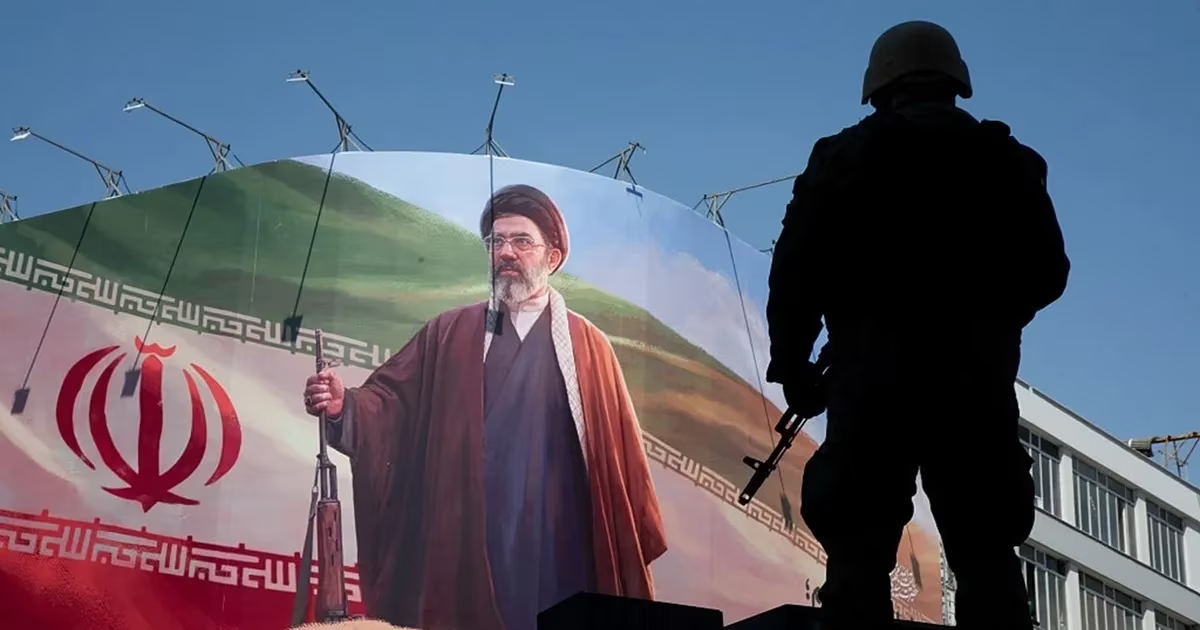
Hebrew press reports revealed exciting details about a secret joint plan between the Israeli Mossad and the US Central Intelligence Agency (CIA), which aimed to undermine and overthrow the Iranian regime. Sources indicated that these moves came after the military escalation that began on February 28, where a comprehensive strategy for direct field intervention was developed.
According to "Israel Today" newspaper, the plan primarily relied on mobilizing thousands of Kurdish fighters from Iraqi territory towards the Iranian interior. Analysts described this operation as overly ambitious, as it sought to change the political map in the region through armed force and ethnic alliances.
The strategic goal of this move was to control the Kurdish areas within Iran, inhabited by about eight million people. The plan was to arm these groups and push them to advance eastward, coinciding with movements by armed militias belonging to other minorities from various border areas.
Sources indicated that the operations were designed to tighten the noose on the capital Tehran through a coordinated infiltration of opposing ethnic and political minorities. Reports considered that this operation aimed to create a state of comprehensive chaos that would allow for the rapid collapse of the Iranian regime's security structures.
In the context of comparison with previous intelligence operations, sources noted that the "Pager" operation, which was carried out previously, seemed fictional before it happened, which made the planners confident in the success of the invasion of Iran. Reports confirmed that the US Central Intelligence Agency was not just an observer, but a full partner in all stages of logistical and field planning.
The plan also included uniting all Kurdish parties under one political and military platform aimed exclusively at overthrowing the regime in Tehran. In parallel with these preparations, the Israeli army had already begun carrying out airstrikes targeting bases belonging to the Iranian Revolutionary Guard in border areas to facilitate the crossing operation.
Despite the precision with which the plan was described, it faced unexpected political obstacles at the last minute, leading to its freezing. While international news reports were broadcasting news of the start of the attack, high-level diplomatic contacts took place between Ankara and Washington to change the course of events.
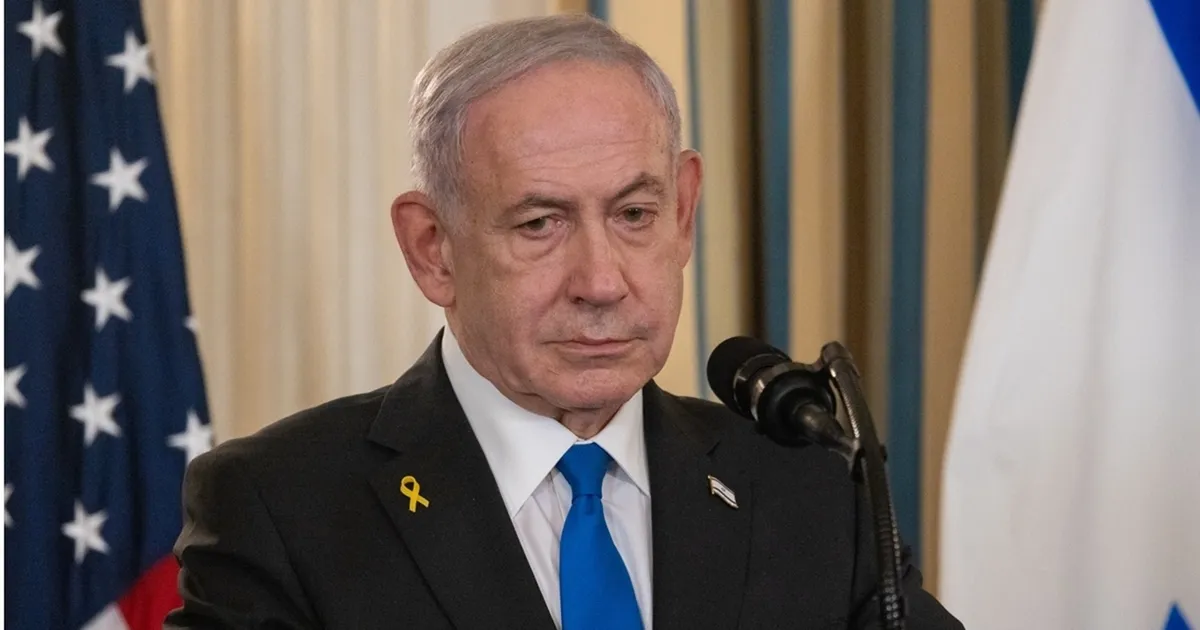
Sources reported that Turkish President Recep Tayyip Erdogan made an angry phone call to US President Donald Trump, warning of the repercussions of this attack. Erdogan convinced the American side of the necessity of abandoning the idea of supporting the Kurdish attack, due to its catastrophic effects on regional stability and Turkish national security.
Turkish pressure was not the only factor, as Doha entered the crisis through a phone call from the Emir of Qatar to the US President. Qatari-American talks focused on the need to stop targeting Iranian energy facilities, which contributed to protecting the Revolutionary Guard's economy from imminent total destruction.
These diplomatic interventions directly led to a slowdown in the pace of planned military operations and stopped the Kurdish advance that was supposed to start from the Iraqi border. According to analysts, these calls were crucial in saving the Iranian regime from a simultaneous internal and external military confrontation.
Despite the failure to implement the plan, Hebrew sources question the possibility of its revival in the near future. Senior military commanders in Tel Aviv indicate that coordination with Washington remains at its highest levels and has not been affected by the sudden retreat from carrying out the operation.
Officials denied any real tension in relations between the United States and Israel as a result of this setback, stressing that the strategic alliance is stronger than it was. However, experts acknowledge that Kurdish forces and allied militias will need additional time to reorganize their ranks and prepare for a potential round of confrontation.
Questions remain about the ability of regional parties to prevent such plans in the future amid continued intelligence incitement. Reports indicate that the current failure does not necessarily mean that the Mossad and CIA have abandoned their ultimate goal of changing the Iranian regime, but may be merely a tactical postponement.
In conclusion, this incident highlights the complexity of managing regional conflicts, where intelligence interests intertwine with the political calculations of major powers. The Kurdish front and the Iranian-Iraqi border remain a potential flashpoint that could erupt at any moment if the option of direct military escalation is decided upon again.
The plan was ambitious and excessive, involving a Kurdish invasion from Iraq into Iran with thousands of fighters to reach Tehran.



Share your opinion
Details of the Mossad and Washington's Secret Plan to Overthrow the Iranian Regime and the Reasons for its Sudden Failure