






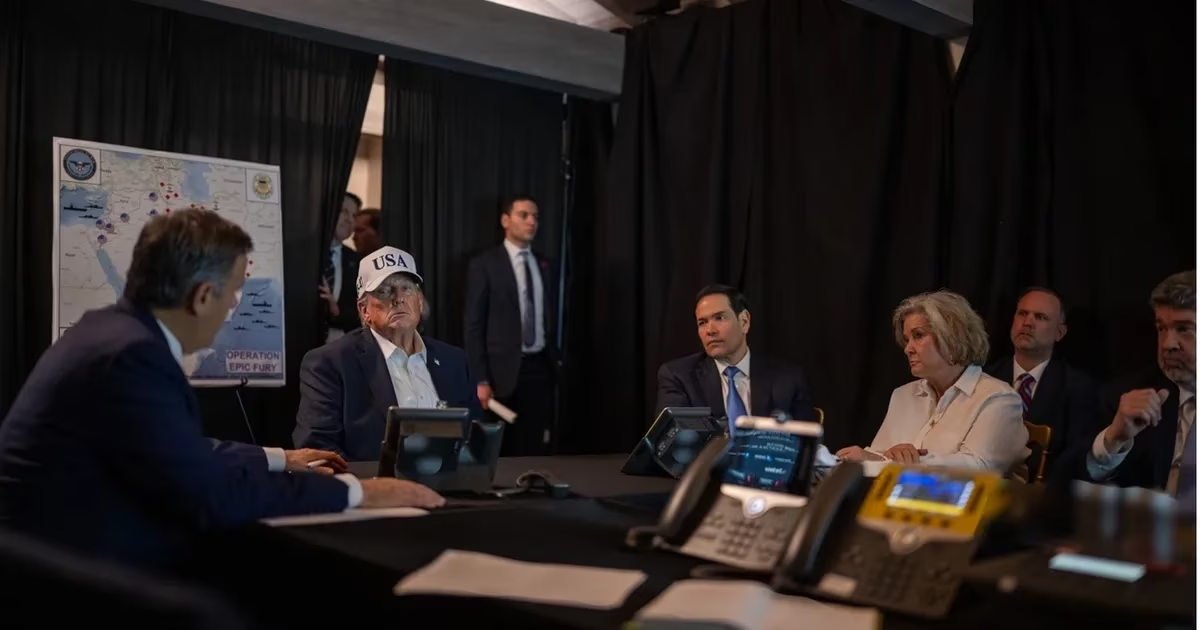
Hebrew media sources reported that the United States is moving towards a gradual and calculated field escalation with Iran, amidst widespread anticipation within the security establishment in Tel Aviv for a decisive decision from President Donald Trump. The report, issued by 'Israel Hayom' newspaper, indicates that the region stands on the brink of a new phase of confrontation that may go beyond the limits of traditional skirmishes to a direct military clash.
The sources stated that the current strategy of the Trump administration relies on the principle of slowly 'heating up the atmosphere,' a method that differs from previous rounds characterized by swift and sudden strikes. Through this tactic, Washington aims to test Iranian reactions and measure Tehran's ability to withstand increasing military pressure in vital waterways.
The recent tension began to escalate following statements by President Trump in which he openly questioned the Iranian regime's ability to impose a real blockade on the Strait of Hormuz. This skepticism prompted Tehran to respond quickly by publishing detailed maps showing the deployment points of its naval forces and missile platforms, warning against any American attempt to violate the maritime sovereignty it claims in the region.
In a move considered a clear field challenge, the US Central Command announced the passage of two warships through the strait without regard for Iranian warnings. This field movement put Tehran in a dilemma of response, as it sufficed with limited targeting of some ships and sites in the UAE, clearly avoiding direct confrontation with American bases or Israeli targets.
Analysts believe that current Iranian behavior reflects a deep desire to avoid sliding into a full-scale war that could have dire consequences for the internal system. Nevertheless, Tehran is trying to maintain a minimum level of deterrence to ensure that American forces do not overstep their operations, with full awareness of the exorbitant cost of any large-scale escalation at the present time.
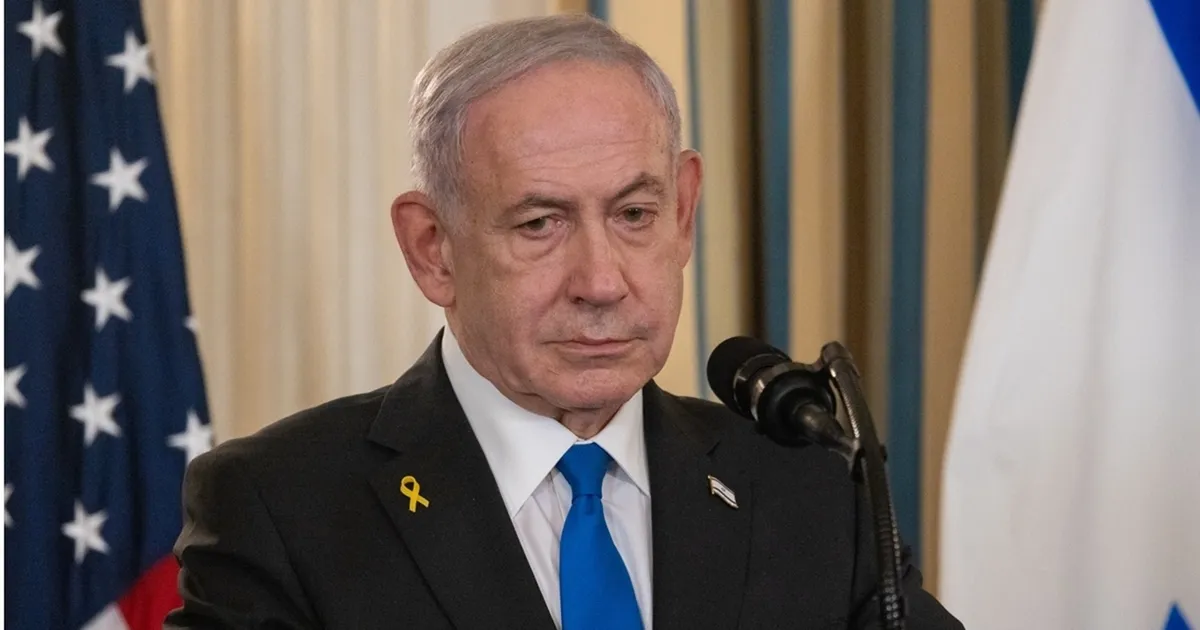
Regarding the Israeli role, the report clarified that Tel Aviv is not currently playing the primary driver of these events, nor has it yet entered the direct targeting circle by pro-Iranian militias. However, the Israeli leadership remains on high alert, emphasizing that any conflagration in the Gulf region will have direct repercussions on the northern and internal fronts.
Estimates from informed sources indicate that the most likely scenario is a continued gradual and escalating exchange of blows between Washington and Tehran. The report confirms that Trump views confronting Iranian influence as a 'historic mission' from which he will not back down, making the option of using overwhelming military force a strong possibility on the table.
In the decision-making corridors in Tel Aviv, any upcoming American-Iranian confrontation is seen as a golden, irreplaceable opportunity to deliver devastating blows to the nuclear project and vital facilities inside Iran. Military circles also believe that Tehran's preoccupation with confronting Washington will weaken Hezbollah's capabilities in Lebanon, facilitating the Israeli army's mission to neutralize its missile threats.
The report concluded that the current phase is merely a prelude to a larger military operation that could radically change the political and military map in the Middle East. The US administration, according to these data, seeks to quickly resolve the conflict if it erupts, to ensure that it does not turn into a long-term war of attrition that drains resources and capabilities.
The American president will not back down easily, and resorting to greater military force against Tehran is now just a matter of time.



Share your opinion
Hebrew Report: Trump Administration Paves Way for Military Action Against Iran, Tel Aviv Awaits Zero Hour