







A state of frustration is escalating in Israeli circles due to the growing conviction that the northern front has returned to square one, where it was before the October 7 attack. Observers believe that the intense firepower exercised by the occupation army in southern Lebanon has not succeeded in changing the strategic reality, amidst clear governmental disregard for the suffering of displaced persons from northern settlements.
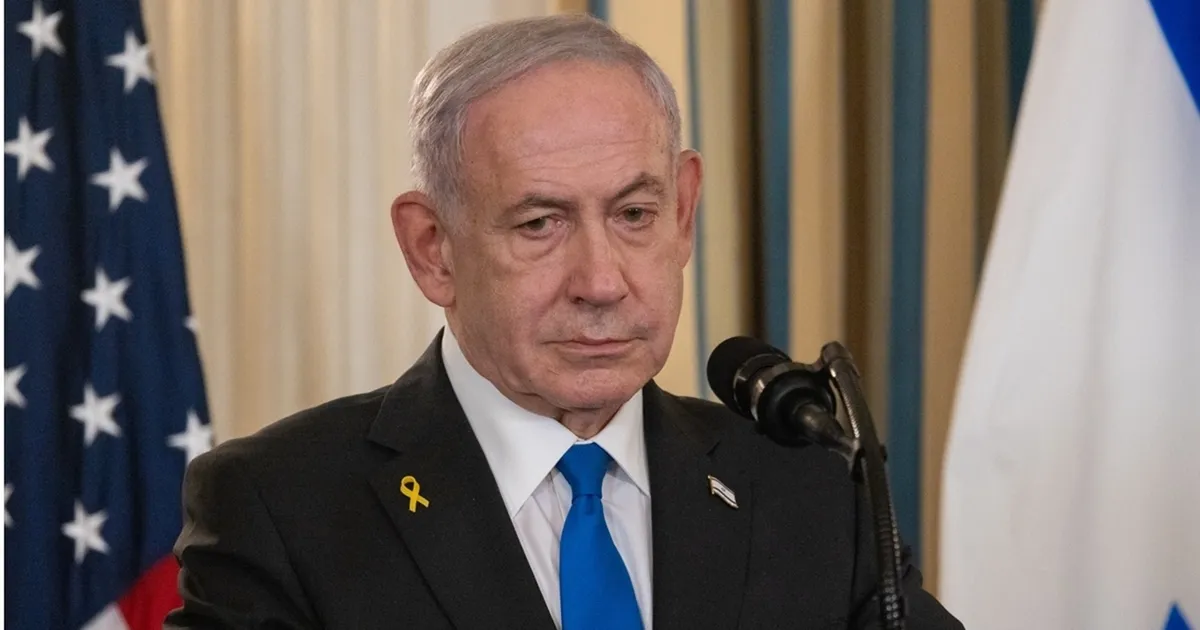
Sources indicate that Prime Minister Benjamin Netanyahu found in Donald Trump's return and the Iranian nuclear file the ideal pretext to continue the policy of containment and restrained response. Despite Hezbollah's daily rocket launches and targeting of the front line, the government refuses comprehensive escalation, citing the excuse of awaiting international moves that might weaken the party in the future.
Netanyahu's logic relies on the premise that Trump's victory over Iran, whether through war or agreement, will necessarily lead to a radical weakening of Hezbollah. However, his critics believe that this approach reflects an unwillingness to take decisive diplomatic or military steps to end the direct threat on the border.
Analyses confirm that the residents of the North and their problems are not among Netanyahu's current priorities, a conclusion derived from the reality of recent years which have witnessed accumulated neglect. Instead of taking courageous decisions, the political leadership seems to prefer returning to weak response policies that have proven to fail in providing sustainable security for settlers.
On the internal front, the absence of leadership capable of making fateful decisions, away from excuses related to international pressures or regional files, stands out. Netanyahu, who is skilled at promoting what he deems important, has not shown the same enthusiasm when it comes to protecting northern settlements facing daily existential threats.
Reports reveal that the northern protection plan, approved in 2018, remains stagnant without actual implementation on the ground. This long neglect raises major questions about the government's seriousness in protecting its citizens, especially since residents of those areas have spent long periods in shelters with no clear horizon for return.
Netanyahu has consistently ignored the demands of northern residents, especially in the settlement of Kiryat Shmona, where thousands of residents were forced to evacuate. Despite being a vital regional center for services and industry, the government has not put in place a real emergency plan to save it or restore life to it until now.
Front-line settlers feel they have been left to their unknown fate despite repeated promises to disarm Hezbollah and remove the threat from behind the fence. These promises, made by Netanyahu, his defense minister, and the chief of staff, have evaporated in the face of the field reality that imposes new engagement equations that do not serve the occupation's interests.
Information indicates that Israel has once again fallen into the trap of equations that Hezbollah previously imposed, where shelling is met with similar shelling without achieving real deterrence. This field retreat strengthens Hezbollah's power and gives it more room to maneuver and impose its conditions on the ground.
In a related context, sources reported that the Israeli army possessed intelligence information that would allow the elimination of prominent Hezbollah leaders prior to the recent ceasefire announcement. However, the political leadership refused to give the green light for the operation, in adherence to undeclared understandings with international parties, which made Beirut a safe haven for these leaders.
Netanyahu's containment policy, pursued for two decades, always relies on finding justifications for not taking widespread military action. At every stage, a different explanation emerges to justify refraining from confronting threats coming from the North, ultimately leading to an unprecedented erosion of Israeli deterrence.
Netanyahu was supposed to clarify to the American administration that the direct threat on the border cannot be compared to distant threats thousands of kilometers away. The presence of armed individuals and offensive tunnels at zero distance from settlements requires immediate action that cannot tolerate delay or political trade-offs.
The continuation of this approach will ultimately lead the occupation to a major security catastrophe, as the capabilities of adversaries are strengthened in the absence of a clear Israeli strategy. Retreating from declared goals, such as disarming Hezbollah, sends messages of weakness that encourage other parties to escalate their operations.
In conclusion, the residents of the North remain the biggest victims of these hesitant policies, facing an uncertain future in the absence of security. If government priorities do not change radically, returning to abandoned settlements will remain a distant dream amidst the existing threats.
The North and its residents do not interest Netanyahu, and they are not among his top priorities; he has more important matters than them.



Share your opinion
Harsh Criticism of Netanyahu: Containment Policy in the North Leads the Occupation Towards a Security Catastrophe