







Hebrew security assessments and journalistic analyses concluded that the latest round of military confrontations in South Lebanon ended with the imposition of fundamental restrictions on the movements of the Israeli occupation army. Sources clarified that the activity of Israeli forces has become confined to specific geographical areas, in contrast to the continued attacks carried out by Hezbollah within direct engagement zones.
The Hebrew newspaper "Israel Hayom" reported that the field results were contrary to official expectations in Tel Aviv, as the confrontation granted Israel's adversary three strategic gains described as "dangerous." These assessments come at a time when Israeli concern is growing about the approach of a new round of comprehensive escalation on the northern front.
The first gain, according to Hebrew analysis, was Tehran's success in imposing a ceasefire by exerting intense political pressure on the American administration. This intervention led to the termination of Israeli military operations before achieving their final goals, solidifying Iran's role as a decisive party in determining the fate of war and peace in the Lebanese arena.
The second gain relates to the strict field restrictions imposed by the agreement on the movements of the Israeli army deep within Lebanon. Israeli forces have lost the freedom of action they previously enjoyed, and their access to strategic areas such as the southern suburb of Beirut has become impossible and prohibited by political and military decision.
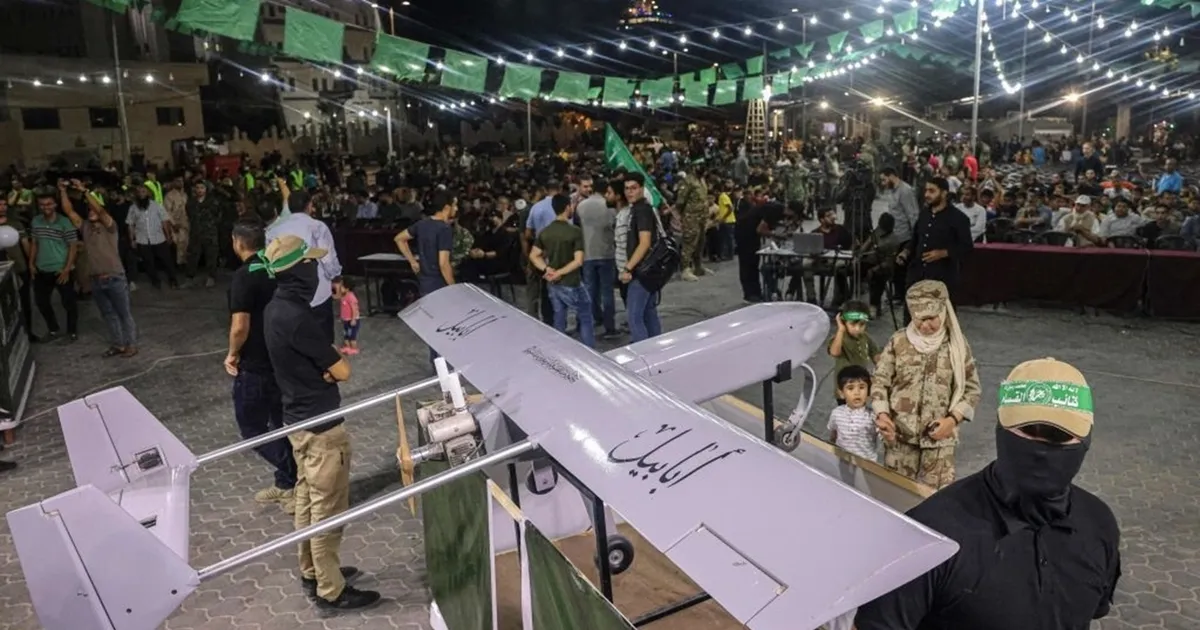
Sources indicated that the third and most impactful gain is Israel's forced acceptance of the reality of "limited conflict" within the buffer zone in South Lebanon. This reality allowed Hezbollah fighters to adopt guerrilla warfare tactics and carry out qualitative attacks using booby-trapped drones against gatherings of Israeli forces stationed in border areas.
In contrast, the Israeli army finds itself bound by rules of engagement that prevent it from targeting the party's leadership structures in the capital, Beirut. Although operational orders are issued from command centers there, current understandings have made these centers fortified areas, safe from Israeli air force fire.
Reports warned that this situation has led to a state of permanent attrition in which Israeli forces incur human and material losses on an almost daily basis. Hezbollah exploits this pattern of fighting to strengthen its defensive positions and reorganize its combat ranks, benefiting from the time provided by international pressure for a ceasefire.
On the political level, Hebrew sources described American and Israeli perceptions regarding the Lebanese state's ability to disarm Hezbollah as "illusions" with no basis. They affirmed that the absence of political will and military capability among Lebanese parties makes the idea of disarming the party impossible under current circumstances.
The analysis considered that media statements opposing the party within Lebanon give a misleading impression to the international community and decision-makers in Tel Aviv. The facts on the ground prove that the party remains committed to its military option and its missile arsenal, with no real indications of its retreat or acceptance of withdrawal from the scene.
The newspaper stressed the need for the Israeli military establishment to conduct a comprehensive reassessment of its performance during the previous round to draw lessons. Estimates indicate that the next confrontation with Hezbollah is only a matter of time, and entering it with the same current tools could lead to catastrophic results.
Israeli analysts proposed a radical change in the nature of future military operations, so that they are not limited to striking direct military targets only. Rather, they must extend to include the party's organizational, political, and economic structure, to ensure the undermining of its ability to withstand and continue to manage the battle.
The analysis also called for expanding the targeting circle to include the infrastructure of the Lebanese state that provides a supportive environment for the party's military activities. Proponents of this view believe that pressure on the Lebanese host environment is the only way to raise the cost of war for the party and force it to make real field concessions.
Hebrew sources criticized the mere establishment of a limited security strip in the south, considering that this step did not provide full protection for northern settlements. They affirmed that the experience of pushing party elements northward was partially effective, but it was not completed in a way that ensures the security of northern residents sustainably.
In conclusion, the report warned that the continuation of the current situation will make Israel enter any future confrontation from a position of strategic weakness. While Hezbollah exploits the relative calm to rebuild its capabilities and develop its weapons, the Israeli home front remains exposed to increasing threats that make resolving the conflict more complex and costly.
The current reality has created a state of continuous war of attrition, during which Israeli forces incur almost daily losses, while Hezbollah benefits from this fighting pattern to reorganize its ranks.



Share your opinion
Hebrew Analyses: Field Restrictions Shackle the Israeli Army and Strategic Gains for Hezbollah After the Escalation Round