







US President Donald Trump has sparked widespread political and constitutional controversy after explicitly hinting that he does not intend to seek congressional approval to continue military operations against Iran. These statements come as the 60-day legal deadline approaches, which requires the US administration to obtain official authorization from lawmakers for any continued foreign military action.
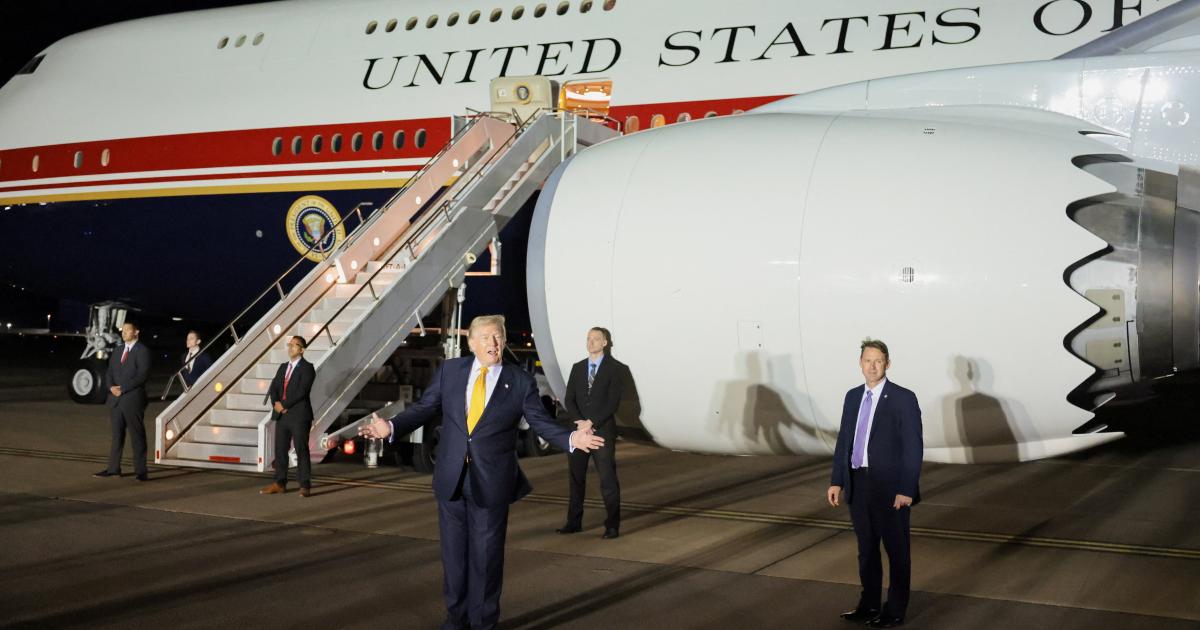
Speaking to reporters from the White House, Trump attacked voices calling for adherence to the constitutional path, describing them as lacking patriotism. The US President affirmed that he sees no need to comply with this procedure, which he considered unconstitutional in the context of the executive powers granted to him as commander-in-chief of the armed forces.
Trump believes that the entry into force of the ceasefire agreement between Washington and Tehran on April 8 has given him a wider margin for political and temporal maneuver. He considered that this development practically suspended the 'countdown' of the legal deadline, giving him more time before facing legislative requirements on Capitol Hill.
Under the US Constitution, Congress alone has the authority to officially declare war, but the War Powers Act of 1973 granted the President exceptional powers. This law allows the White House to launch limited military interventions to respond to emergencies or direct attacks, provided that it returns to lawmakers two months after the start of operations.
Military operations against Iranian targets began on February 28, while official notification to Congress was delayed by two days. With the legal deadline approaching, a fundamental question arises about the extent to which the US administration can bypass the legislative authority in a sensitive issue such as regional war.
On the international front, China entered the crisis through its ambassador to the United Nations, Fu Cong, who stressed the utmost importance of maintaining the current state of calm. The Chinese ambassador emphasized that the most pressing issue at present is to ensure that the ceasefire does not collapse and return to a comprehensive military confrontation.
Beijing called on the international community to mobilize efforts and raise voices against any attempts to resume fighting between the American and Iranian sides. The Chinese diplomat pointed to the need for the concerned parties to engage in serious negotiations characterized by good faith, away from the language of threat and field escalation that threatens regional security.
China is preparing to assume the presidency of the UN Security Council for one month, where its foreign minister, Wang Yi, is scheduled to chair a high-level session on May 26. The features of potential bilateral meetings have not yet become clear, especially regarding a presumed meeting between Wang Yi and his American counterpart Marco Rubio during the anticipated visit.
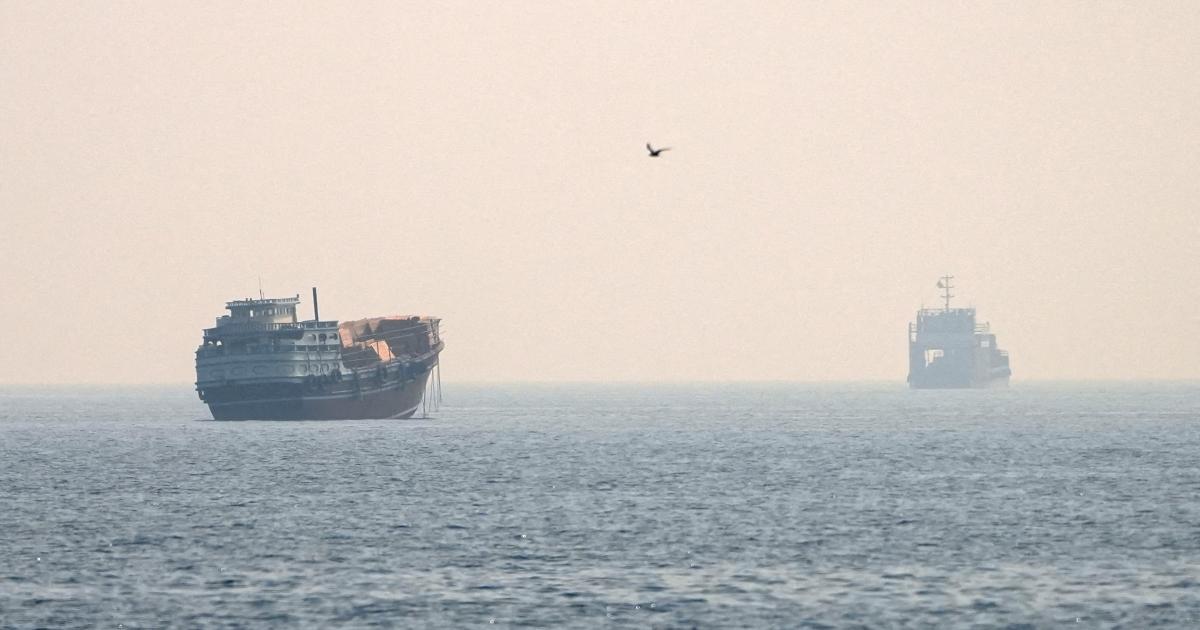
The issue of the Strait of Hormuz constitutes a central axis on the international agenda, especially with the continued closure of this vital shipping lane to global trade. The Chinese ambassador affirmed that this issue will be at the forefront of discussions during Trump's anticipated visit to China, stressing the need to reopen the strait as soon as possible to avoid a global energy crisis.
Beijing expressed its deep concern about reports that the ceasefire is merely a temporary measure preceding a new round of violent attacks. China demanded that Iran lift all restrictions imposed on navigation in the Strait of Hormuz, and in return demanded that the United States end its naval blockade imposed on the region.
In conclusion of his statements, the Chinese ambassador completely denied the American accusations directed at his country regarding secret military cooperation with Tehran. Fu Cong described these allegations as 'false' and aimed at politicizing international positions, stressing that his country only seeks to achieve stability and ensure the flow of international trade through waterways.
I don't think what they're asking for is constitutional. Those who are asking for this procedure are not patriotic, and no one has ever asked for this procedure before.
Share your opinion
Trump defies Congress on military operations against Iran, rejects '60-day deadline' restrictions