







The scene linking the Lebanese and Iranian crises is no longer just a fleeting intersection of political circumstances; it has transformed into a comprehensive model for managing conflicts through economic and financial tools. Current indicators reveal that the confrontation has shifted from the ground to the arena of cash flows, where numbers are used as strategic pressure tools that go beyond the traditional description of crises.
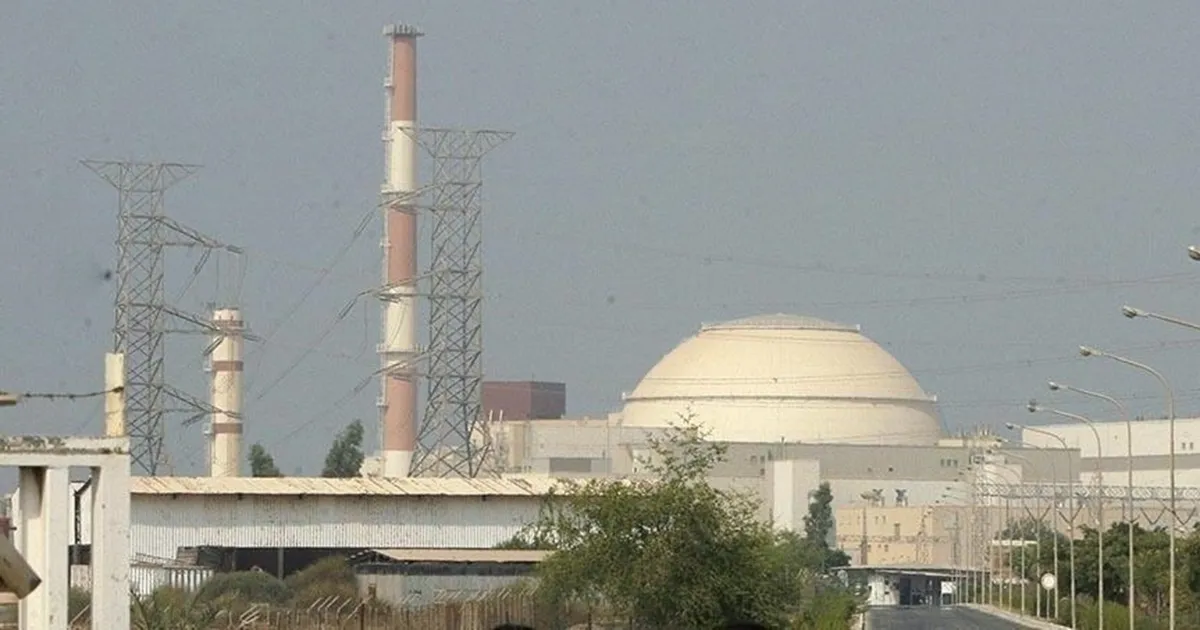
In the Iranian case, the economy, estimated at about $400 billion, faces deep structural pressures resulting from the accumulation of US sanctions imposed since 2018. These sanctions have not only reduced foreign investment but have also restricted Tehran's ability to integrate into the global financial system and hindered the transfer of vital oil revenues.
Despite the Iranian trade balance recording a nominal surplus ranging between $5 and $15 billion, this figure does not translate into tangible monetary stability. The fundamental dilemma lies in the inability to access these revenues immediately or transfer them, creating a gap between the volume of exports and the availability of dollar liquidity in local markets.
This financial strangulation has led to a chronic rise in inflation rates and a sharp deterioration in the value of the local currency, which in turn has eroded the purchasing power of Iranian families. International powers are betting on this internal pressure to create social tremors resulting from the stagflation affecting the state's core.
In Lebanon, the picture appears even bleaker, with GDP contracting by more than 60% since the beginning of the crisis in 2019. The Lebanese pound has lost more than 85% of its value, leaving public finances in a state of near-complete inability to meet the basic needs of citizens.
Recent military operations in southern Lebanon have caused severe damage estimated at tens of billions of dollars, at a time when the state is unable to secure even minimal funding. Israel is pursuing a destructive policy in the south reminiscent of what is happening in the Gaza Strip, exacerbating the displacement crisis and living burdens.
Lebanon differs from Iran in that it does not have room for maneuver or "economic circumvention," as it relies entirely on external flows, aid, and remittances from expatriates. These flows remain conditional on radical structural reforms and the restructuring of the banking sector, which places the country in a state of dependence on international positions.
The paths between Beirut and Tehran intersect at the point of financial strangulation; while Iran has resources it cannot access, Lebanon needs resources it cannot secure. The result in both cases is immense pressure on the national currency and social stability, making political solutions alone insufficient without an economic base.
Reports indicate that the reconstruction of Lebanon requires annual financial flows ranging from $5 to $10 billion for many years. This path requires a clear international political umbrella that ensures the stability of financial channels and the flow of investments away from the equations of direct military conflict.
For Iran, alleviating economic pressures is linked to the extent of its possible reintegration into the global financial system, which depends on political shifts in Washington. The question remains about Tehran's ability to draw a new regional role that allows it to convert its trade surpluses into actual liquidity that supports its ailing economy.
Reliance on an economically "scorched earth" policy aims to bring countries to the point of social explosion from within. Figures show that countries may withstand political and military pressures for a period, but they cannot long endure the erosion of currency and the collapse of living standards.
The paradox is that peoples accustomed to sanctions may develop mechanisms for resilience, but the cost of this resilience increases over time and with the accumulation of structural crises. In the absence of radical solutions, blocked economic channels remain the biggest obstacle to any sustainable stability in the region.
Ultimately, the numbers prove that any political settlement will not last unless it is based on stable financial flows and a balanced currency. Wars may end with ceasefires, but true stability requires opening economic channels and rebuilding trust in the financial and banking system.
The link between the Lebanese and Iranian paths reveals that the key to the solution lies in moving from crisis management to economic construction. Without this, the region will remain hostage to market fluctuations and the pressures of major powers that use money as a weapon no less deadly than missiles.
Politics may create a truce, but only economics creates lasting stability for nations.
Share your opinion
Between Tehran and Beirut: The Struggle of Financial Flows Imposes New Political Equations