





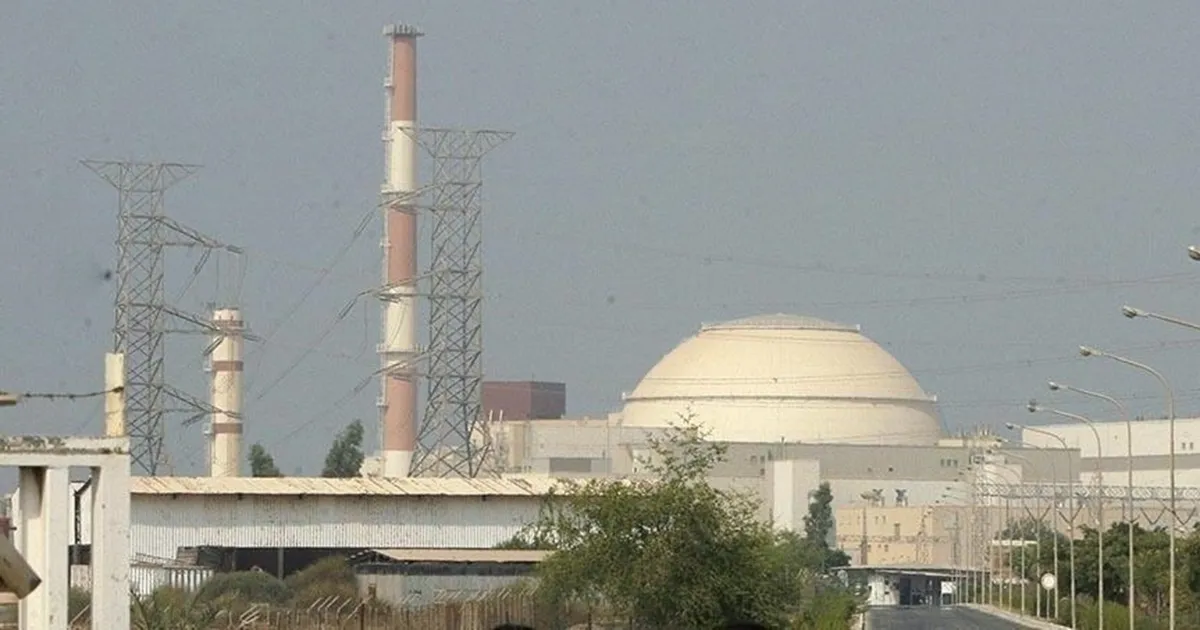
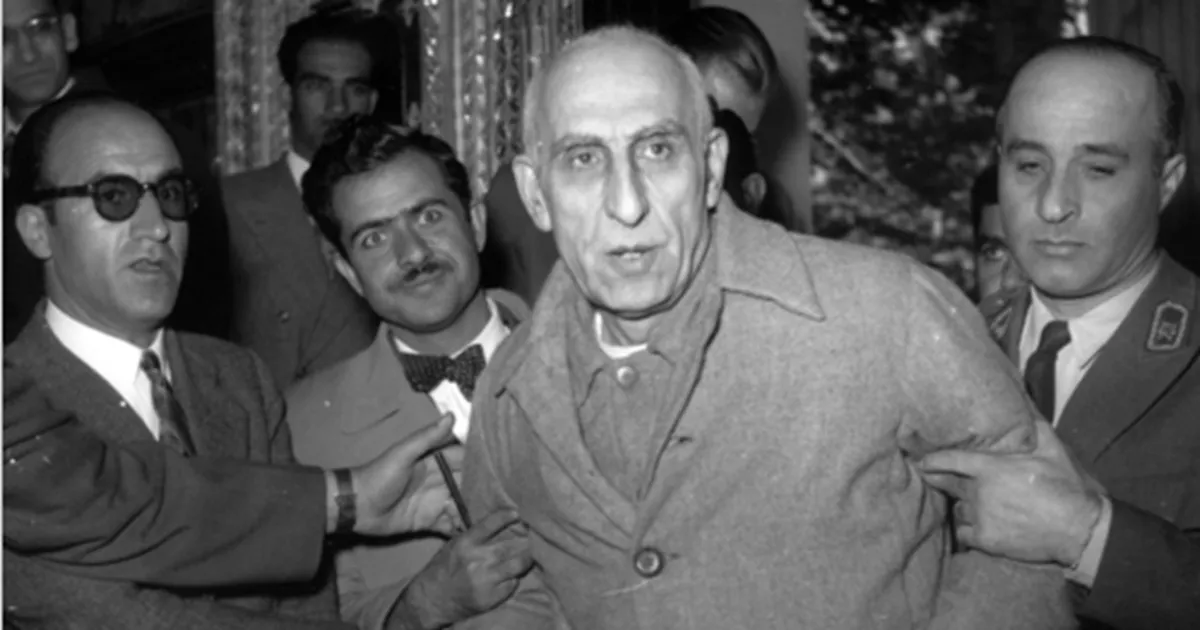
Recent statements by US President Donald Trump regarding the seizure of Iranian oil have sparked a wave of controversy, as he considered that these resources should generate huge sums of money for the American treasury. Trump threatened to destroy oil infrastructure if it could not be controlled, mimicking the scenario of pressure exerted on Venezuela. Tehran responded firmly, asserting that the Iranian people would stand against any attempts to plunder their national wealth.\n\nObservers believe that Trump's rhetoric is not a new invention, but rather a crude expression of a deeply rooted American policy that refuses to grant economic sovereignty to countries liberated from colonialism. Since the end of World War II, Washington and its European allies have sought to maintain colonial economic structures despite granting formal political independence. This was recognized early on by national liberation leaders such as Ghana's Kwame Nkrumah, who warned of the absence of true independence.\n\nThe Bandung Conference in 1955 represented the first major collective challenge from Asian and African countries against Western hegemony and the insistence on economic plunder. These countries demanded the inclusion of the right to economic self-determination in UN charters, which the United States fiercely opposed. Arab delegations from Syria, Iraq, and Saudi Arabia played a pivotal role in pushing for the entrenchment of this right as an integral part of human rights.\n\nHistorically, Washington has not hesitated to sponsor military coups to overthrow leaders who asserted sovereignty over their natural resources. Among the most prominent of these operations were the overthrow of Mohammad Mosaddegh in Iran in 1953 after he nationalized oil, and Jacobo Árbenz in Guatemala in 1954. Imperialist powers also targeted Gamal Abdel Nasser in Egypt after the nationalization of the Suez Canal through the Tripartite Aggression in 1956.\n\nIn Latin America, the coup against Salvador Allende in Chile in 1973 was a stark example of American intervention to protect commercial interests. Henry Kissinger justified this intervention with his famous statement in which he refused to let Washington stand idly by in the face of what he described as "reckless" choices by the people. These incidents reveal that the conflict has always revolved around who has the right to dispose of national wealth.\n\nBy 1962, Third World countries succeeded in extracting UN Resolution 1803, which affirms permanent sovereignty over natural resources. However, the United States continued to use its financial and military tools to undermine this principle on the ground. International institutions such as the IMF and the World Bank continued to act as tools to impose neoliberal policies that serve global capital.\n\nZimbabwe's experience is a unique model in confronting settler colonialism, where Robert Mugabe sought to reclaim lands seized by white settlers. His country faced harsh Western sanctions and media demonization campaigns as soon as the privileges of the white minority were touched. Despite the pressures, 80% of agricultural land was redistributed, leading to a rapid deterioration of relations with the United Kingdom.\n\nIn South Africa, the price of ending political apartheid was the retention of "economic apartheid." Imperialist powers ensured that the wealth of whites was not nationalized and redistributed to its rightful African owners. Thus, the African National Congress adopted neoliberal policies that preserved the interests of large corporations and international capital.\n\nComparing the Iranian and Venezuelan cases indicates a disparity in the ability to resist, as Tehran possesses military capabilities and a more cohesive systemic structure. While Washington succeeded in undermining the legitimacy of the Venezuelan government by supporting a loyal opposition, its similar attempts in Iran failed. Iran's military power plays a decisive role in deterring direct American and Israeli ambitions.\n\nAmerican policy towards Venezuela and Iran today reflects a historical continuity that is not linked to the identity of the president in the White House. Whether the administration is Democratic or Republican, protecting the interests of large corporations and controlling energy sources remains a top priority. What Trump is doing is merely removing the diplomatic mask from old and ongoing imperialist practices.\n\nWashington has used the "right of conquest" and international agreements to legitimize the plunder of peoples' resources from the 19th century to the present day. In many cases, international "aid" was linked to the extent to which developing countries committed to opening their markets and resources to foreign investments. Any attempt to deviate from this path was met with coups or suffocating economic sanctions.\n\nHistorical facts confirm that the "New International Economic Order" demanded by developing countries in the 1970s remained mere ink on paper. Western powers succeeded in thwarting proposals to promote economic equality and address historical injustices. Instead, the globalization system was strengthened, perpetuating the South's dependence on financial policies set by Washington and Brussels.\n\nIn conclusion, it appears that the plunder of Third World resources is the fundamental pillar upon which the contemporary American imperial system rests. Trump's "crude" statements are merely an echo of the policies of Kissinger and other architects of American hegemony over the past decades. The struggle for economic sovereignty remains the true essence of all political and military conflicts witnessed in the region and the world.\n\nThe US plunder of Third World resources is not a new development, but a continuation of imperialist policies since World War II.

ANALYSIS
Mon 27 Apr 2026 7:08 pm - Jerusalem Time
Plundering 'Third World' Resources: A Fleeting Trump Policy or an Entrenched American Strategy?

Tags
MORE FROM ANALYSIS

Share your opinion
Plundering 'Third World' Resources: A Fleeting Trump Policy or an Entrenched American Strategy?