






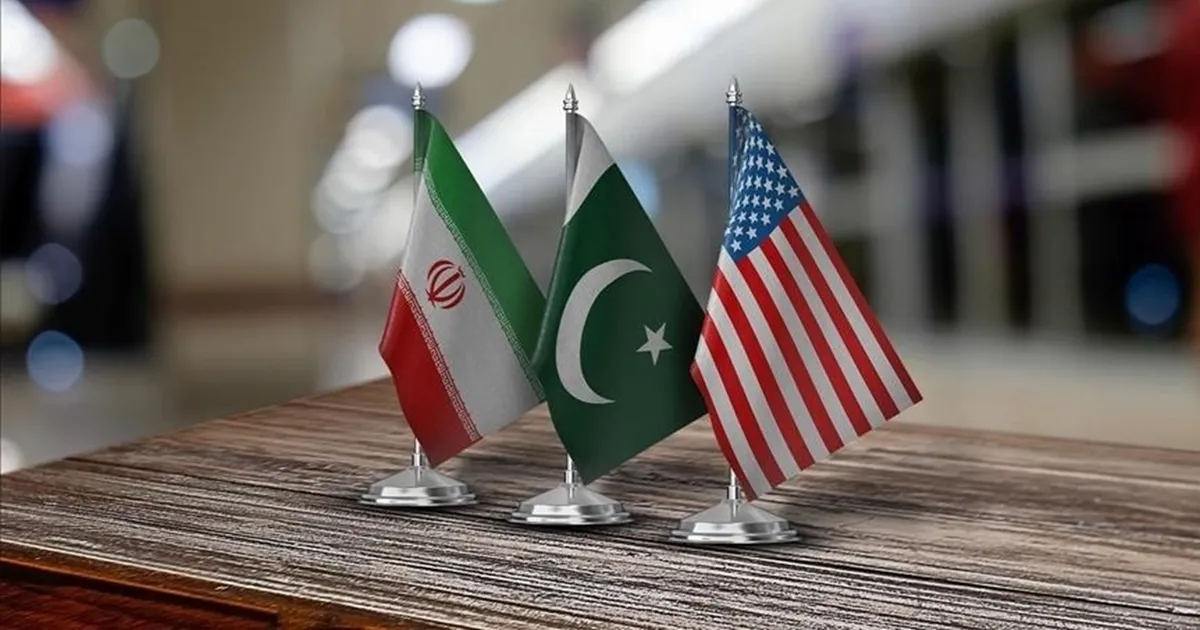
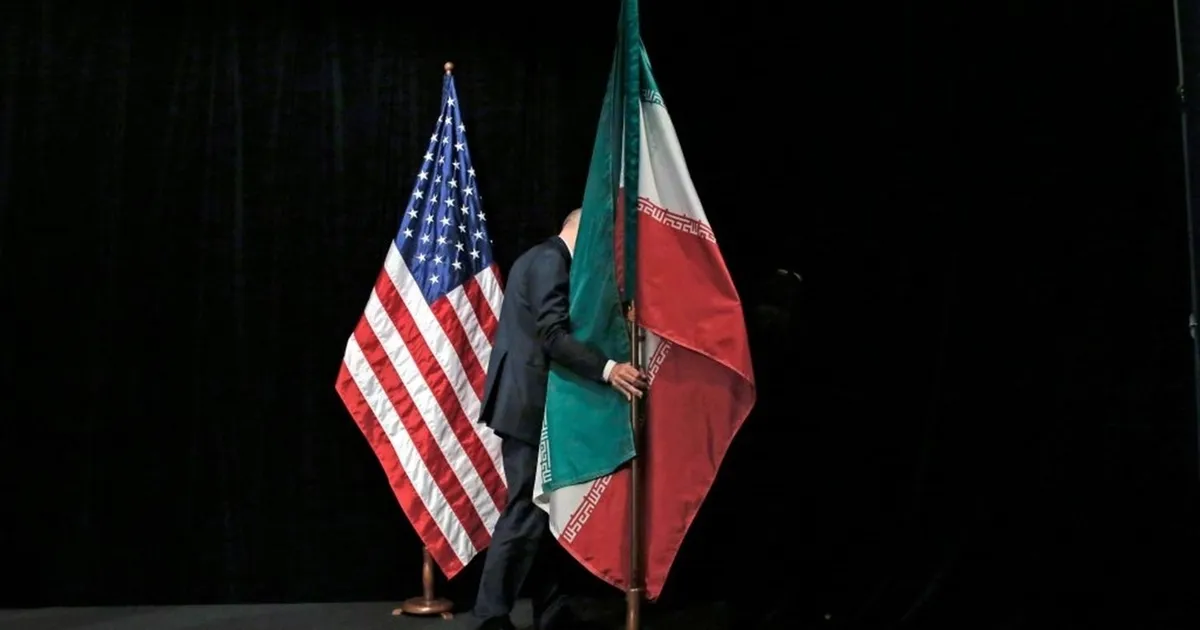
US-Iranian relations entered a new turning point with the expiration of the 15-day ceasefire deadline, as Tehran refused to return to direct negotiation talks called for by President Donald Trump. Despite this refusal, the White House initiated an open extension of the truce, a step indicating Washington's desire to avoid direct military confrontation for now, and instead rely on an 'economic strangulation' strategy.
The current American plan revolves around tightening the naval blockade in the Strait of Hormuz to prevent the flow of Iranian oil and dry up the country's financial resources, with the aim of forcing the Iranian leadership to submit to international conditions. Washington's current demands primarily focus on the enrichment file, calling for a halt to nuclear operations and the surrender of 60% enriched uranium stockpiles, with a relative decrease in the intensity of demands related to ballistic missiles and regional influence.
Considering historical experiences in the region, Tehran seems to recall the scenarios of Iraq and Libya as harsh lessons about the consequences of conceding strategic power cards. Libya's concession of its nuclear program in 2004 did not protect Gaddafi's regime from later falling due to NATO intervention, which reinforces the conviction among Iranian decision-makers that abandoning nuclear capabilities could open the door to comprehensive destruction of the country rather than protecting it.
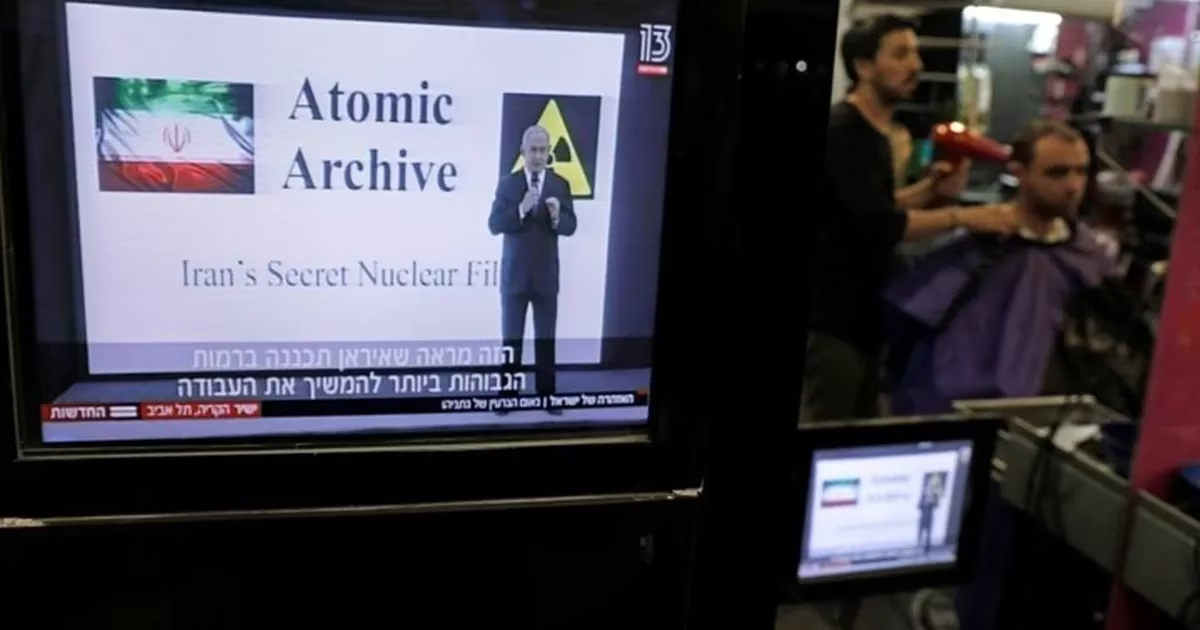
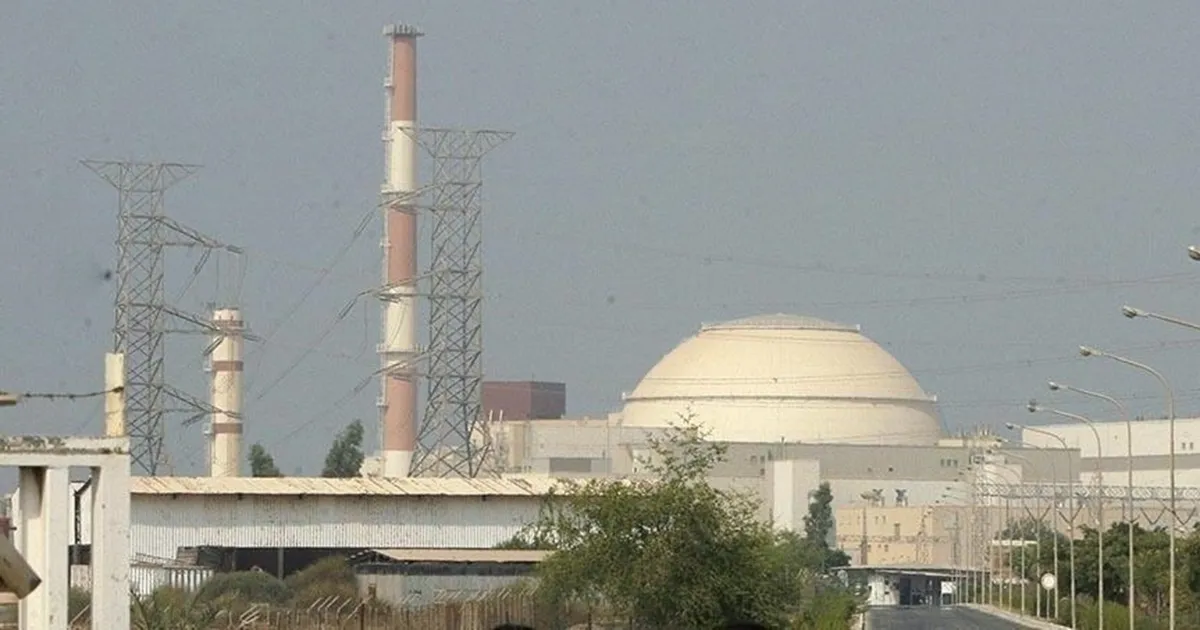
Field data indicates that Iran currently possesses about 460 kilograms of highly enriched uranium, a quantity sufficient to produce about 11 atomic bombs according to technical estimates. This stockpile represents the ultimate 'deterrent shield' in the face of continuous threats, especially after the strikes on Iranian facilities in June 2025 and what was known as the Forty-Day War, which proved Tehran's need for a game-changing weapon.
Previous confrontations have shown that reliance on conventional missiles and drones, despite their effectiveness in inflicting losses on enemies, has not succeeded in stopping the spiral of intermittent wars that drain Iranian infrastructure. Warnings are escalating that continuing on this path without possessing a deterrent nuclear weapon, similar to the North Korean model, will leave the country vulnerable to successive waves of systematic destruction under various pretexts.
Ultimately, Iran finds itself facing two bitter choices; either accepting American conditions that mean stripping it of its scientific and sovereign capabilities, or moving forward in a race against time to acquire nuclear weapons. Without achieving this balance of terror, the region will remain hostage to the power and tyranny policies practiced by major powers and their allies, threatening to plunge the country into an endless spiral of wars.
Possessing nuclear weapons has become an urgent necessity to achieve deterrence and force Washington and Tel Aviv to stop the series of systematic wars against Iranian capabilities.



Share your opinion
Between the Option of Nuclear Deterrence and the Spiral of Attrition: A Reading of the Trajectory of the US-Iranian Confrontation