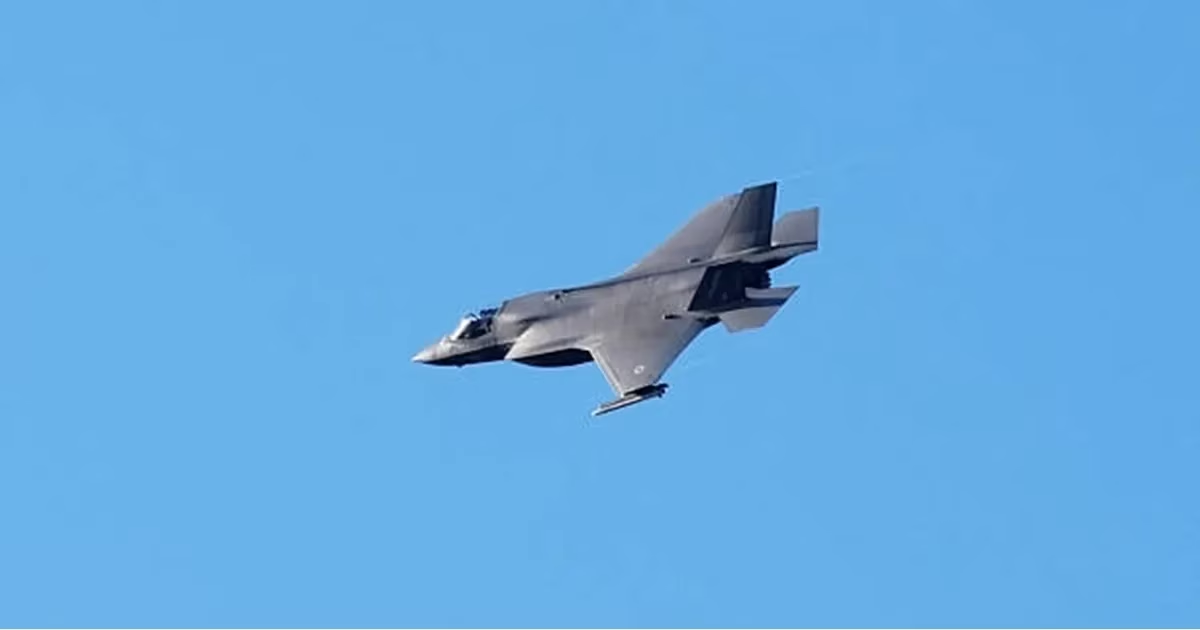







As the war on Iran enters its sixth week, the strategic question arises about the trajectory of this confrontation and its future in light of the complex field data. Tehran has managed to absorb the initial military shock, thwarting the bets on a quick resolution promoted by US President Donald Trump and Israeli Prime Minister Benjamin Netanyahu.
Current indicators confirm that the Iranian regime has not fallen nor has it submitted to the new American conditions, and the bet on street movements or the activity of separatist organizations has not achieved the desired results. This resilience has put the American administration in front of difficult choices, especially with the Iranian military power remaining active and capable of maneuvering.
Today, the war faces three main paths: either a unilateral American declaration of the end of operations, reaching an agreement through difficult negotiations, or continuing to escalate and expand the scope of the conflict. Although a political solution remains the most likely path in the long run, current data does not support this direction soon.
There are factors that might push Trump to consider ending the war, including internal pressures and severe economic consequences, especially the threats facing energy supplies through the Strait of Hormuz. However, these pressures do not seem sufficient to force the White House to retreat, especially given its commitment to Israel's security.
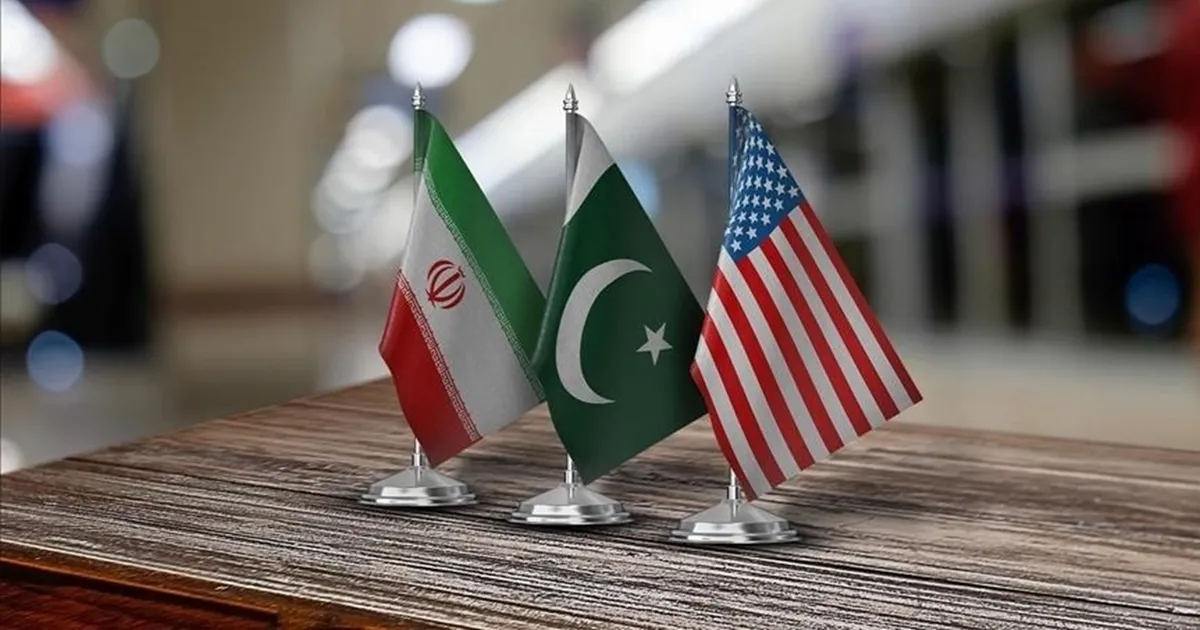
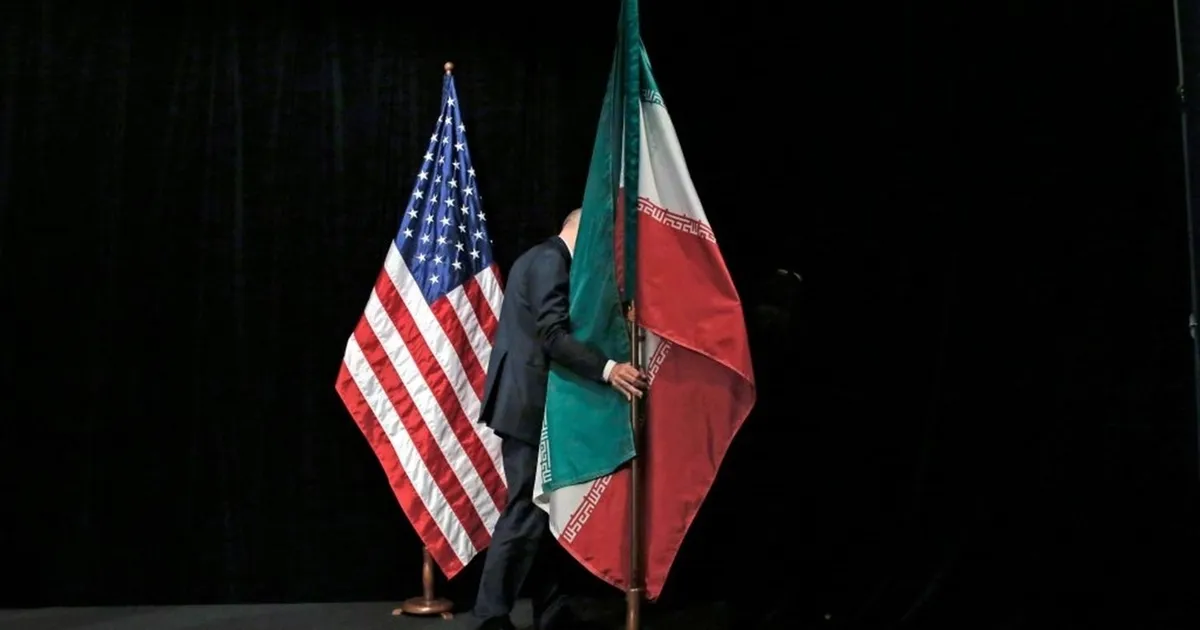
The negotiation path, however, seems stalled due to the absence of common ground and mutual distrust between Washington and Tehran so far. Despite mediation efforts by regional countries such as Turkey, Egypt, and Pakistan, mutual messages have hit a dead end due to reciprocal conditions.
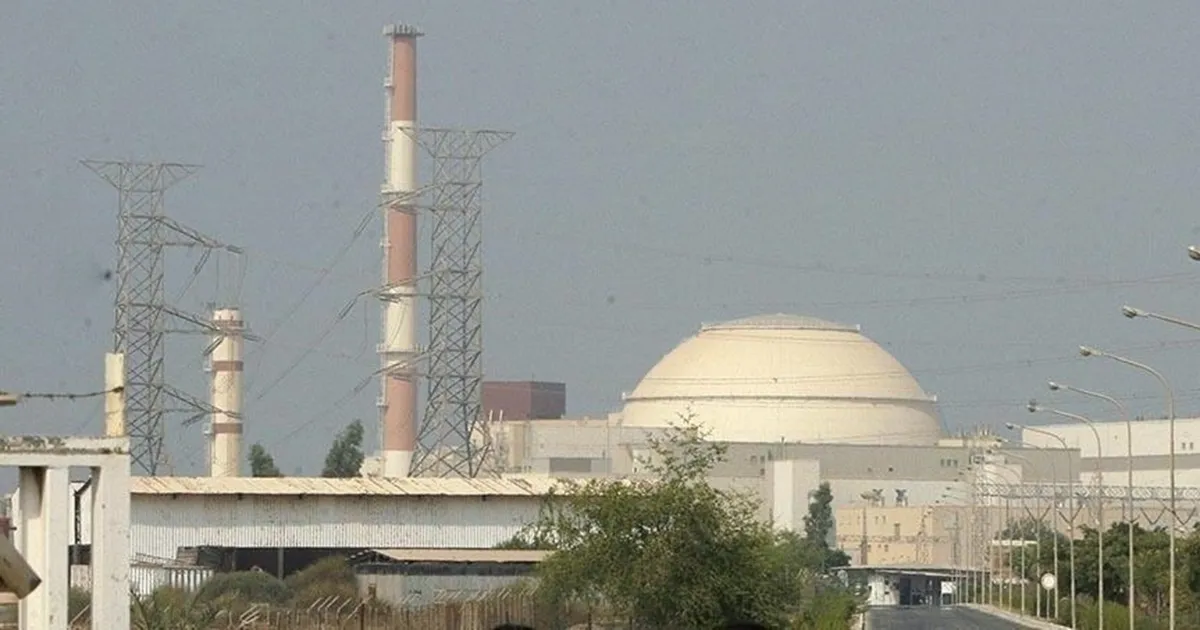
The first factor driving escalation is the failure to achieve the stated strategic objectives of the war, primarily undermining Iran's nuclear and missile program. From a military perspective, stopping operations now means admitting failure to change Tehran's regional behavior or overthrow its political system.
The second factor relates to the 'narrative of victory,' where both Trump and Netanyahu need to present a tangible achievement to their domestic fronts before any electoral challenges. Stopping at the current situation does not give either of them a chance to claim a decisive victory, which makes them lean towards the option of continuing to extract greater concessions.
The multiplicity of fronts constitutes the third factor complicating the scene, with Lebanese Hezbollah and other forces in the region effectively entering the confrontation. This interconnectedness between fronts makes any bilateral agreement between Washington and Tehran difficult to achieve without addressing intertwined and highly sensitive regional issues.
In contrast, Iran's internal and leadership situation shows unexpected cohesion after the initial strikes, which gave it the ability to regain the initiative. The Iranian leadership believes that continued attrition may strengthen its negotiating cards, especially regarding global economic pressure by disrupting maritime navigation.
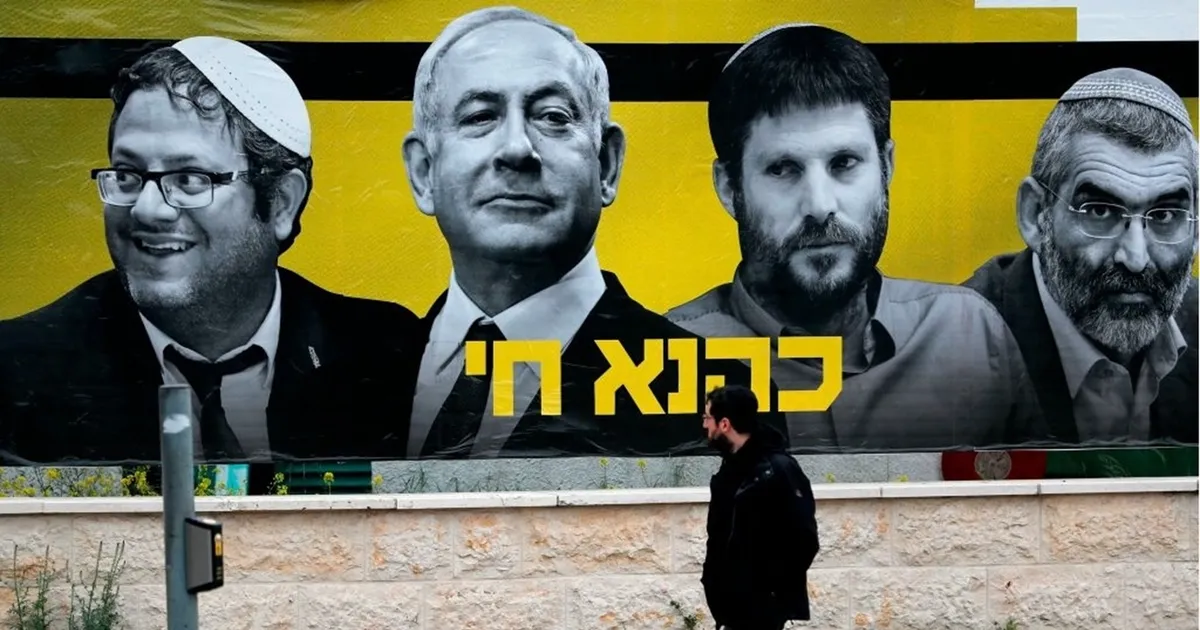
The fifth and final factor is the Israeli position, which fears any sudden 'flip' in President Trump's decisions. Netanyahu is striving with all his might to ensure the continuation of military momentum and narrow diplomatic options, fearing an agreement that does not fully meet Israeli security aspirations.
The divergence of interests between Washington and Tel Aviv regarding the conditions for ending the war opens the door for further field escalation to impose new realities. Israel is pushing to exploit the historic opportunity to strike Iranian capabilities in an irreparable way, which requires more time than the deadline Trump might grant.
Regionally, neighboring countries are watching the outcomes of this conflict with extreme caution, fearing a slide into a comprehensive regional war that spares no one. The international isolation that Washington suffers in this war further complicates the situation, but it has not prevented it from continuing military pressure so far.
Considering these combined factors, the chances of de-escalation seem very slim in the foreseeable future, and the likely scenario is an increase in the intensity of mutual strikes. The absence of direct and effective communication channels makes military miscalculation a potential spark for expanding the scope of the confrontation to include other international parties.
In conclusion, the war on Iran is likely to continue and escalate regardless of verbal threats or announced deadlines. The current scene indicates that the two aggressor parties are stuck in a strategy that does not guarantee them a quick victory, while Tehran is betting on the factor of time and the attrition of its adversaries.
Iran realizes that it cannot defeat the United States militarily, but Washington and Tel Aviv are also incapable of achieving a decisive and complete victory.
Share your opinion
Five Motivations That Favor Escalation in the Military Confrontation with Iran