






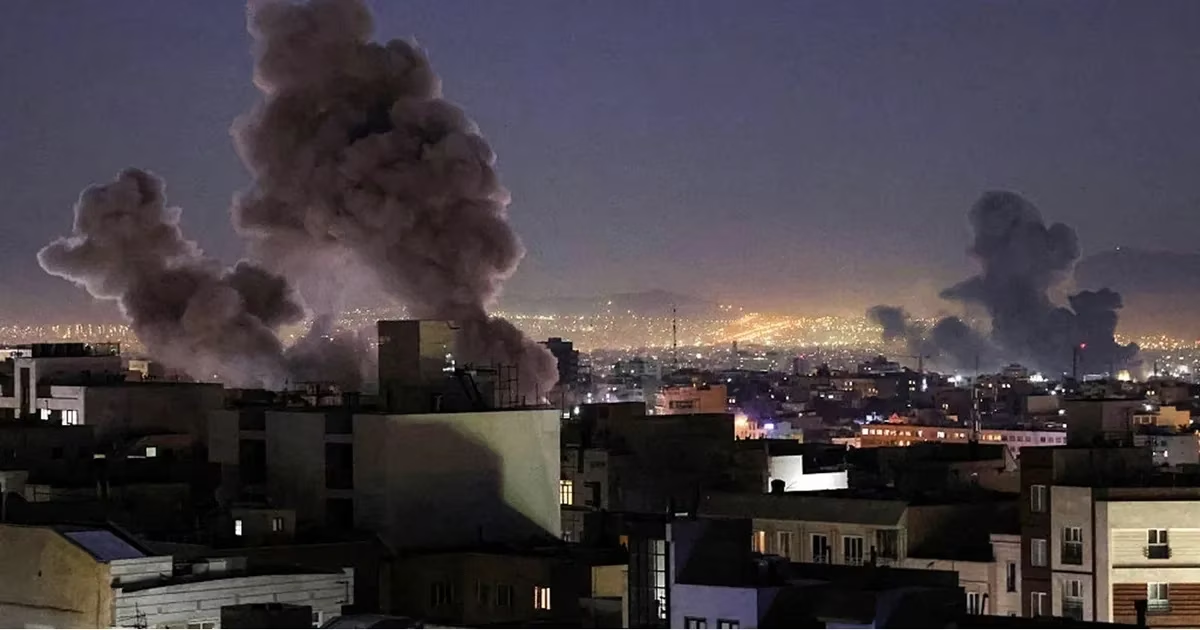
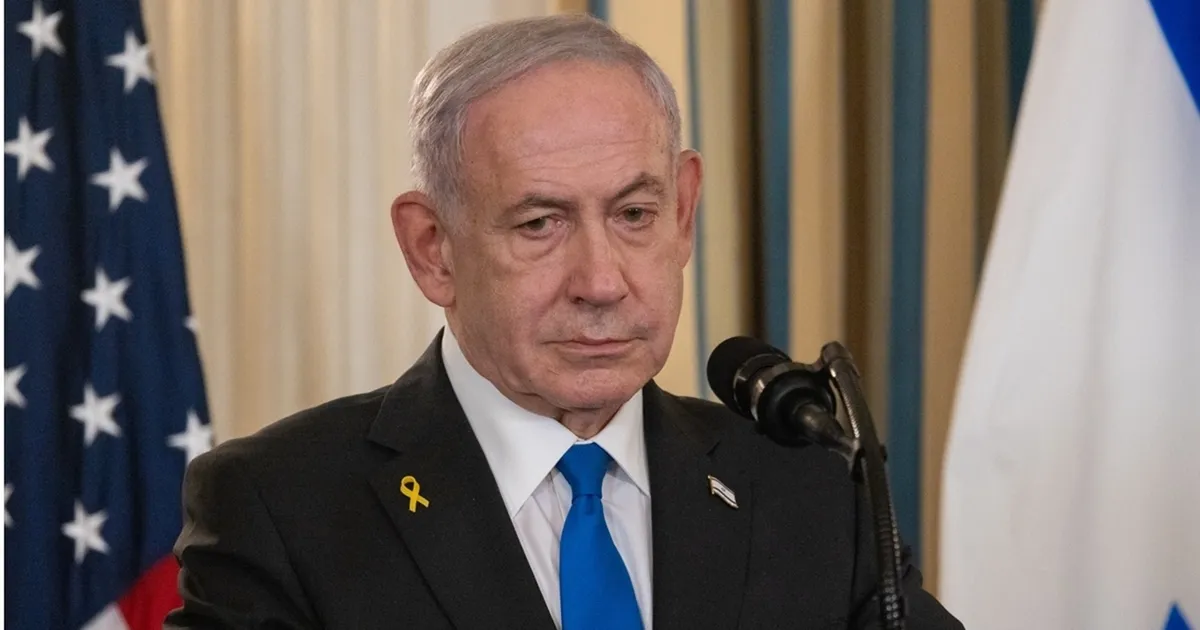
Former Israeli Minister of Regional Cooperation, Tzachi Hanegbi, presented his interpretation of the ongoing military confrontation with Iran, one month after its outbreak. Hanegbi noted that the region is awaiting April 6th, the deadline set by US President Donald Trump for his ultimatum to Tehran to comply with American conditions.
Hanegbi explained in an analysis published by the Hebrew newspaper 'Yedioth Ahronoth' that the language of the American ultimatum was decisive and presented the Iranian leadership with two choices: either accept the dictates or face violent military strikes. The former minister leaned towards escalation, considering that the political doctrine of the Iranian regime historically tends towards confrontation rather than direct submission to external demands.
In his assessment of field achievements, Hanegbi affirmed that joint military operations between Israel and the United States succeeded in carrying out a systematic attack targeting Iran's traditional security infrastructure. These strikes included air defense systems, ballistic missile production factories, as well as intelligence, communications, and cyber facilities belonging to Tehran.
The former Israeli official also pointed to severe damage to Iran's internal security structure, directly targeting the regime's powerful arms such as the Revolutionary Guard, the Basij forces, and the police. He considered that these strikes were not limited to the material aspect but also affected the political, military, and intelligence leadership, causing confusion in Iranian decision-making circles.
On the political front, Hanegbi believed that the current war pushed the alliance between Tel Aviv and Washington to unprecedented levels of coordination and rapprochement. He described the current relationship as the strongest in the history of the two countries, pointing to open and direct communication channels with senior officials of the Trump administration, including Vice President Pence and national security ministers.
The article touched upon the secret and sensitive military cooperation that has developed in recent months, considering it a multiplier of the strategic power of both countries. Hanegbi affirmed that this model of joint work could form the basic pillar for any future security alliances in the region to confront common threats.
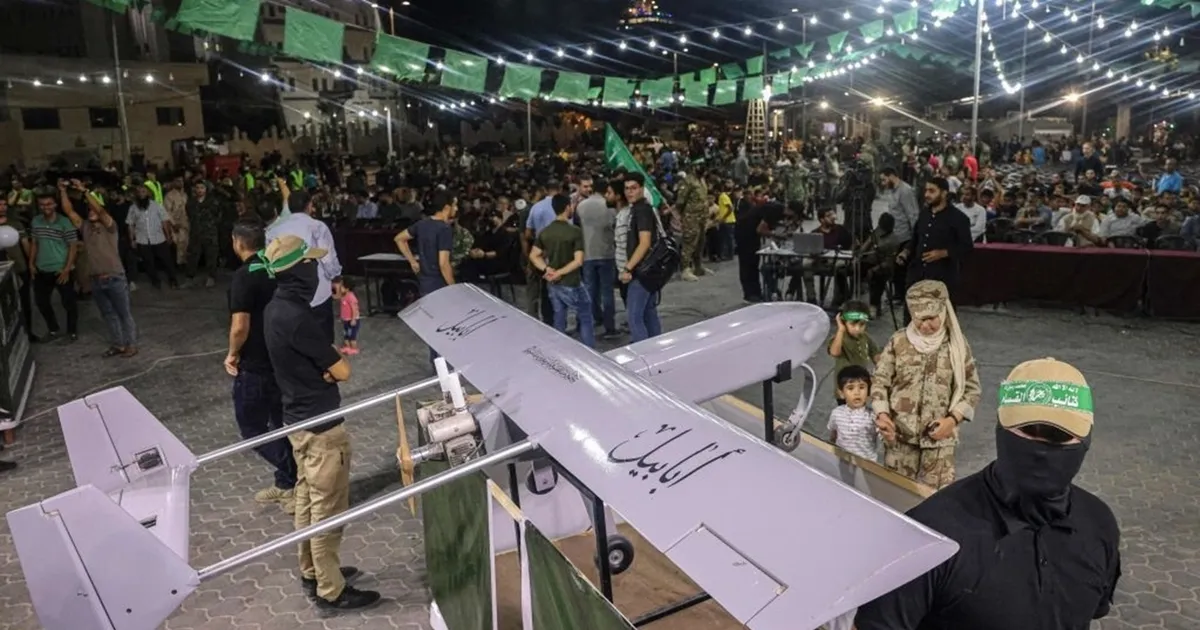
Regarding air defense, Hanegbi praised the success achieved by Israeli and American systems in intercepting aerial threats, describing the results as record-breaking. He commended the discipline shown by the Israeli public, which effectively contributed to reducing the number of casualties despite the intensity of missile and drone attacks.
Conversely, Hanegbi did not overlook what he described as 'enemy achievements,' noting that the opening strike unexpectedly contributed to solidifying Mojtaba Khamenei's position as the new Supreme Leader. He considered that the assassination of his father Ali Khamenei and the election of the son who survived the attack strengthened the regime's legitimacy at a critical moment, despite previous expectations of internal conflicts.
On the geopolitical level, the former minister believed that Iran succeeded in exploiting its control over the Strait of Hormuz to enhance its image as a regional power capable of challenge and maneuver. He pointed to the failure of adversaries to impose heavy costs on Iranian movements in waterways, which gave Tehran additional leverage in negotiations to end the conflict.
Regarding the Lebanese issue, Hanegbi expressed his surprise at Hezbollah's ability to recover quickly despite the severe blows it suffered in Operation 'Northern Arrows.' He affirmed that the party's continued launching of missiles and drones proves that the ceasefire agreement signed in November 2024 did not achieve the desired security for the northern settlements.
The analysis also pointed to the success of Iranian repressive mechanisms in preventing any internal protests despite immense military and economic pressures. Hanegbi considered that the regime skillfully managed to turn the funerals of its leaders into massive demonstrations to renew loyalty to its policies, which thwarted external attempts to mobilize the Iranian street during the Nowruz holidays.
Hanegbi warned of Tehran's success in establishing what he described as a 'balance of terror' with its neighbors in the Gulf and European countries, where there is a state of hesitation in taking offensive stances against it. He explained that Saudi Arabia and the UAE, despite their implicit desire to weaken Iran, fear direct missile responses on their territories.
The former minister criticized the Trump administration's inability so far to rally a broad international and Arab coalition similar to the alliances led by Presidents Bush and Obama in previous campaigns. He believed that this shortcoming could lead to the international isolation of the United States, especially with increasing concerns about the impact on global energy supplies due to the ongoing conflict.
Hanegbi concluded his vision by emphasizing that the current balance of power remains mixed, and that resolution depends on Washington's determination to fulfill its promises to end the Iranian threat. He stressed that the coming weeks will be crucial in determining whether military achievements will translate into long-term strategic gains or remain just another round of conflict.
The Iranian regime has always preferred vague threats of virtual hell over complete submission to tangible dictates, so it can be assumed that escalation is inevitable.



Share your opinion
Former Israeli Minister Reviews a Month of Confrontation with Iran: Mutual Achievements and Imminent Escalation