






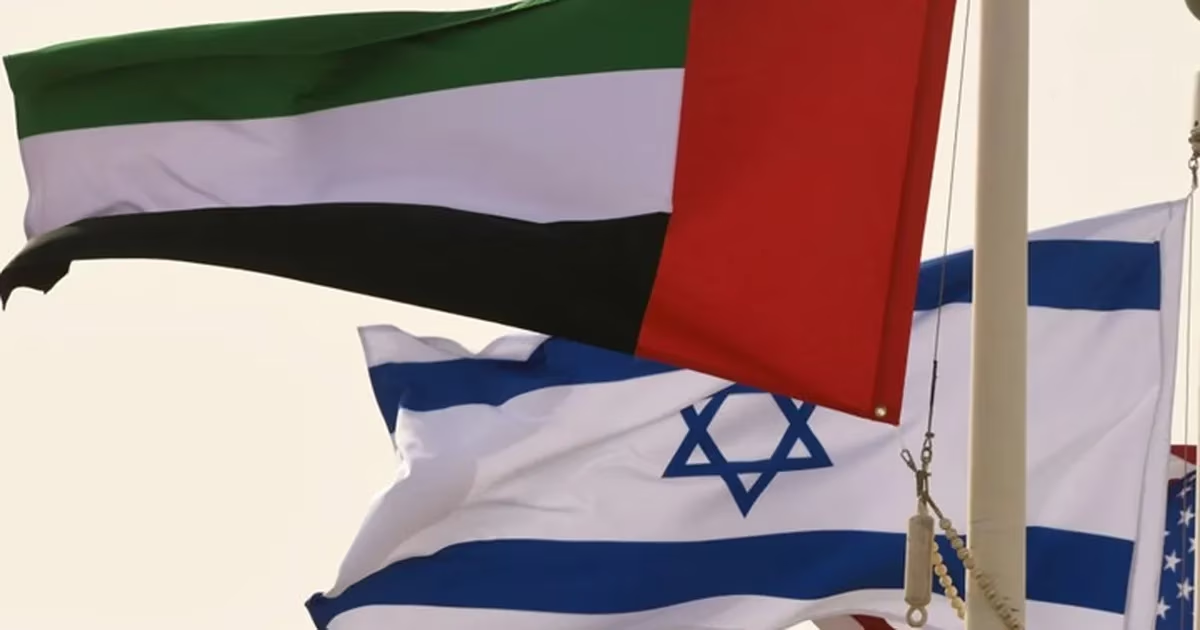
Dr. Anwar Gargash, Senior Political Advisor to the President of the UAE, revealed major strategic shifts in the structure of regional relations following recent military confrontations with Iran. Gargash explained that Israel's role in the Arabian Gulf region is poised to grow and strengthen, considering that repeated Iranian attacks have contributed to reshaping the balance of power and identifying the true sources of threat to Gulf states.
The high-ranking Emirati official, during an interview with an American research center, pointed out that the current ground reality necessitates overcoming the stereotypical ideological images that prevailed in past decades. He stressed that his country views Iran as the biggest and most direct threat to its national security, citing missile and drone attacks that targeted Emirati territory in the past.
In the context of maritime security, Gargash announced the UAE's readiness to actively participate in any international effort aimed at securing freedom of navigation in the strategic Strait of Hormuz. He affirmed that these efforts must be led by the United States of America, with the necessity for regional and European countries to bear their responsibilities in protecting vital waterways for the global economy.
The Emirati advisor expected the coming phase to witness a tangible improvement in relations between Israel and a group of Gulf states, including those that currently do not have official diplomatic representation with Tel Aviv. Gargash believes that the desire to develop defensive and technological capabilities will push additional countries towards building strategic partnerships with the Israeli side to confront common challenges.
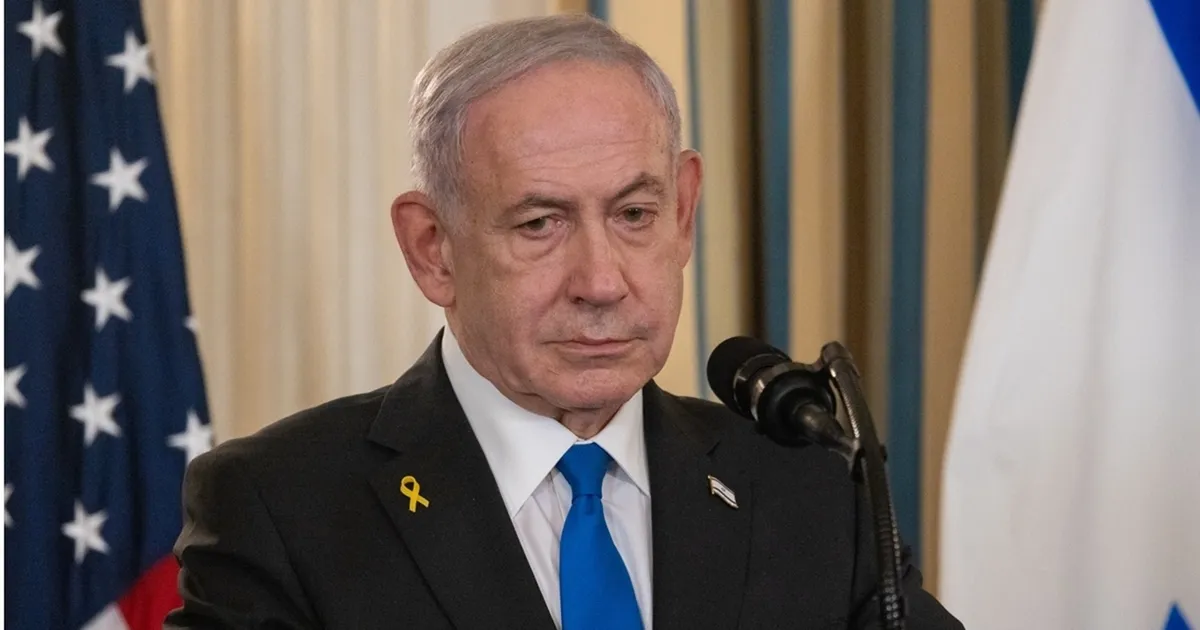
For its part, media sources quoted Israeli Prime Minister Benjamin Netanyahu's continuous emphasis on building new regional alliances that go beyond currently existing agreements. These statements align with what Israeli Foreign Minister Gidon Sa'ar said, who expected the relationship with Abu Dhabi to transform into an official and comprehensive alliance very soon.
Regarding the American role, Gargash denied any decline in Washington's influence in the region as a result of recent wars, but rather considered that the need for the American security umbrella has been further strengthened. He explained that despite some technical criticisms of certain defense systems, the recent Iranian attack proved the centrality of the American role in maintaining regional stability.
In contrast, a gap emerges in Gulf positions regarding this shift, as reports indicated a contradiction between Gargash's vision and the official Qatari stance. While the UAE views Israel as a security partner, Doha still describes Israel as a regional threat and calls for greater security independence away from total reliance on external powers.
Gargash touched upon the Palestinian-Israeli conflict file, expressing hope that the two-state solution option will remain viable in the long term despite current complexities. He warned against the escalation of conditions in the West Bank, recalling the warnings previously issued by the UAE regarding any attempts to annex parts of the occupied Palestinian territories.
Regarding the future of the Gaza Strip, the Emirati official expected continued work on specific political tracks, including the twenty-point plan proposed by the previous US administration. He affirmed that regional stability requires a comprehensive vision that ends armed conflicts and opens the door for broad economic and security cooperation involving all active parties.
Observers believe that Gargash's statements reflect an Emirati desire to accelerate the pace of regional integration of Israel as part of an integrated air and naval defense system. This system aims to repel missile and drone attacks launched from Iranian territory or through its proxies in the region, thus transforming the alliance from its political nature to an operational military one.
Gargash also stressed that collective responsibility for Gulf security requires unprecedented coordination between Gulf capitals and international powers, considering that global energy security is organically linked to the stability of this region. He added that the UAE will continue its role as a key player in formulating these new security understandings that ensure the flow of global trade without threats.
Regarding the Levant, Gargash explained that Israel may still be classified there as a major threat due to the nature of the border and political conflict, but calculations in the Gulf differ fundamentally. This geographical and political distinction reflects Emirati pragmatism in dealing with regional issues, where conflict paths are separated based on the direct security interests of each region.
Gargash concluded his remarks by emphasizing that the UAE always seeks to reduce tensions, but at the same time will not hesitate to build the necessary alliances to protect its sovereignty. He pointed out that advanced Israeli defense technology is an attractive element for many countries seeking to fortify themselves against unconventional threats that have emerged in recent wars.
These developments come at a time when the region is witnessing intense diplomatic activity to redraw the map of alliances, amid international anticipation of the outcome of the new security understandings. The biggest challenge remains how these countries will balance their security ambitions with historical commitments towards the Palestinian issue, which still constitutes an obstacle to full popular normalization.
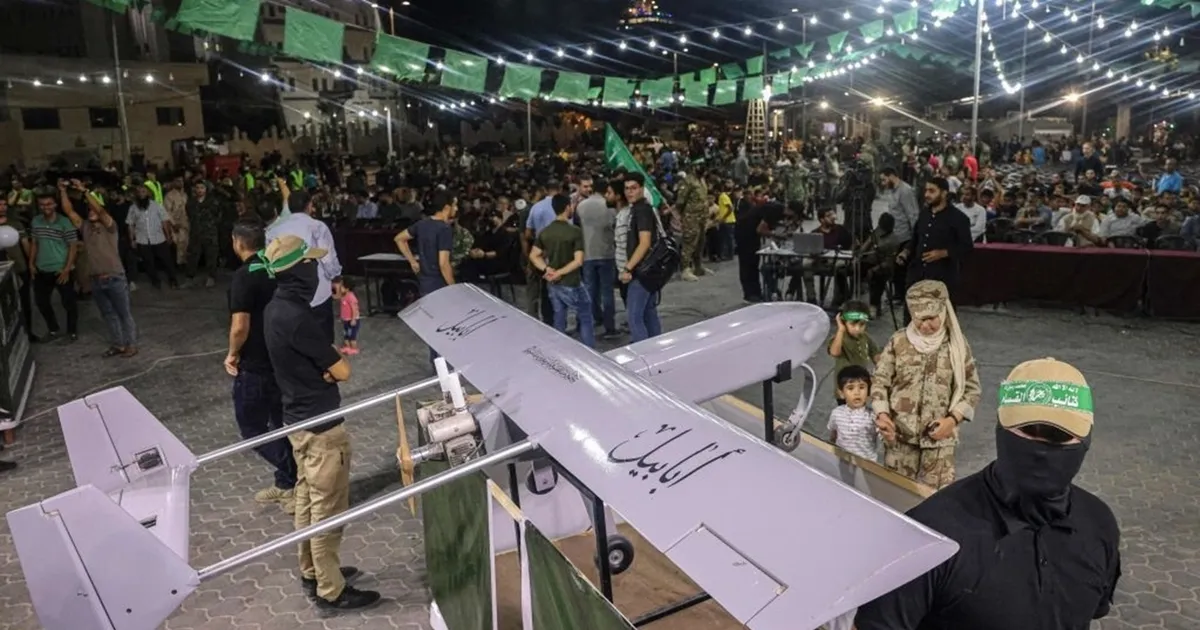
It is Iran, not Israel, that launches thousands of rockets and drones at the UAE.



Share your opinion
Gargash: Confrontation with Iran strengthens strategic alliance between Gulf states and Israel