






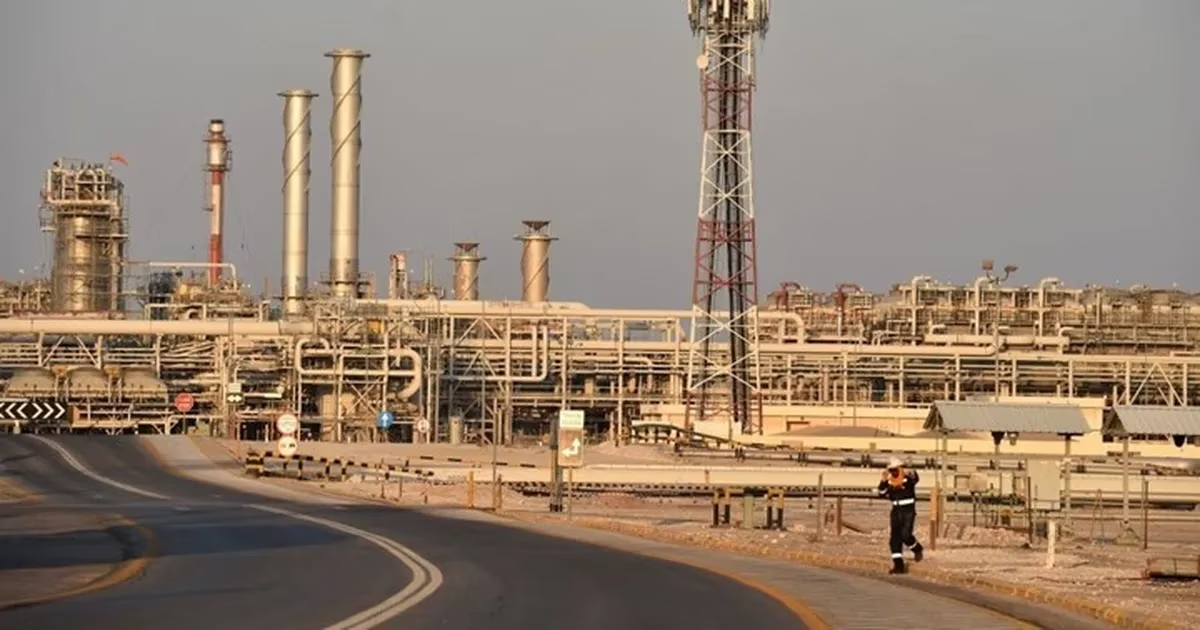
The region has witnessed an unprecedented military escalation, as Iranian authorities issued official warnings demanding the evacuation of a number of vital oil facilities in three Gulf countries. These warnings included workers and residents near those sites in Saudi Arabia, the United Arab Emirates, and Qatar, confirming that these facilities have become imminent military targets.
Iranian official media published a list of targeted sites, which included the 'Samref' refinery and the Jubail petrochemical complex in Saudi Arabia, in addition to the 'Al-Hosn' gas field in the UAE. The threats also included prominent Qatari facilities, including the Mesaieed petrochemical complex and the strategic 'Ras Laffan' refinery, which caused a state of widespread security alert in the region.
In a swift field response, the Saudi Ministry of Defense announced that air defense forces were able to intercept and destroy two ballistic missiles launched towards the Eastern Province. These developments come amid escalating tension after a series of mutual attacks targeting energy infrastructure in the region in the past few days.
Informed sources reported that evacuation operations have already begun at the liquefied natural gas facilities in the 'Ras Laffan' area in Qatar, in response to serious Iranian threats. This precautionary step aims to secure human resources and ensure the reduction of losses in the event of the attacks threatened by Tehran in response to the targeting of its national facilities.
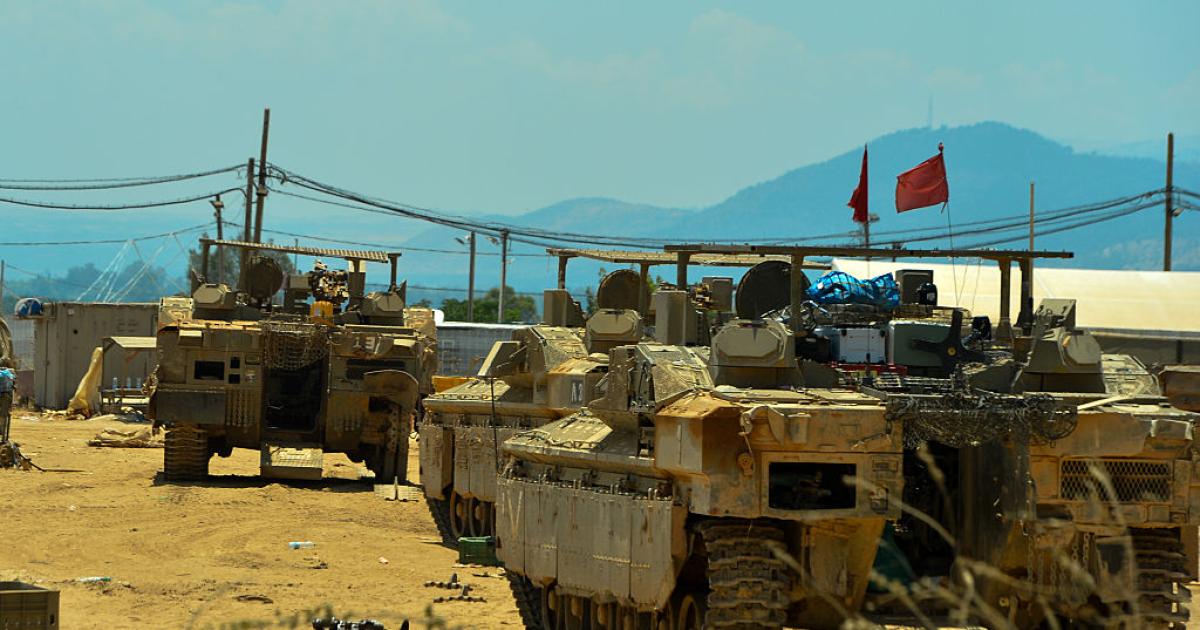
Earlier, the occupation air force carried out a widespread attack targeting the 'Pars' natural gas processing facility in the Bushehr region of southern Iran. Media reports confirmed that the strike was carried out in full coordination with the United States of America, and resulted in the destruction of huge warehouses and severe damage to the civilian infrastructure of the Iranian economy.
This strike is the second of its kind within a week, as previous raids targeted major oil tanks in the capital, Tehran. These military operations, according to observers, aim to exert maximum pressure on the Iranian fuel sector and paralyze its ability to export and meet domestic consumption.
For its part, Iranian sources stated that huge explosions were heard in the vicinity of the 'South Pars' gas field in the Asaluyeh region, as a result of the shelling carried out by the occupation. The sources indicated that rescue and firefighting teams are working hard to control the fires raging in various stages of gas processing, while employees have been moved to safe shelters.
Tehran explicitly threatened that all energy infrastructure serving American and occupation interests in the region would be legitimate targets for its armed forces. News agencies quoted a military source as saying that targeting the Asaluyeh field represents a 'war crime' that will not go unanswered with a devastating response that will affect the energy lifeline in the region.
On the global markets, Brent crude prices jumped sharply to exceed the $104 per barrel barrier, driven by fears of disruption to global energy supplies. Markets were affected by direct threats to Gulf facilities, which overshadowed news of Iraq resuming oil exports via Turkish pipelines.
Brent crude futures recorded a 0.6 percent increase, reaching $104.02 per barrel, despite the volatility witnessed in the session at its beginning. In contrast, US West Texas Intermediate crude saw a slight decrease, reflecting the disparity between contracts focused on the American market and those linked to international maritime disturbances.
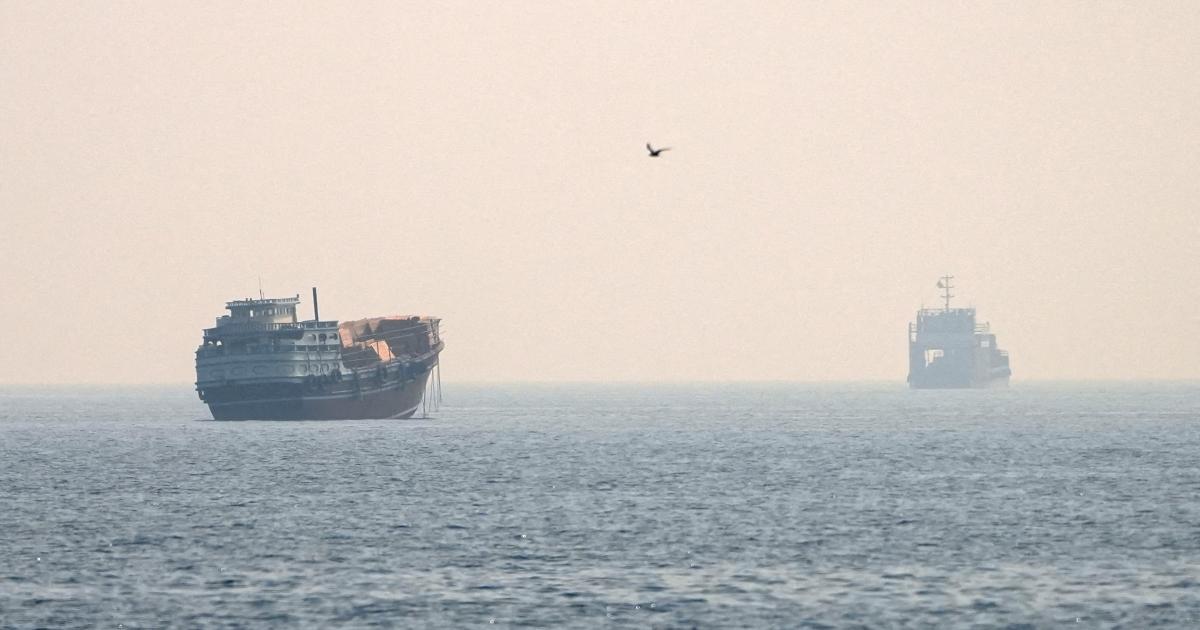
Economic analysts believe that the current tensions in the Strait of Hormuz have significantly reduced global oil supplies, as about one-fifth of global production passes through the strait. The deteriorating security situation has effectively closed the strait to tanker traffic, causing a suffocating supply crisis for importing countries.
In Iraq, sources in the North Oil Company revealed attempts to resume exports via the Ceyhan pipeline after an agreement between Baghdad and the Kurdistan Region. However, production from Iraq's southern fields continues to suffer a sharp decline, reaching 70 percent, with production not exceeding 1.3 million barrels per day due to navigation disruptions.
Energy experts confirmed that the easing of pressure on supplies remains very limited, given that current Iraqi production represents only one-third of pre-crisis levels. Tanker movement through the Strait of Hormuz remains the decisive factor in determining price trends in the coming days, in the absence of any signs of military de-escalation.
Global capitals are awaiting the coming hours with extreme caution, amid fears of an all-out energy war that could lead to a collapse in global supply chains. International diplomatic contacts continue in an attempt to contain the situation, although field indicators point to the approaching zero hour for the implementation of mutual threats.
These sites have become direct and legitimate targets, and will be targeted in the coming hours, so everyone is requested to leave these areas immediately.


Share your opinion
Threat of an all-out confrontation: Iran threatens to strike oil facilities in the Gulf, and oil jumps above $104