






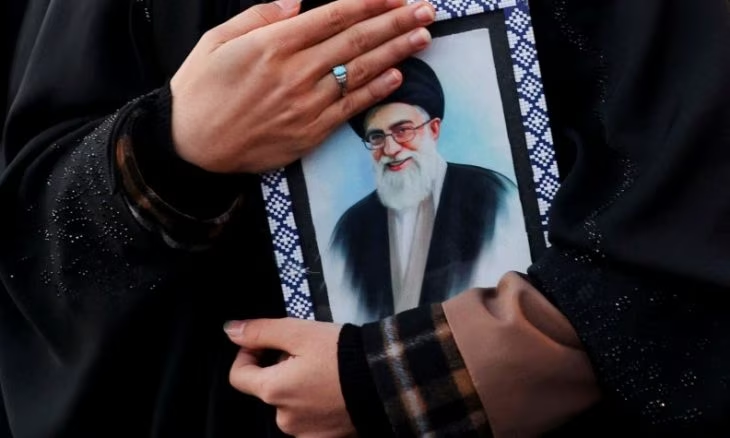
Hebrew press sources revealed complex details of a wide-ranging military operation that targeted the top leadership in Iran, where the attack was carried out in a record time of no more than 40 seconds. The operation, designed to be the 'opening blow' in a major confrontation, relied on golden intelligence that arrived at the last moments before the planes took off, leading to a modification of the target bank to directly include Supreme Leader Ali Khamenei.
The story began with high-level coordination between the Israeli army and the US Central Command (CENTCOM), where the attack was scheduled to take place on Saturday evening, coinciding with a meeting of the Supreme Defense Council. However, an intelligence breakthrough revealed that the meeting had been moved forward to the morning, necessitating a comprehensive mobilization to advance the take-off time of the air squadrons by about 12 hours to maintain the element of surprise and paralyze the regime's ability to respond.
In this operation, the air force used advanced 'ROCKS' ballistic missiles, secret weapons launched from F-15 aircraft from long distances to avoid Iranian air defense systems. These missiles hit their targets with extreme precision in the heavily guarded 'Pasteur' complex south of Tehran, targeting the meeting hall, the Leader's residence, and his military office simultaneously.
Intelligence information confirmed that Ali Khamenei was not in the fortified underground bunker, but rather in his above-ground home at the moment of the explosions. Analysts suggest that the Leader's stay in his home was due to a desire to avoid internal criticism that described him as 'hiding' during previous escalation rounds, which presented a historic opportunity for the attackers.
The strike was not limited to the Pasteur complex but also included the Ministry of Intelligence building, which was hosting a high-level meeting of senior security officials. This geographical and temporal synchronization between the meetings enabled the attackers to deliver a devastating blow to the Iranian leadership structure, causing widespread chaos within the regime, which lost its leadership compass in moments.
The list of assassinations revealed included prominent names, led by Ali Khamenei, Ali Shamkhani, Secretary of the Supreme National Security Council, and Mohammad Fakhrpour, commander of the Revolutionary Guard. The list also included acting Defense Minister Aziz Nasserzadeh, Armed Forces Commander Abdolrahim Mousavi, in addition to heads of intelligence departments and officials responsible for sensitive nuclear and missile projects.
Reports indicate that Israel used innovative technology to track the leaders, bypassing the strict security measures imposed by the Iranians by prohibiting the use of mobile phones. It appears that intelligence agencies succeeded in penetrating very narrow circles, enabling them to know the precise movements of officials, despite attempts at deception and the dissemination of conflicting reports about the whereabouts of the Supreme Leader.
The operation caused a muted tension between Tel Aviv and Washington, especially after statements by US President Donald Trump, who referred to the killing of figures Washington considered 'potential alternatives' to lead Iran. According to sources, the raid eliminated three candidates that the United States was counting on to manage the transitional phase in the event of the regime's collapse, complicating the political calculations after the strike.
On the technical side, sources explained that the missiles used have extraordinary fortification-piercing capabilities, but the intense presence of leaders above ground made the use of heavy seismic bombs unnecessary in the first wave. About 30 missiles were launched, completely destroying the complex, including the military offices and the Leader's secretariat, leading to the death of everyone present on the upper floors of the targeted buildings.
Initial Iranian investigations, according to leaks, indicate a 'sin of arrogance' that led to this security catastrophe, as leaders underestimated public warnings and US military movements in the region. Instead of resorting to the fortified concrete tunnels built over decades, leaders preferred to carry out their duties from traditional offices, making them easy targets for guided missiles.
Observers believe that this strike represents the culmination of an intelligence effort that lasted for more than two decades, during which technological and human capabilities were built within Iran capable of operating even if some of them were exposed. This deep penetration enabled the precise mapping of sensitive facilities and the identification of weaknesses in the Revolutionary Guard's communication, command, and control network.
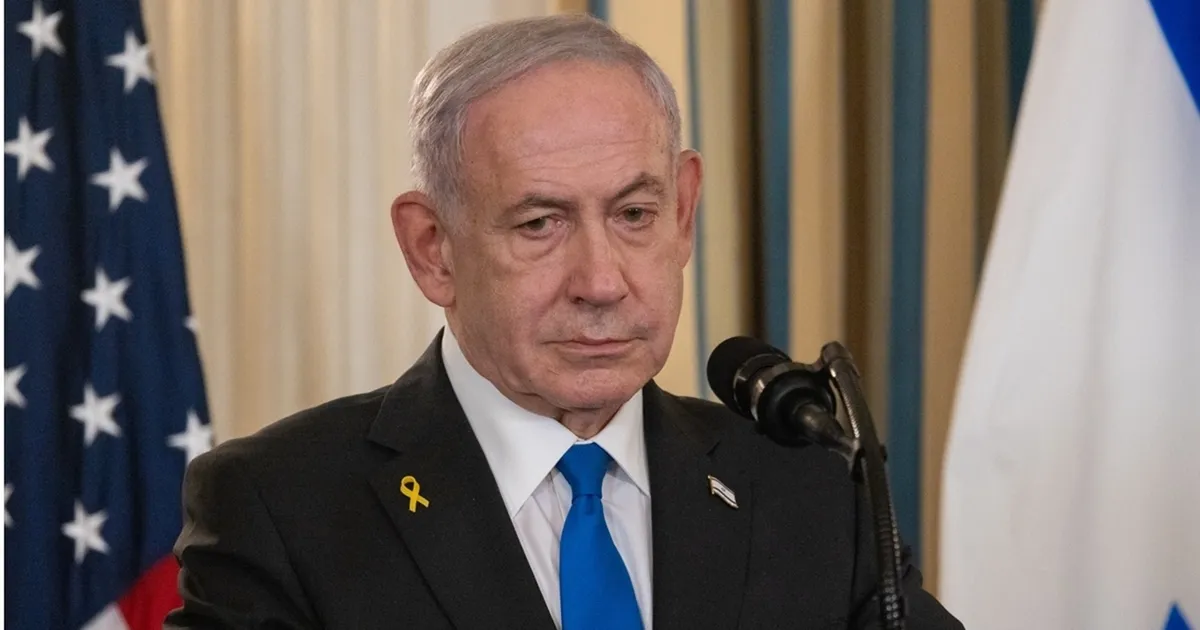
On the political front, Israeli Prime Minister Benjamin Netanyahu tried to market the operation as a definitive removal of the Iranian nuclear and missile threat, despite skepticism from some security officials about these claims. These officials believe that destroying the leadership does not necessarily mean completely destroying the nuclear project, warning that the absence of the 'head of the regime' could lead to uncontrolled reactions from multiple parties.
Global markets have already begun to feel the repercussions of this strike, with oil prices recording significant increases amid fears of a comprehensive regional war. While aerial military operations continue, uncertainty remains paramount regarding the future of governance in Tehran, in the absence of any leadership capable of reuniting the collapsed military and security institutions.
In conclusion, this operation remains a model studied by military experts around the world on how to integrate human intelligence with advanced technology to achieve strategic goals in record time. As attacks continue, the region awaits the nature of the remaining Iranian response, and whether there are leadership pockets capable of organizing a counterattack or entering into negotiations to end the conflict.
Iranian arrogance enabled Israel to thwart Khamenei and about 40 high-ranking officials in just 40 seconds.



Share your opinion
Behind the Scenes of 'The Knockout Blow': How Did Israel Assassinate Khamenei and 40 Leaders in 40 Seconds?