







The Arab region is witnessing a state of military turmoil that began in specific points, but its fragments now threaten the overall stability of the region's countries. Amidst this raging conflict, a fundamental question arises about the ability of active parties to control the course of a war whose end is no longer in the hands of those who started it.
Domestically in Egypt, a media discourse prevails that tends towards superficiality in addressing major crises, focusing on the absence of American military bases as proof of escaping involvement in conflicts. However, this perception overlooks the structural complexities that link the military establishment to long-term international obligations and security agreements.
The peace treaty signed in 1979 remains the cornerstone in defining the shape of Egyptian military deployment in Sinai, having placed clear legal restrictions on the type of weapons and the size of forces. These restrictions, while maintaining a state of stability for decades, have created a framework that limits absolute sovereignty in field operations.
The Egyptian military force, despite its size and development, finds itself constrained by precise political and strategic calculations that make the option of direct confrontation an unpredictable risk. This constraint is closely linked to the heavy reliance on technologies, weapons, and military aid coming from the United States of America.
On the media front, a striking preoccupation with producing dramatic narratives is observed, such as the series 'Ras al-Af'a' (Head of the Serpent), which portrays the Muslim Brotherhood as the sole existential threat to the state's entity. This approach contributes to directing public opinion towards internal battles, while real regional threats move in the shadows, away from the spotlight.
Observers believe that the Egyptian public may be more aware than the media platforms that try to simplify the conflict, as citizens realize that the real dangers lie in changing alliances. Preoccupation with an internal enemy may lead to strategic oversight of the real 'serpents' lurking for the country's national security in international forums.
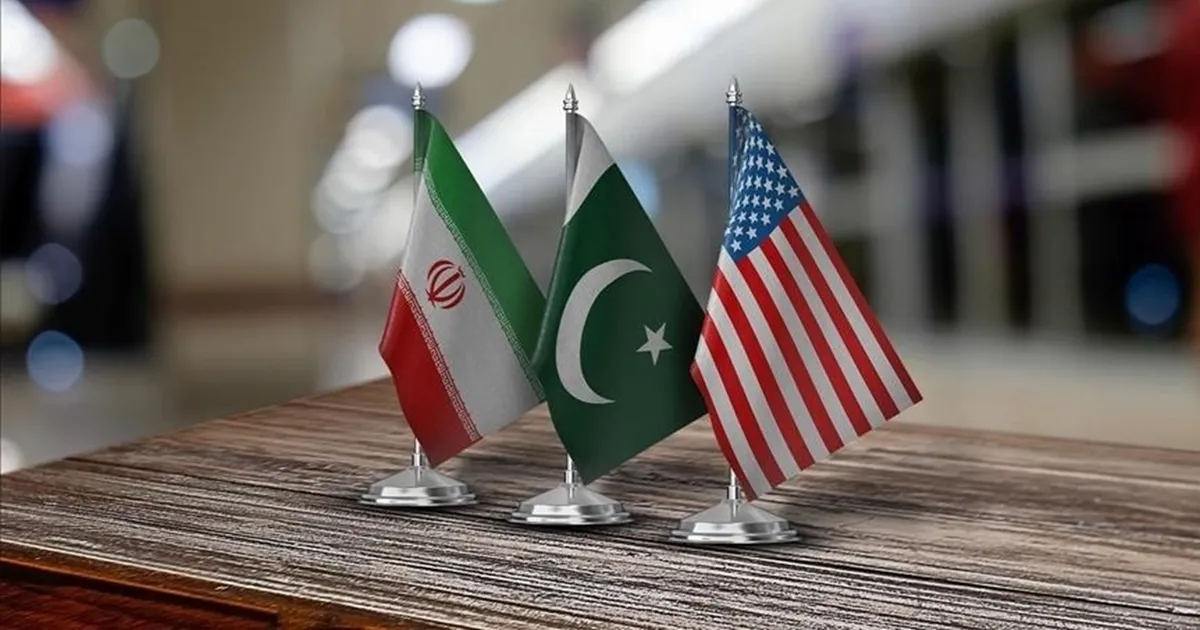
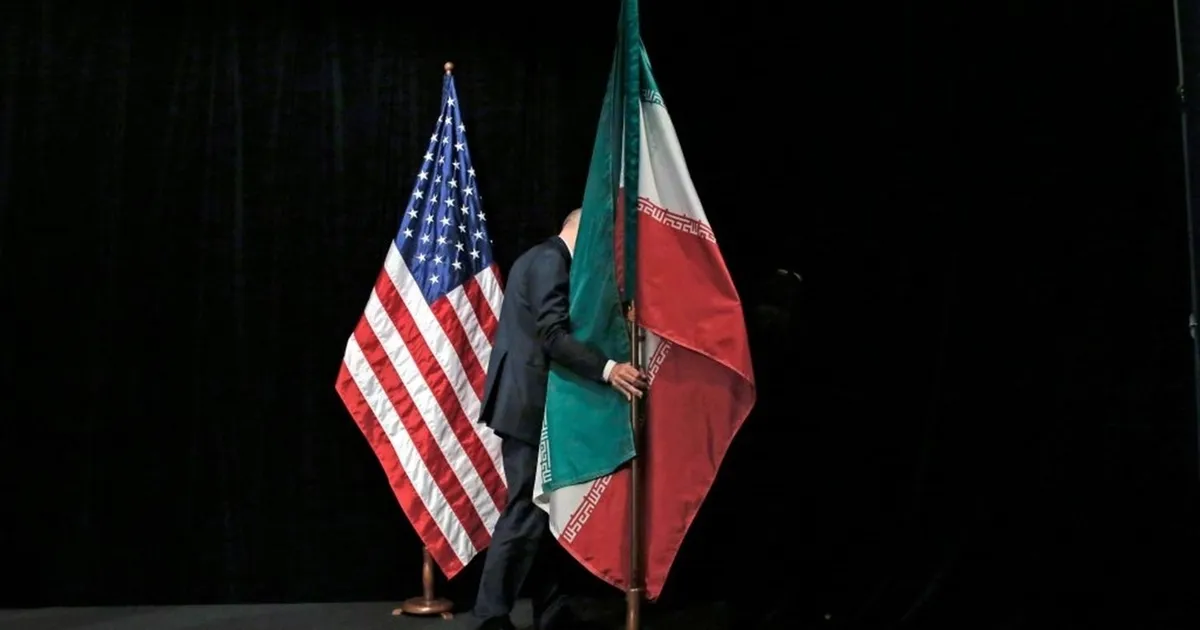
The features of Egyptian realpolitik are evident in recent diplomatic stances towards the Iranian-American conflict, where Cairo refrained from condemning strikes against Iranian targets. In contrast, the Egyptian Foreign Ministry was quick to criticize any targeting of American bases, reflecting a critical balance that leans towards preserving interests with Washington.
This diplomatic bias is not merely a fleeting political choice, but a reflection of the limited strategic freedom imposed by international obligations and economic realities. The Egyptian decision is governed by the necessity of maintaining regional stability and avoiding clashes that could lead to uncontrollable economic or military repercussions.
Building a strong internal front requires a unifying political discourse that transcends the policies of exclusion promoted by some media figures, with the aim of strengthening the national fabric to confront external challenges. Military power alone is not enough to protect homelands if it is not supported by public awareness that understands the extent of international pressures imposed.
Today's real battle is taking place in secret, away from television screens and the headlines of dramatic series, where new alliances are forming that may change the map of influence in the Middle East. This reality requires a precise reading of rapidly changing variables instead of getting lost in media illusions that do not serve the state's supreme interests.
The Egyptian army possesses human and material capabilities, but activating this force in the face of American or Israeli interests remains fraught with major strategic risks. The link to the Western defense system makes any independent move an adventure that could threaten the flow of vital military and logistical supplies.
Decision-makers and the media alike must separate political propaganda from the field realities imposed by geopolitics, as the challenges facing Egypt transcend narrow partisan conflicts. Strategic awareness requires acknowledging limitations and working to expand the margin of political maneuver in a turbulent international system.
Ultimately, the ability to make free decisions remains the true measure of power, and this ability is only achieved by a delicate balance between international obligations and national aspirations. The real 'serpent' is not in the series, but in those alliances and interests that may change the fate of peoples without prior warning or preparation.
Restoring strategic initiative requires a comprehensive re-evaluation of media and political discourse, so that it can immunize society against actual risks. True stability stems from a deep understanding of reality, not from escaping into side battles that drain national energies away from existential threats.
Politics is not just military power or the number of tanks, but the ability to make free decisions within complex strategic and economic constraints.

Share your opinion
Between Strategic Constraints and Media Hype: A Reading of the Challenges to Egyptian National Security