







Washington – Said Erikat – 1/3/2026
News Analysis
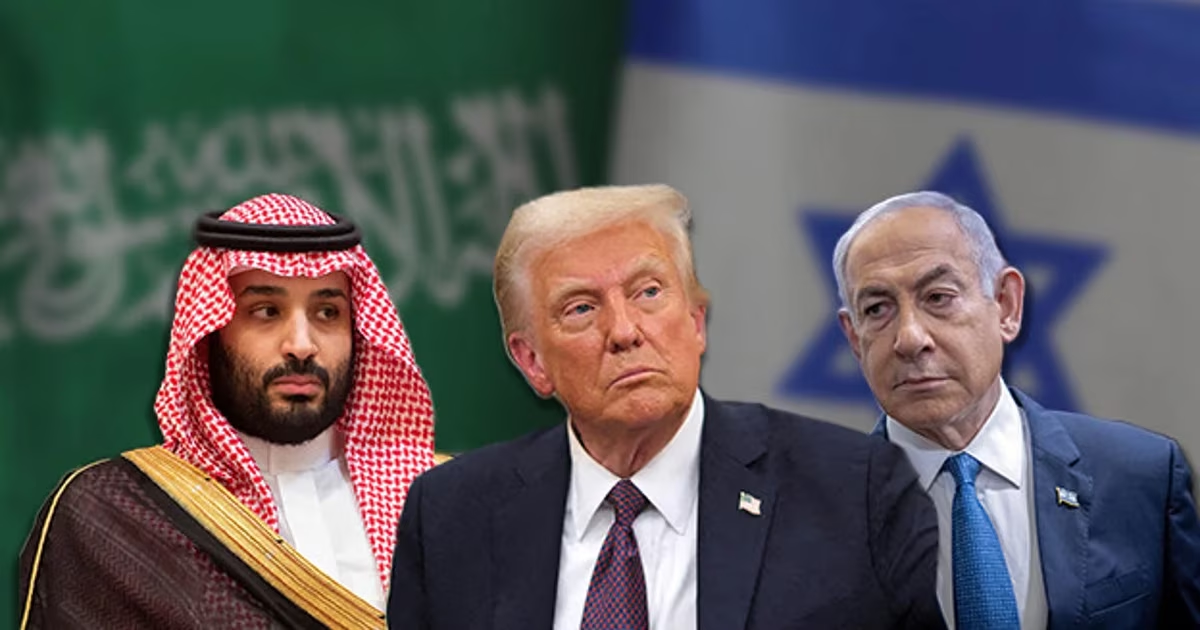
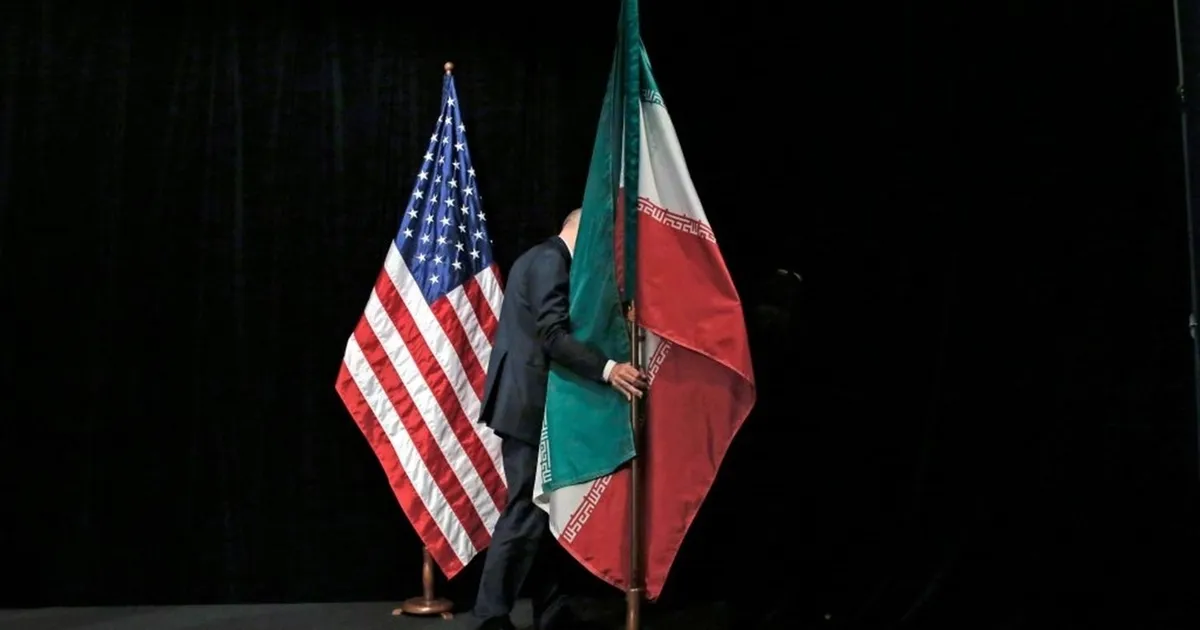
The Washington Post reported on Saturday that US President Donald Trump's decision to launch a widespread military attack against Iran, which resulted in the death of Supreme Leader Ali Khamenei, came after weeks of intense diplomatic pressure from both Saudi Arabia and Israel. This development represents a significant shift in the pattern of US decision-making towards Tehran, reflecting Washington's transition from a policy of deterrence and containment to an attempt to impose strategic change through direct military force.
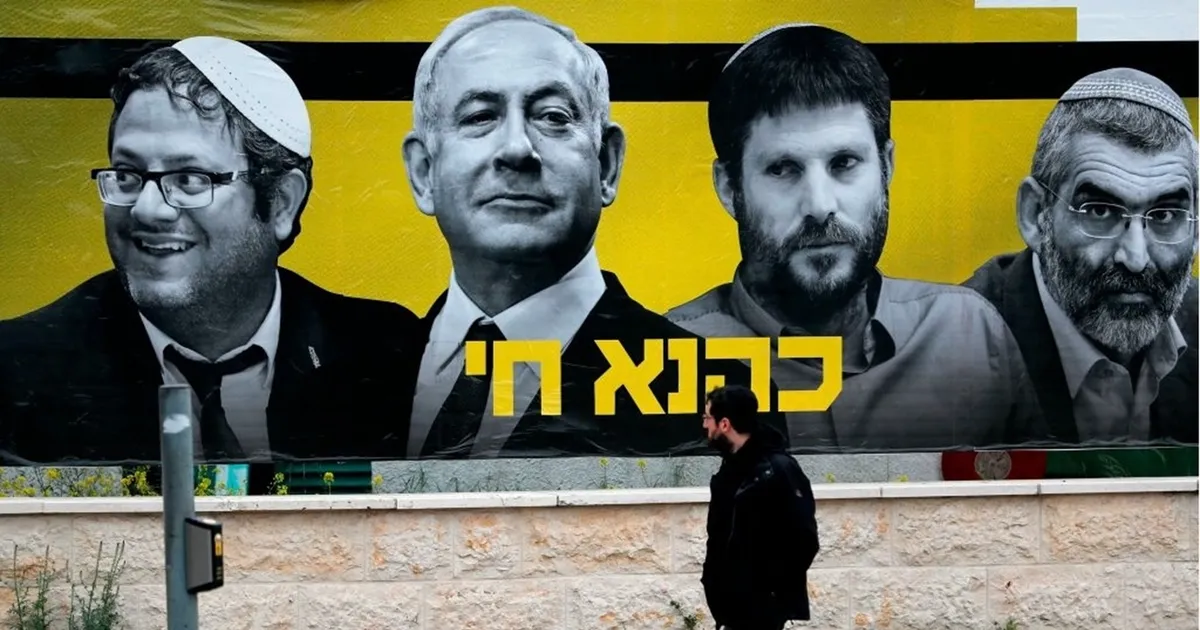
According to the report, which cited officials familiar with discussions within the US administration, Israeli Prime Minister Benjamin Netanyahu and Saudi Crown Prince Mohammed bin Salman led parallel efforts to influence the White House's stance. Netanyahu continued his public campaign, repeatedly demanding a decisive strike against Iran, considering its nuclear program an existential threat to Israel. Riyadh, meanwhile, preferred to act through private channels and direct communications with Trump, emphasizing the necessity of action before Tehran could consolidate its regional position.
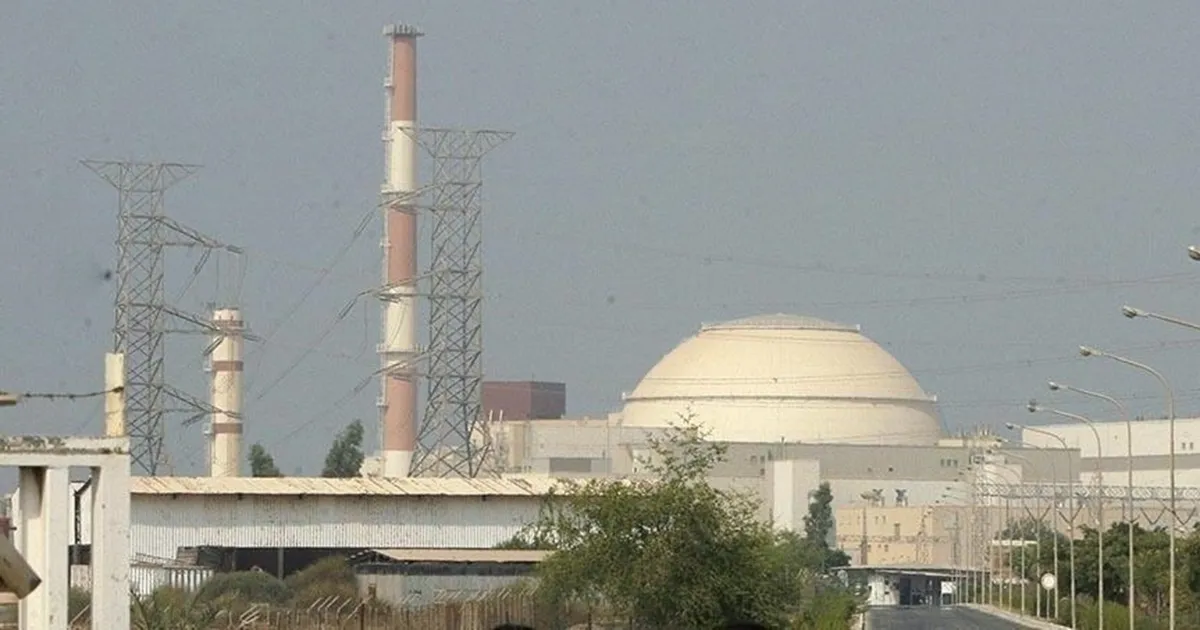
These moves came at a time when Washington was still engaged in indirect negotiations with Iran regarding its nuclear and missile programs. US envoy Steve Witkoff, with the participation of Jared Kushner, held several meetings with Iranian officials in Geneva, hoping to reach an understanding that would reduce escalating tensions. However, US officials later concluded that Tehran sought to maintain its uranium enrichment capabilities, which the administration considered an indication of an intention to retain a future nuclear option, thus strengthening the arguments of those advocating for military decisive action.
The Saudi position appeared complex; Riyadh publicly announced its support for the diplomatic path and affirmed that it would not allow its territory to be used for attacks on Iran. However, in closed-door talks, it warned that American hesitation might give Tehran an opportunity to strengthen its regional influence. This balance reflects a Saudi attempt to combine confronting the Iranian adversary with avoiding retaliatory actions that could target its sensitive oil facilities, which was partially achieved when Iran responded with attacks following the US strike.
The American decision represents a clear departure from decades of strategic caution. US intelligence assessments did not indicate an imminent threat to US territory, and previous administrations refrained from seeking to overthrow the Iranian regime by force due to the complexities of a large country with a relatively cohesive political and security structure. Therefore, Trump's decision appeared to be a political and military gamble at once, betting on achieving political results through rapid air superiority without engaging in a long ground war.
Trump justified the operation as a response to a long history of conflict between Washington and Tehran, recalling the 1979 hostage crisis and attacks targeting US forces in the region. He also asserted that Iran was nearing the acquisition of nuclear and missile capabilities that directly threatened the United States, a narrative that faced skepticism from critics who relied on previous intelligence assessments that did not prove the existence of an active program to produce a nuclear weapon.
Trump's rhetoric was not limited to the military dimension; he also called on Iranians and security agencies to overthrow the regime, promising immunity to those who defect, without offering a practical vision for how to achieve this goal in the absence of US forces on the ground. This reveals the central contradiction in the new US strategy: seeking radical political change with limited military tools.
Within Washington, senior officials were keen to emphasize that the operation would not escalate into an open war. Vice President J.D. Vance stressed that the administration was not seeking a long military intervention, despite demands from lawmakers for clearer explanations regarding the legal and strategic basis of the attack, especially in the absence of public evidence of an immediate threat.
The report indicated that the timing of the strike was also influenced by the possibility of Israel carrying out a unilateral attack, which prompted Washington to participate in the operation rather than dealing later with the repercussions of an escalation that could endanger US forces in the region. Thus, the decision became a mix of security calculations, political alliances, and regional pressures.
Ultimately, this operation reveals an American attempt to combine a show of military resolve with avoiding the cost of occupation, an equation that successive administrations have sought since the end of the Cold War. However, past experiences indicate that air strikes may weaken regimes but rarely reshape them politically, as the absence of a clear vision for the post-conflict phase can turn rapid military success into long-term instability. At the same time, escalation may be a means to redefine future negotiation terms, so that any subsequent agreement with Iran is presented as a direct result of military pressure, not a continuation of a previous diplomatic path. However, this approach carries risks of miscalculation, as it may push Tehran to greater intransigence instead of retreat, increasing the likelihood of mutual escalation. Between the gamble of imposing a new political reality through air power alone and the possibility of the region sliding into a wider cycle of conflict, the question remains open as to whether this strategic gamble will succeed in redrawing regional balances, or will it reproduce the lessons of previous interventions that proved that ending wars is often much harder than starting them.
Share your opinion
Washington Post: Saudi and Israeli Pressure Paved the Way for Trump's Decision to Strike Iran