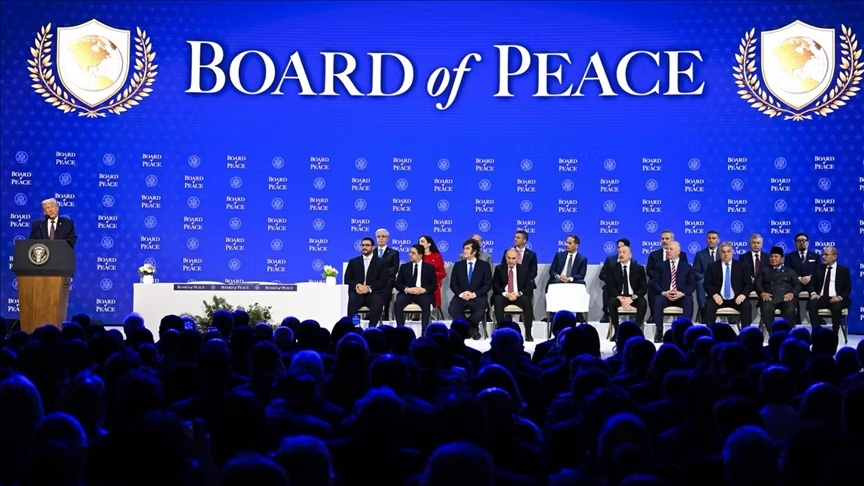







The "Peace Council" called for by US President Donald Trump — scheduled to convene in Washington on February 19 — is being marketed as a historic breakthrough in Gaza's recovery. The US administration states that member countries will announce pledges exceeding five billion dollars for humanitarian aid and reconstruction, along with a commitment to "thousands of elements" to form an international stabilization force, in addition to a local police system. However, the fundamental question, behind the branding, promotional shots, and self-congratulatory atmosphere, remains unanswered: no one knows exactly what this council is supposed to do, what authority it claims, or what it can realistically achieve.
Trump launched the initiative in January and celebrated its formation in Davos last month, presenting it as a platform for "global peace." As usual, his language was extreme and exaggerated, with a promise that starts in Gaza but extends far beyond it. The Washington meeting will be the first official gathering since the council's establishment, but it seems closer to an event prepared for a theatrical political announcement than a genuine working summit: declared funds, promised personnel, and a Washington-led American narrative of "restoring order."
However, the public description of the council seems more like a political slogan than a viable international mechanism. A reconstruction fund, a stabilization force, and a "local police" structure are not interchangeable terms that can be used loosely; rather, they require clear mandates, legal frameworks, chains of command, rules of engagement, host party consent, and accountability mechanisms. Trump's insistence on chairing the council himself further raises doubts about it being a truly multilateral body, reinforcing the impression that it is an American-directed coalition, aiming to bypass institutions that limit American maneuverability.
This suspicion is already reflected in the membership list. More than twenty countries have accepted Trump's invitation, including Israel, Qatar, Saudi Arabia, Turkey, and Egypt. But the striking absence of major European allies is not a detail. Several European governments have expressed, publicly and implicitly, concerns that the council was designed to replace the United Nations. Their refusal is not merely symbolic, but a practical blow: any serious reconstruction effort requires long-term funding, technical expertise, and political legitimacy — elements for which the European role is indispensable.
The institutional symbolism, in turn, was deliberate. The name of the "United States Institute of Peace" was changed in December to the "Donald J. Trump Institute of Peace," after the administration had weakened the institute by dismissing a large number of its board members and staff, as part of the "government efficiency management" campaign that targeted foreign aid and semi-independent institutions. Thus, a platform historically dedicated to peacebuilding was transformed into a personal political monument, reinforcing the impression that the council is not a neutral initiative, but a vehicle bearing Trump's brand and working to concentrate credit and decision-making in one hand.
Financial claims should also be treated with caution. Five billion dollars seems like a striking figure in headlines, but it is a small part of what Gaza's recovery requires. A joint damage and needs assessment prepared by the United Nations, the European Union, and the World Bank last year estimated that reconstruction could exceed 70 billion dollars and take years. In comparison, the council's pledges seem more like a down payment — and even that is conditional on the funds being real, new, and disbursable, not just recycled commitments at a media event.
The credibility gap widens further with the "master plan" promoted by Jared Kushner, Trump's son-in-law and real estate businessman who helped negotiate the ceasefire between Israel and Hamas. Kushner presented a vision that includes hundreds of skyscrapers, new cities, and a coastal tourist area. He claimed that construction could take two or three years and require investments of at least 25 billion dollars, while insisting that the coming months would be dedicated to delivering aid. This plan, in its form, resembles Gulf "mega-city" projects, but in its political content, it is closer to a colonial fantasy: redevelopment without sovereignty.
Gaza is not an empty land awaiting investors. It is a shattered territory emerging from widespread displacement, destroyed infrastructure, and unresolved political authority. Reconstruction is not just about pouring concrete; it includes property rights, land disputes, the return of displaced families, the legitimacy of governance, and border control. A tourist area cannot be built on a political vacuum, and skyscrapers do not answer the question: who governs? Who secures? And who speaks for the Palestinians?
As for the security aspect, this is where the council's ambitions seem most concerning. Trump says that member states will commit thousands of elements to an international stabilization force and local police, but he did not clarify whether Israel would accept the presence of this force, or whether it would operate independently, or whether it would become a barrier that allows Israel to formally withdraw while maintaining strategic dominance. For Palestinians, the term "stability" may become merely a euphemism for external security management — a new system of control re-marketed as humanitarian concern.
Trump also reiterated a key demand in his announcement: that Hamas commit to "complete and immediate disarmament." This demand is an essential part of the American framework, but it is also the most politically explosive. Disarmament cannot be imposed by decree; it requires a political settlement, legitimate governing authority, and a credible security alternative. Without that, the call for disarmament seems closer to terms of surrender than to peacebuilding, threatening any ceasefire with collapse under the weight of humiliation and distrust.
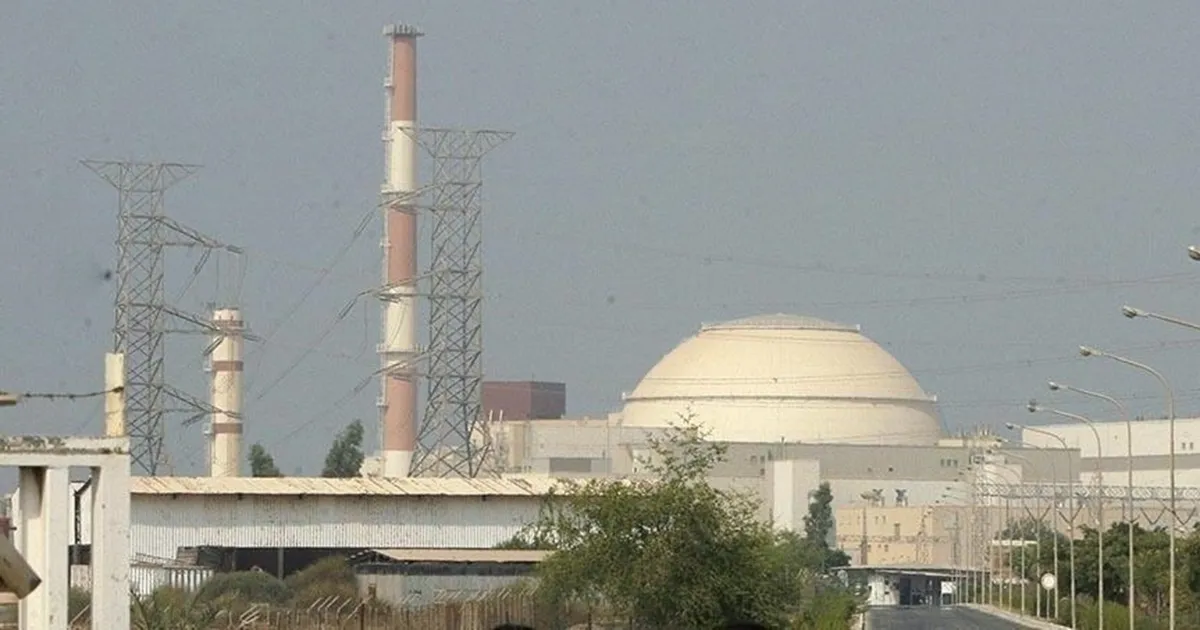
The timing of the council meeting is not accidental. It comes after a second round of indirect US-Iranian talks in Geneva, following a previous round in Oman. Trump has repeatedly threatened to strike Iran if it does not curb its nuclear program, while Secretary of State Marco Rubio insisted that the president prefers negotiated solutions. Iranian Deputy Foreign Minister Majid Takht Ravanchi said the ball was "in the American court" to prove seriousness. This synchronicity reveals a recurring pattern: performative diplomacy on one front, while employing coercive pressure on another.
Ultimately, the "Peace Council" may not be an institution as much as a political tool: a means for Trump to claim ownership of Gaza's future, push allies into alignment, and offer an alternative to UN-centric legitimacy. Whether the council will become an effective mechanism or end up marginalized without impact will depend on what happens after February 19: will the money actually be disbursed? Who will lead any security force? And do Palestinians have a real role beyond being the subject of others' plans?
So far, the council's grand name conceals an empty core: a promise of peace without a plan.
Share your opinion
Trump's "Peace Council" and Gaza: Grand Promises, Vague Mandate, and a Political Project Disguised as Reconstruction