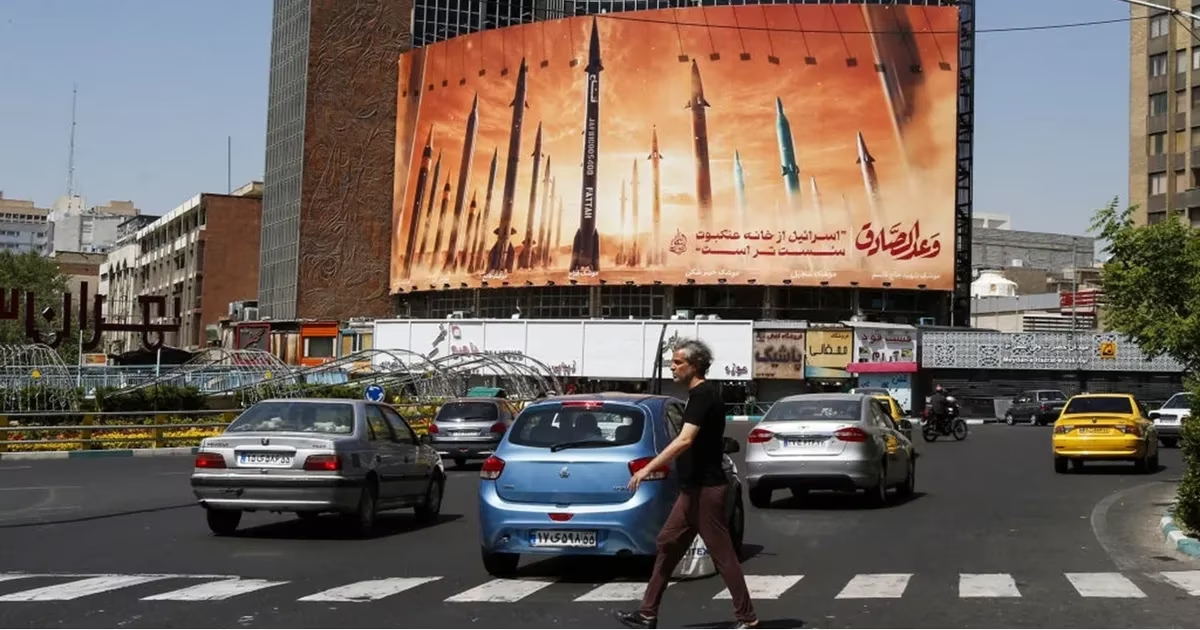







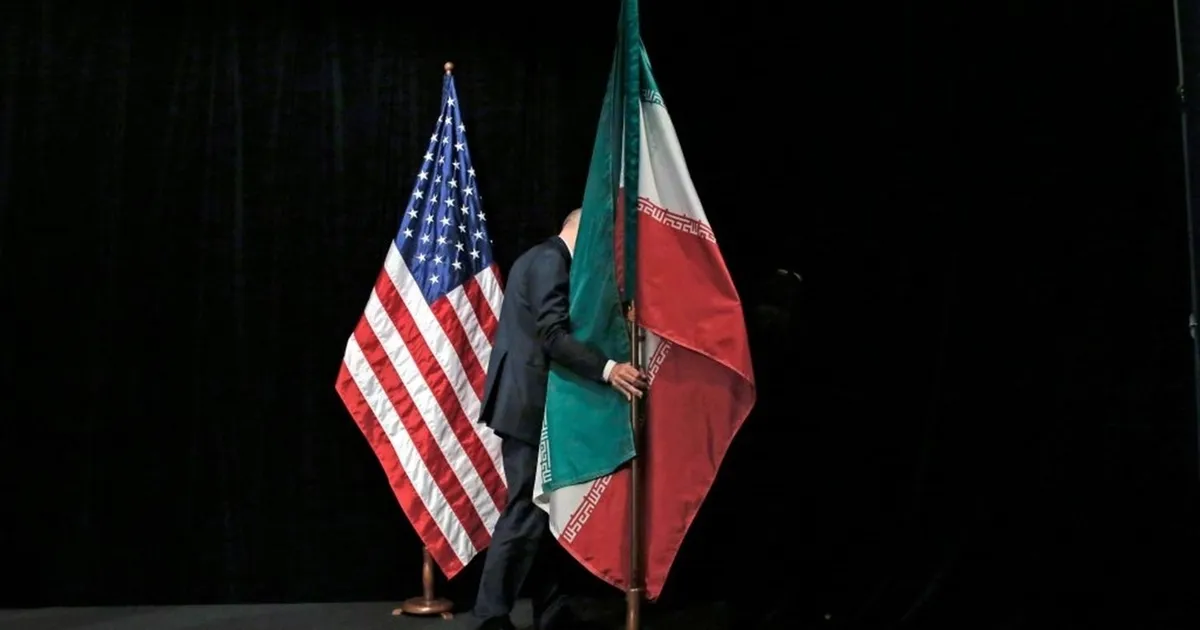
The region is witnessing a sharp escalation in political and military rhetoric between Washington and Tehran, where the current confrontation extends beyond armed clashes to become a deep conflict of wills revolving around ideas and civilizational values. Observers believe that military material superiority does not necessarily mean a decisive victory, as long as the defeated party does not surrender or abandon the will to resist.
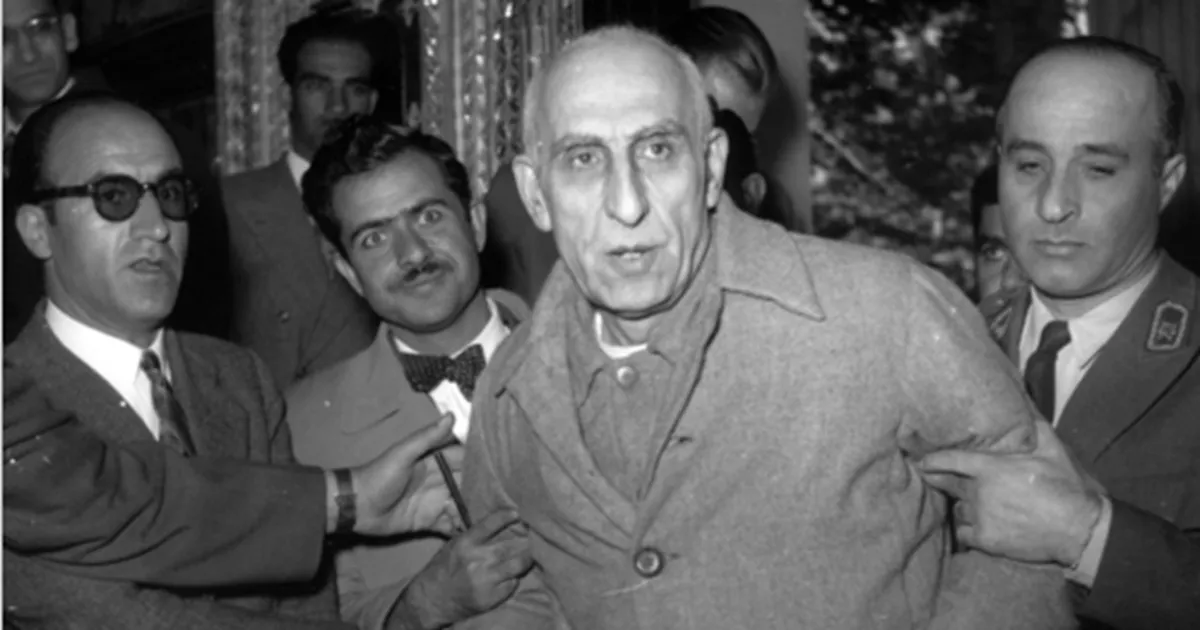
Peoples with deep civilizational roots adopt a different view of battles, where results are not measured by momentary balances of power, but by the ability to establish values of dignity and sovereignty for future generations. In this context, Iran emerges as a model that tries to transform external pressures into a state of renewed steadfastness that rejects humiliation despite the disparity in military power balances.
While military experts are busy analyzing maps of American deployment on land and sea, and determining the zero hour for potential attacks, another parallel battle is being fought in the arena of terminology and symbols. This battle, described as 'pushing towards the abyss,' reflects a fundamental divergence in rhetoric between the American speaker who focuses on power, and the Iranian speaker who focuses on rights.
US President Donald Trump has long boasted about his military's destructive capabilities, threatening to use battleships and missiles to change the regime of an independent state. Trump has appeared on many occasions as an arrogant figure who grants one deadline after another, trying to break the opponent's will by brandishing 'hellfire' and mass destruction.
In contrast, the Iranian leadership has shown remarkable calm in dealing with American threats, with officials in Tehran repeatedly affirming their rejection of any dialogue conducted under duress or preconditions. Iranian leaders emphasize that they are ready for an equal dialogue, and at the same time, they are fully prepared to fight if necessary.
The statements of Iranian Supreme Leader Ali Khamenei stand out as one of the most assertive positions, when he affirmed that his country does not seek war, but will not hesitate to wage it if it is imposed upon them. His words carried an implicit warning that the losses would not be limited to the Iranian side alone, reflecting the strategy of mutual deterrence adopted by Tehran.
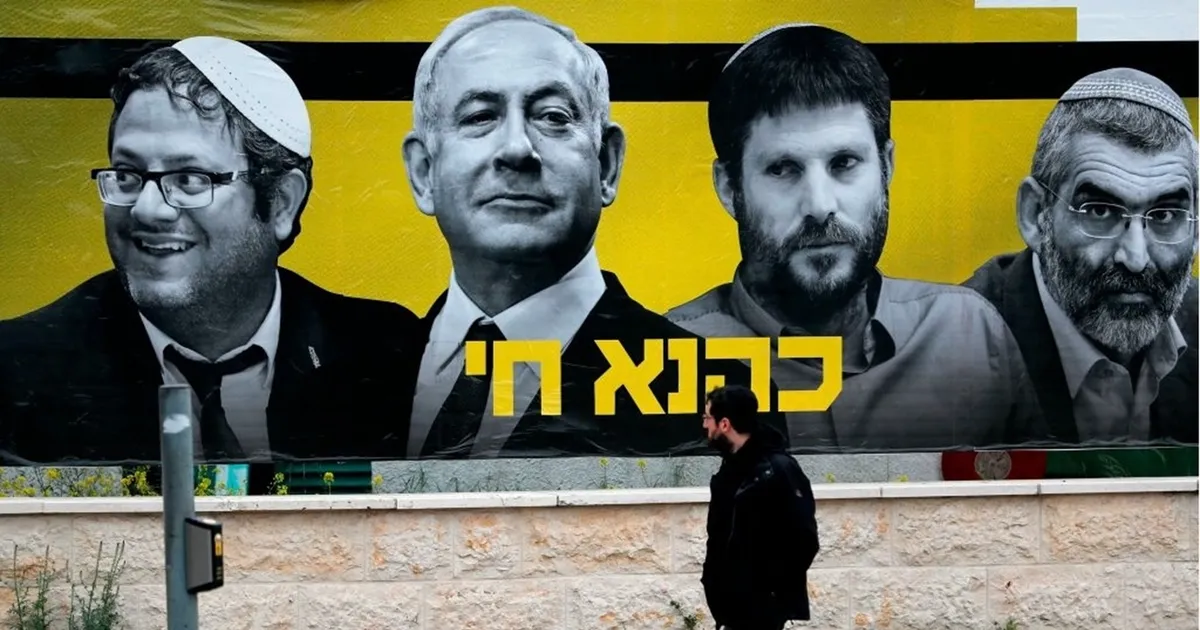
On the ground, Iran did not content itself with political statements; its military leaders hinted at the ability of missiles and drones to strike strategic and vital targets. These threats included the Israeli entity and any countries hosting American military bases that could be used as a launching pad for hostile attacks against Iranian territory.
Analysts believe that the American mindset manages the conflict with a balance of matter and numbers, where power is calculated by the number of soldiers and the quality of available equipment. In contrast, the Iranian mindset views the confrontation from the perspective of justice and human dignity, which creates a gap in mutual understanding between the warring parties.
It seems that President Trump has moved from the stage of direct threats and military arrogance to a state of questioning the source of confidence and reassurance among Iranian leaders. This shift recently led him to speak in religious language, expressing his confidence in achieving 'heaven' by claiming to bring peace and stop wars in different parts of the world.
Doubts continue to hover over the intentions of the American administration, as critics see a vast difference between those who defend sovereign principles and those who view the world as a commercial arena for profit. The commercial mindset with which Trump manages foreign policy files often lacks commitment to ethical standards and the rights of peoples to self-determination.
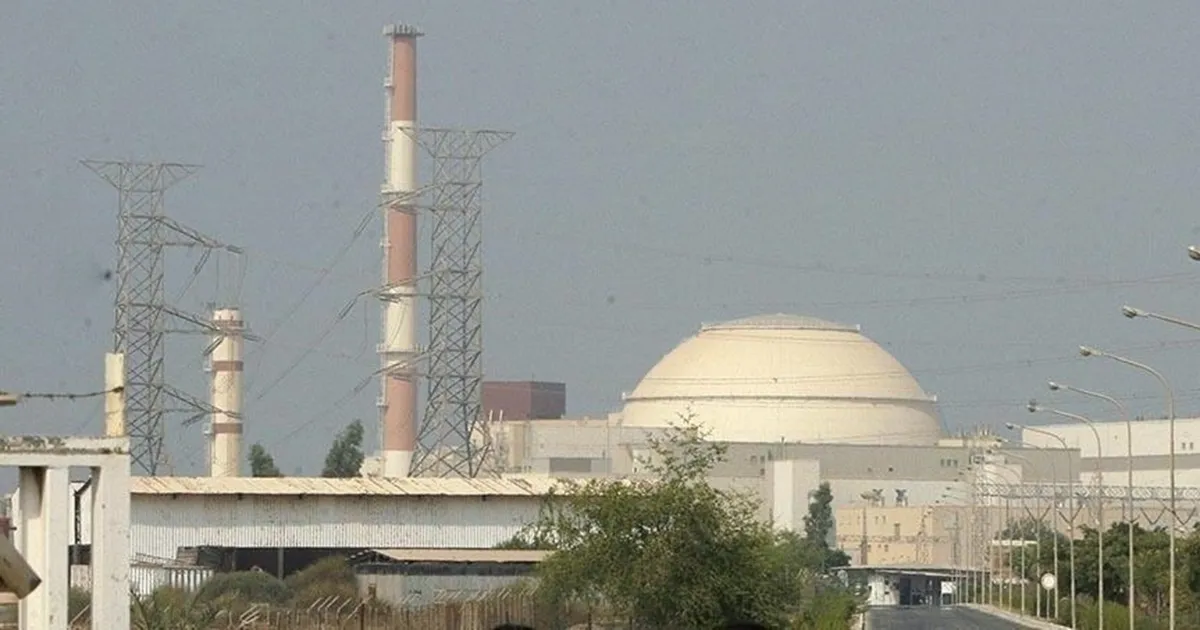
Iran has succeeded, through the current 'heating up' phase, in preserving its political identity and ideological reference despite extreme pressures. Tehran has been able to maneuver to prevent direct aggression against it, while adhering to its rights to develop its nuclear and missile programs, which it considers a guarantee of its national security.
Tehran has not abandoned its partners in what it calls the 'axis of resistance,' which was one of the conditions set by Trump and the Israeli side for lifting sanctions or stopping threats. This adherence to regional ties strengthens Iran's negotiating position and makes it difficult to isolate it politically or militarily in the region.
This current conflict reveals the failure of the 'maximum pressure' policy to achieve its fundamental goals of subjugating the Iranian regime. Instead of collapsing, Iranian institutions have shown an ability to adapt to crises, drawing this from a historical philosophy that views steadfastness as a higher value than fleeting material superiority.
Ultimately, the scene remains open to all possibilities, between a fragile calm and an escalation that could erupt at any moment. However, the constant in this confrontation is that the 'battle of wills' has been decided in favor of the party that managed to maintain its principles without being drawn into the opponent's terms, which puts the American administration before difficult choices.
We do not want war, but if it is imposed on us, we will fight it and we will not die alone.
Share your opinion
The Conflict of Wills Between Washington and Tehran: How Does Iran Manage the Battle of Values in the Face of American Threats?