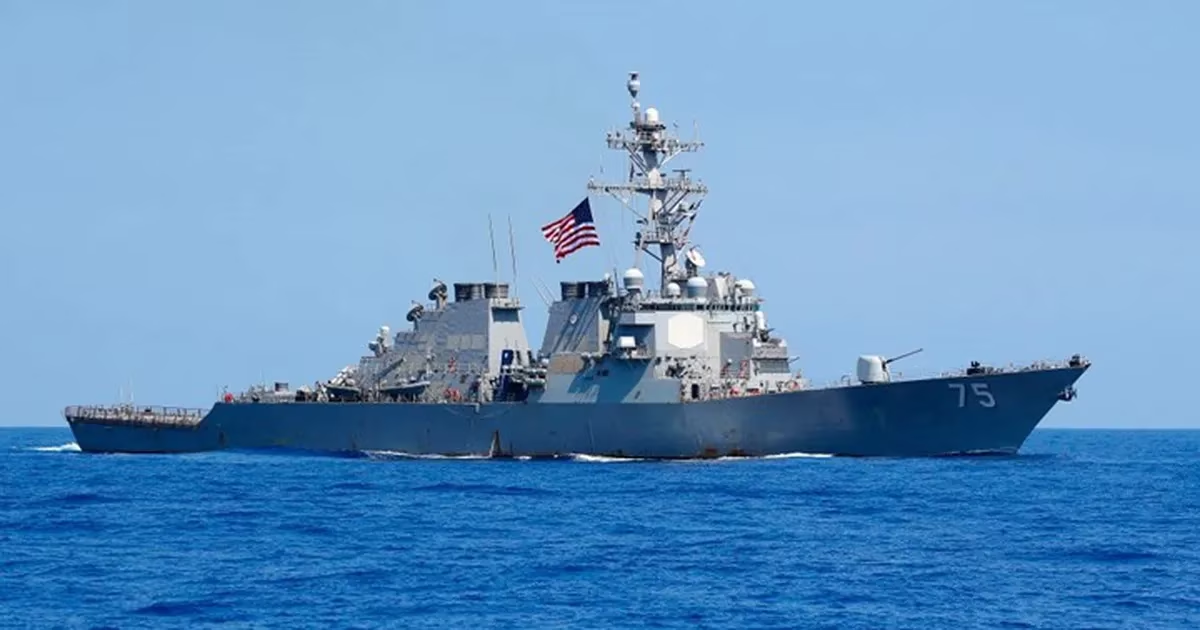







Potential military scenarios, should the United States decide to bomb Iranian facilities, raise major questions about the expected scale of the response. Estimates suggest that Iran and its allies might target Israel and American bases in the region, with the possibility of closing the Strait of Hormuz and the Red Sea, and targeting oil facilities in the Gulf. This would leave Washington facing difficult escalatory choices to save face.
In the face of this escalation, two hypotheses emerge; the first is sending hundreds of thousands of soldiers to overthrow the regime, which contradicts President Trump's electoral promises to end foreign wars and drains state resources allocated to confront China. The second hypothesis is resorting to nuclear weapons, which is an unlikely option given that it would legitimize Russia's use of them in Ukraine and open the door to global nuclear chaos.
Economically, the war would be catastrophic; oil and gas prices could multiply several times over if Iran succeeds in disrupting navigation in the Strait of Hormuz, leading to global inflation and a crazy surge in basic commodity prices. These costs recall Trump's previous statements about the cost of the Iraq and Afghanistan wars, which amounted to 7 trillion dollars, an economic absurdity that the American voter will not tolerate.
Past experiences play a role in the current miscalculation; Iranian caution in responding to the assassination of Qassem Soleimani and the bombing of nuclear facilities previously, made Trump believe that Tehran would not go far in its responses. This past might lead the American administration to believe that a blockade or bombing will not have catastrophic consequences, which represents the essence of the risk in current political calculations.
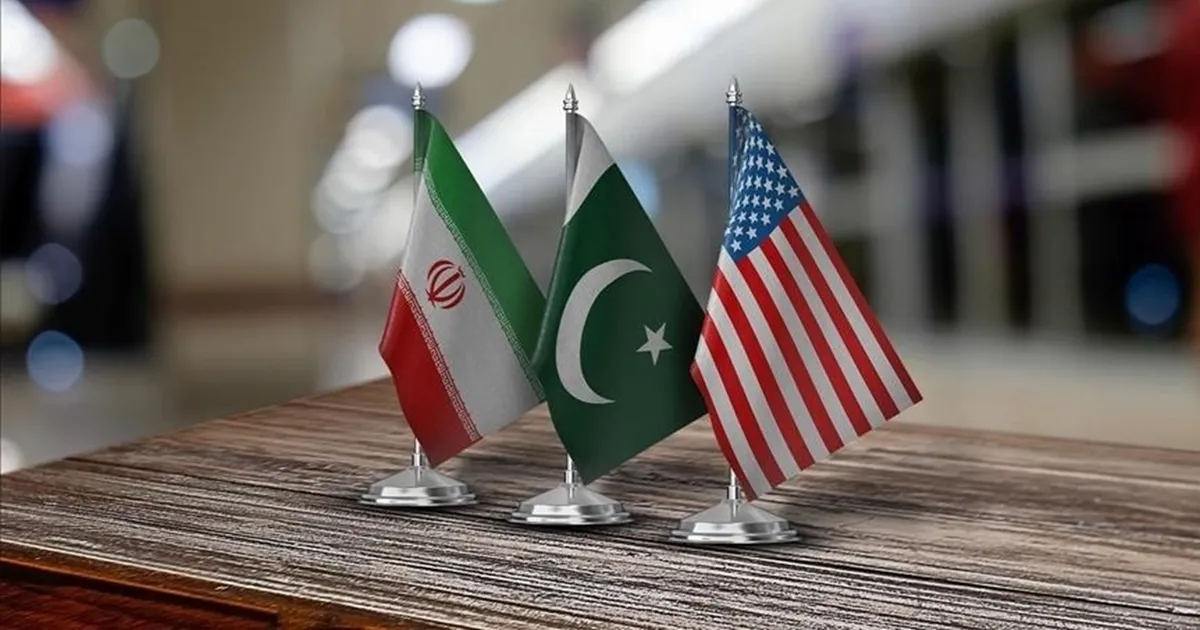
In conclusion, the United States' fear of paying the high cost remains the primary deterrent to war so far. If diplomacy succeeds in conveying firm Iranian messages through intermediaries, the escalation may recede. However, any Iranian hesitation or concessions on enrichment or missile capabilities may be understood as weakness that encourages Washington and Israel to demand more under the threat of arms.
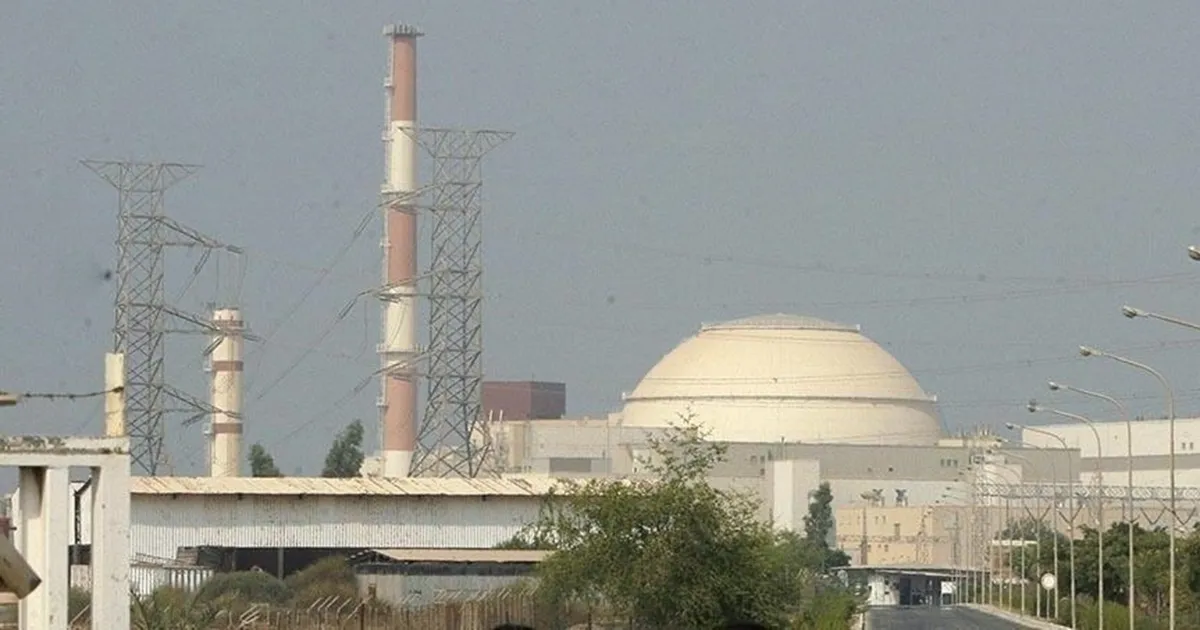
Trump, like his predecessors, knows the cost and does not want to pay it, but the difference is that he first experimented by assassinating Soleimani, and when nothing happened, he dared to bomb Iran's nuclear facilities.

Share your opinion
Iran and America: Does the high cost prevent an all-out confrontation?