






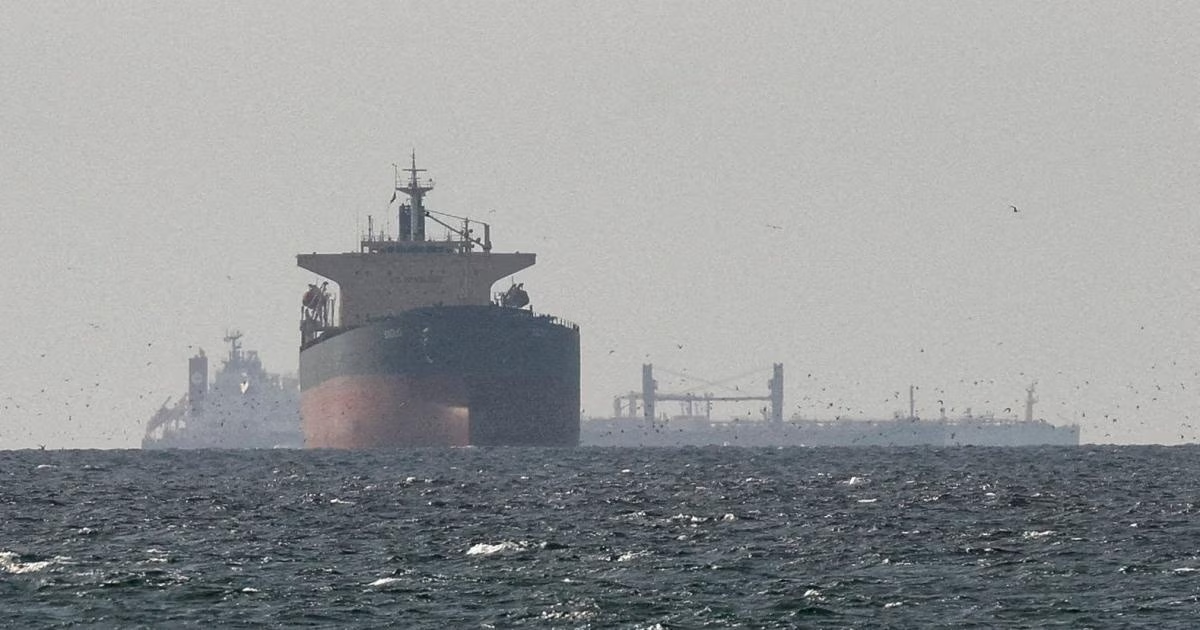
Iranian Foreign Minister, Abbas Araghchi, announced that Tehran and the Sultanate of Oman are heading towards holding a specialized round of talks aimed at outlining the future management of the Strait of Hormuz. This step follows a joint statement issued in Muscat, where both parties seek to regulate maritime navigation services in one of the world's most strategically important waterways.
In the context of diplomatic moves, Araghchi held a phone call with his Omani counterpart, Badr Al Busaidi, which he described as fruitful, emphasizing the two countries' determination to continue discussions with neighboring countries. These consultations aim to ensure regional stability and coordinate joint efforts to manage the waterway in a way that serves regional and international interests.
For his part, Omani Foreign Minister, Badr Al Busaidi, clarified that the Sultanate of Oman bears a historical and special responsibility in supporting international efforts to secure navigation in the Strait. Al Busaidi stressed during a ministerial meeting with the United States and Gulf countries in Bahrain that the upcoming arrangements will not include imposing any fees on ship transit.
Muscat affirmed its full support for the Memorandum of Understanding signed between Washington and Tehran on June 18, considering it a fundamental step towards achieving peace. The Sultanate believes that the success of this memorandum will directly contribute to restoring freedom of navigation through the Strait of Hormuz and ensuring the safe flow of global supplies.
These developments come after a period of military tension, as negotiations began to end the war that erupted last February between the United States and Israel on one side, and Iran on the other. That period witnessed the closure of the Strait and a significant impact on the movement of global seaborne oil exports, making the security of the passage a top priority.
On the technical front, the Omani Ministry of Transport announced continuous coordination with the International Maritime Organization regarding a proposal to use a temporary maritime corridor in the Strait. The Ministry indicated the necessity for transiting ships to coordinate in advance with the organization to ensure safe passage and avoid any navigational incidents under current circumstances.
In contrast, the Gulf Waterway Administration in Iran set specific conditions for ship transit during a 60-day transitional period in accordance with the Memorandum of Understanding. These conditions include the necessity of submitting transit requests at least 48 hours in advance, with a temporary exemption from costs associated with security, safety, and environmental services.
In a warning tone, the naval force of the Iranian Revolutionary Guard issued a strongly worded statement rejecting any attempts to impose new routes or alternative corridors. The Revolutionary Guard considered any navigational movement outside full coordination with Tehran to be extremely dangerous and unacceptable, threatening to take firm measures against violators.
Iranian naval forces stressed that the routes determined by Tehran are the only ones permitted for safe passage, demanding ships to communicate directly via marine channel 16. This stance reflects Tehran's desire to maintain its operational control over the Strait and prevent its use for any hostile military purposes.
Previous reports indicate that Iran describes the amounts it intends to collect in the future as costs for navigational and environmental services, not sovereign transit fees. As negotiations continue, the Strait of Hormuz remains a focal point of international tensions, with major powers seeking to ensure freedom of navigation without financial or security restrictions imposed by the littoral states.
The future arrangements for the Strait of Hormuz will not include transit fees, and we are working to restore freedom of navigation and ensure its safe flow.
شارك برأيك
Iranian-Omani arrangements for managing the Strait of Hormuz: Tehran stipulates coordination, Muscat denies imposing fees