PALESTINE

Sat 15 Nov 2025 9:38 pm - Jerusalem Time

Hebrew announcement: Washington pushes for the implementation of the "next phase" of the agreement to end the war in Gaza.

The Hebrew Channel 13 confirmed the increasing American pressure on Tel Aviv to move towards implementing the next phase of U.S. President Donald Trump's plan to end the war in the Gaza Strip.

The Hebrew channel reported that there are significant and deep differences and disagreements between Tel Aviv and Washington regarding how to proceed with the potential implementation of this agreement.

These differences not only pertain to the final objective but also extend to the proposed mechanisms and timelines for executing the subsequent arrangements for ending hostilities.

PALESTINE

Sat 15 Nov 2025 8:06 pm - Jerusalem Time

Israeli concern: Settlers threaten to ignite the West Bank

The Israeli circles are increasingly concerned about the assaults by settler groups in the West Bank, which have long been directed against Palestinians and have recently extended to target the soldiers of the occupation themselves.

This development has prompted settler leaders to call for deterrent measures against those they describe as a "handful of anarchists" who act in an organized criminal manner.

Elisha Ben Kimon, a reporter for Yedioth Ahronoth, mentioned that warnings were delayed before settlement leaders in the West Bank raised their voices, declaring that "the time has come to stop the crimes of what is called national crime, to halt the riots committed by extremist anarchists, and to prevent harm to the settlement system and the tarnishing of the image of all settlers."

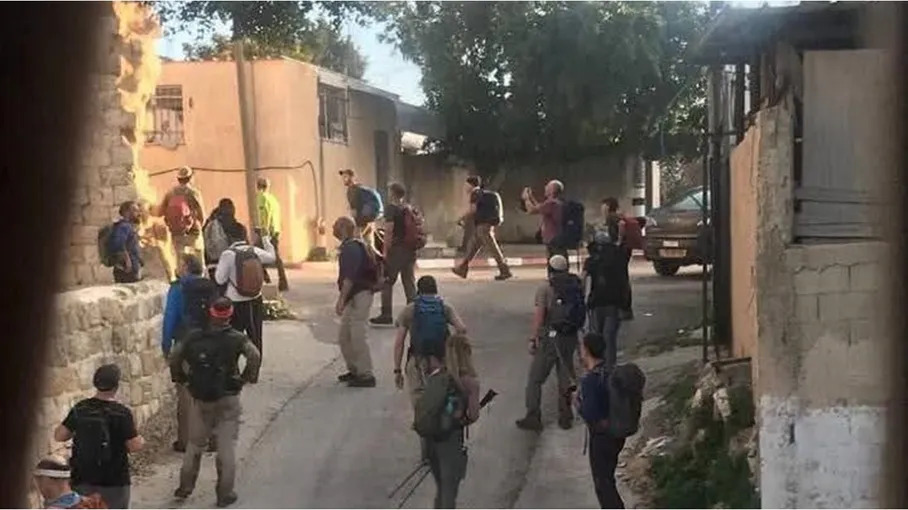
He clarified that a serious incident occurred a few days ago, during which occupation soldiers were attacked by dozens of Jewish anarchists in the West Bank, prompting settlement leaders to express their discontent and disgust at this behavior.

He added in his article that "recent days have seen Israeli discussions about renewing administrative detention orders against settlers, although this will not address the problem deeply, as the handful of anarchist settlers do not distinguish between a Palestinian, a policeman, a soldier, or a settler."

One resident of a settlement in Benjamin was attacked again with gas in his face because he dared to confront these Jewish troublemakers.

He pointed out that "these developments reflect a state of turmoil within the settlement circles that has not been seen in the region for a long time, amid the pursuit of settler leaders for electoral and personal calculations."

He explained that "the Israeli public does not grasp the full picture, as events clearly reveal this, including the posters that recently appeared in the streets of the West Bank attacking General Avi Melchior, the commander of the army in the central command."

However, the most striking and sharp element is that what is happening comes within a broader conflict within the far-right camp, coinciding with the right's preparations for the upcoming primary elections.

He noted that "the settlers described as 'troublemakers' call themselves the 'David's Army,' and present acts of arson and assaults on Palestinians, and recently on soldiers, as carrying out religious instructions."

They are the same "hilltop youth" who set the criminal pattern and chaos, then rush to the next target.

The core numbers amount to a few dozen anarchists, even though they are young, some of whom are not from the West Bank, and most of them have left educational frameworks or have been expelled from them.

He added that "the main goal of these settlers is to settle on state lands and curb Palestinian construction, which they describe as 'illegal.'

There, they also suffer from the same anarchist group that is engaged in a highly welcomed operation in cooperation with the army, where settler youths working in agriculture and sheep herding are brought there, under the auspices of state families from the settlement.

He pointed out that "the absence of organized government accountability makes dealing with this phenomenon distributed among various state institutions, creating tension between settlers on one side, and the police, Shabak, and army on the other."

These three agencies have gone through a series of disturbances in recent years, and their relationships regarding the national crime file are very complex.

The performance of the head of the Jewish brigade is measured by his ability to thwart and prevent these events, while the general of the central command seeks to maintain calm so that his soldiers can focus on curbing Palestinian resistance instead of being preoccupied with confronting Jewish soldiers.

He concluded by saying that "the image that has been formed over the past three years under the current government seems ideal in the eyes of the settlers, but it receives a harsh slap every time national crimes are committed by anarchists, alongside the continued Palestinian attacks with bombs, gunfire, or stone-throwing.

PALESTINE

Sat 15 Nov 2025 7:38 pm - Jerusalem Time

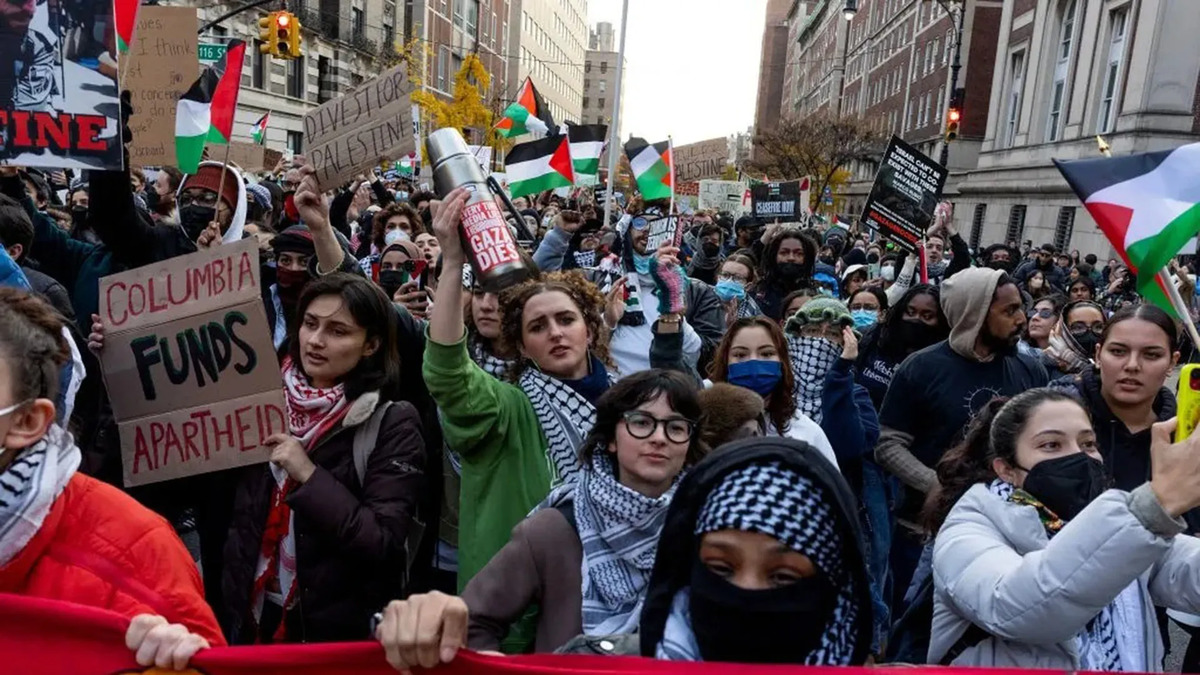
Poll: 60% of American Generation Z prefer Hamas over Israel

Several global newspapers have addressed the shifts in the American stance among the youth of Generation Z regarding the Israeli-Palestinian conflict, the political role of President Donald Trump, and his relationship with Israeli Prime Minister Benjamin Netanyahu - who is wanted by the International Criminal Court - in addition to the ongoing humanitarian suffering in Gaza.

The Israeli newspaper "Harris" published the results of a recent opinion poll conducted by Harvard University in the United States, showing a notable shift in American youth's attitudes towards the Israeli-Palestinian conflict, revealing that 60% of those belonging to Generation Z prefer the Islamic Resistance Movement (Hamas) over Israel, compared to only 40% who expressed support for Tel Aviv.

The poll, conducted by the university during August, included more than 2,000 American voters and also revealed a clear gap between the attitudes of generations and party affiliations regarding the war in Gaza.

According to the newspaper, the results reflect the clear change in American youth's attitudes towards Palestinians and the Gaza war, highlighting the role of Generation Z in shaping future public opinion in the United States.

The Israeli newspaper "Yedioth Ahronoth" highlighted the student hostility towards Israel in American schools and universities, which persists despite the end of the war in Gaza.

The newspaper pointed out that what it described as "anti-Israel indoctrination" remains entrenched among a wide segment of youth, and that this phenomenon is no longer limited to the leftist movement but also includes a segment of right-wing youth.

In a related context, the newspaper "The National Interest" shed light on the role that the Trump administration seeks to play in the Middle East, noting that Trump is trying to be a pivotal element in calming regional conflicts.

It added that this engagement carries risks, as the war in Gaza comes amid a series of complex issues that include Iraq, Lebanon, and Syria, making Washington's task complicated and intertwined.

The newspaper explained that U.S. efforts aim to resolve some long-standing conflicts, and the administration hopes that its success will contribute to the emergence of a new phase of regional stability.

The Israeli newspaper "Maariv" discussed an article by writer Anna Barsky, who spoke about the secret of "Trump's embrace with Netanyahu turning into a political trap," where the article referred to Trump's message to Netanyahu regarding his request for a pardon, which began as an ideological partnership years ago but has now become a political and legal dilemma.

According to the article, Trump seeks to establish an image of a "winner" before American voters as a model of deal-making, but when the background is political, security coordination becomes contingent on mutual interests.

As a result, Israel speaks of its efforts to disarm Gaza, while Trump seeks to reduce the political noise surrounding the sector.

In a humanitarian coverage from another angle, the British newspaper "The Independent" published a report about the suffering of 34-year-old Gazan Amani, a mother of three, who received the "Phoenix-Space" scholarship to study for a master's degree at the University of Bristol earlier this year.

The newspaper explained that Amani had to give up the scholarship due to a government policy that she considered "unfair," as it prevented her from traveling to the United Kingdom due to restrictions imposed on her family members' travel to Britain.

The newspaper stated that Amani was displaced with her family seven times during the ongoing war, and her home, which she was preparing to be a safe environment for her children, was destroyed.

PALESTINE

Sat 15 Nov 2025 6:56 pm - Jerusalem Time

The Trump administration is pressuring Israel to make progress regarding Hamas fighters in Rafah.

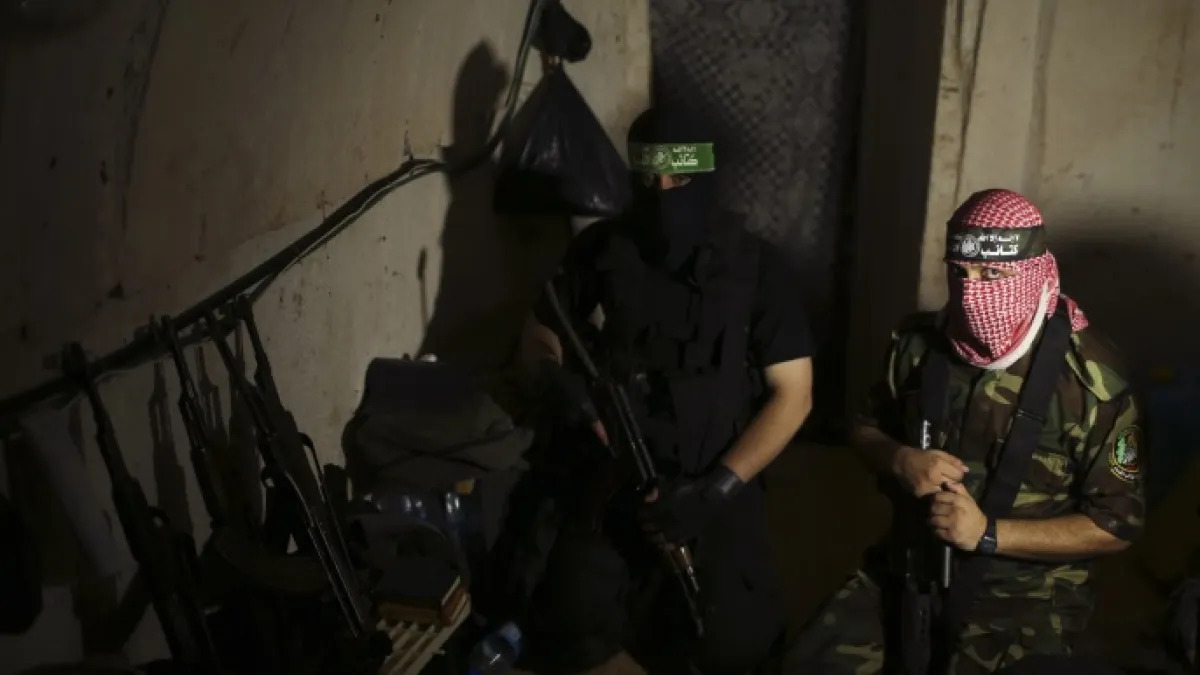
Israeli sources reported that the administration of U.S. President Donald Trump is pressuring Israel to make progress towards viable solutions regarding Hamas fighters in the tunnels of Rafah behind the yellow line, where the Israeli army is deployed.

The issue was discussed in meetings between U.S. envoy Jared Kushner and Israeli Prime Minister Benjamin Netanyahu earlier this week.

Sources mentioned that the Americans want to move forward to the next phase of the Gaza agreement and close the file on the Rafah fighters, where the idea of relocating Hamas fighters to a third country was raised for discussion.

PALESTINE

Sat 15 Nov 2025 5:22 pm - Jerusalem Time

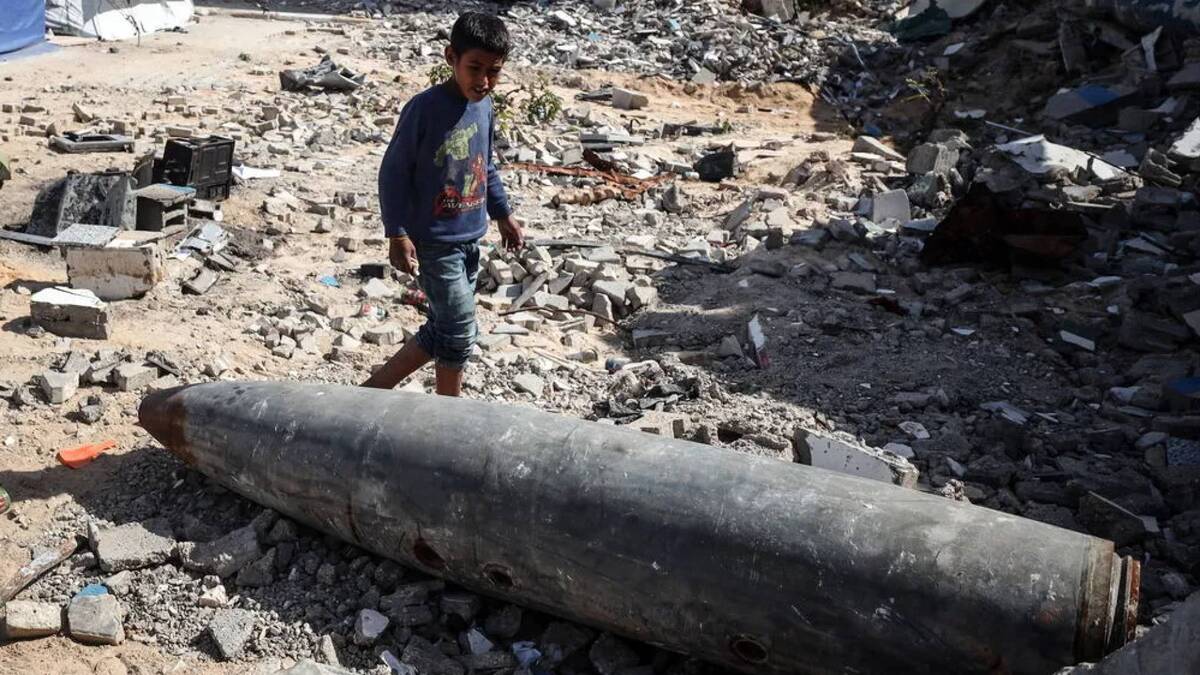
Economist Report: 7,000 tons of unexploded ordnance buried in Gaza, and the demining mission could take 30 years.

The British magazine 'The Economist' published a shocking report titled 'The Risks Lurking Beneath the Rubble of Gaza,' confirming that the devastated sector may contain more unexploded bombs than anywhere else in the world.

The report warned that these munitions represent the greatest long-term dangers resulting from the war, as they continue to kill and injure civilians even after the bombing has stopped.

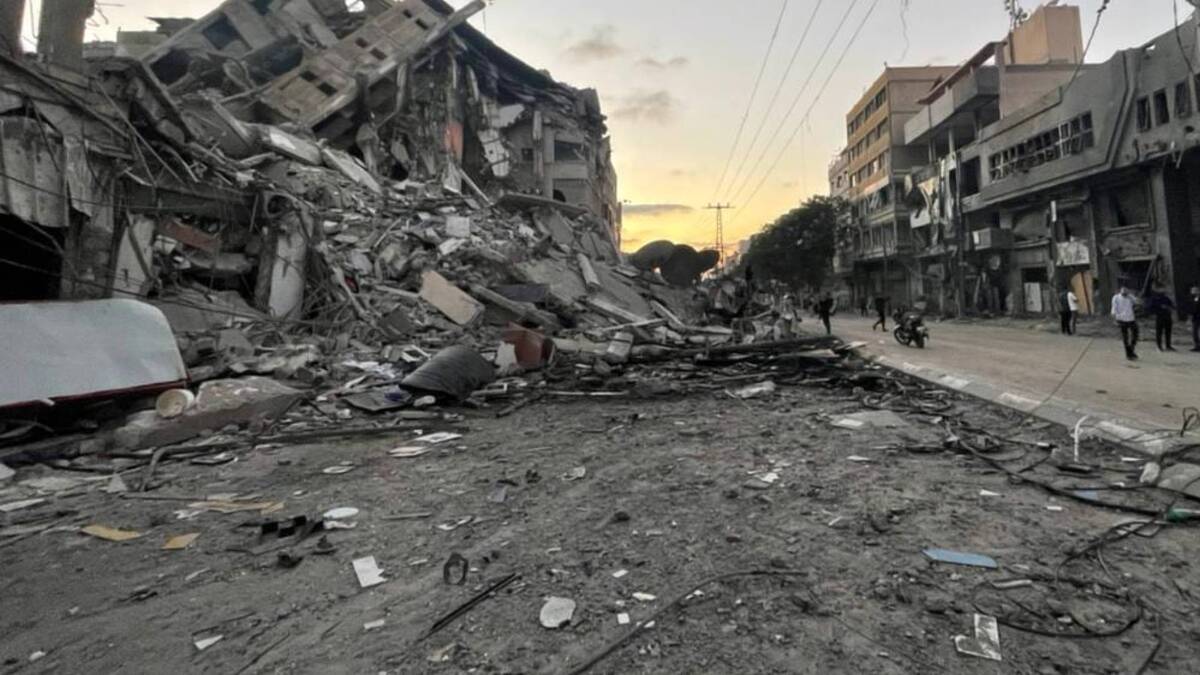
The magazine noted that the occupying army has dropped about 70,000 tons of explosives on the Gaza Strip since October 7, 2023, with approximately 10% of them (i.e., 7,000 tons of munitions) remaining unexploded.

It revealed that some of these bombs are equipped with delayed detonation mechanisms to explode inside building structures or underground.

UN estimates indicate that these munitions are spread across about 40% of residential neighborhoods in Gaza, with more than 3,000 tons concentrated in Beit Hanoun, Beit Lahia, and Jabalia.

A UN database showed that more than 53 people have been martyred and hundreds injured due to the remnants of the war that lasted two years, with relief organizations believing that the actual number may be much higher.

The organization 'Humanity and Inclusion' warned that removing all these remnants could take between 20 and 30 years, unless there is extensive and rapid international engineering intervention.

Although Britain has pledged £4 million for the efforts of the United Nations Mine Action Service (UNMAS), the main obstacle lies in the occupation's restrictions on the entry of experts and necessary equipment.

The magazine confirmed that many of the essential demining tools are listed among the occupation's prohibited items as 'dual-use' goods.

The magazine pointed out that the United Nations is still struggling to remove unexploded munitions in Mosul, Iraq, after the war against ISIS, while Gaza has faced more intense bombardment, making the demining mission there an even greater challenge.

PALESTINE

Sat 15 Nov 2025 4:54 pm - Jerusalem Time

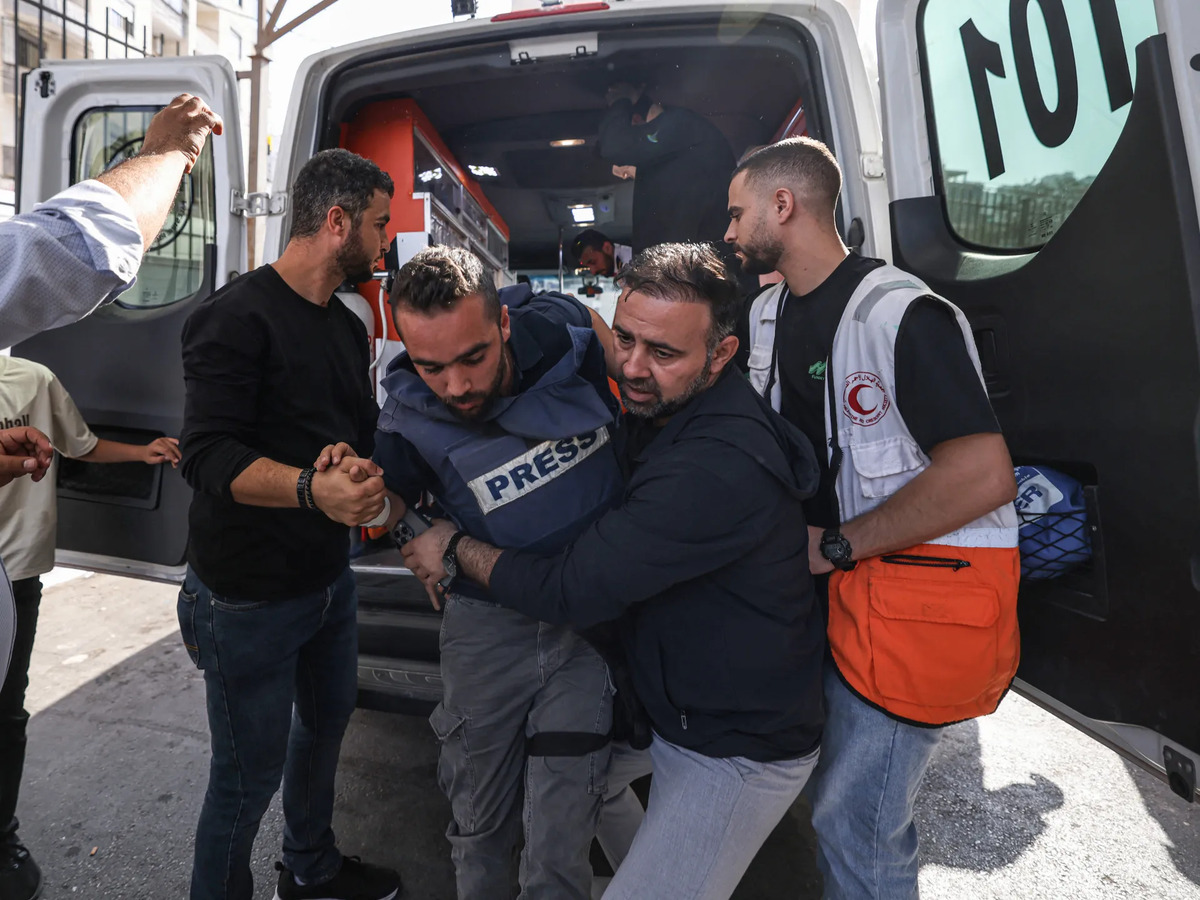
Unprecedented terrorism.. Settlers attacked 23 journalists in the West Bank in 2025.

The Committee to Protect Journalists documented 11 incidents of assault against 23 Palestinian and international journalists by Israeli settlers in the West Bank this year, compared to one assault in 2024.

It noted that journalists are facing unprecedented levels of terror, with an increase in settler violence against Palestinians.

The United Nations recorded more than 260 settler attacks last October, coinciding with the annual olive harvest season, the highest number of attacks since the UN began documenting in 2006.

Sarah Al-Qudat, the regional director of the committee, stated that extremist settlers in the West Bank are waging one of the most aggressive campaigns of intimidation and land seizure since Israel occupied the territories in 1967.

She confirmed that the attacks target not only Palestinians but all journalists covering the escalating violence of the settlers.

According to research conducted by the Committee to Protect Journalists, at least 17 journalists were wearing vests marked "Press."

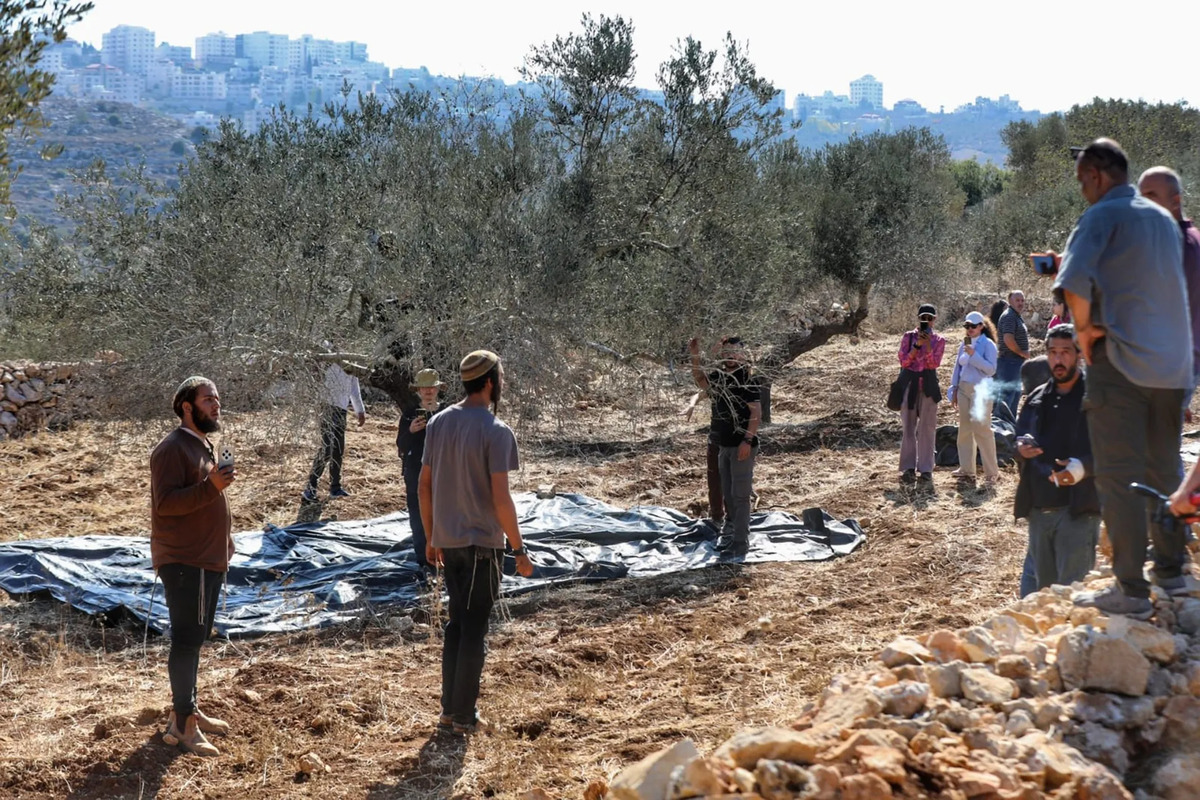
On November 8, settlers, some masked and armed with sticks and sharp tools, attacked a group of journalists covering news about Palestinian farmers and international volunteers harvesting olives in the village of Beta in northern West Bank, resulting in injuries to at least 5 journalists.

Al Jazeera reporter Mohammad Al-Atrash told the committee that the settlers descended and attacked everyone in sight, prompting him to flee into a valley to escape the hail of stones, resulting in a broken leg and the destruction of his camera.

His photographer, Louay Al-Saeed, was also injured, while Reuters correspondent Raneen Swafta was brutally beaten on the head and chest.

Al-Atrash confirmed, "We were wearing press vests and helmets; without them, our injuries would have been much worse," describing the attack as organized and tactical, with settlers moving in groups like militias, amidst Israeli soldiers who did not intervene to stop the violence.

Nasser Ishtiyeh, who works for SOPA Images, stated that settlers hit him with sticks and stones on his shoulders, neck, and arm, causing nerve damage on the right side of his neck and body.

Nail Bouytel from Xinhua News Agency was also chased and stoned, forcing him to undergo surgery on his right leg due to a fracture.

On October 19, American journalist Jasper Nathaniel was stoned, and settlers smashed the window of his car while he was covering an attack on Palestinian farmers in the town of Turmus Ayya, north of Ramallah.

He told the Committee to Protect Journalists that the attackers ignored his cries of "Press, American, Press."

On October 10, 4 Palestinian journalists were injured: Jaafar Ishtiyeh from AFP, Wahaj Bani Mflah from Quds News Network in Ramallah, Saja Al-Alami from Al-Ghad TV in Cairo, and Yazan Hamayel from Al-Fajr Palestinian TV while covering a settler attack on farmers in the village of Beta in southern Nablus Governorate.

Ishtiyeh was beaten and hospitalized, and settlers burned his car, while the others were injured from inhaling tear gas and sound bombs.

PALESTINE

Fri 14 Nov 2025 2:24 pm - Jerusalem Time

U.S. intelligence reveals Israel's use of Palestinians as human shields in Gaza.

Recent American intelligence reports have revealed that Israeli officials discussed sending Palestinians into tunnels suspected of being rigged with explosives, raising serious questions about the use of civilians as human shields in the Gaza Strip. Sources indicate that this information reached the White House and sparked widespread debate within the American political community regarding the legal and ethical implications of these practices.

According to reports from Reuters and Al Jazeera, U.S. intelligence agencies gathered information indicating that some Israeli officials sent Palestinians, some of whom were not suspected of involvement in violence, to enter potential booby-trapped tunnels in order to identify any risks before Israeli forces entered. Reports indicated that some of these civilians or detainees were wearing Israeli military uniforms or had their hands bound during the operation, and Israeli soldiers used an internal term known as "Shwaish" to refer to these individuals.

Reports indicated that the United States internally discussed whether these practices constituted a deliberate violation of international humanitarian law, which prohibits the use of civilians as human shields, and U.S. military legal advisors examined the available evidence before concluding that these cases did not reach the level of officially classifying them as war crimes. This decision reflects the complex challenges Washington faces in balancing its strategic relationship with Israel against international legal obligations and the protection of civilian rights.


International human rights organizations, such as the Euro-Med Monitor and Breaking the Silence, have documented several cases of Palestinians being forced to enter tunnels or homes suspected of being booby-trapped, placing them in direct danger to their lives. The United Nations also confirmed in a report that some of these practices "constitute the use of civilians as human shields," raising concerns about widespread human rights violations during armed conflicts in Gaza.

In-depth analysis reveals two main dimensions to this information: the first relates to ethics and humanity, where civilians are employed as military tools, reflecting a blatant threat to civilian life and provoking popular and international outrage. The second is a political and strategic dimension, placing Washington in a significant dilemma; it is a major supporter of Israel, but dealing with information about practices that may amount to violations of international law imposes political and diplomatic pressure, especially amid rising discussions about international legal accountability.

The report also raises questions about the nature of Israeli military practices: Is it an official systematic policy, or limited local procedures within specific combat scenarios? The limited transparency of Israeli investigations makes it difficult to determine the extent and frequency of these practices, complicating the international community's assessment of the real risks to civilians.

These developments indicate that the modern Gaza war, in its battlefield and technical forms, is no longer merely a confrontation between armed forces, but includes a psychological and humanitarian war, where civilians become indirect tools of the conflict. These cases highlight the urgent need to strengthen international controls on armed conflicts and the necessity of holding any party that violates international humanitarian law accountable, in order to protect civilians and mitigate human suffering.

Ultimately, the revelation from American intelligence raises a sensitive issue on the international stage: How can allied countries confront or address potential violations by a strategic partner without harming bilateral relations? What guarantees are required to ensure the protection of civilians in conflict areas? These questions remain on the global discussion table, amid ongoing escalating tensions in the Gaza Strip and increasing humanitarian risks to civilian populations.

PALESTINE

Fri 14 Nov 2025 2:22 pm - Jerusalem Time

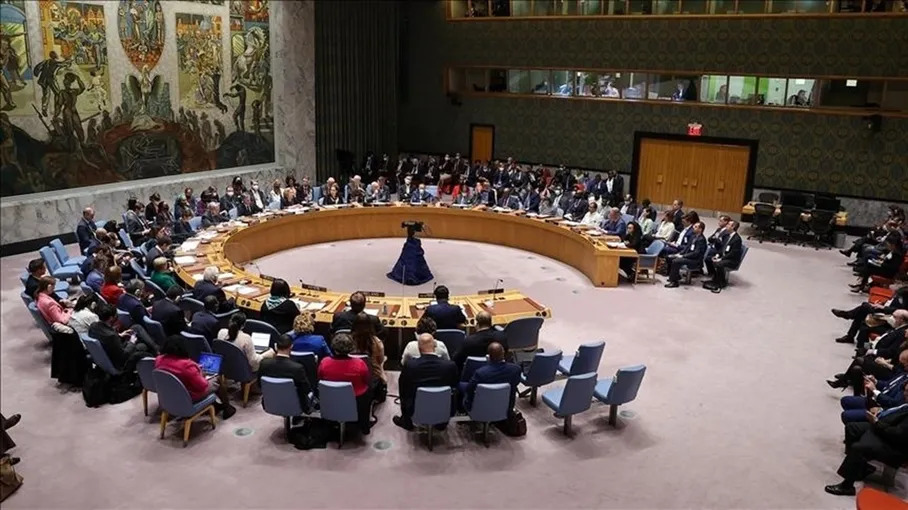
A Russian proposal in the Security Council regarding Gaza challenges an American draft.

Russia presented a draft resolution in the United Nations Security Council regarding the Gaza Strip on Thursday, challenging U.S. efforts to pass a text it drafted in the council, which would support President Donald Trump's plan to end the war in the Gaza Strip.

The United States officially distributed the draft resolution to the fifteen members of the Security Council last week, stating that it has regional support for its decision, which would grant a two-year mandate to a transitional governing body and an international force to achieve stability.

The Russian mission to the United Nations stated in a memo, which Reuters reviewed, to Security Council members on Thursday afternoon that "its draft resolution is inspired by the American draft resolution."

The memo stated that "the aim of our draft is to enable the Security Council to adopt a balanced, acceptable, and unified approach towards achieving a sustainable cessation of hostilities."

The Russian draft requests that the UN Secretary-General identify options for an international force to stabilize Gaza, and does not mention the "Peace Council" that the United States proposed to establish to manage the transitional period in Gaza.

The U.S. mission to the United Nations urged the Security Council to move forward with approving the American text.

A spokesperson for the U.S. mission stated that "attempts to sow discord now - when agreement on this resolution is under active negotiation - have serious and tangible consequences that can be entirely avoided for the Palestinians in Gaza," adding that "the ceasefire is fragile, and we urge the council to unite and move forward to achieve the much-needed peace."

The Israeli occupation and Hamas agreed last October to the first phase of Trump's 20-point plan regarding Gaza, to end a two-year war and release Israeli prisoners in exchange for Palestinian detainees.

This plan is attached to the American draft resolution.

Trump has ruled out sending American troops to the Gaza Strip, but officials are discussing the establishment of a force consisting of about 20,000 soldiers, and are having discussions with Indonesia, the UAE, Egypt, Qatar, Turkey, and Azerbaijan to participate in it.

PALESTINE

Fri 14 Nov 2025 2:14 pm - Jerusalem Time

United Nations: The displacement of Palestinians amounts to a war crime

The United Nations Office of the High Commissioner for Human Rights stated that the permanent displacement of Palestinians within the occupied Palestinian territories amounts to a war crime, emphasizing that the Israeli government's claim of sovereignty over the West Bank and the annexation of parts of it constitutes a clear violation of international law.

The office clarified in a statement that the demolition of homes, confiscation of property, and ongoing assaults by settlers and Israeli forces against Palestinians fall within a systematic pattern of violations.

For his part, the UN High Commissioner for Human Rights Volker Turk called for an end to the attacks against Palestinians and their property and for holding those responsible accountable, stressing the necessity of enabling Palestinians to exercise their right to self-determination.

He stated that Israel must end its illegal presence in the occupied territories, halt all settlement activities, and evacuate the settlers.

According to the latest UN data, more than 1,500 Palestinians have been displaced in the West Bank since the beginning of 2025 due to demolition operations under the pretext of lacking permits.

The report added that 30 Palestinians, including 4 children, were injured in a single week due to assaults by Israeli settlers, while satellite images showed the destruction or damage of approximately 1,460 buildings in the Jenin, Nur Shams, and Tulkarm camps.

The office also noted that settlers burned a house in the village of Khirbat Abu Falah near Ramallah, resulting in the displacement of a family of 6 members.

Between November 4 and 10 of this month, Israeli forces killed 4 Palestinians in the West Bank, including 3 children, raising the number of children killed by Israel since the beginning of the year to 45.

These developments come amid the escalation of daily attacks carried out by settlers under the protection of the Israeli army, and the continued incursions into Palestinian cities and towns in the occupied West Bank, including occupied Jerusalem, since the onset of the Israeli genocide in Gaza on October 7, 2023.

The assaults in the West Bank have resulted in the martyrdom of 1,071 Palestinians and the injury of about 10,000 others, in addition to the arrest of more than 20,000 citizens, including 1,600 children, according to Palestinian medical sources.

PALESTINE

Fri 14 Nov 2025 1:44 pm - Jerusalem Time

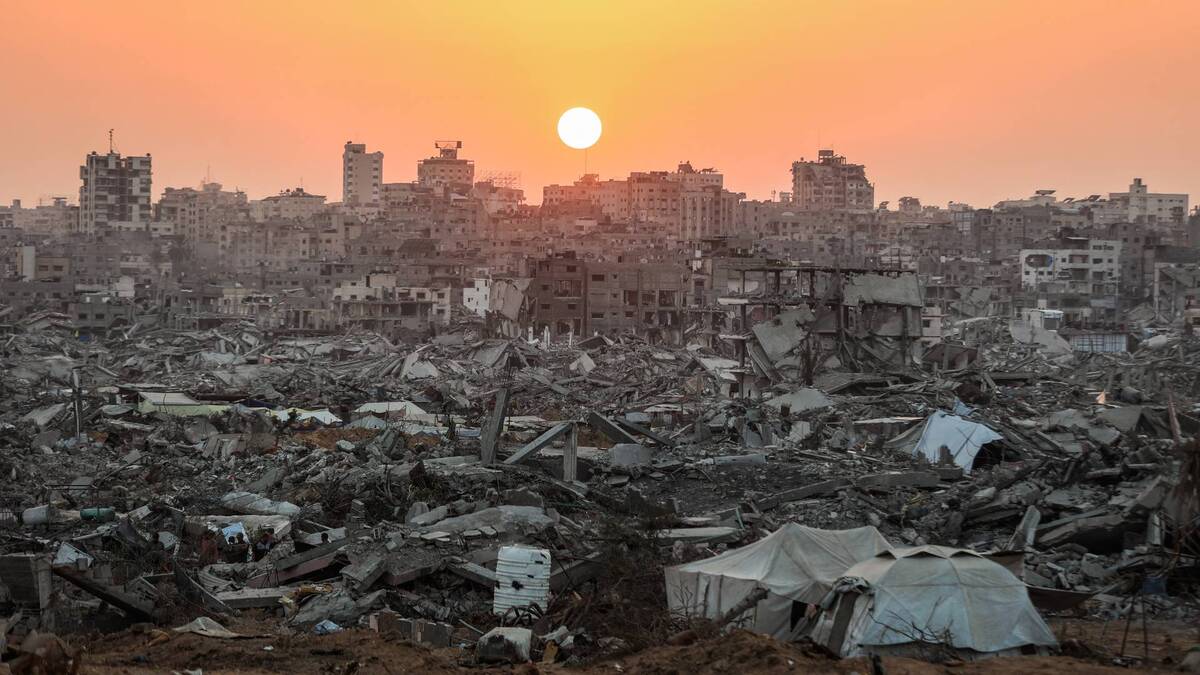
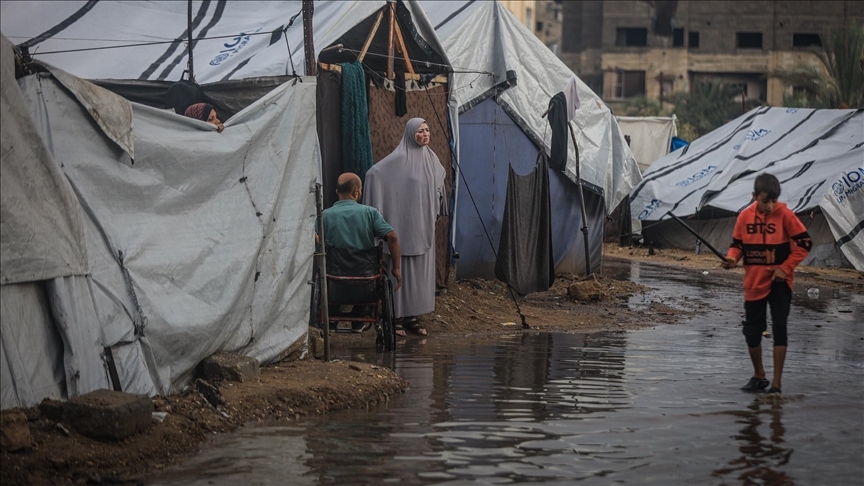
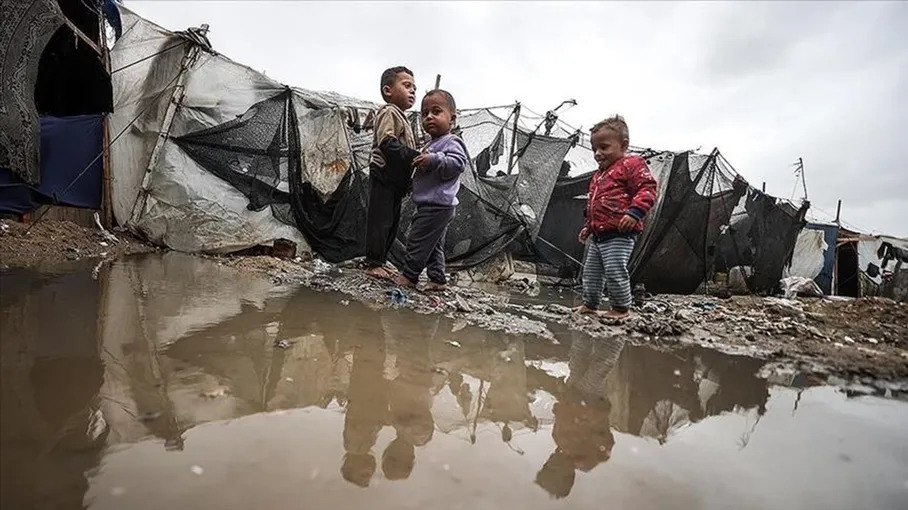
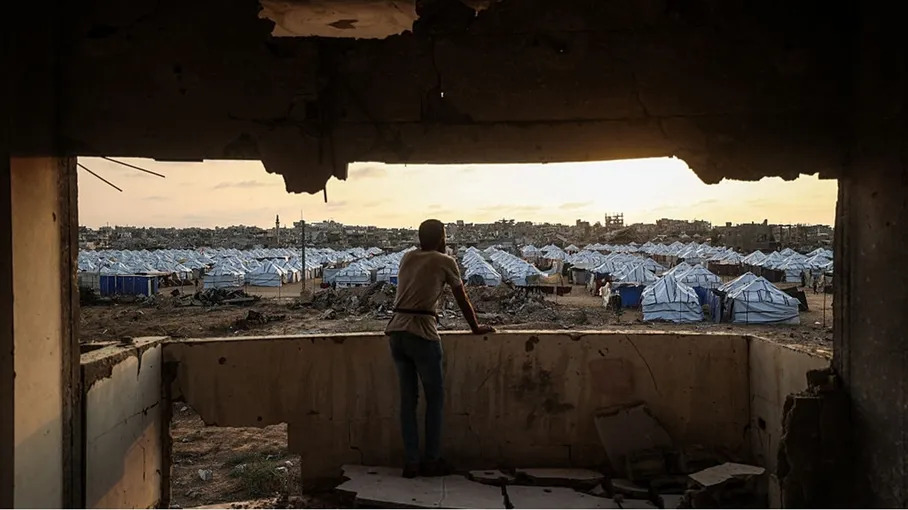
Civil Defense in Gaza: Rainwater floods hundreds of tents for the displaced.

The Civil Defense apparatus in the Gaza Strip stated on Friday that hundreds of tents for Palestinian displaced persons have been flooded due to rainwater, coinciding with the first weather depression to hit the region this year, more than a month after the ceasefire between Israel and Hamas.

Mohammed Bissal, the Civil Defense spokesperson, said in a video statement: "With the first rainfall in Gaza early Friday, hundreds of tents were flooded, especially in Gaza City," describing the situation as "catastrophic."

He explained that his teams observed tents in Gaza City "flooded along with the belongings of citizens" and their clothes, which they had previously retrieved from under the rubble of their destroyed homes.

The displaced persons are living in a tragic reality due to the lack of basic necessities and the difficulty in accessing essential supplies, compounded by the ongoing Israeli blockade.

Most of these displaced individuals have taken shelter in damaged tents, while the government media office estimated at the end of September that about 93 percent of the tents were no longer suitable for habitation in the sector, amounting to 125,000 tents out of 135,000.

Over nearly two years of genocide, tens of thousands of tents have been damaged due to Israeli bombardment, which directly hit them or targeted their surroundings.

Amid this tragic reality, Bissal stated that the displaced do not know where to go due to the lack of shelter centers amidst the massive destruction left by Israel over two years of genocide.

Bissal warned of the dangers of staying in homes at risk of collapse due to the rainfall, fearing they might flood and collapse.

Since the ceasefire agreement in Gaza came into effect on October 10, thousands of Palestinians have preferred to live in their partially destroyed homes or on the ruins of their destroyed houses, given the lack of alternatives, especially mobile homes.

Earlier on Friday, Bissal stated in a press release that Palestinians woke up at night to find their tents and shelters flooded, in a scene that was "very heartbreaking."

He clarified that the Civil Defense received "hundreds of signals from Palestinians requesting help and assistance," but the lack of resources and capabilities hindered the response process.

He called on the world to stand up to its responsibilities regarding the heinous crime represented by "the failure to provide any safe place or shelter center for Palestinians to resort to."

PALESTINE

Fri 14 Nov 2025 1:00 pm - Jerusalem Time

A new disaster in Gaza.. The rains flood the shelters and the displaced are left without a home.

The Civil Defense Authority in Gaza stated on Friday that tents and shelters for displaced persons in various areas of the sector have been flooded since the night with rainwater, in a scene that exacerbates the tragic living conditions of Palestinians who are already suffering from the effects of war and siege.

The Palestinian territories are affected by a low-pressure system accompanied by a cold air mass, heavy rains, and occasional thunderstorms, according to what the official news agency reported from the Meteorological Department.

Mohammed Basal, the spokesperson for the Civil Defense, said that the water level in some areas of the shelters reached more than 10 centimeters, causing the tents and their contents, including blankets, mattresses, and clothes, to be submerged. He noted that the agency has received "hundreds of signals from Palestinians requesting help and assistance," but the lack of resources has hindered a full response.

Basal added that the low-pressure system has worsened the tragic reality for the displaced, considering that the sector is going through a "catastrophic phase that is no different from killing and death," emphasizing that Palestinians are facing difficult choices in the absence of alternatives.

He explained that there is internal displacement occurring in various areas of the sector, as the displaced seek safe shelter to protect them from the winter cold and rain.

Earlier, Jens Laerke, spokesperson for the United Nations Office for the Coordination of Humanitarian Affairs, described the humanitarian situation in Gaza as "catastrophic," pointing out that Israel continues to obstruct the adequate delivery of humanitarian aid despite more than a month having passed since the ceasefire agreement that came into effect on October 10.

The displaced people in the sector are living in tragic conditions with a lack of basic life necessities and difficulty accessing vital services, while the majority of families rely on damaged and dilapidated tents for shelter.

The government media office estimated at the end of September that 93 percent of the tents were no longer suitable for habitation, which is about 125,000 tents out of 135,000.

Additionally, tens of thousands of displaced tents have been damaged due to direct or nearby Israeli bombardment or natural factors such as sunlight, winds, and rain, while alternatives are not available due to Israeli restrictions on the entry of humanitarian aid, including tents and mobile homes.

This comes in the wake of the Israeli genocide that began on October 8, 2023, which has resulted in more than 69,000 Palestinian martyrs and over 170,000 injured, most of whom are children and women, while the United Nations estimated the cost of rebuilding Gaza at around 70 billion dollars.

PALESTINE

Fri 14 Nov 2025 12:06 pm - Jerusalem Time

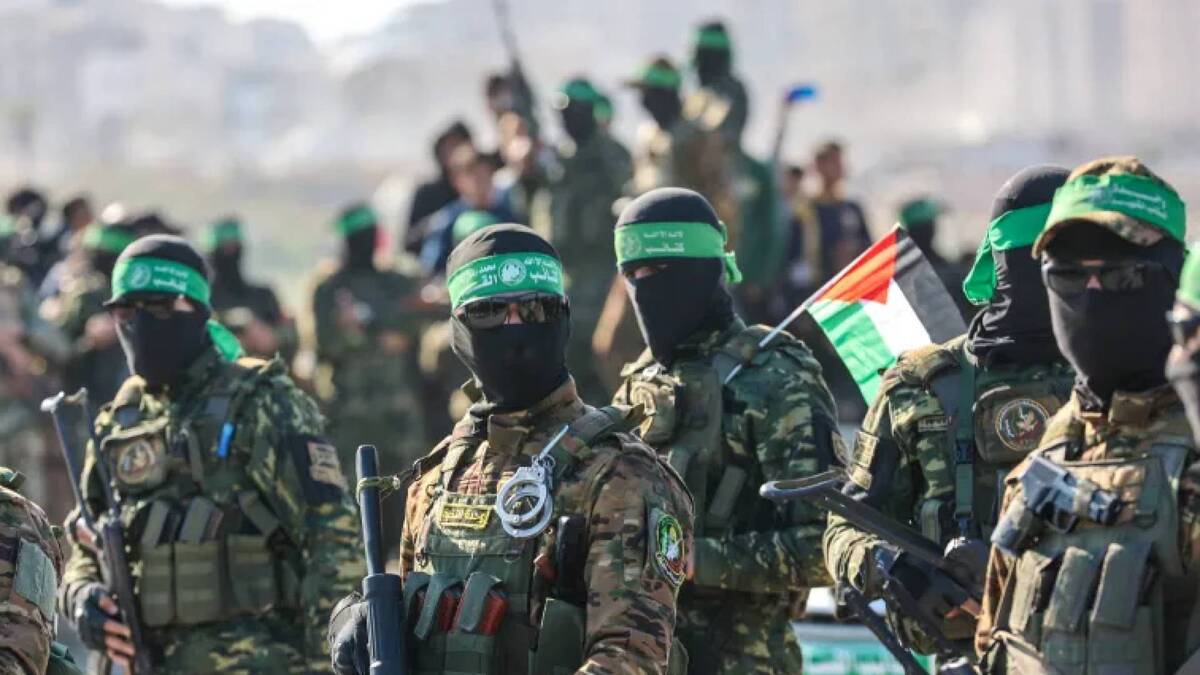
Hamas consolidates its quiet control over Gaza by imposing taxes and fines.. and Washington reiterates: "It will have no role in governance."

At a time when U.S. plans for the future governance of the small enclave are still "slowly taking shape," residents and traders in the Gaza Strip revealed that Hamas has begun quiet steps to re-establish its control over the territory.

This move comes after the ceasefire began last month on October 10, with reports indicating that Hamas quickly regained control over areas from which Israel withdrew, executing dozens of Palestinians on charges of "collaborating with Israel or theft."

Dozens of Gaza residents said they increasingly feel Hamas taking control in non-military ways. Ten residents, including three traders with direct knowledge of the matter, confirmed that the authorities are monitoring everything that enters the areas under their control.

They added that the authorities are "imposing taxes on certain goods" imported by the private sector, such as fuel and cigarettes, and are imposing fines on traders who sell goods at prices higher than the set price.

For his part, Hatem Abu Dalal, owner of a commercial center in Gaza, stated that prices are high due to a shortage of incoming goods, confirming that "government representatives are trying to stabilize the economy through field visits, inspecting goods, and setting prices."

In contrast, Ismail Al-Thawabta, director of the government media office in Gaza, denied reports of taxes being imposed on cigarettes and fuel, describing them as "inaccurate," and denied that the government has raised taxes.

These moves by Hamas come amid a clear stagnation in efforts to advance the "Trump Plan" for Gaza. Despite the ceasefire beginning on October 10, the subsequent phases of establishing a transitional authority, deploying a multinational force, and disarming Hamas remain stalled.

Ghaith Al-Omari, a senior fellow at the Washington Institute for Near East Policy, believes that Hamas's actions "aim to show both the residents of Gaza and foreign powers that it cannot be marginalized."

In a sharp response to reports of Hamas imposing fees and regulating markets, a U.S. State Department spokesperson said: "That’s why Hamas cannot govern Gaza, and it will not happen."

PALESTINE

Fri 14 Nov 2025 11:52 am - Jerusalem Time

Global newspapers: Settlers' destruction of olive groves in the West Bank is ethnic cleansing.

Israeli and international newspapers have highlighted the increasing criticisms directed at Israel worldwide, the rising assaults by settlers in the West Bank, alongside a political crisis within the Israeli president's office.

The "Times of Israel" reported that Israel is facing an unprecedented wave of international rejection, particularly in Western countries that have traditionally been considered closer to its allies.

The newspaper held Benjamin Netanyahu's government directly responsible for this deterioration in Israel's external image, due to the policies of the ruling right-wing coalition, which is pushing for the annexation of the West Bank and the displacement of Gaza's residents, according to the article.

The newspaper believes that the government's decisions, especially the prevention of humanitarian aid into Gaza under the pretext of pressuring Hamas to release prisoners, have caused severe damage to Israel's reputation.

It added that the Israeli army's disregard for settler violence and the leniency of law enforcement agencies—which often exempt those involved from accountability—have exacerbated these criticisms.

In this context, the British newspaper Independent focused on settlers setting fire to a mosque in the West Bank, just one day after Israeli President Isaac Herzog condemned similar attacks against Palestinians.

The settlers wrote phrases threatening further assaults, in a message that the newspaper considered a blatant challenge to their critics, including Israeli officials.

The newspaper points to growing concern within Israeli security agencies and even among the administration of U.S. President Donald Trump regarding the increasing and expanding violence of the settlers.

Meanwhile, the French newspaper Le Monde highlighted a notable rise in settler attacks since the beginning of October, especially during the olive harvest season, which is a source of livelihood for about 100,000 Palestinians.

The newspaper states that acts of vandalism against olive groves often occur under military protection, noting that the United Nations has recorded more than 150 attacks since the start of the season, the highest number recorded in years.

Le Monde's report concluded that what it termed the "olive battle" is taking on a form of ethnic cleansing in the West Bank.

Within Israel, an article in Yedioth Ahronoth addressed the political and legal dilemma faced by the president following a message from his American counterpart calling for a pardon for Netanyahu.

Despite the lack of legal value of the message, the newspaper states that pressure on Herzog is increasing, while Netanyahu seeks to avoid any admission of guilt, making the Israeli president's decision a pivotal moment in the balance of power and the judiciary within Israel.

PALESTINE

Fri 14 Nov 2025 9:34 am - Jerusalem Time

Settlers are wreaking havoc in the West Bank.. and condemnations for the mosque burning incident.

A number of settlers stormed Khirbat Samra in the northern Jordan Valley, and skirmishes broke out with the locals who confronted them. Settlers continue their repeated incursions into the area, aiming to pressure citizens to force them to leave their homes.

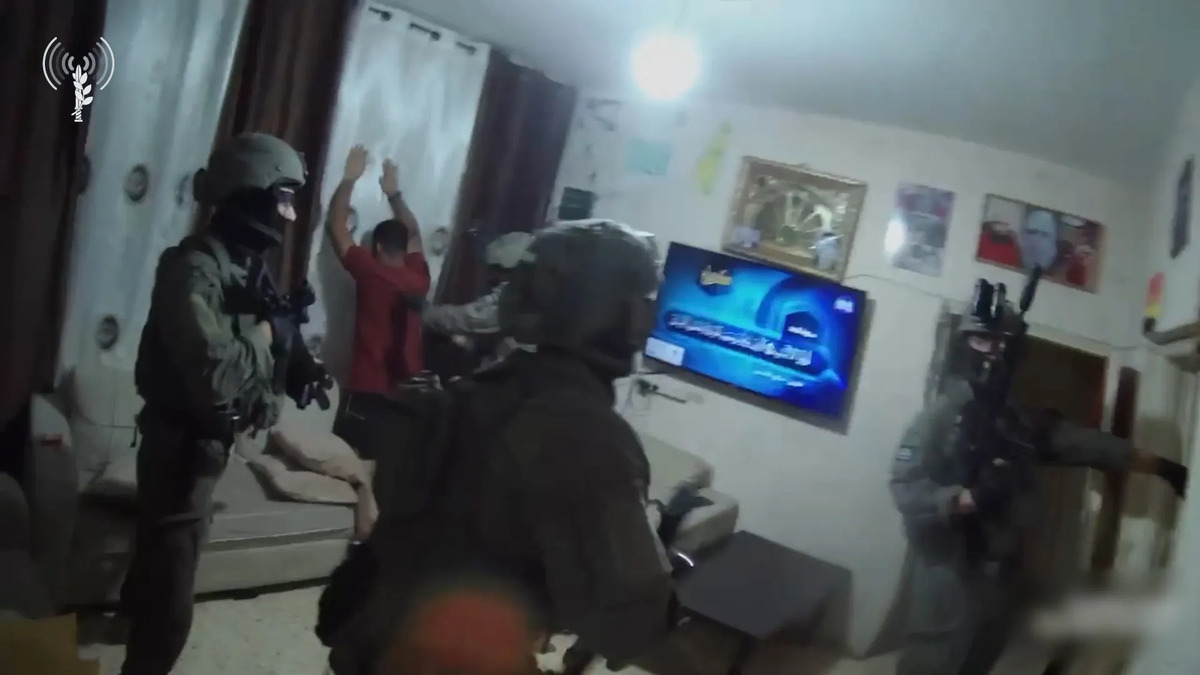
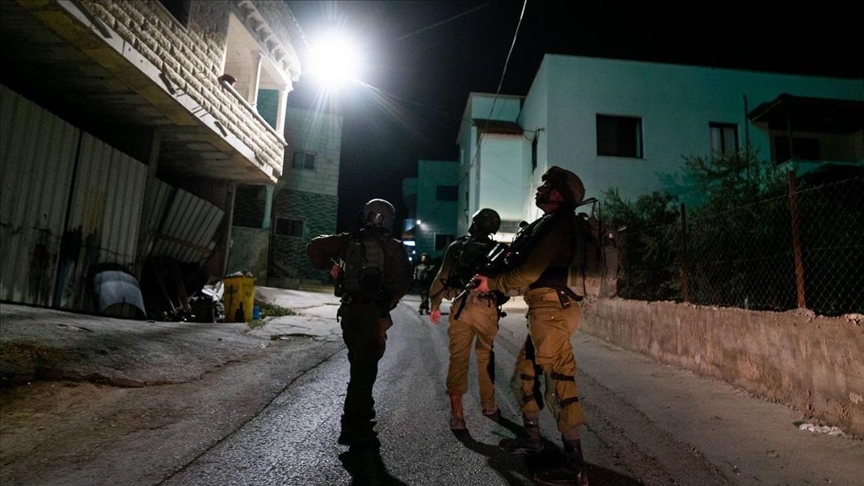
Israeli occupation forces arrested a citizen from the town of Arraba south of Jenin early Friday after raiding his home. They also stormed Arraba early Friday, raided a house, turned it into an interrogation center, and detained several young men there.

International and local condemnations continued regarding the arson of a mosque in the West Bank by settlers, with the Swiss Foreign Ministry expressing concern over the escalation of violence by Israeli settlers against Palestinians.

LATEST NEWS

Fri 14 Nov 2025 8:34 am - Jerusalem Time

Guterres condemns the attack by settlers on the Hajjah Hamida Mosque in Salfit Governorate.

The Secretary-General of the United Nations, Antonio Guterres, condemned the attack by settlers on the Hajjah Hamida Mosque in Salfit Governorate yesterday, Thursday.

This was stated by the UN spokesperson, Stefan Dujarric, during a press conference held yesterday evening, Thursday.

He said: "The Secretary-General condemns the attack carried out by settlers on a mosque in the occupied West Bank."

Guterres expressed his concern over the burning of a mosque in the West Bank by settlers who have seized Palestinian lands.

He affirmed that such violent acts and the desecration of religious sites are "absolutely unacceptable," emphasizing the need to always respect places of worship and ensure their protection.

He also stated that Guterres condemns all attacks by settlers on Palestinians and their properties in the occupied West Bank, and he confirms that such incidents are part of a growing pattern of extremist violence that escalates tensions.

He added that Israel, as the occupying power, has a duty to protect Palestinian civilians and ensure accountability for those responsible for these attacks.

PALESTINE

Thu 13 Nov 2025 7:38 pm - Jerusalem Time

Excellence and adeath: Duha Abu Dalal achieves 96.7% in high school after her martyrdom in the occupation's airstr

The story of Duha Abu Dalal serves as a reminder of the heavy human costs of war and the violation of the ceasefire.

Palestinian medical sources reported that the aggression has not completely stopped, as 245 people have been martyred and 623 injured since the implementation of the ceasefire agreement between the occupation and Hamas.

The Ministry of Education in the Gaza Strip announced today, Thursday, the results of the general secondary exams, bringing joy to the students and their families after an exceptional school year filled with difficult challenges.

However, this public joy was not complete for everyone, as the story of student Duha Nazmi Abu Dalal from the Nuseirat camp emerged, who achieved an impressive score of 96.7 percent, yet was killed along with 18 members of her family in the occupation's airstrikes.

Success amidst war and the violation of the ceasefire sparked a wide wave of interaction and sympathy among users on social media platforms after her result and photo circulated.

The student, who struggled against the conditions of war to excel, was killed during airstrikes carried out by the occupation last October, following the breach of the ceasefire agreement.

The Palestinian news agency revealed in late October that an airstrike on the Abu Dalal family's home in the Nuseirat camp in the central Gaza Strip resulted in the deaths of 18 family members, including children and women, painting a painful picture of the war's losses.

Despite the ceasefire, Duha's result stands as a symbol of the Palestinian will for life and education, yet her fate underscores the necessity of protecting civilians.

In a related context, Palestinian medical sources reported that the aggression has not completely stopped, as 245 people have been martyred and 623 injured since the implementation of the ceasefire agreement between the occupation and Hamas on October 10.

The story of Duha Abu Dalal serves as a reminder of the heavy human costs of war and the violation of the ceasefire.

This difficult reality requires effective international action to ensure respect for the ceasefire and the protection of civilians and students, so that the high achievers of Gaza can reap the fruits of their efforts and pursue their futures safely.

PALESTINE

Thu 13 Nov 2025 7:12 pm - Jerusalem Time

The occupation army conducted maneuvers in the West Bank according to scenarios from October 7th.

According to the Ma'ariv newspaper, the occupation army conducted this week the largest drill in the past twenty years in the West Bank.

It noted that the West Bank division and the newly established "Giladi" division were tested, and the exercise was based on scenarios and lessons learned from the attack on October 7, 2023.

The drill covered 40 different scenarios, including attacks with drones and gliders on the front line and settlements in the West Bank, incursions from the eastern border, hostage-taking, and more.

The exercise was carried out throughout the West Bank, along the front line, and in the valley.

However, the drill was conducted amid a rise in Jewish terrorism, according to the newspaper.

In this month alone, 86 attacks by extremist settlers against Palestinians were recorded, an increase of 25 incidents compared to last year's harvest season.

The newspaper stated that this began with Defense Minister Israel Katz's decision to cancel administrative detention orders and continues with Benjamin Netanyahu's silence following the difficult events that occurred the day before yesterday in the West Bank, during which dozens of extremists attacked Palestinian areas and burned properties.

PALESTINE

Thu 13 Nov 2025 6:24 pm - Jerusalem Time

Two dead in Hebron, and the occupation claims to have arrested a Hamas cell in the West Bank

The Israeli occupation army announced the killing of two Palestinians this evening, Thursday, claiming they attempted to carry out an attack with Molotov cocktails near the settlement of "Karmi Tsur," built on the lands of the town of Beit Ummar (north of Hebron) in the occupied West Bank.

The Israeli Broadcasting Authority reported that a military force opened fire on the two young men (Palestinians) as they approached the settlement, resulting in their deaths (martyrdom) at the scene.

In a related context, the Israeli army announced the dismantling of a cell affiliated with Hamas in the city of Bethlehem, claiming it was planning to carry out bombing and shooting operations against Israeli targets in the West Bank.

According to a statement from the Israeli army today, the occupation forces - in cooperation with the General Security Service (Shabak) and the police - carried out more than 15 military operations that resulted in the arrest of about 50 activists, including released prisoners, and the seizure of weapons including an "M16" rifle.

The statement claimed that one of the groups was prepared to carry out attacks in the near future, and that thwarting this infrastructure prevented large-scale operations that could result in significant human casualties.

In this context, the Israeli occupation forces raided a residential building in the Upper Dahia area of Nablus, while clashes erupted in the town of Muthalun (southeast of Jenin), during which these forces fired tear gas at Palestinian youths.

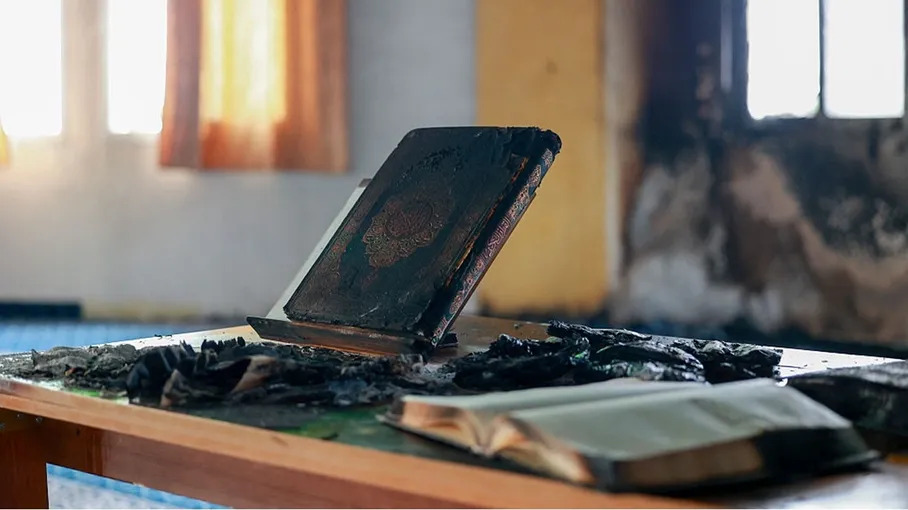
Settlers also set fire to the mosque of Hajja Hamida located between the towns of Deir Istiya and Kifl Haris (northwest of Salfit Governorate) and burned copies of the Quran inside the mosque.

For its part, Hamas described this incident as a "heinous crime and a blatant assault on religions."

Hamas confirmed in a statement that the crime of burning the mosque "once again reveals the level of sadism and racism of the occupation against our people and their Islamic and Christian sanctities."

The statement added that "the repeated assaults on land and sanctities are carried out under the direct sponsorship of the fascist occupation government, in an attempt to impose a fait accompli and change the features of the occupied Palestinian territories and the historical facts therein," calling for urgent international action to stop what it described as "systematic violations of international laws and divine laws."

In Jerusalem, a Palestinian was injured by the gunfire of the occupation army near the separation wall between the towns of Beit Hanina and Al-Ram north of the occupied holy city, with the health condition of the citizen remaining unknown at this time.

Israeli occupation bulldozers also demolished the municipal park of Biddu (northwest of occupied Jerusalem) this morning. The park, which covers an area of about 5 dunams, is the only breathing space for villages northwest of Jerusalem, and was established over 20 years ago to serve the residents and provide a public space for rest and recreation.

Settlers continued their incursions into Al-Aqsa Mosque, with 267 settlers storming its courtyards under the protection of the Israeli occupation police, according to data from the Islamic Waqf Department.

The invading settlers performed prayers and Talmudic rituals inside the blessed mosque, while the occupation police stationed at the gates of Al-Aqsa continued to prevent worshippers from entering the holy mosque during the incursions.

These developments come amid the escalation of daily attacks carried out by settlers under the protection of the Israeli army, and the continued incursions into Palestinian cities and towns in the occupied West Bank, including the holy city of Jerusalem, since the start of the Israeli genocide war in Gaza on October 7, 2023.

The assaults in the West Bank have resulted in the martyrdom of 1,071 Palestinians and the injury of about 10,000 others, in addition to the arrest of more than 20,000 citizens, including 1,600 children, according to Palestinian medical sources.

ARAB AND WORLD

Thu 13 Nov 2025 5:47 pm - Jerusalem Time

Gaza War: Huge American Business Gains from Humanitarian Tragedy

Washington – "Jerusalem" dot com - Said Arikat

The war on Gaza, since its outbreak in October 2023, has not been merely a bloody conflict between Israel and Palestinian factions; rather, it has transformed, as revealed by the Wall Street Journal, into one of the most profitable wars in modern history for American arms companies. Behind the massive destruction that has turned Gaza into rubble, a comprehensive war economy has emerged, fueled by American financing and military policies that blend strategic interests with commercial profits.

According to the investigation published by the American newspaper, Washington approved arms and military equipment deals for Israel over the past two years exceeding $32 billion, an unprecedented figure in the history of defense relations between the two countries. This continuous flow of weapons and equipment has made the war in Gaza a major catalyst for the prosperity of companies like Boeing, Northrop Grumman, Lockheed Martin, and Caterpillar, which have secured contracts worth billions of dollars to supply the Israeli army with everything it needs, from aircraft and missiles to armored bulldozers.

Although Israel receives $3.3 billion annually in American military funding, this amount doubled in 2024 to reach $6.8 billion, not counting non-cash aid or logistical and intelligence support. Thus, American taxpayers have become indirect financiers of a war that has accumulated profits for giant corporations while leaving tens of thousands dead and hundreds of thousands injured and displaced Palestinians.

Profit in Times of War

Boeing topped the list of beneficiaries from the "war economy," having received American approval to sell F-15 fighter jets worth $18.8 billion, to be delivered starting in 2029, in addition to other contracts for air-launched guided bombs valued at $7.9 billion. The newspaper estimates that these deals alone account for about a quarter of the company's current defense orders.

As for Lockheed Martin, the main supplier of precision missiles, it announced in its annual report for 2024 a 13% increase in revenues from its missile division, reaching $12.7 billion, noting that a significant portion of this increase came from Israeli demand.

Caterpillar also benefited from the war, as its armored D9 bulldozers are widely used to demolish Palestinian homes and clear rubble within Gaza, while Oshkosh supplies the Israeli army with "Eitan" armored vehicles and American engines produced by the Rolls Royce unit in Michigan.

However, this commercial boom is not without political and ethical costs. Some American companies have faced negative reactions from investors and human rights organizations, prompting major European pension funds to sell their stakes in companies involved in supplying weapons to Israel, such as Caterpillar, Oshkosh, and Palantir. Germany also announced a halt to arms exports to Israel until further notice, signaling the increasing tension between economic gains and humanitarian considerations.

Technology and Artificial Intelligence Companies at the Heart of the Battle

The American gains have not been limited to traditional defense industries but have extended to major technology companies that have entered the field of digital warfare. Microsoft, Google, and Amazon have signed agreements to provide cloud computing and artificial intelligence services to the Israeli army. In January 2024, Palantir, a company specializing in military data analysis, announced an official partnership with the Israeli Ministry of Defense.

Despite the criticism the company has faced for its technologies being used in military operations against Palestinians, its CEO Alex Karp has strongly defended cooperation with Israel, describing the dead in Gaza as "mostly terrorists." This stance, which has angered activists and human rights advocates, reveals another aspect of the ambiguous relationship between modern technology and modern wars, where artificial intelligence becomes a tool of combat as much as it is a means of surveillance and control.

Who Funds the War and Who Reaps Its Benefits?

These facts clearly highlight the economic dimension of the Gaza war: while it is presented as a security confrontation between Israel and Hamas, it actually fuels a vast financial interest network linking the American military-industrial complex with Washington's foreign policies.

Every bullet fired in Gaza, every missile launched at the strip, carries behind it the signature of a company and government approval, a deal funded by American taxpayers' money.

It seems that the American administration – despite its humanitarian rhetoric – views the war from the perspective of "strategic investment," justifying support for Israel as a security necessity, while its companies benefit from long-term contracts that ensure continued demand for weapons even during periods of relative calm.

The Gaza war has become a stark example of what is known as "sustainable war economy," turning destruction into a resource and tragedy into an opportunity. While Palestinians pay the price in blood and displacement, American companies reap profits, in a paradox that summarizes the moral dilemma in the contemporary international system: a war that claims lives, revitalizing markets.


ARAB AND WORLD

Thu 13 Nov 2025 5:46 pm - Jerusalem Time

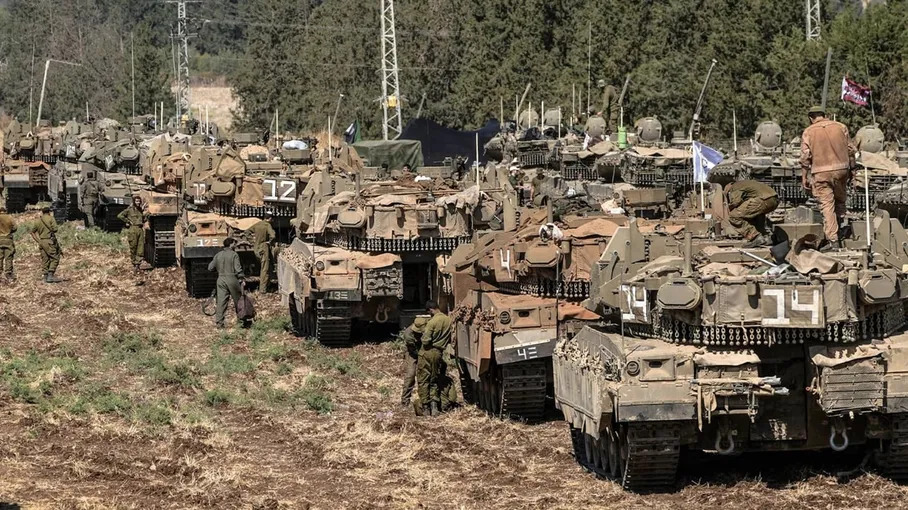
Israel is preparing for a ground invasion up to the Litani River and a return to the policy of open aggression against Lebanon.

Washington – "Jerusalem" dot com - Said Arikat


The atmosphere of war looms once again over the Lebanese-Israeli border, amid increasing indications of Israel's readiness to launch a ground military operation that could extend as far as the Litani River, a move that threatens to redraw the security landscape in northern Israel and southern Lebanon in a highly dangerous manner.

Media reports and intersecting military analyses indicate that Israel is seriously considering the option of launching a wide-ranging ground operation in southern Lebanon, under the pretext of "preventing Hezbollah's expansion" and enhancing deterrence along its northern borders. Informed sources in Washington confirm that these plans are being seriously discussed within Israeli security circles, amid growing concerns about the military capabilities of the party, particularly its missile capabilities. However, behind this stated concern, observers believe that Tel Aviv is once again leaning towards the logic of force in an attempt to restore the deterrence balance that has eroded due to its recent failures in Gaza.

Reuters reported, citing Israeli security sources, that Tel Aviv has sent direct and indirect messages (believed to be through the American mediator) to Beirut warning that the continuation of Hezbollah's activities south of the Litani will make confrontation "a matter of time." Israel also held the Lebanese government responsible for what is happening there, demanding that the Lebanese army take action to disarm the party or limit its military presence. In contrast, Lebanese analysts consider these threats to be nothing new, but they acquire additional seriousness today in light of unprecedented regional tension, making any limited friction likely to escalate into a full-scale war.

The significance of the Litani River lies in the fact that it is not just a geographical line but a strategic symbol in Israeli-Lebanese consciousness. For more than half a century, the Litani has represented the maximum limit of Israel's security ambitions in the south, and it has often been associated with ceasefire agreements and UN attempts to establish buffer zones. Therefore, the return of Israeli discourse about "reaching the Litani" practically means paving the way for the establishment of a new security zone north of the border, reminiscent of the previous Israeli occupation phase. Military experts point out that any incursion of this kind would mean controlling populated areas that include hundreds of villages and tens of thousands of residents, which threatens a wide-scale humanitarian disaster.

Analyses from American and Israeli research centers, such as the "Institute for the Study of War" in Washington, which is close to the Israeli Likud, and the "Israeli National Security Institute," present multiple scenarios starting with limited operations targeting missile sites or weapon depots of Hezbollah, which could escalate into a full-scale ground invasion if the strikes do not achieve their objectives. Some experts believe that Israel is using this escalation to send deterrent messages and compel the Lebanese government to act, but the danger of slipping into an actual confrontation remains, especially if international mediations fail or border clashes exceed the unannounced red lines.

On the other hand, Lebanon suffers from institutional weakness and a suffocating economic crisis that limits its ability to impose sovereignty in the south. The Lebanese army lacks sufficient resources to deploy in the border area, while state institutions are experiencing near-total paralysis. This reality provides Israel with an additional excuse to claim that "the Lebanese state is unable to implement Resolution 1701," which ended the 2006 war and stipulated the absence of any non-governmental armed presence in the area between the blue line and the Litani. However, Israel believes that Hezbollah has not adhered to the resolution, but rather has strengthened its military structure in that area in recent years.

Analysts warn that any Israeli aggression of this magnitude will overturn the equations, making the talk of disarming Hezbollah impossible and granting it renewed legitimacy for resistance within Lebanon. In this context, Washington is closely monitoring developments, as its envoys Tom Barak and Morgan Ortagus move between Beirut and Tel Aviv in an attempt to "contain the escalation," while reaffirming full American support for Israel under the pretext of "its right to self-defense."

Military experts believe that any ground operation extending to the Litani would be extremely costly. The terrain there is difficult, the population is hostile, and Hezbollah possesses high combat experience and advanced missile capabilities. Any incursion of this kind would open the door to a broader regional confrontation, potentially involving other fronts in Syria, Iraq, and perhaps the Mediterranean Sea.

Although talk of an invasion remains within the realm of possibility, the increasing discourse around it in Israeli political and military circles reflects a clear tendency towards "rebuilding lost deterrence" and attempting to compensate for failure in Gaza through a new adventure to the north. However, historical experience shows that Lebanon has never been an easy arena for Israel, and any new invasion could turn into a costly quagmire that deepens its security and political predicament.

The rising rhetoric about "returning

PALESTINE

Thu 13 Nov 2025 5:21 pm - Jerusalem Time

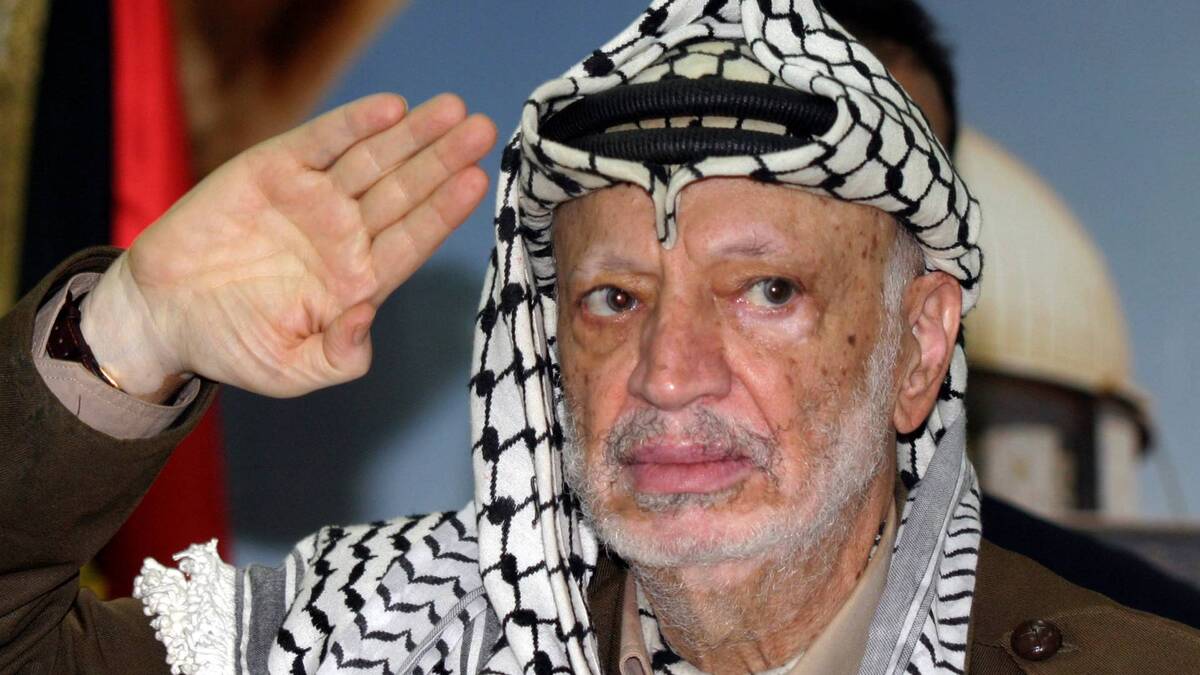
"Do not let the green branch fall from my hand" .. The memory of Arafat's historic speech that established the right to self-determination before the United Nations.

The speech was historic by all measures; Arafat transformed the discussion from mere "humanitarian aid and refugee relief" to a political issue centered around "inalienable national rights."

Today, the world stands at the anniversary of one of the most important milestones in the history of the Palestinian cause. Fifty-one years ago, specifically on November 13, 1974, the late President of the Palestine Liberation Organization, Yasser Arafat, stood for the first time at the podium of the United Nations General Assembly.

This was not just a speech, but an official declaration that the Palestinian issue is not a refugee problem, but a matter of a people demanding their right to self-determination and national independence.

On that day, Arafat delivered his famous speech, concluding with his iconic phrase: "I come to you bearing an olive branch in one hand and a freedom fighter's gun in the other... do not let the green branch fall from my hand."

After more than half a century, amid the rapid and tragic developments currently unfolding in the region, this speech seems to be resonating anew, carrying the same questions and demands.

Arafat's ascent to the UN podium was a direct result of profound political transformations that followed the October 1973 War.

A few weeks before the speech, specifically at the Arab summit in Rabat in October 1974, the Palestine Liberation Organization received comprehensive Arab recognition as the "sole legitimate representative of the Palestinian people."

This Arab cover opened the door to the international community. The United Nations responded by issuing Resolution 3210, which called for the PLO to participate in discussions on the "Palestine issue."

This was the first time an invitation was extended to a leader of a national liberation movement to address the General Assembly.

He was not a man asking for charity, but a leader demanding independence.

The immediate result of this speech was the issuance of UN Resolution 3236 just a few days later, which recognized for the first time the inalienable rights of the Palestinian people, foremost among them the right to self-determination, the right to sovereignty and national independence, and the right of return.

The 1974 speech marked the beginning of international legitimization of the Palestinian struggle. In the years that followed, the issue underwent sharp turns.

After the first intifada in 1987, which brought the issue back onto the global map, the most significant announcement came at the Palestinian National Council in Algeria in 1988.

There, the PLO announced its acceptance of Resolution 242, and thus implicitly accepted the "two-state solution" and the existence of Israel on 78% of historic Palestine.

This concession, which was considered "painful" yet "realistic," opened the door to "peace agreements."

The process reached its peak with the "Oslo Accords" in 1993. Yasser Arafat stood in the White House garden to shake hands with Israeli Prime Minister Yitzhak Rabin, following mutual recognition between the organization and Israel.

The agreement stipulated the establishment of a "Palestinian Authority" with limited self-rule in parts of the West Bank and Gaza Strip, as a transitional phase lasting five years, ending with negotiations on a final status.

Things did not go as planned. The "Camp David 2" negotiations in 2000 failed to reach a final solution.

Months later, the second intifada erupted. In 2004, Yasser Arafat passed away as a martyr, besieged in his headquarters in Ramallah.

The years that followed witnessed significant events: the Israeli withdrawal from Gaza in 2005, the internal Palestinian division in 2007, Hamas's control over the Strip, and the entrenchment of the Israeli blockade.

The scene appears more grim. The peace process has completely frozen. Settlement expansion in the West Bank and occupied Jerusalem has reached unprecedented levels, effectively eliminating the chance for the "two-state solution" that was the basis of "Oslo."

The "Abraham Accords" also led to the normalization of relations between Israel and Arab countries without linking it to ending the occupation.

This anniversary comes at a time when the region, especially in Gaza and the West Bank, is witnessing one of the most violent and destructive rounds of conflict in modern history.

After 51 years, the "olive branch" that Arafat raised in his hand remains fragile and struggles to survive.

The Palestinian people, who gained recognition of their right to self-determination in 1974, still find themselves in the same place today,

ARAB AND WORLD

Thu 13 Nov 2025 8:08 am - Jerusalem Time

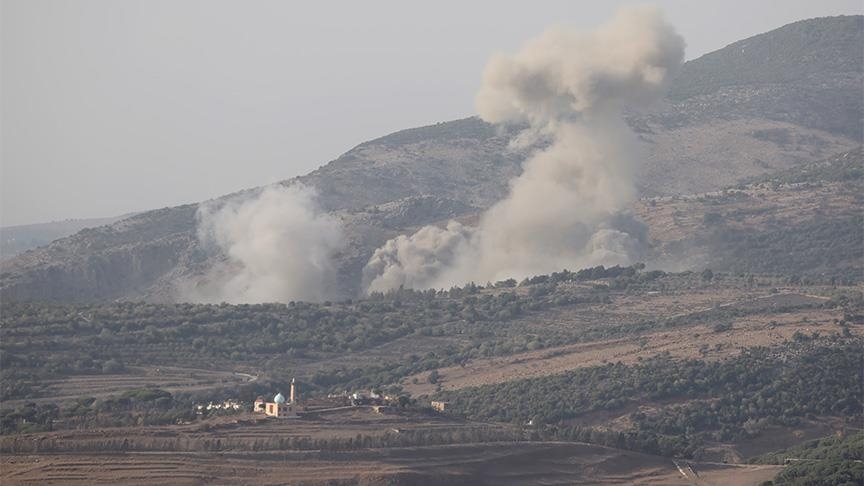
The Israeli army launches airstrikes on two towns in southern Lebanon.

Israeli warplanes launched airstrikes at dawn on Thursday on two towns in southern Lebanon.

The Lebanese news agency reported that "the Israeli warplanes struck at dawn in the Khanouq area of the town of Aytaroun (in the Nabatieh governorate), dropping two air-to-ground missiles."

The agency added: "Less than half an hour later, the enemy warplanes carried out an airstrike on the western outskirts of the town of Tarboulseh (in the Tyre district), before returning to target the same area in two phases."

PALESTINE

Thu 13 Nov 2025 7:36 am - Jerusalem Time

Rubio: The United States is not looking to manage the Gaza Strip.

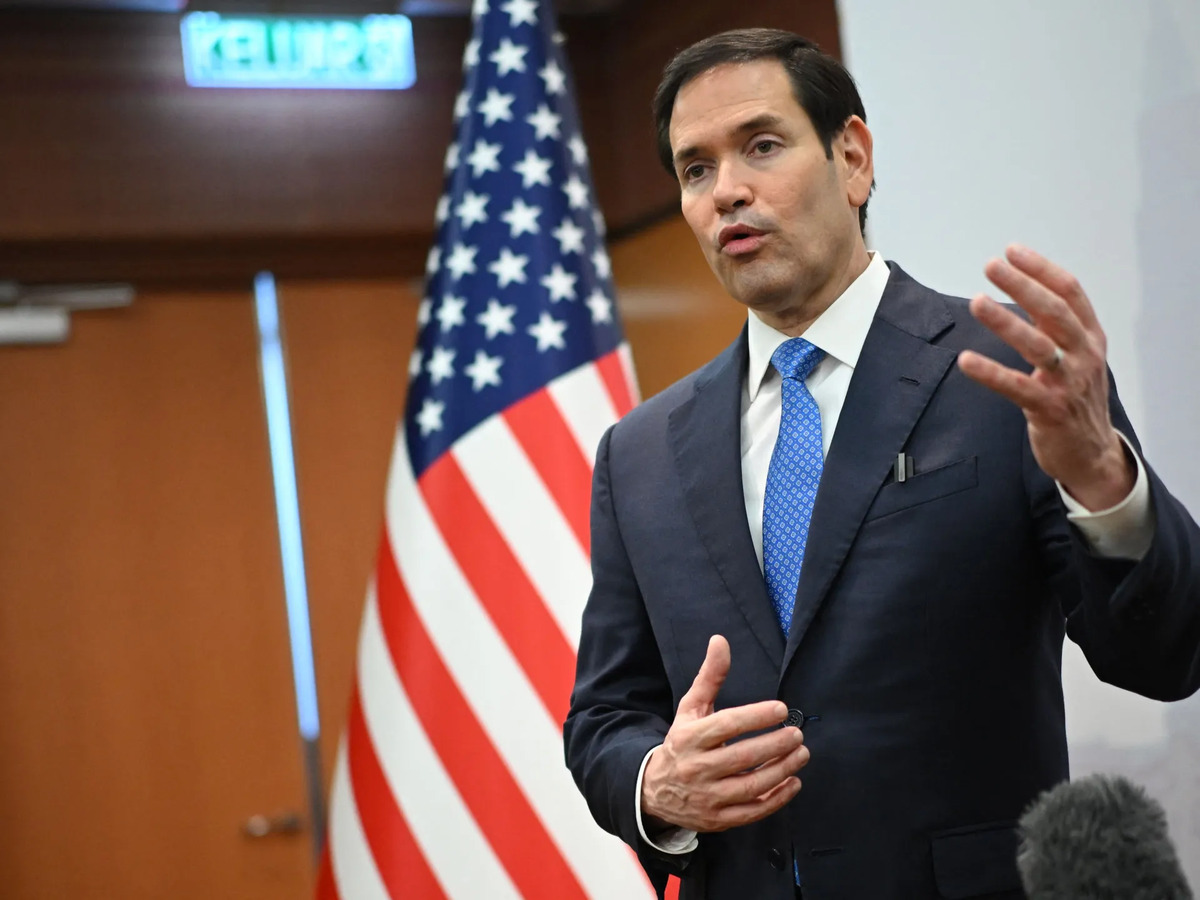
U.S. Secretary of State Marco Rubio stated that the United States does not seek to manage the Gaza Strip, and that the agreement is based on handing over the administration of the sector to a Palestinian civilian authority, clarifying that this will take time.

He continued, "The Israelis do not want to govern Gaza, we do not want to govern Gaza, and no country in the Middle East wants to govern Gaza," noting that it requires time to build these capabilities, and during the transitional period, security must be provided.

Rubio expressed optimism that the United Nations Security Council will issue a resolution regarding Gaza that supports the deployment of an international security force.

He told reporters after a meeting of the G7 foreign ministers in Canada, "We feel optimistic, I think we are making good progress in drafting the resolution, and we hope to take action on it very soon."

The U.S. Secretary of State added that the United States is talking to various countries about ways to "balance its interests here and how to organize that beyond the security force."

The multinational force - which is likely to include troops from Egypt, Qatar, Turkey, and the UAE - is part of President Donald Trump's plan to stop the war in Gaza.

Last week, the United States began circulating a draft resolution that would follow up on the ceasefire in Gaza, which Trump has pushed to finalize.

Rubio believes that deploying an international force in the Palestinian sector is crucial to allow more aid to enter and to marginalize Hamas.

He said, "If you really want to see a significant improvement - not just in humanitarian aid, but in reconstruction - you will need security."

For his part, a U.S. official stated that President Trump's aides are making progress in talks to find a solution to the issue of Hamas militants in Rafah, adding that they are marketing a compromise solution with the parties regarding the fighters.

The official confirmed that efforts to locate and deliver the remaining Israeli bodies are ongoing, which is an important element in maintaining the ceasefire in Gaza.

He noted that the situation in Gaza is extremely fragile, and they continue to work with international partners to maintain the peace plan's trajectory.

He added that the United States does not plan to build a military base for U.S. forces near Gaza, and they are discussing with partners the possibility of establishing a military base in southern Israel to host the international stabilization force.

According to the first phase of the ceasefire agreement reached last month through international mediation, the entire city of Rafah is now behind what is known as the "yellow line," an area under the control of the Israeli occupation army, including areas that still have active resistance tunnels.

It is estimated that there are between 150 and 200 fighters in it according to Israeli estimates.

The issue of the trapped fighters surfaced on the 19th and 29th of last month following "two security incidents" in which three Israeli soldiers were killed, prompting the occupation army to respond with extensive and violent shelling targeting various areas of the sector, resulting in the martyrdom and injury of nearly 300 Palestinians.

In light of these developments, Israeli officials insisted that Hamas fighters face two options: surrender or death, which negatively impacted the delivery of the bodies of the fallen Israeli captives and led to delays on several occasions.

For its part, Hamas informed the mediators guaranteeing the Gaza agreement that it is ready to extract the fighters, but it confirmed that "surrender is not an option in its dictionary," warning of escalation if the occupation forces attempt to invade its fighters' positions.

In a related context, media reports spoke of American attempts to contain the crisis, as U.S. envoy Jared Kushner asked the Israelis to allow the fighters in Rafah to move to Hamas-controlled areas in the Gaza Strip.

PALESTINE

Thu 13 Nov 2025 5:44 am - Jerusalem Time

Rubio talks about international forces in Gaza.. what about the aid?

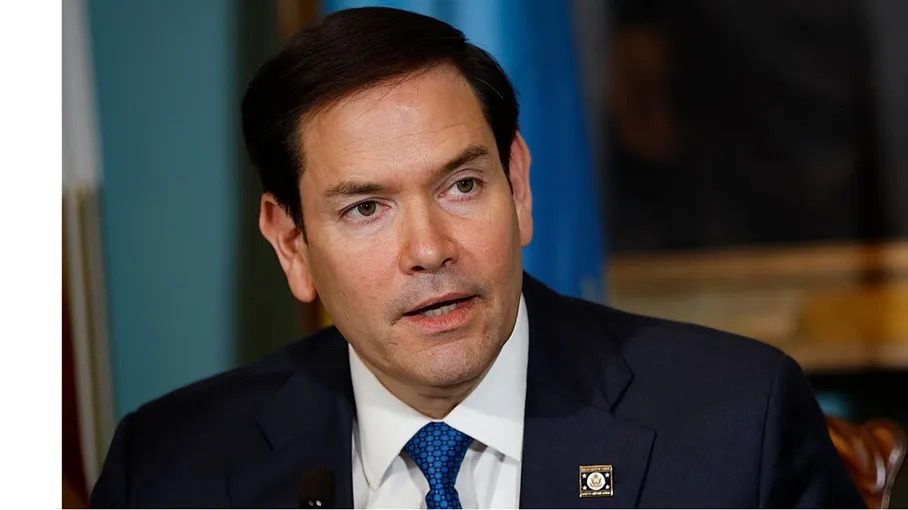
U.S. Secretary of State Marco Rubio expressed optimism that the United Nations Security Council will issue a resolution regarding Gaza that supports the deployment of an international security force.

Rubio told reporters after a meeting of G7 foreign ministers in Canada, "We feel optimistic. I believe we are making good progress in drafting the resolution, and we hope to take action on it very soon."

The U.S. Secretary added that the United States is talking to various countries about ways to balance its interests here and how to organize that beyond the security force.

Rubio pointed out that deploying an international force in the Palestinian territory is crucial to allow more aid to enter and to marginalize Hamas.

He continued, "If you really want to see significant improvement, not just in humanitarian aid but in reconstruction, you will need security."

In a related context, Rubio expressed concern that the impact of the latest waves of violence carried out by Israeli settlers in the occupied West Bank could undermine the U.S.-backed ceasefire efforts in Gaza.

In response to a question about whether events in the West Bank could jeopardize the ceasefire in Gaza, he said, "I hope that doesn't happen... We don't expect that. We will do everything we can to ensure that it doesn't."

This international force is one of the items included in the Trump plan, which formed the basis for the ceasefire agreement between Israel and Hamas since October 10 of last year, which ended a devastating two-year war.

The conflict resulted in the deaths of more than 68,000 Palestinians and injured over 170,000, most of whom were women and children, while about 90 percent of the civilian infrastructure in the sector was destroyed.

Earlier, Israeli media reported that U.S. officials proposed the establishment of the base in discussions with the Israeli government and military, and began surveying potential sites around Gaza.

According to a request sent to contracting companies, as reported by Bloomberg, the proposal includes a temporary and self-sustaining military operations base capable of accommodating 10,000 personnel, as well as providing 10,000 square feet of office space for 12 months.

Bloomberg noted that the U.S. move comes as part of its efforts to form a stabilization force from other countries to monitor the ceasefire between Israel and Hamas.

Israeli media reported that Israeli officials stated that the planned base would include several thousand soldiers tasked with maintaining the ceasefire.

They also considered that the base would represent a significant escalation in U.S. activity in Israel and would be the first large-scale American military facility in the occupied territories.

PALESTINE

Thu 13 Nov 2025 3:00 am - Jerusalem Time

American concern over the collapse of the ceasefire agreement in Gaza is extremely high.. for these reasons.

Documents obtained by the American newspaper "Politico" revealed deep concern among officials in the Trump administration about the potential collapse of the ceasefire agreement in Gaza due to the difficulty of implementing many of its key provisions and the unclear path forward.

A set of documents was presented during a seminar held last month that lasted two days, for leaders of the U.S. Central Command and members of the Civil-Military Coordination Center established in southern Israel, as part of the ceasefire agreement that came into effect on October 10.

The U.S. security coordinator for the Palestinian Authority and Israel, Michael Fenzel, invited around 400 people to the event, from the State and Defense Departments, NGOs, and private companies.

The newspaper indicated that the seminar showed particular concern about whether it would actually be possible to deploy what is called an "international stabilization force," a multinational security initiative aimed at maintaining peace in Gaza.

Politico quoted an American official in the Department of Defense as saying that there are "suppressed concerns" within the U.S. administration regarding the future of the region.

The documents reveal obstacles faced by the Trump administration and its allies in the region in creating "lasting peace," which starkly contrasts with the mostly optimistic rhetoric coming from senior officials in the administration.

According to the documents, the seminar raised a number of obstacles facing Washington and its partners in trying to turn the ceasefire into a permanent peace plan and reconstruction in Gaza.

The American official added that the U.S. military has some plans regarding support for the transitional phase, but the State Department has not played a significant role in developing options for peace in Gaza.

The newspaper quoted American diplomat David Schenker, who served as Assistant Secretary of State for Near Eastern Affairs during Trump's first term, saying that the administration has "a handful of people dealing with a huge number of crises around the world," while "Gaza alone was a full-time job."

On the tenth of last month, a ceasefire agreement in Gaza and a prisoner exchange between Hamas and Israel came into effect, according to a plan by U.S. President Donald Trump.

The agreement ended the genocide committed by Israel with American support in Gaza, which resulted in the martyrdom of more than 69,000 Palestinians and the injury of more than 170,000 others, most of whom were children and women, and caused destruction that affected 90 percent of the civilian infrastructure.

PALESTINE

Thu 13 Nov 2025 2:16 am - Jerusalem Time

Hebrew media: Increasing Emirati concern over the role of Qatar and Turkey in Gaza

Channel 12 reported that the UAE is increasingly concerned about the central role that Qatari and Turkish officials have begun to play in the reconstruction plan for the Gaza Strip, considering that these parties may contribute to the survival of Hamas and its continued influence in the region.

Last month, the newspaper "Israel Hayom" quoted officials stating that there is Emirati and Saudi concern over the rising Qatari role in Gaza. A senior Saudi official told the newspaper that Gulf countries are very worried about the comprehensive security agreement signed between the United States and Qatar, saying: "This means that Qatar will ensure Hamas's survival in Gaza and its return to power at the first opportunity."

The newspaper noted that "it has previously published sharp criticisms from Saudi Arabia and the United Arab Emirates regarding the Americans' efforts to enhance Qatar's leading role in the region. The Saudis are now demanding at least a parallel security agreement, but with better conditions, expressing their concern over Qatar's continued support for branches of the Muslim Brotherhood throughout the Middle East, which undermine stability in Arab countries."

It stated that "in the UAE, as usual, the statements are characterized by a more diplomatic tone, although they carry a similar message; the UAE is already participating in the rehabilitation and construction of infrastructure in humanitarian areas being built in territories under Israeli control."

According to the official statement, the conversation between the American envoys and Tahnoun bin Zayed, advisor to the ruler Mohammed bin Zayed, focused on ways to establish stability and the necessity of ending the war."

It added, "However, the statements of Anwar Gargash, the political advisor to bin Zayed and one of the prominent figures in Emirati foreign policy, clarify that their extensive intervention also awaits Hamas's exit from the scene, even if the organization's name is not explicitly mentioned."

Gargash said: "Returning to the situation before October 7 would not be correct and would not contribute to the solution... The UAE supports American moves, but with two conditions: clarifying the future political situation and the need for a stable security ground. We will not send our sons to a battlefield without a clear understanding of the situation on the ground."

The newspaper considered that "the clear message is that the UAE will likely continue to provide assistance and funding for reconstruction in safe humanitarian areas, but it will remain with the Saudis outside the political scene, at least for now. The weight of Qatar, Egypt, and Turkey will remain dominant - which is exactly what the Gulf countries feared.

PALESTINE

Wed 12 Nov 2025 10:54 pm - Jerusalem Time

West Bank.. Two Palestinians injured by Israeli army gunfire

Two Palestinians were injured by Israeli army gunfire on Wednesday evening during a raid on the town of Qabatiya, south of the city of Jenin in the northern West Bank.

The Palestinian Red Crescent Society announced in two consecutive statements the "transfer of two injuries from live ammunition to the hospital, one of whom is 17 years old and the other 20 years old, during the Israeli army's raid on the town of Qabatiya."

According to eyewitnesses, the Israeli army raided the town, spread through its streets, and fired live ammunition and tear gas at its residents, while the villagers attempted to repel the aggression without success.

PALESTINE

Wed 12 Nov 2025 10:18 pm - Jerusalem Time

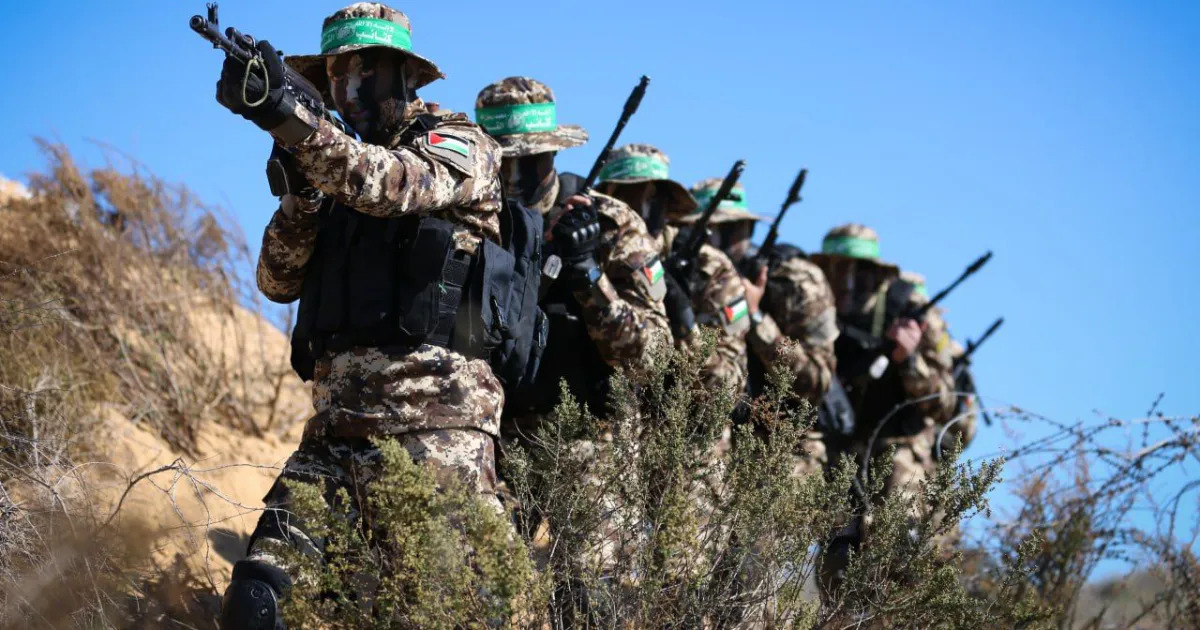
These are the features of an American settlement for the crisis of Hamas fighters stranded in Rafah.

Tensions are escalating in the Rafah area in southern Gaza due to the issue of trapped fighters from the Islamic Resistance Movement (Hamas), amid intense American efforts to reach a solution, while the Israeli occupation army announced that it had spotted 4 "fighters" in that area, claiming to have killed 3 of them.

This incident in Rafah reflects the complexities of the field and political scene in the sector, where the operations of the occupation army intertwine with American diplomatic efforts, amid fears of a larger escalation if this crisis is not resolved before moving to the second phase of the ceasefire agreement.

In this context, American efforts continue to find a formula for understanding to end the crisis, as Channel 13 in Israel reported that Israeli officials said there is a tendency to agree to the American settlement.

According to these officials, Israel conditions the removal of the fighters from the Gaza Strip, to be transferred to Turkey and then distributed to several countries.

According to Al Jazeera correspondent in Palestine, Elias Karam, Israel considers this expulsion abroad necessary to prevent the rearmament of the fighters and to confront Israeli forces in the areas from which they withdrew, pointing to related negotiations between Ankara and Washington.

The mediation efforts, according to Karam, include movements by prominent American officials, including envoy Jared Kushner, who, according to Israeli media, has prepared an alternative plan (Plan B) in case the current efforts to resolve the crisis fail, considering that what happened today in Rafah could be a factor threatening the collapse of the entire agreement.

The occupation army had announced in a statement this Wednesday evening that its forces had spotted 4 armed men in Rafah and killed 3 of them, with no injuries reported among the soldiers.

In this context, Channel 15 in Israel reported from military sources that the four Palestinians "are likely part of the Hamas elements trapped in the Rafah tunnels."

The Al-Qassam Brigades, the military wing of Hamas, had warned last Sunday, Israel against any potential clash with its elements trapped in Rafah, asserting that "surrender or self-delivery are not options in the Qassam dictionary."

Since the announcement of the ceasefire agreement coming into effect on October 10, the occupation army has announced several similar killings, in an attempt to justify its repeated violations.

PALESTINE

Wed 12 Nov 2025 9:26 pm - Jerusalem Time

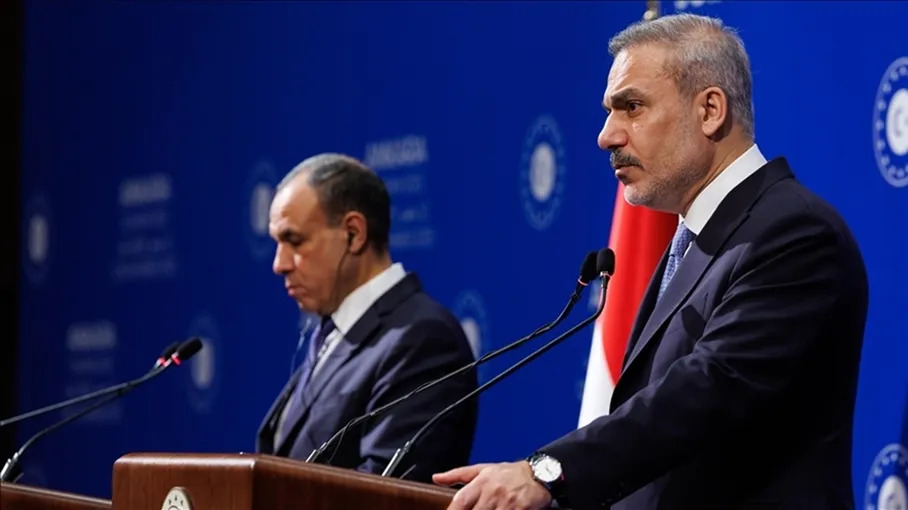
Fidan: Hamas expresses readiness to take constructive steps for a permanent ceasefire.

Turkish Foreign Minister Hakan Fidan confirmed that Hamas has shown a willingness to take "constructive steps" to make the ceasefire in Gaza permanent, while calling on the Israeli occupation to "lift all restrictions on the entry of humanitarian aid and open all crossings immediately."

Fidan's statements came during a joint press conference with his Egyptian counterpart Badr Abdel Atti, following a meeting of the joint planning group between Egypt and Turkey held in Ankara.

Fidan said: "Hamas shows a genuine will to make the truce permanent, and we must see the same understanding from the Israeli side. We reiterate our call to Israel to remove all obstacles to the entry of aid and open all humanitarian crossings."

The Turkish minister added that his country thanks Egypt for its "ongoing efforts to deliver aid to Gaza," noting that "a Turkish ship carrying about 810 tons of humanitarian aid set sail on Wednesday from Mersin port towards Al-Arish port."

He confirmed that Turkey will mobilize all its resources to establish temporary shelter areas in Gaza and contribute to its reconstruction, adding that Ankara will participate in the international conference for the reconstruction of the sector scheduled to be held in Cairo in the coming days.

Fidan addressed the ongoing efforts in the Security Council to issue a new resolution organizing the administrative and security arrangements in Gaza, explaining: "There is a need to clarify the field tasks of the international stabilization force and to define the legal and political framework for the Palestinian committee and the peace council that are supposed to manage the sector."

He pointed out that consultations with Egypt and the concerned countries are ongoing intensively in this regard, emphasizing that "the basis in Palestine is for the Palestinians to manage their own affairs themselves."

He added: "Gaza is part of Palestine, and it must remain so and be treated on this basis. When adhering to this understanding, solutions can be found for all contentious issues."

Fidan praised the significant development in relations between Ankara and Cairo, noting that the joint planning group meeting discussed "enhancing cooperation in the fields of defense, energy, transportation, communication, and investment."

He clarified that the volume of bilateral trade increased by 11% in 2024, approaching $9 billion, adding: "We aim to raise it to $15 billion, as Turkish companies contribute to expanding production capacity and creating job opportunities in Egypt."

Fidan noted that military and security cooperation between the two countries "is witnessing significant progress," and that "joint projects in defense industries" are being prepared.

He stated that Ankara and Cairo agree on the necessity of achieving stability in Libya and rejecting any foreign interventions in its affairs, affirming continued support for the UN-led process.

Regarding Sudan, the Turkish minister emphasized "the necessity of stopping the fighting immediately and halting attacks against civilians, delivering aid without obstacles, while preserving the unity and sovereignty of the country."

As for Syria, Fidan said that "President Ahmad al-Shara's visit to Washington represents an important development," adding: "Syria's joining the international coalition to fight ISIS is a positive step, and Turkey will continue to support the vision of a unified and secure state free from terrorism."

For his part, Egyptian Foreign Minister Badr Abdel Atti confirmed that Cairo and Ankara "agree on the necessity of enhancing and implementing the ceasefire in Gaza," stressing that the decision regarding the establishment of an international force in the sector must be carefully crafted to ensure the future rights of the Palestinians.

Abdel Atti stated that his country, along with Turkey, Qatar, and the United States, "will continue its efforts to make the truce permanent," adding that "its success will prevent a return to the cycle of tension."

He noted that Egypt will host an international conference for the reconstruction of Gaza, emphasizing the importance of supporting Palestinians to remain in their lands and achieving political progress that leads to the establishment of an independent Palestinian state on the 1967 borders.

On the Syrian issue, the Egyptian minister said: "We must support Syria to regain its regional and international role," pointing to the need to formulate a comprehensive policy that considers the aspirations of the Syrian people.

He also emphasized the necessity of ending the division in Libya, removing mercenaries and foreign fighters, and calling for a comprehensive political solution that ensures the unity of the country.

In conclusion, Abdel Atti said: "Our discussions today have proven the extent of the convergence in positions between Egypt and Turkey, and we are determined to continue coordination for the benefit of the region and its stability."

PALESTINE

Wed 12 Nov 2025 8:34 pm - Jerusalem Time

Atlantic: Trump's new plan for Gaza residents includes separate communities behind the "yellow line."

The magazine "The Atlantic" published a report prepared by assistant editor Hannah Kiros, stating that the administration of U.S. President Donald Trump has a new plan for the Gaza Strip. It wants to build housing projects for displaced persons, but administration officials disagree on the idea and how to implement it.

The report mentioned that Gaza has been divided since the ceasefire agreement last month, based on the yellow line that distinguishes between areas controlled by Hamas and those controlled by the Israeli occupation army. Initially, the line was unclear, but "Israel" has begun to define the separation more clearly with physical markers on the ground, leading some to express that the separation is becoming permanent.

U.S. officials refer to the new developments as "alternative safe communities," and this initiative is designed to create residential clusters for Gazans whose identities have been verified, but it will separate them from those living on the Hamas-controlled side of the yellow line, where the vast majority of Gaza's population resides.

Kiros based her information on statements from an Israeli official and another from the U.S. State Department familiar with the planning.

General Patrick Frank, the military commander coordinating the implementation of President Donald Trump's peace plan, recently told his colleagues that each population cluster should include a medical center, a school, an administrative building, and "temporary housing for about 25,000 people," according to an email reviewed by the writer that had not been previously published.

Frank emphasized the need to "move forward" with the plan, while a senior Trump administration official confirmed to the writer that at least one experimental alternative safe community will be built.

The first targeted site for development is likely to be in southern Gaza near Rafah, owned by Palestinians, as well as other potential sites, of which there are many.

The senior administration official could not immediately say whether the United States knows who owns the property on which the experimental community will be built.

The report stated that "only Palestinians who have received approval from the Shin Bet (Israeli Security Agency) will be allowed to move to these experimental communities," although it is still unclear what the approval criteria will be. However, the starting point will be the person's or their relatives' connection to Hamas, according to the Israeli official familiar with the plan.

Estimates suggest that less than 2 percent of Gaza's population of two million lives on the side of the line currently controlled by "Israel," and the first step in creating a new community in Gaza will involve removing unexploded ordnance and debris.

The U.S. State Department has awarded a contract to "Tetra Tech," a U.S.-based engineering company, which is expected to pave the way for the first "alternative safe community," according to the State Department official.

The company's CEO has attended meetings in Israel with others involved in implementing the "peace plan."

Additionally, two people familiar with the matter said that Trump's main envoys to the Middle East, his son-in-law Jared Kushner and close friend Steve Witkoff, support the housing initiative, as does the Israeli government. However, the plan has sparked fierce reactions from some officials in the State Department, as well as from foreign governments and relief organizations.

Objections are partly due to the restrictions that the new project may impose on registered Palestinians.

The Israeli military branch controlling humanitarian border crossings into Gaza has informed U.S. officials that civilians allowed to enter the project will not be permitted to cross into the half of Gaza controlled by Hamas.

U.S. aid experts in "Israel" are calling for "ensuring freedom of movement across the borders," according to the email reviewed by the magazine. A State Department official indicated that these communities are likely to become "places where people are effectively isolated, even though they won't use those terms."

Trump's 20-point plan calls for the disappearance of the yellow line and for an international force to take on stabilization tasks in the sector and for Hamas to surrender its weapons.

However, temporary lines often become permanent in Middle Eastern conflicts.
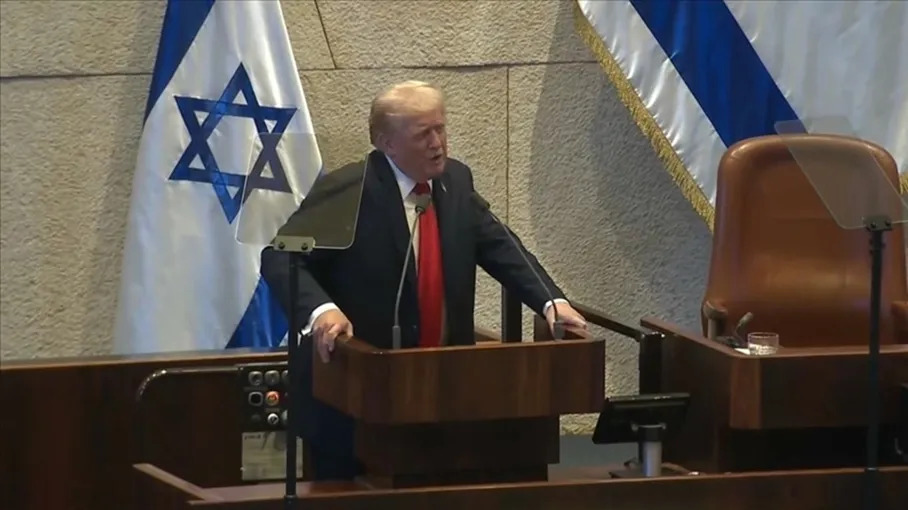
Those skeptical of the new plan argue that it prevents Palestinians from moving freely during a relatively peaceful time and risks creating a permanent division in the heart of Gaza.

An American official told "The Atlantic" that the program is an experiment to provide safe housing for Gaza residents outside Hamas control.

The idea of alternative safe communities, or something similar, has been established among senior U.S. and Israeli officials for some time.

The Israeli official stated that the plan for alternative safe communities was presented on the day the center was opened.

A U.S. official in Israel said that the plan for alternative safe communities emerged after the United States announced the establishment of a civil-military coordination