







Dr. Ahmed Rafiq Awad: The ongoing negotiations in Cairo have reached advanced stages on sensitive issues related to the future of weapons in exchange for other measures, including the introduction of stabilization forces.
Majed Hudaib: The arrival of stabilization forces represents a practical indicator reflecting a trend towards providing conditions that allow for the start of the work of the National Committee for the Administration of Gaza, thus opening the way for a new phase.
Dr. Aql Salah: The arrangements regarding the entry of the stabilization force reflect a gradual transition from the phase of war management and ceasefire to the phase of re-engineering the Gaza Strip.
Dr. Suhail Diab: Washington is trying to separate the Palestinian arena from broader regional influences by strengthening the roles of Arab countries and limiting the involvement of regional powers in the Strip's arrangements.
Fadi Abu Bakr: Recent understandings between the United States and Iran have contributed to providing a political margin that allows for the reactivation of international movements related to the Gaza file.
Dr. Walaa Qudaimat: The proposed steps are still slow, and the chances of translating them into practical measures remain linked to the existence of a serious international will to end the tragedy of the Strip.
Ramallah - Exclusive to "Al-Quds" -
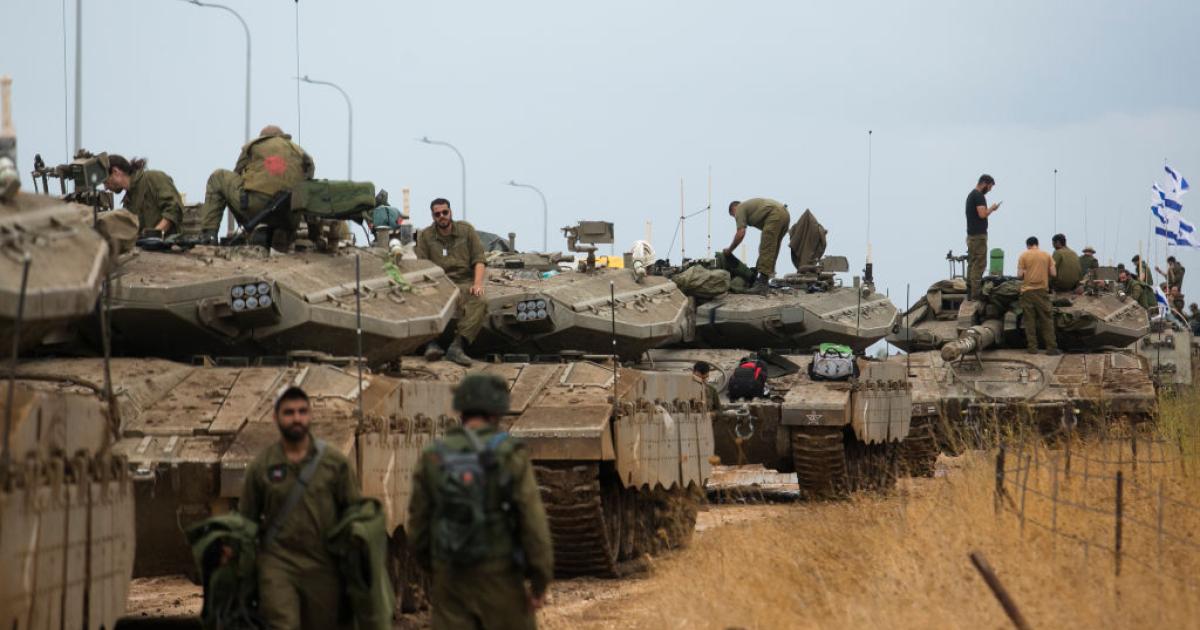
The issue of the international stabilization force has emerged in recent days as one of the most prominent topics related to the future of the Gaza Strip, amid talk of the arrival of the vanguard of that force in Israel, and with increasing talk of political and security arrangements being discussed at regional and international levels, in preparation for a transition to a new phase that goes beyond war management towards managing the field and political reality that may arise after the cessation of Israeli military operations.
Writers, political analysts, specialists, and university professors, in separate conversations with "Al-Quds," believe that the escalation of talk about the stabilization force comes in parallel with intensive diplomatic activity led by Arab and international parties, amid assessments that the success of any future arrangements in Gaza will remain linked to the international community's ability to provide security and political guarantees that allow for the implementation of the proposed understandings.
While writers, analysts, specialists, and university professors believe that the proposal of a stabilization force reflects progress in discussions about the "day after" the war, many questions remain about the nature of the tasks of this force, its powers, its relationship with Palestinian and Israeli parties, and its ability to contribute to establishing stability and creating an environment that allows for an end to the humanitarian tragedy experienced by the Strip.
They point out that the re-emergence of the stabilization force issue, coinciding with the understandings between the United States and Iran, reshapes the priorities of international powers in the region.
They believe that the de-escalation of regional tensions has opened a window for moving delayed issues, most notably Gaza, as part of efforts to re-adjust balances and prevent the explosion of new arenas through security and political arrangements for the next phase.
Arrangements and the Role of the Authority in the Next Phase
Writer and political analyst Dr. Ahmed Rafiq Awad explains that there are strong indications of intensive negotiations taking place between the United States and the Palestinian Authority under Saudi sponsorship and support, addressing arrangements for the next phase in the Palestinian territories, especially regarding the Gaza Strip and its administration in the post-war phase.
Awad points out that the discussions include a series of mutual demands between the two sides, where the US administration raises issues related to political and security reforms within the Palestinian Authority, including restructuring the national security forces, amending educational curricula, and changing the mechanisms for disbursing allocations to prisoners, in addition to issues related to the Palestinian political system and its formation mechanisms, including legislative council, national council, and presidential elections.
Awad notes that Washington is demanding that a portion of the clearing funds be allocated to finance what is known as the "Peace Council."
In contrast, the Palestinian Authority, according to Awad, focuses on obtaining a pivotal role in the administration of the Gaza Strip, in addition to demanding a halt to settlement expansion and addressing the crisis of Palestinian workers, considering that these dialogues reflect a real crisis in the search for a party capable of managing the Strip and at the same time enjoying acceptance and trust, which pushes the United States to re-recognize the central role of the Palestinian Authority in any future arrangements.
Awad explains that this vision enjoys Saudi, Arab, and European support, and intersects with the increasing talk about deploying international stabilization forces in the Gaza Strip, as well as with the formation of a committee to manage the Strip with the approval of the Palestinian Authority, which enhances its presence in the "day after" scenario.
Factional Negotiations in Cairo
Awad indicates that the ongoing negotiations in Cairo and contacts between Palestinian factions and mediators, especially Egypt and Turkey, have reached advanced stages on sensitive issues related to the future of weapons in Gaza, through arrangements that include storing or freezing Hamas's weapons under Palestinian, Arab, and international supervision, in exchange for gradual Israeli withdrawals, the start of reconstruction, and the introduction of stabilization forces to maintain security.
The Importance of Regional Stability Starting from the Palestinian Issue
Awad believes that the renewed American interest in the Gaza Strip reflects a growing conviction that the continuation of the current situation in Gaza and the West Bank keeps the region vulnerable to explosion.
Awad considers that Arab and international pressures, along with regional changes and Israel's internal crises, are pushing towards a renewed focus on the Palestinian issue.
Awad believes that the region may be on the verge of a gradual settlement that begins with a complete cessation of the war, the introduction of humanitarian aid, and the start of the reconstruction process, in light of the humanitarian catastrophe already experienced by the Gaza Strip.
Stabilization Force and Political and Security Dimensions
Writer and political analyst Majed Hudaib believes that the renewed talk about international stabilization forces and the arrival of their vanguard in the Palestinian territories carries important political and security dimensions, and reflects tangible progress in the ongoing discussions about the future of the Gaza Strip, pointing out that the circulating data confirms the existence of new arrangements being implemented in parallel with regional and international mediations.
Hudaib explains that recent developments indicate progress in the contacts and negotiations taking place between Hamas and envoys and mediators, under Egyptian and Qatari sponsorship, considering that the talk about the arrival of stabilization forces cannot be separated from the political and security understandings being prepared for the next phase in the Strip.
Introduction to Implementing Any New Arrangements
Hudaib stresses that the presence of stabilization forces is an essential and natural step towards implementing any new arrangements, as the administration of the Gaza Strip and the launch of the work of the national committee tasked with its administration require a different security environment than the current reality.
Hudaib points out that the committee cannot perform its tasks while Israeli control continues over large areas of the Strip, nor can it work effectively while power centers and security and administrative apparatuses affiliated with Hamas continue to exist within the remaining areas.
Hudaib believes that the arrival of these forces represents a practical indicator of progress in implementing the proposed understandings, and also reflects a trend towards providing conditions that allow for the start of the work of the National Committee for the Administration of Gaza, thus opening the way for a new phase characterized by greater security and stability for the residents of the Strip who look forward to ending their humanitarian and living suffering.
Impossibility of Bypassing the Palestinian Authority
Hudaib considers that these developments, in parallel with the talk about a role for the Palestinian Authority, confirm the impossibility of bypassing the Palestinian Authority in any future arrangements, whether by the United States or Israel, pointing out that the Authority represents the politically and institutionally recognized framework regionally and internationally, and that the existing differences relate to administrative mechanisms and individuals more than to the legitimacy of the political entity itself.
Hudaib notes that the implementation of the proposed arrangements could have been achieved earlier if previous international initiatives had been dealt with, including American plans and roadmaps proposed during past years, considering that the continued division and conflict over the administration of the Strip contributed to delaying the arrival at practical solutions.
The Importance of Agreement Among Regional and International Parties
Hudaib emphasizes that the success of any future arrangements depends not only on Palestinian or international understandings, but also requires agreement among various regional and international parties with influence in the Gaza Strip, including a number of Arab countries and influential powers in the political scene, stressing that the implementation of any plan for the administration or reconstruction of the Strip requires broad agreement among stakeholders and influential parties in the region.
According to Hudaib, the gap is still wide between the hopes attached to these movements and the complex field and political reality, but the success of current efforts remains linked to the ability of active parties to reach comprehensive understandings that ensure stability, considering that the Arab role, especially the Saudi role, will be a key factor in rebalancing the region and pushing the process of arrangements for the Gaza Strip towards implementation.
Lack of Clarity
Writer, political researcher, and professor of comparative political systems, Dr. Aql Salah, believes that the scene related to the Gaza Strip still lacks clarity, despite the increasing talk about international arrangements for the administration of the Strip in the next phase, pointing out that many fundamental issues are still hostage to political understandings and changing American positions.
Salah explains that the proposed international stabilization force for the Gaza Strip was agreed upon, according to what is being circulated, within an international resolution issued in late 2025 as part of the second phase of an American plan to end the war.
Salah explains that, according to the proposed visions, the force will include about 20,000 soldiers of different nationalities, led by the United States, and will undertake security and field tasks including disarmament, dismantling military infrastructure and tunnels, in parallel with the establishment of a local Palestinian security apparatus that will be trained and qualified under Egyptian and Jordanian supervision to take over internal security tasks in the future.
Towards a Phase of Re-engineering the Gaza Strip
Salah believes that these arrangements reflect a gradual transition from the phase of war management and ceasefire to the phase of re-engineering the Gaza Strip politically, securely, and administratively, amid advanced contacts between the Palestinian Authority and Washington.
It also means, according to Salah, the establishment of a transitional security umbrella to prevent a security and political vacuum, despite the absence of clear guarantees so far regarding the nature of the future Palestinian role.
Salah points out that the proposed Gaza administration committee does not represent a return to full Palestinian sovereignty, but rather constitutes a technocratic framework for managing services, civil affairs, and daily life, while fundamental sovereign issues, such as security, crossings, reconstruction, funding, and freedom of movement, remain subject to international, regional, and Israeli understandings and supervision.
Attempt to Link Gaza to Palestinian Legitimacy
Salah notes that contacts between the Palestinian Authority and the US administration aim to link Gaza to Palestinian legitimacy in the West Bank, but within American conditions and internal reforms required from the Authority.
Salah believes that current indicators suggest that the expected Palestinian role will focus on civil and service aspects more than sovereign and political aspects.
Salah points out that these developments raise fundamental questions related to the future of the Strip, including which entity will take security decisions, manage crossings, the fate of the Israeli military presence, and the future of Palestinian factions' weapons, in addition to the question of whether the proposed administration committee will be a temporary transitional phase or a prelude to a long-term international guardianship system.
Salah emphasizes that the ongoing movements are still within the framework of ideas, consultations, and political understandings and have not yet moved to the stage of actual implementation or radical solutions.
Ceasefire Has Not Turned into a State of Stability
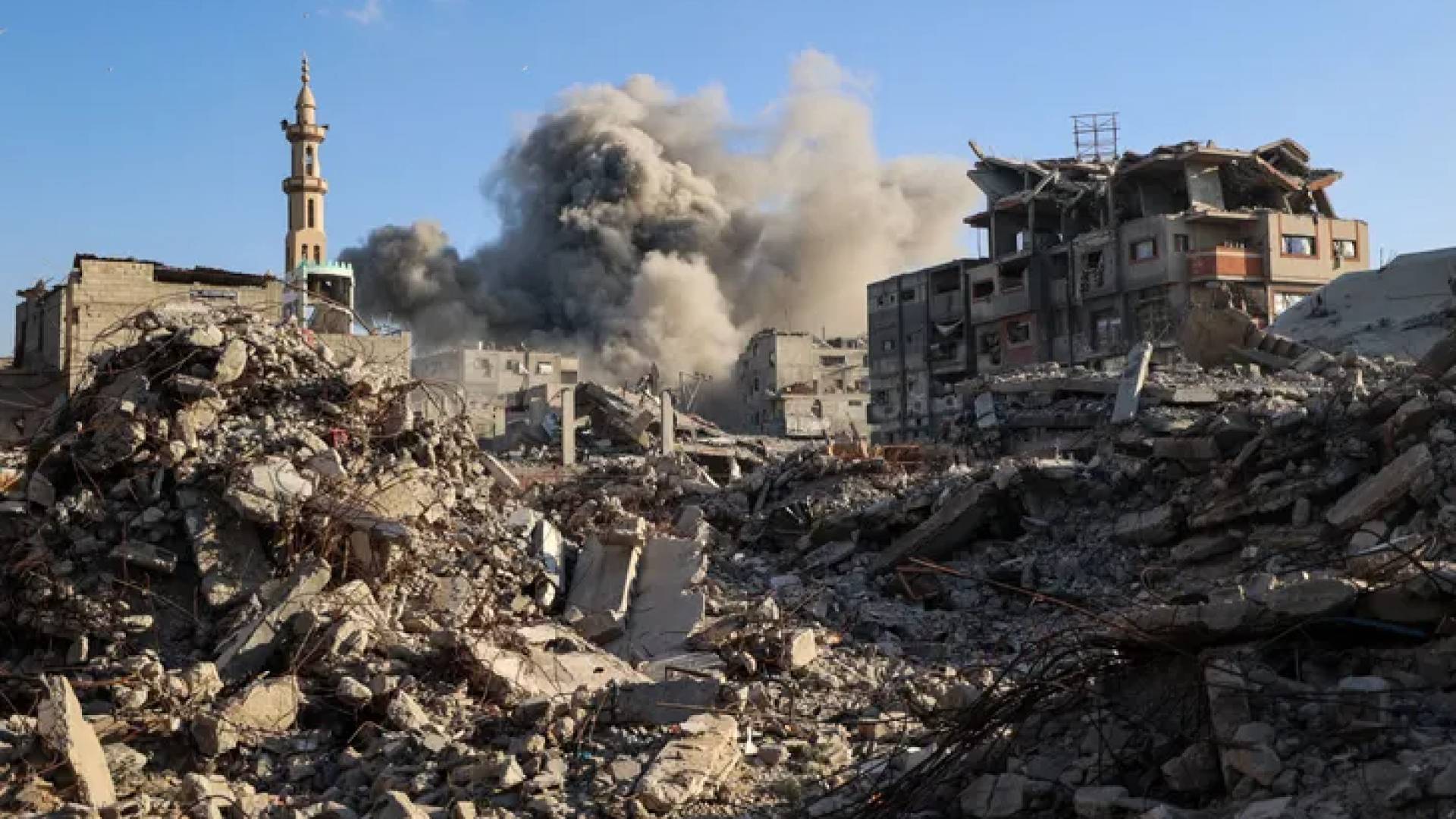
Salah stresses that the continuation of Israeli military operations, the blockade, and restrictions on humanitarian aid confirm that the ceasefire has not yet turned into a real state of stability.
Salah affirms that any serious move to end the tragedy of Gaza must be based on clear guarantees that include a complete cessation of fighting, Israeli withdrawal, lifting the blockade, opening crossings, and linking Gaza and the West Bank within a unified political and security framework, in addition to launching a real and sustainable reconstruction process.
Gaza Back in the International Spotlight
Political science professor and Israeli affairs specialist Dr. Suhail Diab confirms that the Gaza Strip issue has returned strongly to the regional and international discussion table after the end of the war on Iran and the start of moving other regional files, considering that there are three main indicators confirming that the Strip is once again at the forefront of political and diplomatic attention during the current phase.
Diab explains that the first indicator is the discussions and meetings that took place on the sidelines of the G7 meetings, with the participation of active Arab parties, including Egypt, Saudi Arabia, and Qatar, in addition to individual American-Arab meetings that addressed the future of the Palestinian issue and the Gaza Strip.
Diab believes that these movements reflect an international trend towards addressing outstanding regional issues after the understandings that followed the war on Iran, including Gaza, as well as Lebanon and Syria.
Diab notes that the second indicator is the continuous meetings between Palestinian factions in Cairo, and the accelerating Egyptian and Qatari activity in coordination with international officials, with the aim of finding mechanisms to move to new stages of understandings related to the Strip.
Diab points to the exchange of messages and proposals related to drafting a new roadmap that allows for the re-presentation of the Gaza file at the international level, in light of relative flexibility in some American positions, especially regarding the issue of Hamas's weapons and the possibility of dealing with them within arrangements and conditions that may be acceptable to Palestinians.
The third indicator, according to Diab, is Kosovo's announcement of its readiness to participate with international forces in the Gaza Strip, which reflects the start of practical discussions about the nature and tasks of any potential international forces, including supporting security and administrative arrangements led by a Palestinian technocratic committee.
The Danger of Keeping Gaza Hostage to Israeli Policies
Diab believes that these movements reflect a growing American awareness of the danger of keeping Gaza hostage to Israeli policies, for fear of it becoming part of the broader regional conflict, which imposes high political and security costs on the United States and Israel.
Diab believes that Washington is trying to separate the Palestinian arena from broader regional influences, by strengthening the roles of Arab countries such as Saudi Arabia, Egypt, and Qatar, and limiting the involvement of other regional powers in the Strip's arrangements.
Diab points out that the United States may show some flexibility on some outstanding issues to manage and prevent the escalation of tension, without going to radical solutions to the Palestinian-Israeli conflict.
Diab notes that there are attempts to re-examine the role of the Palestinian Authority in the next phase, although this option has not yet been decided within American decision-making circles.
Direct Reflection of the Results of the War on Iran
Diab believes that what is currently happening is a direct reflection of the results of the war on Iran and the new balance of power in the region, in addition to escalating Arab pressures aimed at accelerating a settlement that prevents the continuation of instability.
Diab points out that current movements focus on crisis management more than resolution, citing the continued absence of a clear vision for linking the West Bank and the Gaza Strip and addressing Israeli policies in the Palestinian territories, expecting this phase to continue at least until the US midterm elections and the upcoming Israeli elections.
Continuous Egyptian Activity
Writer and political analyst Fadi Abu Bakr confirms that the circulating news about the possibility of stabilization forces arriving in the Gaza Strip reflects the renewed momentum in diplomatic efforts and international mediations aimed at addressing the crisis in the Strip, pointing out that recent understandings between the United States and Iran have contributed to providing a political margin that allows for the reactivation of international movements related to the Gaza file.
Abu Bakr explains that current movements intersect with continuous Egyptian efforts, as Cairo is the main mediator in the file, noting that recent statements by Egyptian President Abdel Fattah El-Sisi carried warning messages regarding the continuation of Israeli measures in the Strip, especially the expansion of Israeli control over large areas of Gaza's land.
Abu Bakr affirms that international mediations are still primarily based on the American framework for a solution, as stated in Security Council Resolution 2803, with the aim of maintaining a minimum level of political and humanitarian progress in the Strip despite existing differences over the mechanisms for implementing the plan.
US-Iranian Understanding Created a Political Climate
Abu Bakr explains that the US-Iranian understanding did not directly include Gaza, but it created a political climate that allows for intensified international pressure to push for a ceasefire and oblige Israel and the United States to implement their commitments related to stopping military operations, gradual withdrawal, and creating conditions for the introduction of a technocratic committee and the launch of a reconstruction process.
Abu Bakr believes that opportunities for progress in the Gaza administration file exist, but their success remains dependent on the extent of actual American pressure on Israel, considering that the Israeli government remains the main obstacle to any comprehensive de-escalation path or sustainable settlement, whether in Gaza or in other regional arenas.
Abu Bakr points out that the United States found itself, after the confrontation with Iran, facing increasing international pressure pushing it to contain the escalation and re-adjust the regional scene, especially in light of challenges related to the image of American and Israeli deterrence and the costs of the recent confrontation.
Cooling Down Fronts of Tension in the Middle East
Abu Bakr believes that Washington is currently seeking to cool down fronts of tension in the Middle East and focus on broader strategic priorities related to competing with major international powers such as China and Russia.
Abu Bakr emphasizes that the current differences between Washington and Tel Aviv do not mean a break between the two sides, but rather reflect a transition in the relationship to a new phase based on managing differences within the framework of the existing strategic alliance, with a reordering of priorities and coordination limits in line with American interests in the next phase.
The Proposed Steps Are Still Slow
Writer and political researcher Dr. Walaa Qudaimat explains that there is actual activity currently underway to discuss the future of the Gaza Strip within an international Palestinian framework, in the context of the political and security arrangements witnessed in the region, pointing out that there are clear indications that the Gaza file is now on the agenda of many international parties seeking to find mechanisms for its management and dealing with the repercussions of the ongoing war.
Qudaimat points out that the proposed steps are still slow, and the chances of translating them into practical measures remain linked to the existence of a serious international will to end the humanitarian and political tragedy experienced by the Strip, in addition to being linked to the ability of Palestinian parties to deal with these developments in a way that preserves national rights and the dignity of the Palestinian people.
Qudaimat emphasizes that the success of any future arrangements requires a conscious Palestinian reading of the current political scene, based on responsibility and the ability to foresee future transformations, noting that managing the Gaza file in a way that leads to Palestinian national consensus is still a complex issue and faces challenges that go beyond the Palestinian arena itself.
Qudaimat points out that the future of efforts aimed at ending the crisis in Gaza is largely linked to regional developments and the American role, and to the extent of a genuine desire among international powers to achieve stability in the region.
Qudaimat notes that if there is a real American will to establish regional stability, this will enhance the chances of progress in the Gaza file and end the suffering of its residents.
Despite this, Qudaimat expresses a cautious stance, stressing that she does not view these movements with absolute optimism or pessimism, warning against limiting the proposed solutions to the humanitarian dimension only, without addressing the fundamental political aspects related to the Palestinian issue and the future of the Gaza Strip.

Share your opinion
The Power of Stability... International and Regional Moves Pave the Way for a New Phase in Gaza