






The Middle East region has witnessed a widespread military escalation encompassing the Gaza Strip, southern Lebanon, northern Israel, and extending to Kuwait, despite a series of ceasefire agreements brokered by the United States. Field sources reported that Israeli airstrikes on Gaza and Lebanon have not ceased, while Israeli forces continued their active deployment in border areas and the Strip, putting the effectiveness of American diplomacy to the test.
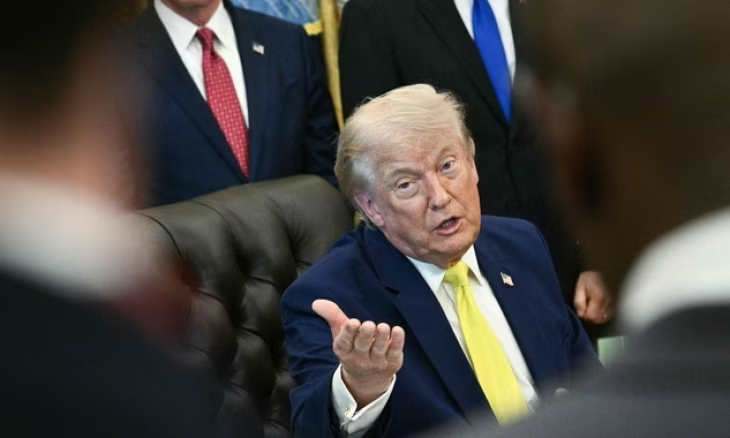
In a notable comment on these developments, US President Donald Trump acknowledged that what is currently happening is 'more moderate firing' rather than a comprehensive cessation of hostilities as planned. Although three truces negotiated by his administration aimed to end the raging wars, the reality on the ground indicates continued shelling and casualties, even if the intensity of confrontations has relatively decreased compared to previous periods.
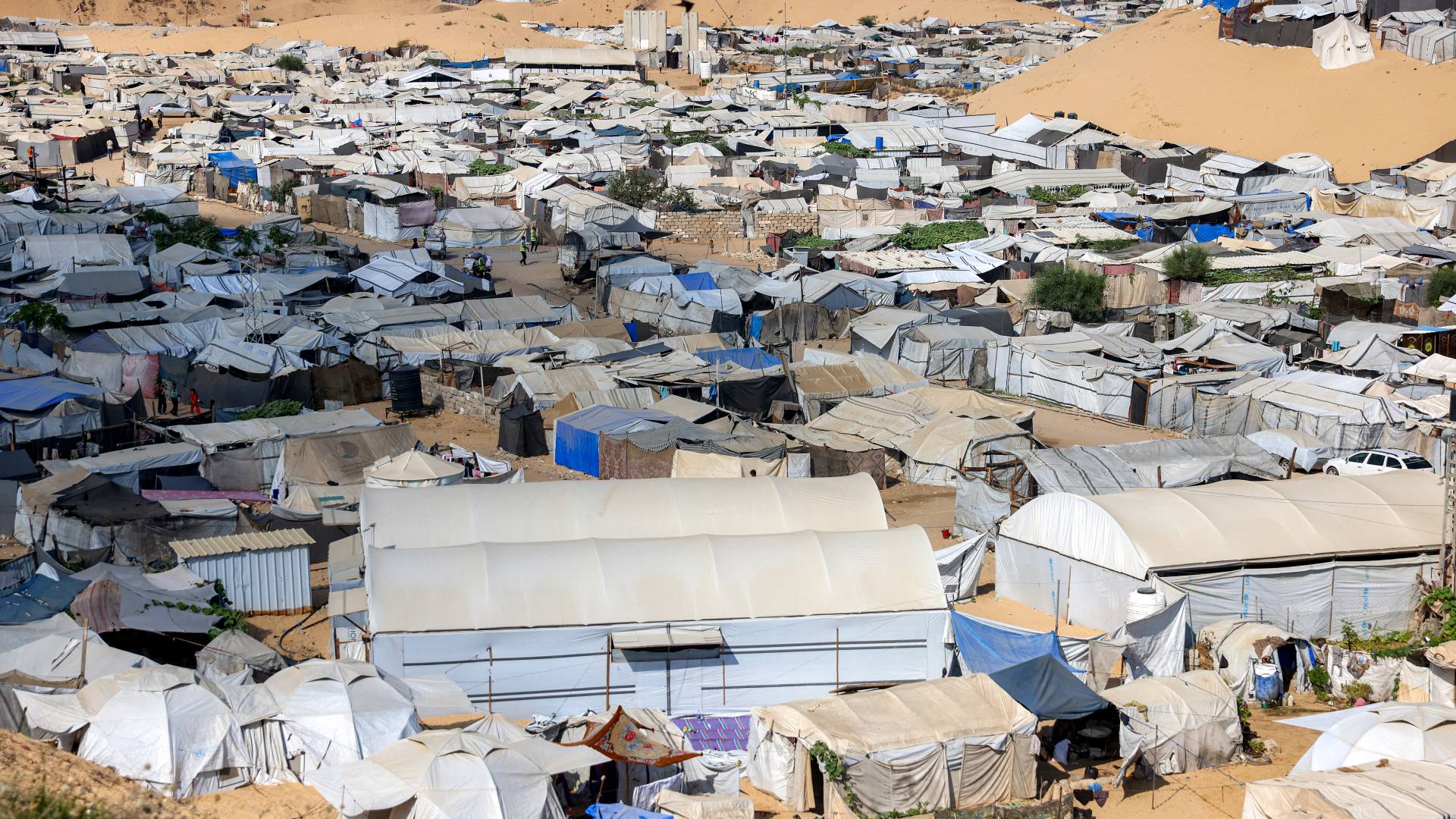
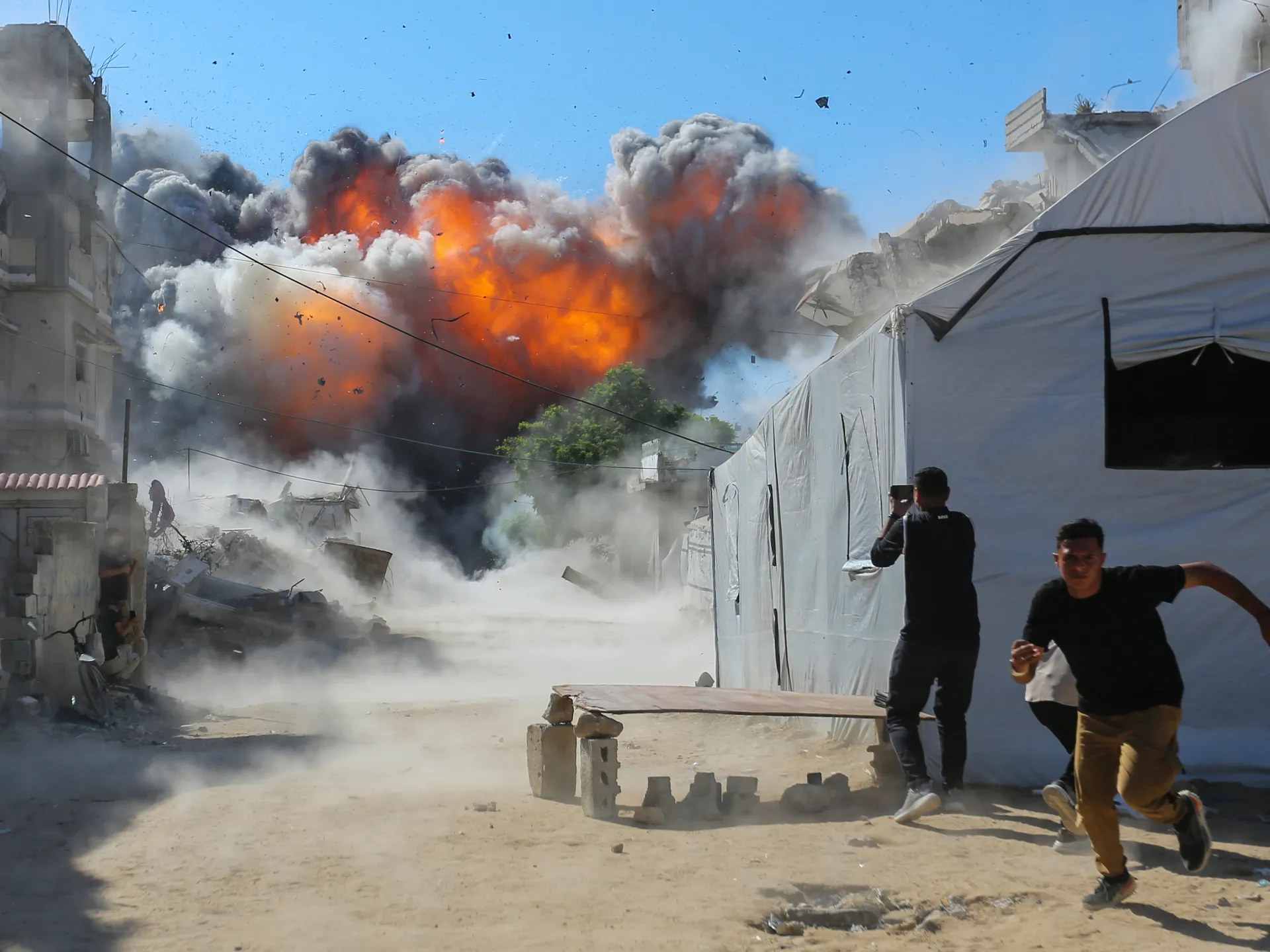
Regarding the situation in the Gaza Strip, Washington had mediated an agreement signed on October 10, 2025, which stipulated an end to hostilities and an exchange of prisoners. Despite the implementation of the clause for the release of Israeli detainees, disputes remain intense over the volume of humanitarian aid allowed in, and Hamas's categorical rejection of demands for its disarmament included in Trump's plan to strengthen the truce.
Statistics indicate that more than 900 Palestinians have been martyred in Gaza since the announcement of the truce, including nine martyrs who fell in raids carried out last Thursday. In contrast, scattered attacks by Palestinian factions resulted in the killing of four Israeli soldiers inside the Strip, reflecting the fragility of field commitment to the signed agreements in the absence of a clear political horizon.
On the Lebanese front, the 10-day ceasefire announced by Trump on April 16 failed to curb the violent confrontations in the south. Although Israel refrained from directly targeting the capital Beirut during this period, aerial bombardments and mutual artillery shelling with Hezbollah continued at a high pace, leading to hundreds of new casualties.
Lebanese authorities confirm that the total number of martyrs since early March has exceeded 3,500 people, while Israel announced the killing of 26 soldiers and four civilians in attacks carried out by Hezbollah. Israel insists on retaining its right to launch military operations 'to thwart threats' even under the truce, which is rejected by the Lebanese group that continues its rocket operations.
File on Lebanon is closely linked to the direct conflict between Washington and Tehran, as Iran stipulates that any calm in Lebanon must be part of a comprehensive agreement ending its war with the United States and Israel. Tehran demands the reopening of the Strait of Hormuz and the lifting of the blockade on its ports as a fundamental condition for de-escalating regional tensions, which has not yet been achieved despite indirect negotiation rounds.
Direct confrontation erupted last February when US and Israeli forces attacked Iranian nuclear and missile facilities in an attempt to undermine Tehran's military capabilities. Despite the painful blows received by the Iranian military leadership, Tehran proved its ability to influence the global economy by closing the Strait of Hormuz and disrupting international energy supplies.
In an attempt to contain the situation, Washington announced a ceasefire with Iran in early April, paving the way for Qatari and Pakistani-mediated talks. However, these talks did not result in a permanent agreement, as the exchange of rocket fire continued, and Iranian attacks reached Kuwait International Airport this week, further complicating the diplomatic scene.
Political analysts believe that the failure of these agreements is due to the unwillingness of the warring parties to make the fundamental concessions required in the early stages of the truces. Instead of moving towards sustainable settlements, parties resort to military action to test the limits of agreements or to achieve field gains they failed to extract at the negotiating table.
Urban Cunningham, a researcher at the Royal United Services Institute, points out that the absence of real incentives to adhere to truces makes it difficult to maintain them for long periods. With the political horizon closing, regional powers find themselves driven to continue fighting to impose their conditions, especially given the declining role of international organizations and their ability to enforce oversight.
In Gaza, Israel continues to expand the area of land it militarily controls, undermining reconstruction opportunities that were part of the US administration's promises. This field expansion is met with insistence from Palestinian factions to continue resistance, making 'Trump's truce' merely a political designation that does not change the reality of the bloody war.
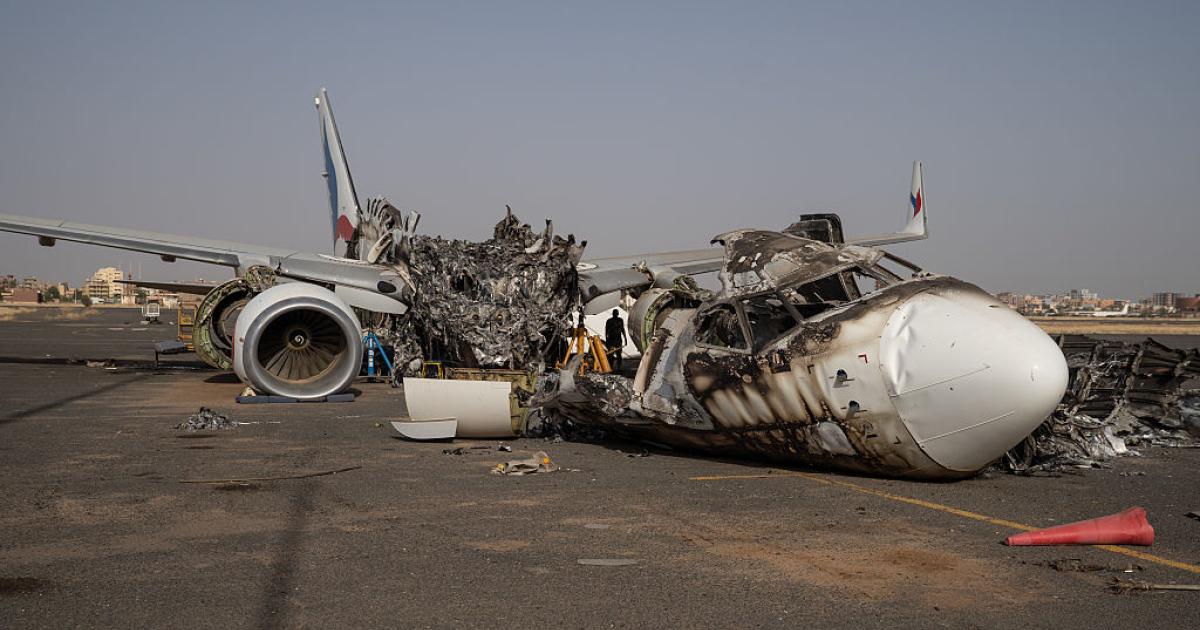
As for Kuwait, the targeting of its international airport raised widespread regional concern, as monitoring sources considered it a clear Iranian message of its ability to transfer the conflict to Gulf states. These developments come at a time when Washington is trying to convince its allies that the diplomatic path is still possible, despite field indicators suggesting the exact opposite.
In conclusion, the Middle East remains an open arena for all possibilities, where the files of Gaza, Lebanon, and Iran intertwine in a single knot difficult to untangle with temporary truces. With daily casualties continuing, the question remains about the US administration's ability to transform 'moderate firing' into a real peace that ends the suffering of millions in the region.
The ceasefire in the Middle East has turned into 'more moderate firing' rather than a complete cessation of fighting.

Share your opinion
Trump's Fragile Truce: Mutual Bombardment in Gaza, Lebanon, and Iran Despite Ceasefire Agreements