







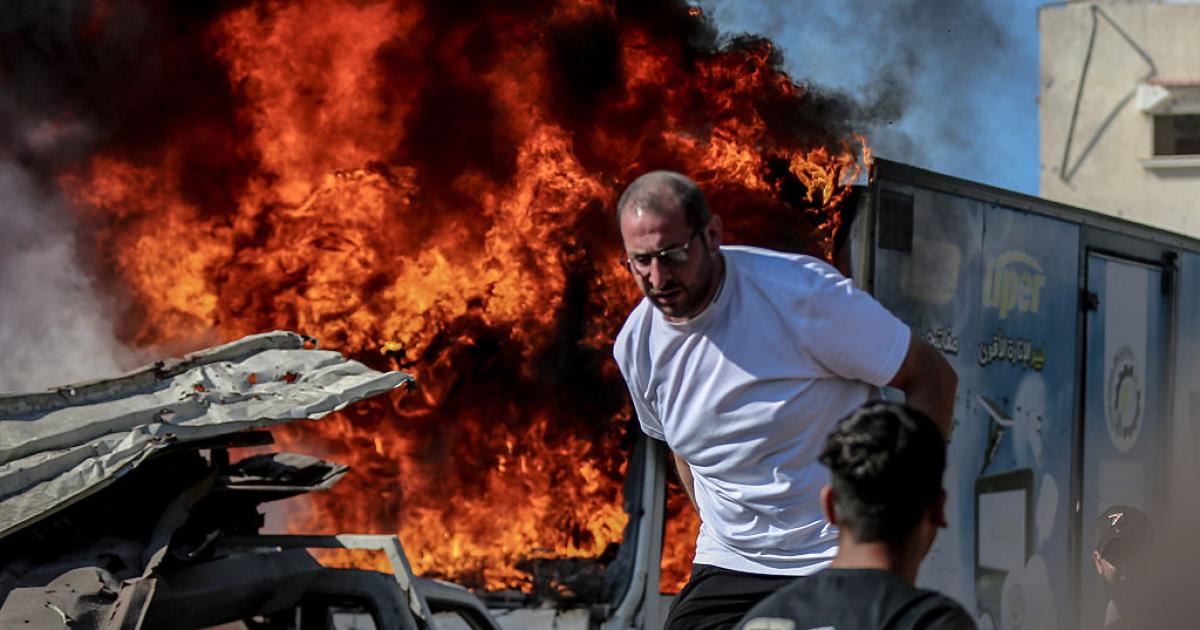
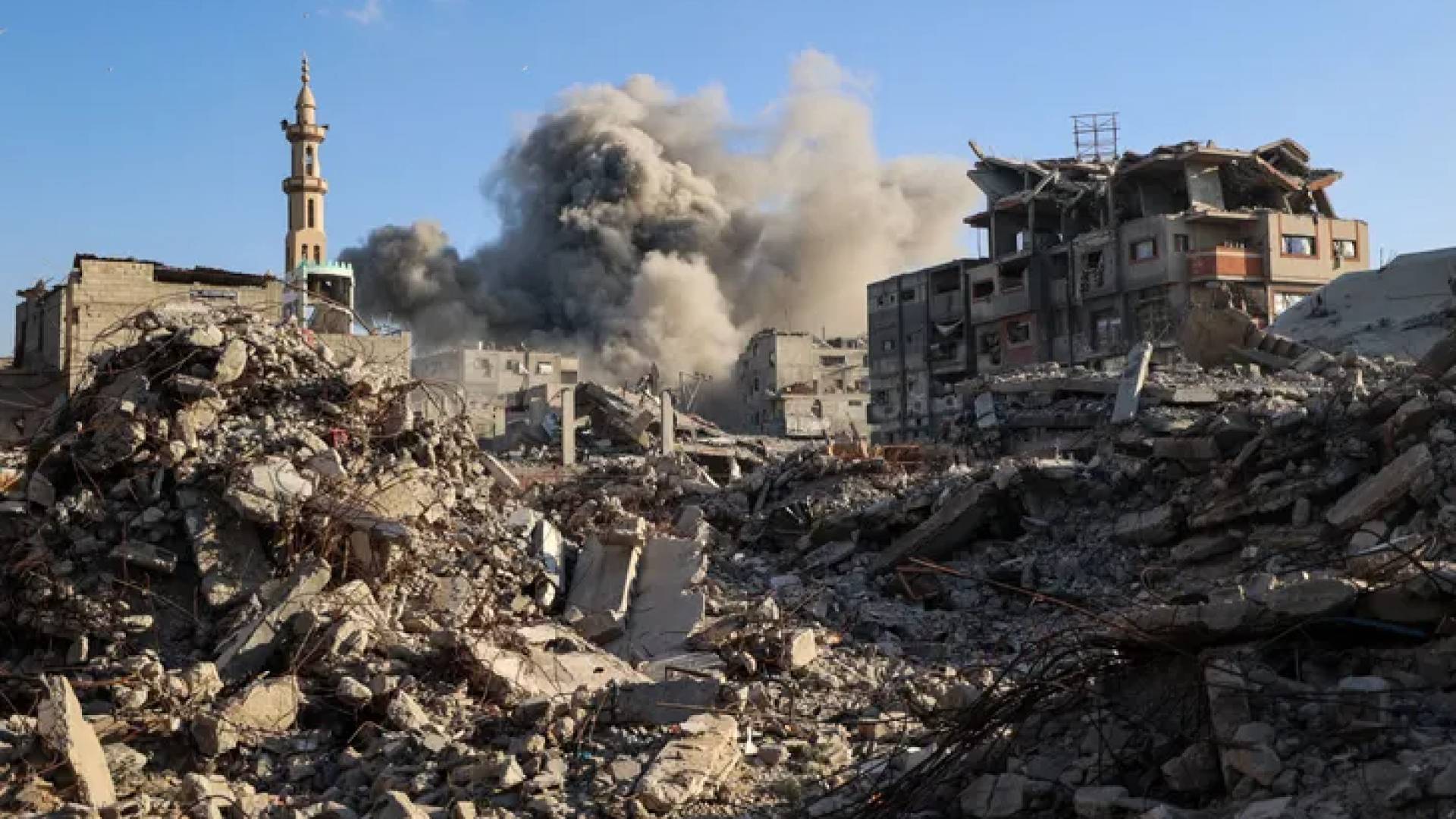
The Civil Defense apparatus in the Gaza Strip is facing a state of institutional demise as a result of systematic Israeli targeting that has affected its infrastructure, with field reports indicating the destruction of about 90% of its vehicles and heavy equipment. This crisis comes at a time when the demand for rescue services is escalating due to the high intensity of Israeli targeting of civilians, in addition to the increasing frequency of fires inside overcrowded displaced persons camps housing hundreds of thousands of citizens.
Ahmed Radwan, media director for Civil Defense in Rafah, stated that the system is on the verge of complete cessation of operations, explaining that most of the vehicles deployed in the Strip are effectively out of service. Radwan confirmed that the tight siege has prevented the entry of any ambulance or rescue equipment since the ceasefire agreement came into effect last October, exacerbating the inability of crews to respond to repeated distress calls.
Western areas of Khan Yunis city are witnessing increasing field complexities, with sources reporting that the occupation carries out an average of three raids daily targeting tents and residential apartments despite the declared truce. These attacks coincide with a wave of fires breaking out in displaced persons gatherings, as residents are forced to use alternative and dangerous materials such as wood and plastic for cooking due to the complete lack of cooking gas and fuel.
In a recent tragic incident, fires consumed at least five tents in the Roni Street area of Mawasi Khan Yunis, resulting in varying injuries among the displaced, most of whom were children. These incidents reflect the security and living fragility experienced by approximately 700,000 displaced persons crowded into a narrow geographical area between Mawasi Khan Yunis and Rafah Governorate, which is classified as one of the most densely populated areas in the world.
Civil Defense leadership has been forced to adopt a coercive priority system reflecting the extent of the deficit, where top priority is given to rescue operations resulting from occupation targeting, followed by fires and accidental incidents, while medical transport and birth cases come last. This arrangement practically means that many humanitarian calls go unanswered, threatening the lives of thousands of patients and injured individuals who have no means of transport to the remaining medical centers.
Official Civil Defense bodies held the Israeli occupation fully responsible for the paralysis of international organizations' work within the Strip, noting that the Red Cross and UN organizations provide only 10% of actual needs. These institutions face strict Israeli restrictions and conditions that hinder the movement of their crews and prevent the entry of necessary equipment, leaving Civil Defense alone to face burdens that exceed its human and material capabilities.
In terms of human losses, the apparatus has lost more than 48% of its specialized personnel, including martyrs, injured, and prisoners, in addition to the complete destruction of 14 vital centers. Despite the display of international civil protection emblems on 56 vehicles targeted by the occupation, this did not prevent their direct shelling while performing their humanitarian duties, amidst international demands for opening a safe humanitarian corridor to allow the entry of rescue equipment to save what can be saved of civilian lives.
The institution is on the verge of complete cessation, and approximately 90% of Civil Defense vehicles in the Gaza Strip have either been destroyed or disabled during the war.



Share your opinion
Civil Defense in Gaza Faces Risk of Total Collapse After 90% of its Vehicles Were Destroyed