







A state of apprehension and anticipation hangs over hundreds of thousands of displaced people in the Gaza Strip, amid continued intensive airstrikes and repeated Israeli statements threatening to expand military control. Reports indicate the occupation army's intention to increase its field control from 60% to 70% of the total area of the Strip, which puts the displaced before difficult choices and an unknown future.
In the Unknown Soldier Camp, located west of Gaza City, local sources confirmed that the recent wave of targeting affected areas previously classified as safer, such as the Rimal neighborhood. This field shift has prompted many families to seriously consider the possibilities of new displacement, despite the lack of safe alternatives and the harsh living conditions they endure.
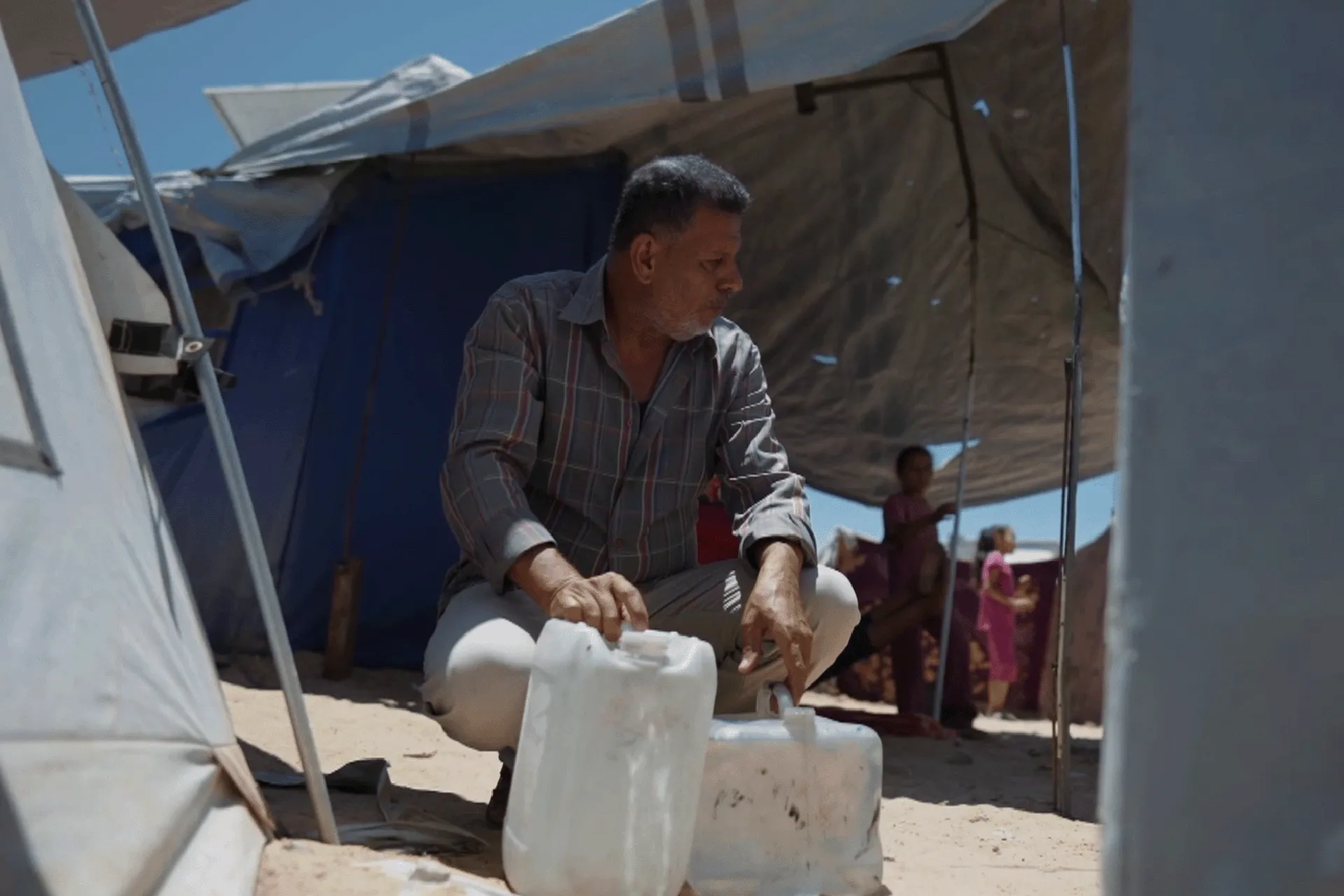
Abu Maher, the camp director, explained that psychological pressures have significantly increased among the displaced for fear of renewed widespread ground operations. He pointed out that most families have exhausted their ability to move, and do not have the logistical or financial capabilities to leave what remains of their simple belongings and search for new shelter amid the continuous shelling.
Abu Maher expressed deep disappointment among the displaced who had hoped for a swift return to their homes in the eastern areas of Gaza City. He affirmed that talk of expanding Israeli control has made the idea of return almost impossible at present, and has even placed current displacement areas under direct threat.
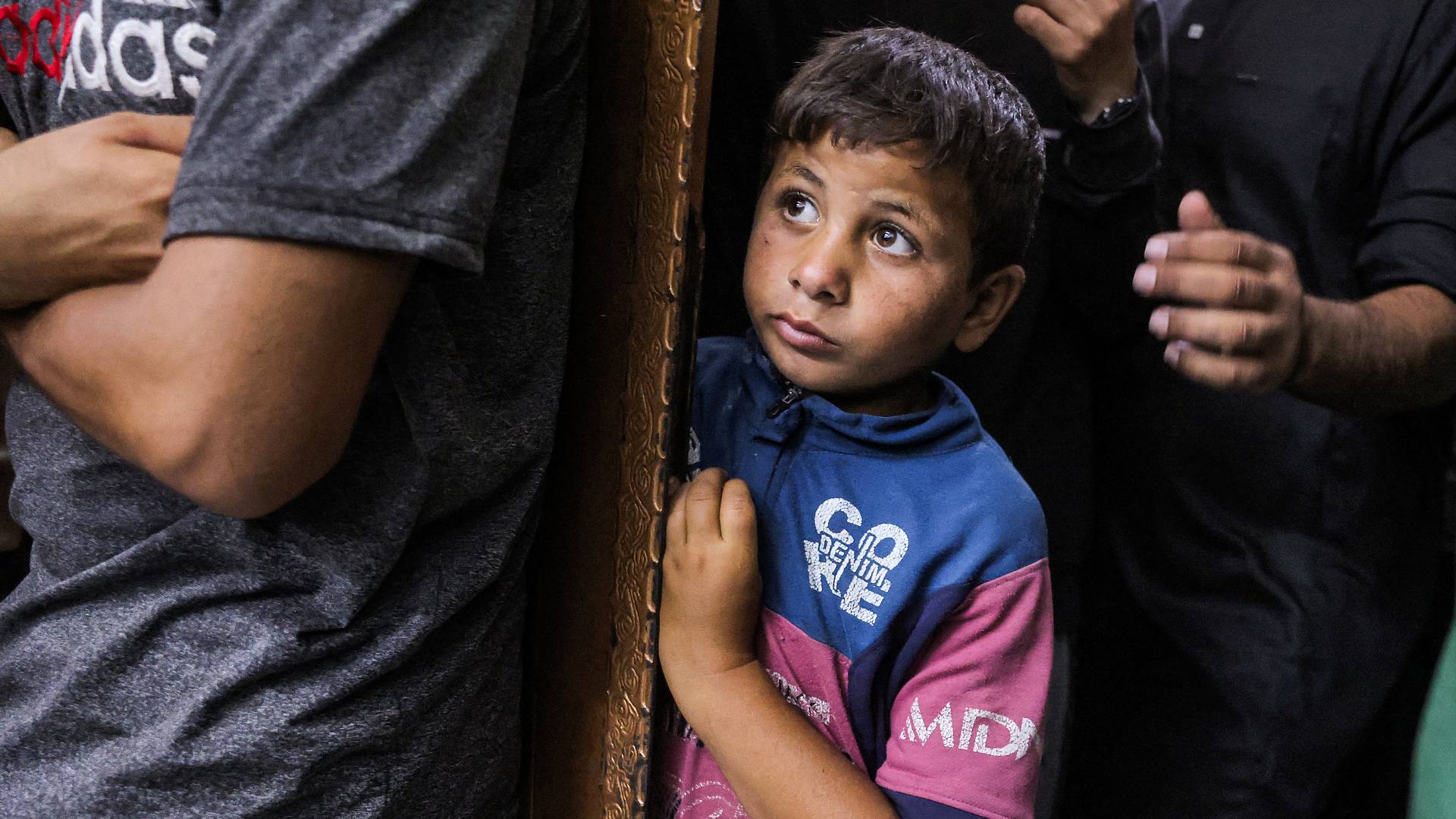
In a related context, the suffering of children stands out as one of the harshest chapters of this war, as the child Yazan Talal Al-Basyouni recounts terrifying details of a raid that occurred just before Eid al-Adha. Yazan, who was preparing his Eid clothes, found himself hiding his new clothes and hugging them for fear of damage or loss amidst the roar of explosions that shook the area.
Child Yazan described the moments of shelling as resembling 'Doomsday' due to the intensity of the panic and destruction left by the rockets in his residential area. The child expressed his great fears of the continuation of the war and the recurrence of scenes of hunger and displacement, wishing for the killing to stop so he could return to his home, which he dreams of rebuilding and living in peace.
For their part, eyewitnesses from among the displaced reported that conditions inside the camps have become unbearable due to shrapnel and stones falling on the dilapidated tents with every nearby targeting. This suffering is exacerbated by the severe economic deterioration and the inability to provide the most basic necessities of life for children and women.
Field sources indicate that merely hearing the sounds of planes or explosions causes a state of collective panic, as residents rush to check on their children. This comes amid a severe shortage of medical supplies and medicines, due to the continued closure of crossings and the prevention of entry of essential relief and medical convoys for treating the wounded and sick.
Security fears have imposed strict restrictions on the movement of residents within the Strip, as fathers fear sending their children even to nearby stores for their needs. This psychological and field siege reinforces the state of isolation experienced by displaced families, and increases the complexities of their daily lives burdened with hardships.
On the humanitarian front, the crisis has worsened after the cessation of some relief programs that provided meals to the displaced, leading to a wider spread of hunger. Families face extreme difficulties in obtaining clean drinking water, at a time when the camps lack the most basic sanitation and healthy environmental conditions.
Human rights organizations warn of the spread of diseases and epidemics within displaced communities due to waste accumulation and the spread of rodents and harmful insects. These deteriorating environmental conditions increase the suffering of patients and the elderly who do not find the necessary medical care amid the collapse of the health system and most hospitals going out of service.
Media sources reported that the raids that targeted the vicinity of the Unknown Soldier Camp in the past few days were very close to the displaced people's tents. These attacks reinforced the conviction among residents that the war might return to its most violent pace, dispelling any hopes for temporary stability or a truce on the near horizon.
In conclusion, the displaced in Gaza remain cautiously watching for any political or field developments that might end their ongoing tragedy for months. While Israeli threats increase, residents cling to the dream of returning to the neighborhoods of Shuja'iyya, Beit Hanoun, and other areas from which they were forcibly displaced, despite the massive destruction that has affected all aspects of life.
We had hoped to return to the eastern areas, but now that hope is completely gone with the talk of increasing Israeli control.


Share your opinion
Fears of new displacement... Occupation threats to expand military control pursue Gaza displaced