







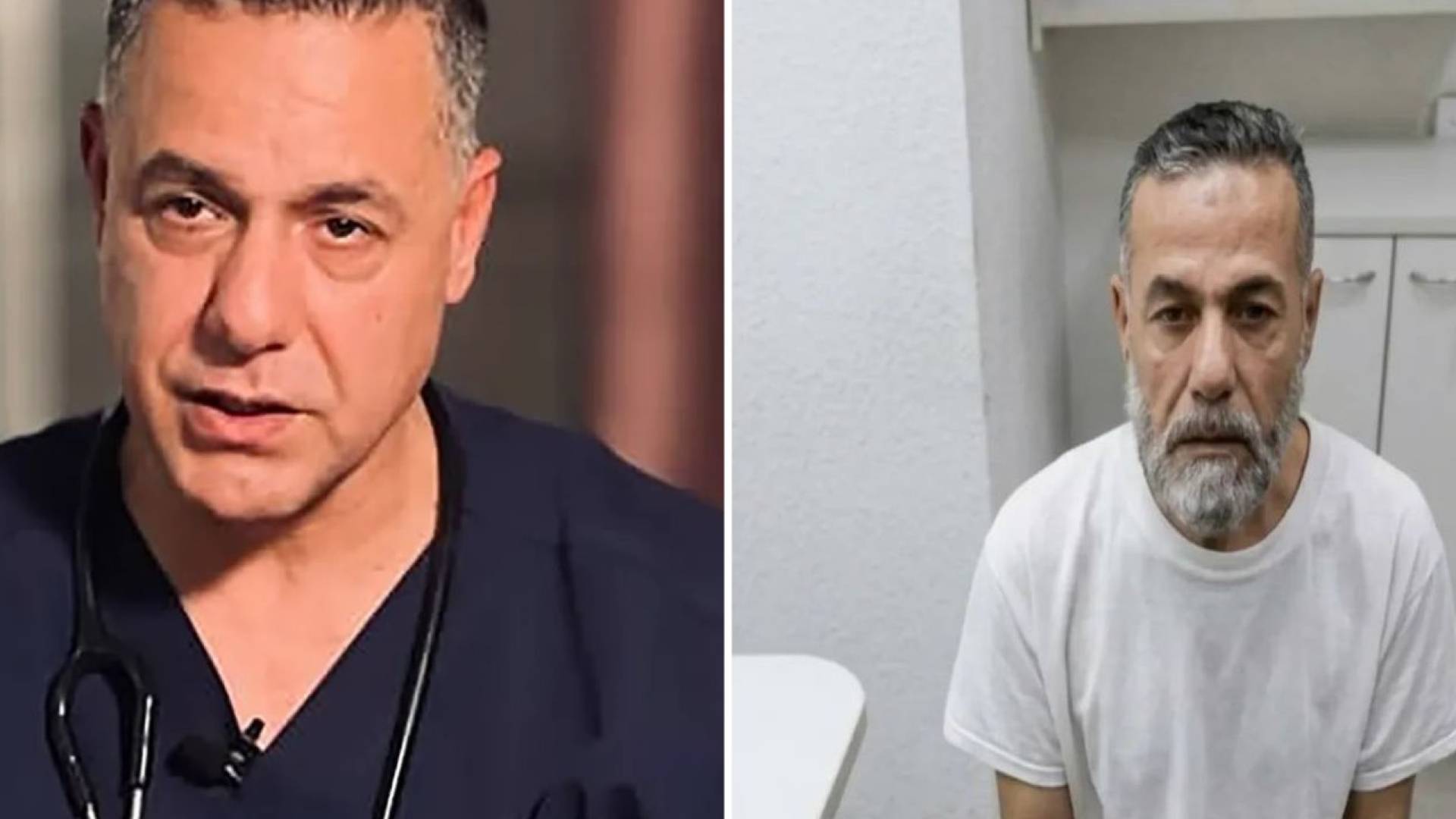
Media sources have revealed significant shifts within the Israeli internal security agency, the "Shin Bet," as its new head, David Zini, seeks to align with the far-right current. These moves come under direct pressure from the coalition government led by Benjamin Netanyahu, aiming to harmonize the security agency's policies with the ideological orientations of the religious right.
In a move that sparked widespread controversy, the agency, after Zini took office, changed computer screen backgrounds to display an image of Al-Aqsa Mosque under the name "Temple Mount." Although the agency retracted the move, describing it as an "accidental incident" due to angry internal reactions, it was seen as an indicator of attempts to politicize the sensitive security apparatus.
In parallel with these developments, international warnings are emerging about existential choices facing Jordan as the historical guardian of Islamic holy sites in occupied Jerusalem. Reports indicate that Israel is systematically seeking to reduce Jordanian influence within the Noble Sanctuary (Haram al-Sharif), which threatens the internationally recognized status quo.
Sources spoke of a conspiracy led by parties in the United States in cooperation with the occupation government to strip the Jordanian royal family of its historical guardianship. This plan, promoted by Jared Kushner and Ambassador Mike Huckabee, includes granting Israel the authority to appoint imams and control the content of Friday sermons inside Al-Aqsa Mosque.
These proposals are based on a precedent described as "dark," which is the division of the Ibrahimi Mosque in Hebron after the massacre committed by the extremist Baruch Goldstein in 1994. Observers fear a repeat of this model in Al-Aqsa, especially with the rise of figures like Itamar Ben-Gvir, who considers Goldstein one of his personal heroes.
On the Jordanian side, official documents and the white paper approved by King Abdullah II affirm that defending Al-Aqsa represents a sacred duty that cannot be compromised. These documents emphasize that the responsibility for protecting the 144-dunam holy compound is a "personal obligation" for every Muslim, which grants the guardian the right to take all means to defend it.
Sources indicate that Jordan possesses strategic leverage, including its long border with Israel, extending 400 kilometers and characterized by rugged terrain. In the event of a religious confrontation, the security stability currently guaranteed by Amman could vanish, placing Israel before unprecedented and difficult-to-secure border threats.
Security experts believe that tampering with the status quo in Jerusalem could drag the region into a religious war that extends beyond the borders of historical Palestine to encompass the entire Islamic world. Former Shin Bet leaders had warned that any attack on Al-Aqsa could ignite a "third world war" given the deep spiritual significance of the site for two billion Muslims.
Islamic endowments in Jerusalem are currently suffering from severe Israeli restrictions, where employees are prevented from carrying out the simplest renovation or infrastructure repair operations without prior permission. Israeli police forces are heavily deployed within the compound, in flagrant violation of international law and historical arrangements agreed upon decades ago.
King Abdullah II, who faced previous pressures from the Trump administration and Netanyahu, sent clear messages that Jordan is prepared to go to any lengths to protect its national security and holy sites. This includes threatening to reconsider security agreements if attempts to displace Palestinians or change the identity of Al-Aqsa Mosque continue.
The state of popular anger in Jordan is escalating as a result of ongoing Israeli crimes in Gaza and the West Bank, increasing pressure on the Jordanian leadership to take more decisive stances. The Jordanian street considers any aggression against Al-Aqsa a direct attack on national sovereignty and dignity, making resistance a popular and official option.
The plan led by the far-right in Israel aims to demolish the Dome of the Rock and build the "Third Temple" in its place, a step that religious Jews see as a prelude to the appearance of the Messiah. These ideological delusions clash with a complex political and military reality, as the traditional Israeli security establishment understands the catastrophic risks of such orientations.
Ultimately, King Abdullah finds himself facing a historic choice between surrendering to American-Israeli pressures or leading a defensive front for the holy sites. With the changing international balance of power, Jordan may find broader regional and international support than its adversaries expect if it decides to militarily or politically confront the liquidation plans.
Al-Aqsa Mosque remains the primary driver of conflict in the region, as the director of the Islamic Waqf, Sheikh Azzam Al-Khatib, affirmed that the Hashemite guardianship is the only guarantee to prevent full Israeli control. Al-Khatib warned that any change in the status quo would lead to a religious explosion whose cross-border and cross-continental repercussions cannot be controlled.
The guardian of these sites is the only one with the right to actually request their defense, and only he can determine the optimal way to do so.
Share your opinion
Shifts in 'Shin Bet' and US-Israeli Plans to End Jordanian Guardianship over Al-Aqsa