







The international media system faces sharp criticism for adopting editorial language that clearly avoids using terms with legal and ethical implications when describing Israeli violations in Palestine. Major journalistic institutions resort to replacing concepts such as 'occupation' and 'war crimes' with vague expressions that mislead global public opinion and diminish the scale of human suffering.
Analytical readings of these media outlets' discourse indicate a deliberate use of words like 'military operation' and 'security measures' instead of 'aggression' or 'invasion,' reflecting an approach contrary to historical and legal truth. This style contributes to 'whitewashing' the occupation that has continued since 1948, transforming the issue from a liberation struggle into merely a 'crisis' or a 'border dispute.'
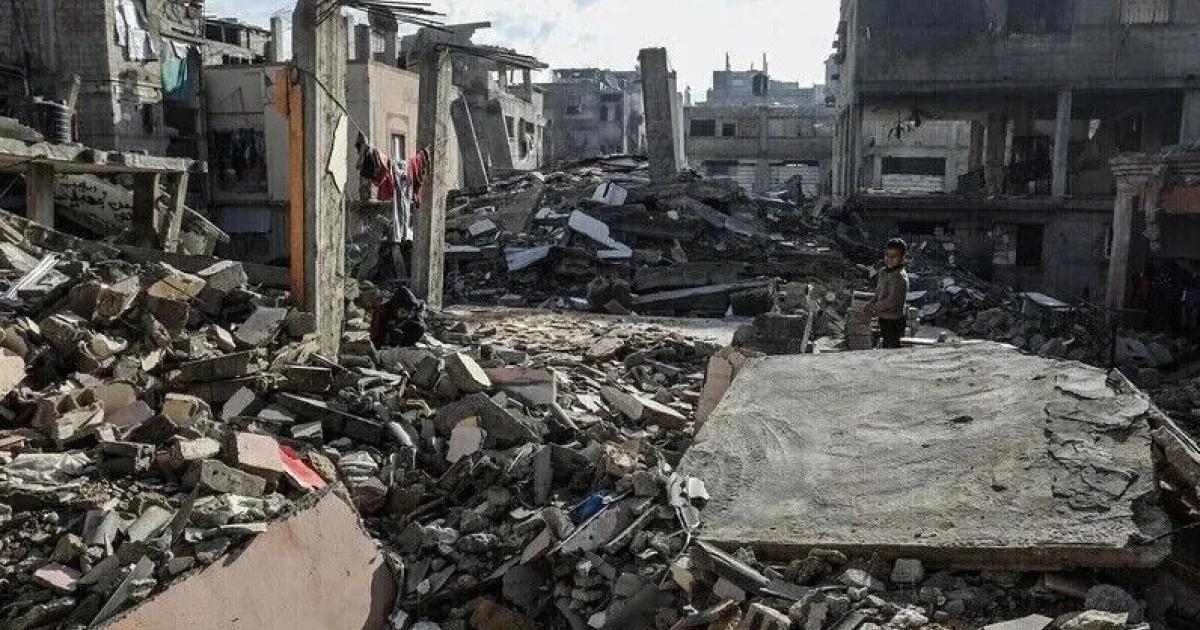
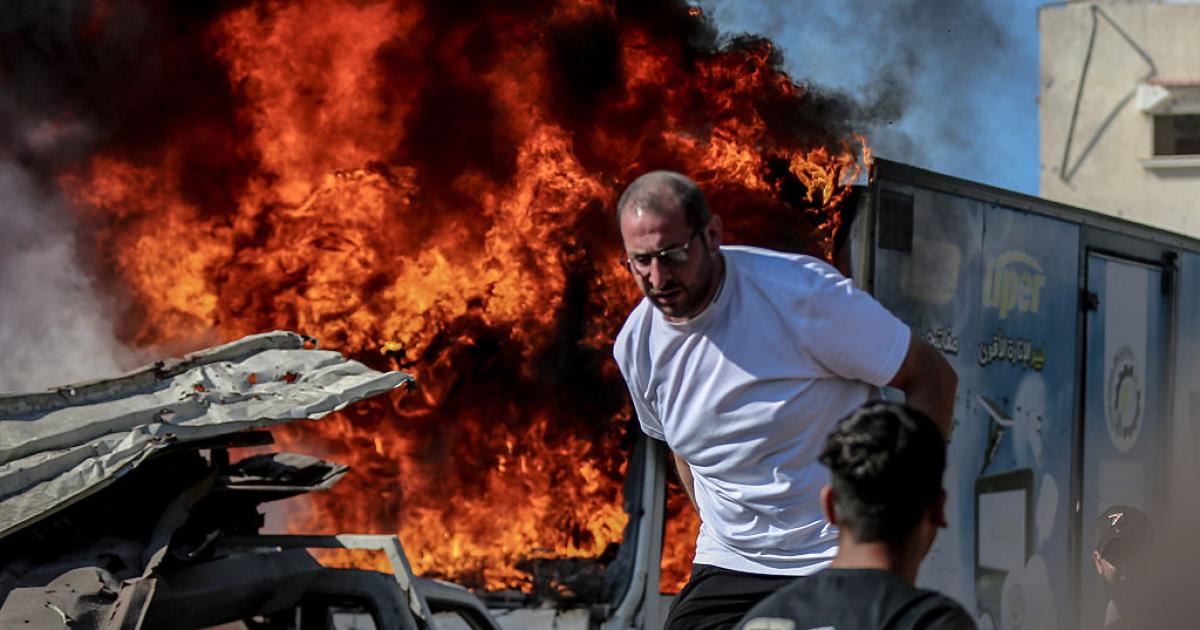
In a recent monitoring of American media trends, media sources described the escalation of attacks on the Gaza Strip as an 'expansion of military operations,' while the forced displacement of residents was portrayed as 'evacuation orders.' This verbal manipulation seeks to strip the criminal act of its coercive context and present it as a regulatory measure within a legitimate war context.
Internal reports revealed that the management of 'The New York Times' imposed strict censorship on its journalists to prevent the use of terms like 'genocide' and 'ethnic cleansing.' This editorial directive aims to protect the Israeli narrative and prevent accurate legal descriptions adopted by international human rights organizations from reaching the Western reader.
For its part, the 'BBC' continued to use expressions such as 'areas controlled by Israel' instead of 'occupied territories,' which is a circumvention of international law. In its coverage of land theft in the West Bank, the network used terms like 'acquisition' and 'seizure,' which mitigates the severity of the crime and portrays it as a property dispute.
'The Associated Press' was not far from this approach, describing the occupation's measures to strengthen its grip on the West Bank as mere 'control measures.' These formulations contribute to normalizing the presence of the occupation and transforming it into an acceptable administrative reality, far from being a blatant violation of Palestinian sovereignty and national rights.
Statistical studies highlight a huge gap in the use of the term 'retaliation,' where it is employed in nearly 80% of discussions about Israeli attacks in American and British media. In contrast, this percentage drops to less than 10% when addressing Palestinian actions, reinforcing the impression that Israel is in a constant state of self-defense.
Western media also adopts the strategy of 'equality between victim and perpetrator' by repeatedly using the phrase 'both sides' in its news coverage. This discourse suggests a balance of power and legitimacy, ignoring the structural reality of an armed military occupation force against an unarmed people demanding their freedom.
Regarding the ongoing war of extermination in Gaza, the term 'Israel-Hamas war' is intensively promoted to reduce the conflict to a single political faction. This description aims to isolate Gaza from its comprehensive Palestinian national context, and justifies targeting civilians under the pretext of fighting a specific organization, ignoring the targeting of the Palestinian existence as a whole.
Presenting Palestinian resistance movements as parties parallel to the Israeli state in power and responsibility is a deliberate distortion of the historical context. Resistance is a natural product of occupation according to international laws, but Western media insists on portraying it as a party in an 'equal war' to hide the reality of systematic oppression practiced by the occupation.
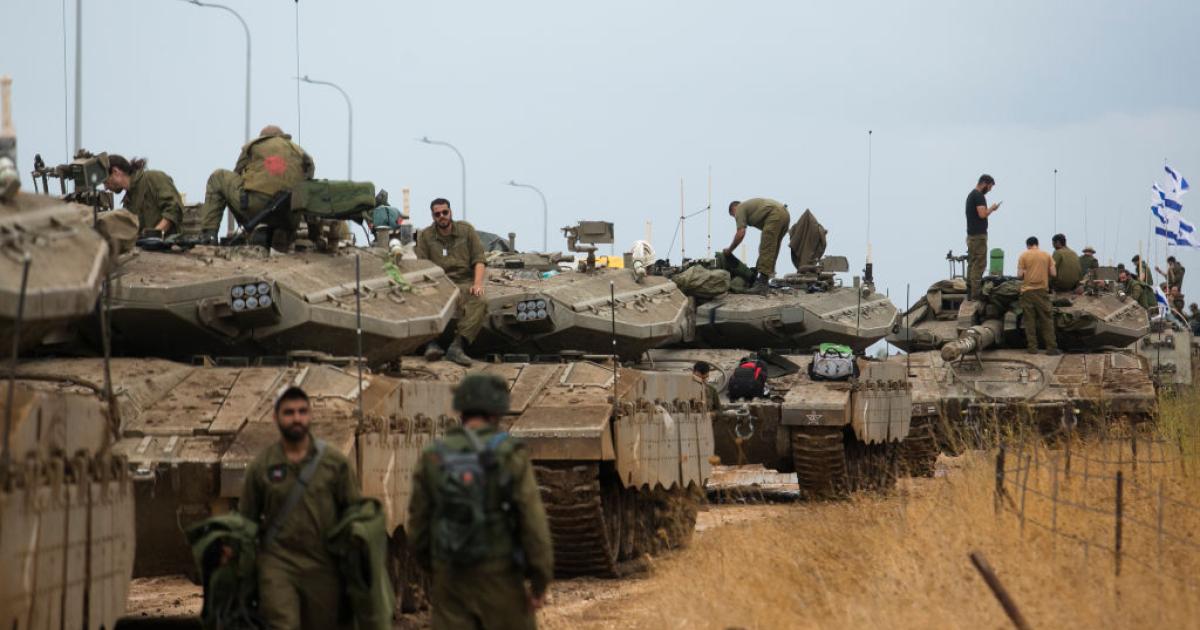
These media outlets continue to portray Israel as the 'only democracy' in the region, while describing its army as a 'defense force,' ignoring its extensive record of violations. This propaganda contradicts reports by international legal experts who describe Israeli practices as 'apartheid' and 'ethnic cleansing' in all their elements.
This biased coverage has sparked widespread waves of anger, reaching the point of painting the facades of international media headquarters red as a symbol of the victims' blood ignored by journalistic discourse. These protests reflect a growing awareness among the global public of the extent of the media machine's involvement in obscuring facts and falsifying collective consciousness.
Ignoring terms such as 'massacre,' 'siege,' and 'genocide' is not just a professional lapse, but a deliberate editorial decision aimed at protecting political interests. According to human rights sources, this media behavior makes these institutions partners in covering up crimes by depriving victims of their right to the correct naming of their suffering.
In conclusion, the 'war of terms' remains an integral part of the comprehensive battle on the land of Palestine, where the Western-backed Zionist narrative seeks to obliterate national identity. It seems that breaking this media blockade requires a counter-effort to impose correct legal and historical terms in international forums and alternative digital platforms.
Using the term 'retaliation' in 79% of Western coverage of Israeli actions aims to imply that its aggression is a legitimate and necessary response.

Share your opinion
War of Terms: How International Media Contributes to Whitewashing the Occupation?