







The pace of diplomatic moves between Tehran and Washington is escalating in an attempt to end the open conflict and secure vital waterways, foremost among them the Strait of Hormuz. These negotiations come at a time when international parties insist on bypassing hot issues related to the ongoing aggression on the Gaza Strip and Lebanon, raising questions about the nature of the upcoming security arrangements.
In this context, Republican Senator Lindsey Graham's statements emerged, reflecting an intense desire to utilize any agreement with Iran to directly serve Israeli interests. Graham called on the Trump administration to exert real pressure on influential Arab and Islamic capitals to engage in the normalization path known as the Abraham Accords.
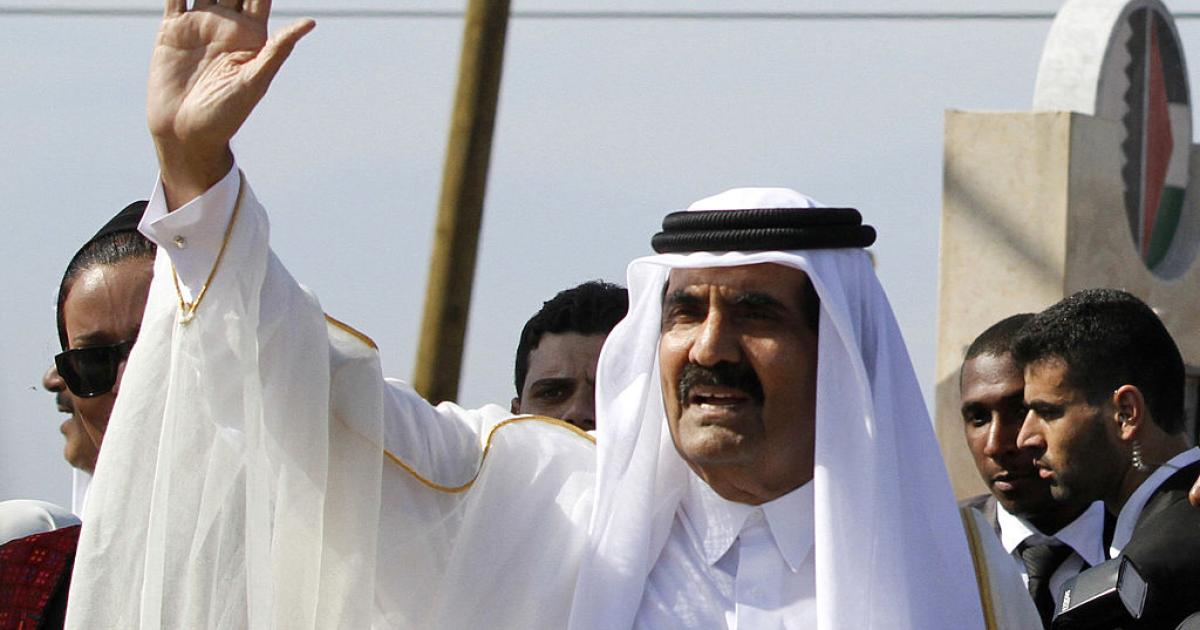
Graham did not stop at a general call but specifically named Saudi Arabia, Qatar, and the Republic of Pakistan as parties that should be part of the new system. The American senator considered that the accession of these countries would represent a historical turning point in the Middle East, describing the current moment as a time for 'boldness' for the future.
Graham's statements were not devoid of veiled and explicit threats, as he warned that refusing to go down this path would lead to dire consequences for bilateral relations with Washington. Observers believe that this language reflects an arrogant mindset that attempts to mortgage the interests of the region's countries to the shared Israeli and American vision.
Political readings indicate that the Trump administration, driven by the 'hawks' in its team, seeks to present Israel as the center for managing the region under the guise of peace. This approach completely ignores legitimate Palestinian rights and overlooks the genocide crimes committed by the occupation in the occupied territories.
The attempt to portray the anticipated agreement with Tehran as a 'victory' over what is described as Iranian evil aims primarily to polish the image of the occupation and present it as a strategic partner. This strategy works to divert attention from the failure to achieve military objectives on the ground in Gaza and Lebanon by achieving free diplomatic gains.
Analysts believe that the American political mind still refuses to read the real repercussions of its absolute compliance with Israeli desires at the expense of regional stability. The demand for free normalization amidst continued settlement and systematic killing reflects a deep gap between the reality on the ground and Washington's political ambitions.
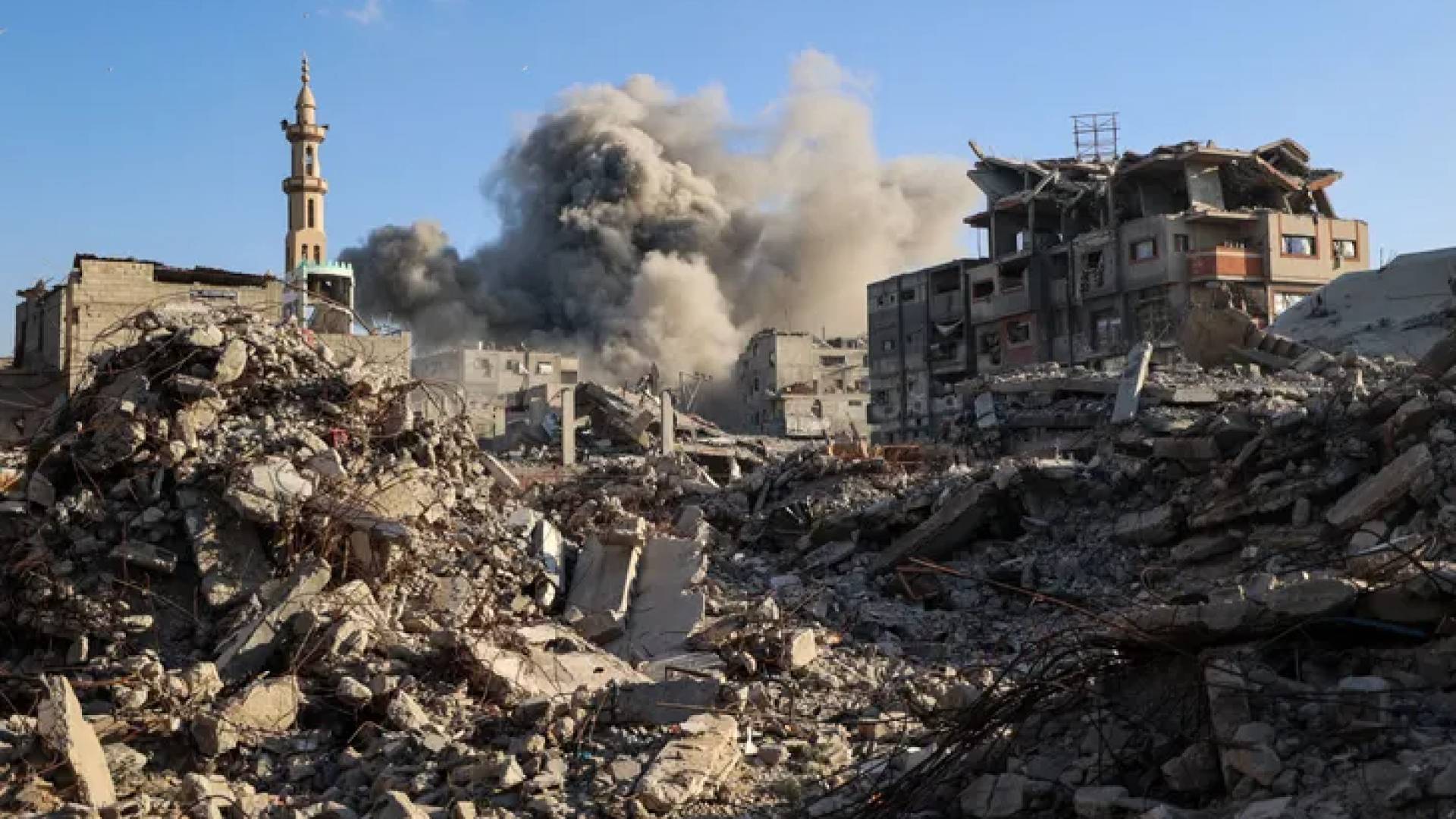
It seems that there is insistence by decision-making circles in Washington to ignore the continuous bleeding in Gaza, the West Bank, and Jerusalem, and to focus only on security arrangements that guarantee the occupation's superiority. This policy places Arab regimes before major challenges related to their sovereignty and historical positions on the Palestinian issue.
The real danger lies not only in Graham's statements but in the attempt to impose a new political reality that makes dependence on the Israeli center a condition for stability. In this context, Washington uses economic and political pressure tools to intimidate countries that may oppose this forced path.
In contrast, the testimonies of international activists about the fascist practices of the occupation stand as a moral and humanitarian obstacle to any attempts at popular or official normalization. What the activists of the Freedom Flotilla reported about the types of torture and violations reflects the true face of the entity that Graham tries to market as a 'dove of peace'.
Data indicates that the winds of Netanyahu and Trump may not blow as their ships wish, especially with the growing global awareness of the nature of the colonial Zionist project. The rising generations in the region and the world are becoming more capable of exposing the falsehood of peaceful claims that accompany bloodshed.
Any agreement that ends the war with Iran without addressing the roots of the conflict in Palestine will remain a fragile and incomplete agreement and will not lead to real stability. Peace based on the extermination of the rightful owners and the suppression of their consciousness is merely an illusion that the American administration tries to market to serve electoral and ideological goals.
The question remains about the ability of the targeted Arab countries to withstand these increasing pressures and difficult political trade-offs. History will judge this stage based on the positions taken regarding Palestinian rights and national sovereignty, away from external dictates.
In conclusion, Lindsey Graham's statements may be a trial balloon to gauge reactions, but at the same time, they reveal the true intentions of the incoming administration. The attempt to draw a new map for the Middle East with a clear 'Zionist imprint' will inevitably face the realities of geography and history that cannot be overlooked.
If you refuse to go down this path as President Trump suggested, it will have dire consequences for our future relations and make this peaceful proposal unacceptable.


Share your opinion
US pressure to link Washington-Tehran agreement to expanding the circle of Arab normalization