







Farmers and experts in Sudan confirmed that the sharp rise in global fuel and fertilizer prices, resulting from regional military tensions, will force them to reduce cultivated areas during the current summer season. This decline in agricultural activity threatens a severe shortage of food production in a country already suffering from the ravages of civil war and widespread famine.
Field sources reported that the costs of essential agricultural inputs have reached unprecedented levels, which will exacerbate the crises caused by the internal conflict. Strategic crops such as sorghum and millet are expected to be affected, in addition to cash crops designated for export like sesame, placing the exhausted Sudanese economy before additional challenges.
Data from the United Nations indicates that Sudan is one of the countries most vulnerable to the repercussions of regional crises, due to its heavy reliance on neighboring and Gulf countries to secure more than half of its fertilizer needs. The ongoing conflict between the army and the Rapid Support Forces has also made the country entirely dependent on importing fuel from abroad to operate machinery and irrigation pumps.
Sudan today stands at the forefront of countries affected by a looming global food crisis, especially with the shrinking budgets of international aid for relief. A global hunger monitor warned that about 19.5 million people, representing more than 40% of the total population, face critical levels of food insecurity, with a real risk of famine in several regions.
Although Sudan's enormous agricultural potential has always attracted investors, the sector has suffered for decades from mismanagement and armed conflicts. About two-thirds of the country's population depends on agriculture as a primary source of livelihood, making any deterioration in this sector a fatal blow to the livelihoods of millions of Sudanese families.
Sadiq Al-Amin, an analyst at the United Nations Food and Agriculture Organization (FAO), stated that recent regional conflicts have doubled the existing challenges, warning of a potential 40% decrease in overall production. He added that the continuation of these price shocks threatens to escalate the current food crisis to unprecedented catastrophic levels.
In areas controlled by the army in the center and east of the country, farmers are trying to resume their activities, but financial obstacles stand in their way. In the Al-Jumouia project south of Omdurman, farmers had hoped for a promising season after the area was recovered, but they were shocked by a 67% increase in fertilizer prices and more than double for fuel.
Farmers complain that the costs of operating diesel irrigation pumps now consume all expected profits, making agriculture an economically losing venture. Officials in the Al-Jumouia project indicated that only 500 feddans out of a total of 10,000 feddans have been cultivated, a serious indicator of declining production halfway through the agricultural season.
In a related context, the Al-Jazeera project, which was once Sudan's food basket, has faced significant infrastructure deterioration since the outbreak of fighting. Heads of agricultural associations confirmed that the absence of repair operations for canals and pumps, coupled with stagnant crop prices against rising costs, has led farmers to refrain from cultivating wheat and corn.
Sudan's Agricultural Bank, responsible for financing farmers, is suffering from near-total paralysis as a result of its impact by the conflict that hit the country's financial sector. Farmers say that the bank imposes harsh conditions and high prices for inputs, while buying products at low prices, trapping them in a cycle of accumulated debt with endless consequences.
For its part, the Sudanese Ministry of Agriculture announced attempts to establish a new fund in cooperation with the Agricultural Bank to finance farmers and alleviate the burden of fuel costs. Official sources in the ministry clarified that work is underway to rehabilitate irrigation canals and repair pumps in several vital locations to save what can be saved from the current season.
In the states of Darfur and Kordofan, the absence of security represents the greatest threat to the production of groundnuts and gum arabic, where looting and intimidation are widespread. Displaced farmers confirm that the lack of funding and machinery, in addition to the levies imposed by armed groups at checkpoints, has made agriculture an impossible task in those areas.
Field reports indicate that many agricultural machines and tractors have been looted during armed raids, while agricultural workers have been forcibly recruited to fight. This mass displacement of people from fertile agricultural areas has led to vast areas of land remaining unprepared or uncultivated for the upcoming season.
In conclusion, experts in agricultural supply companies believe that delivering supplies to conflict areas has become a costly and risky adventure. Small farmers, who cultivate only to secure their daily sustenance, remain the weakest link in this chain, facing the direct risk of hunger in the absence of government and international support.
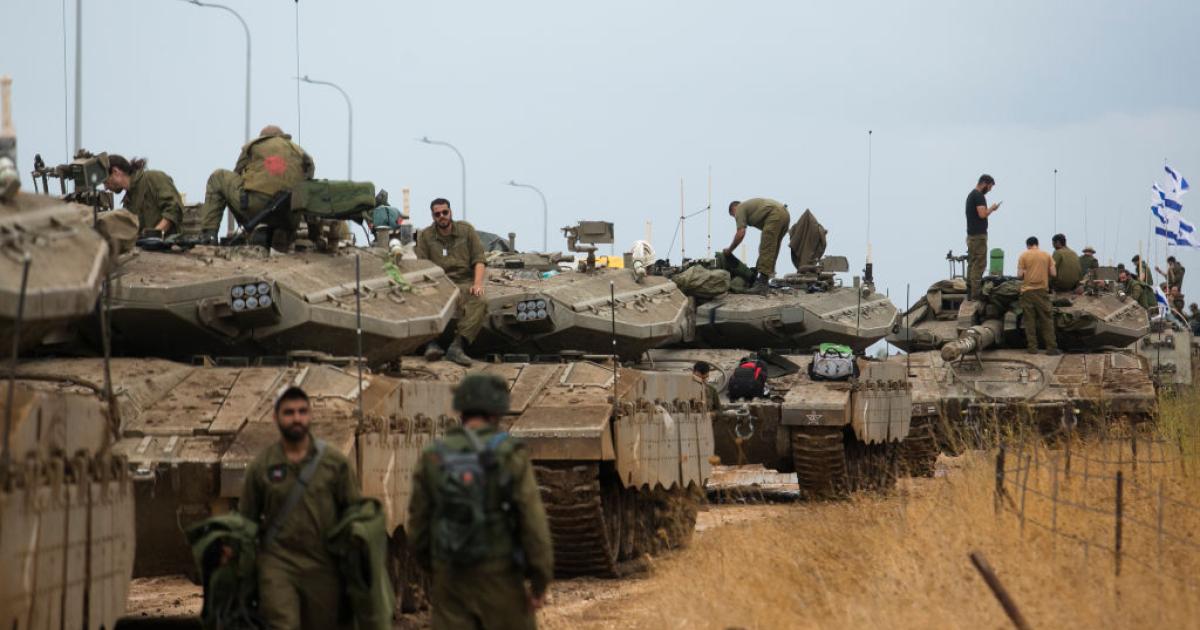
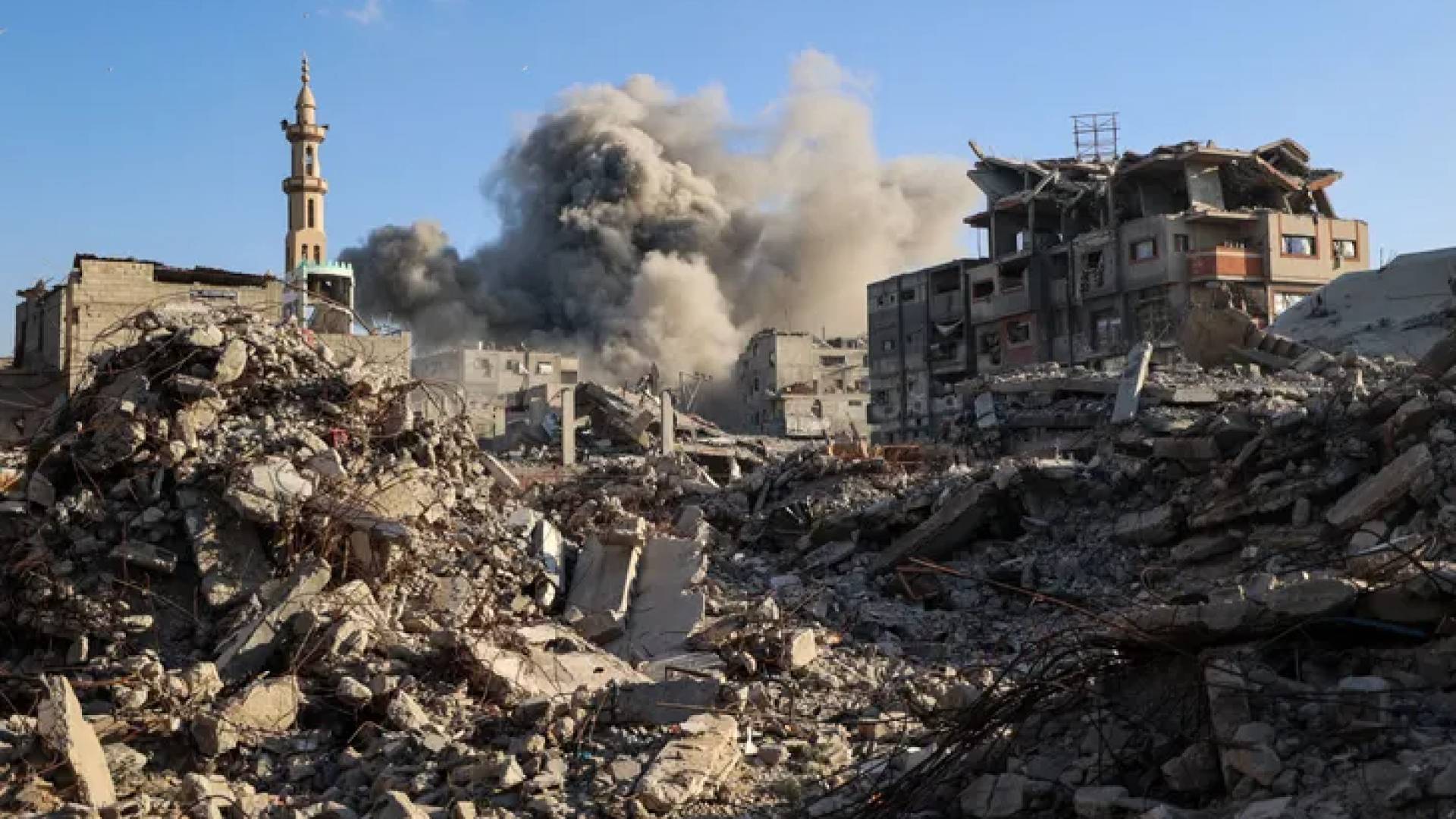
Regional war has made matters worse, and Sudan's total agricultural production could decrease by at least 40 percent.




Share your opinion
Global Fuel and Fertilizer Crisis Doubles the Suffering of Sudan's Agricultural Sector