







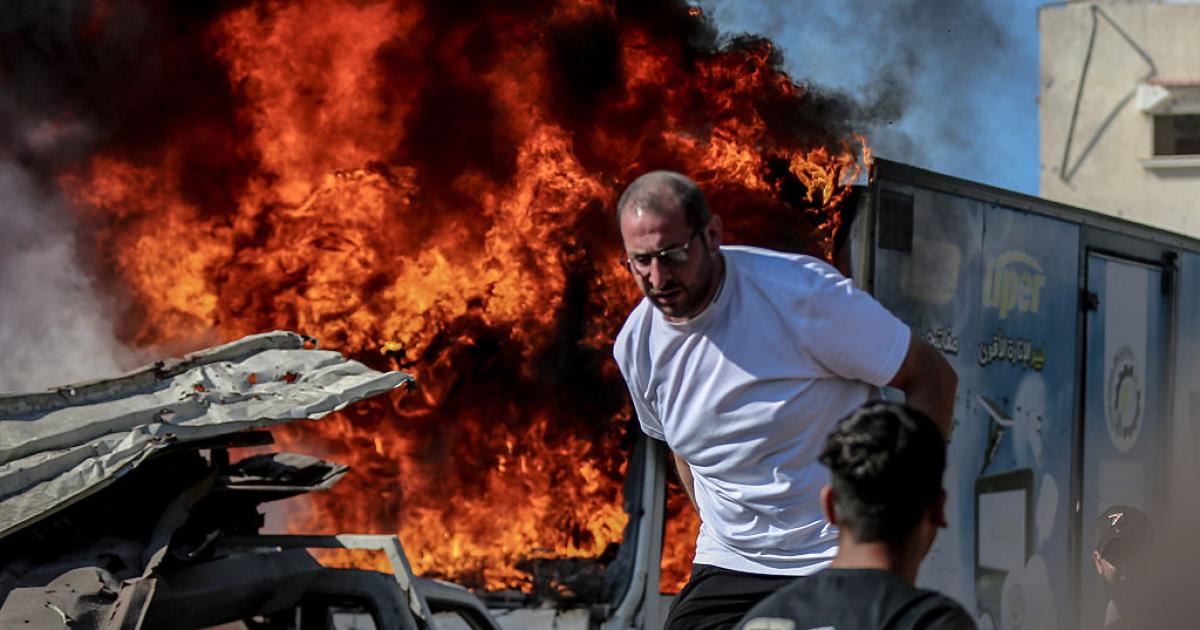
The pace of extermination and forced displacement in the Gaza Strip is escalating through a series of daily airstrikes and systematic targeting of displacement shelters, resulting in the martyrdom of approximately 900 people since the last ceasefire agreement. These massacres coincide with a catastrophic deterioration in the healthcare system and a severe shortage of medical supplies, putting the lives of thousands of wounded and sick people at risk amidst a suffocating siege.
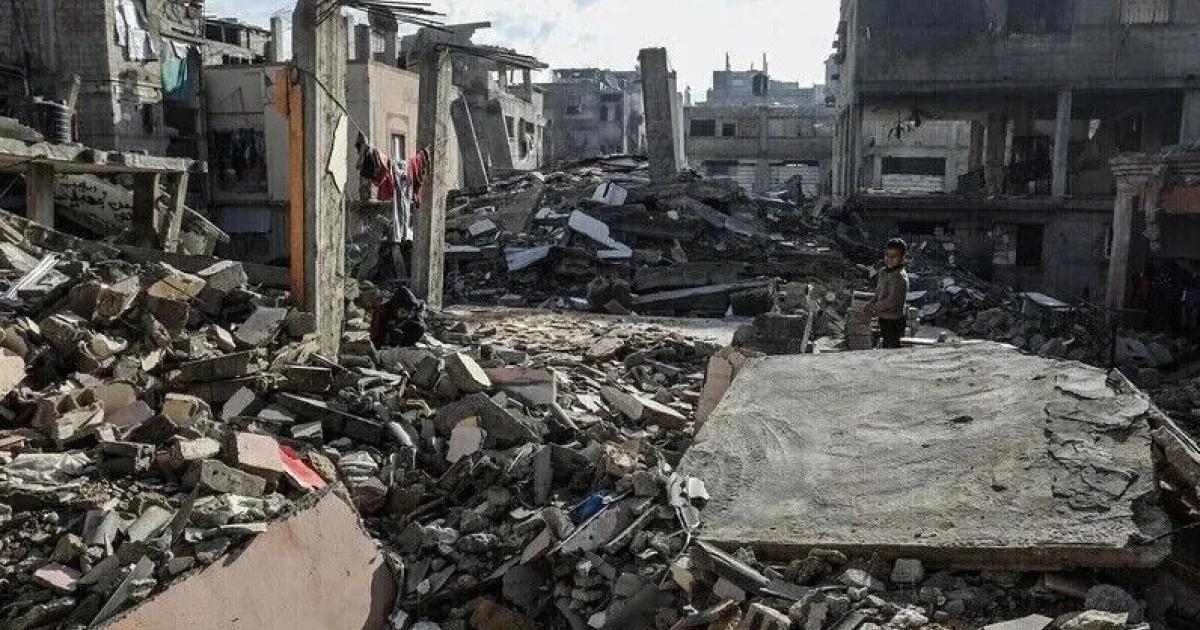
Field sources reported that the Israeli occupation army has taken control of about 60% of the Strip's area, where it is carrying out extensive demolition operations of residential blocks on both sides of the 'Yellow Line'. This military geographical expansion raises fundamental questions about the true objectives of this escalation, and whether Tel Aviv seeks to swallow what remains of the besieged Palestinian territory.
Mohannad Mustafa, an expert in Israeli affairs, believes that Benjamin Netanyahu's government, through this escalation, seeks to implement a comprehensive military operation aimed at fully occupying the Strip. Mustafa explained that Netanyahu is deliberately working to obstruct the basic provisions of the agreements, including hindering the entry of humanitarian aid and preventing the formation of a national committee to manage Gaza's affairs.
The recent military movements are linked to Netanyahu's troubled political situation, as he faces crucial elections next mid-September without achieving tangible accomplishments. Observers believe that failure to resolve the Gaza issue will have catastrophic consequences for his political future, pushing him to exploit the Palestinian front as a propaganda tool to restore his declining popularity among Israeli voters.
In contrast, Kenneth Katzman, a researcher in strategic studies, presents a different view, considering that the common goal between Tel Aviv and Washington is not permanent occupation, but rather the dismantling of the resistance's military capabilities. Katzman points to international arrangements led by UN parties to deploy an international force and an administrative committee immediately after the current regional confrontation with Iran ends.
For his part, political analyst Iyad Al-Qara refuted the Israeli and American narrative regarding the resistance's weapons, describing it as merely a pretext to evade international obligations. Al-Qara affirmed that Palestinian factions showed great flexibility in the Cairo negotiations, expressing their readiness to discuss all issues through the proposed administrative committee, provided there are genuine international guarantees.
Al-Qara explained that Netanyahu is exploiting the American administration's preoccupation with other regional issues to launch a 'mini-war' based on assassinations, reduced aid, and the evacuation of residential blocks. This policy comes as part of an attempt to impose a new demographic and geographical reality away from the eyes of the international community, exploiting the global inability to impose binding resolutions on the occupation.
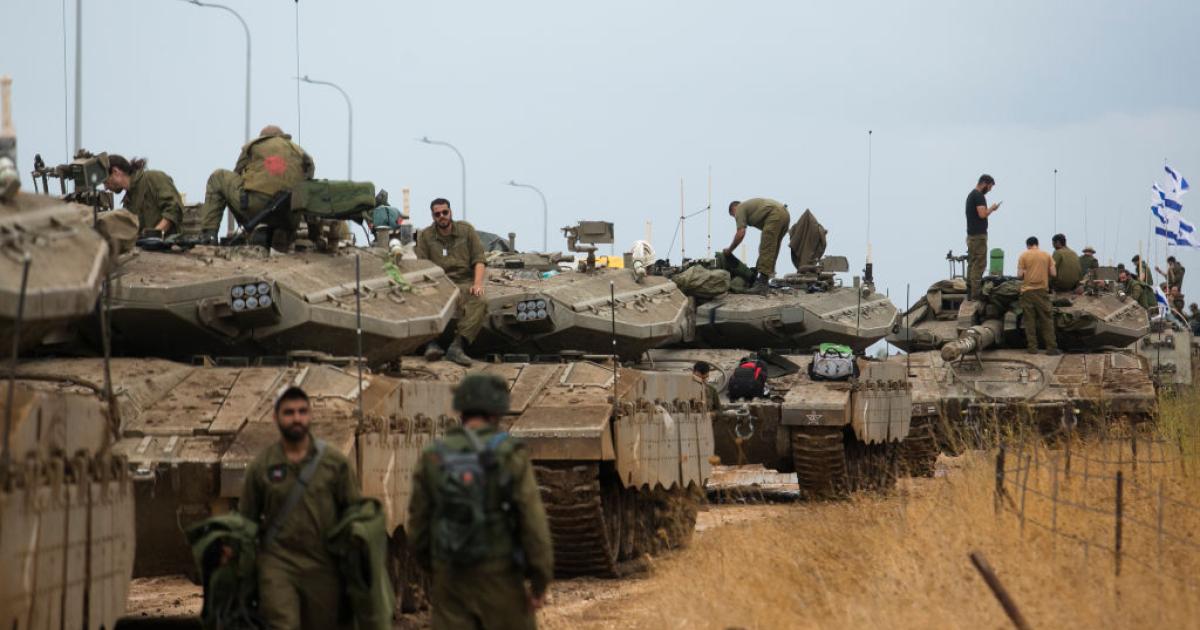
A huge human block estimated at 2.2 million people is currently present in the remaining 40% of the Strip's area, which portends an unprecedented humanitarian catastrophe. Experts confirm that any attempt at a full invasion will collide with strategic obstacles, including increasing international pressure and the exhaustion of the Israeli army on multiple fronts between southern Lebanon and the West Bank.
Field data indicate that the occupation, despite its control over large areas, has failed over two and a half years of the war of extermination to achieve its strategic goals of eliminating the resistance. This war has so far resulted in more than 70,000 martyrs, yet Palestinian factions are still able to manage the battle and confront infiltration attempts on various axes.
On the international level, striking shifts have begun to appear in the positions of European countries that were considered allies of the occupation, such as Britain and Italy, which have begun to review their military support. This decline in international cover, coinciding with the reserve forces crisis within Israeli society, may put an end to Netanyahu's ambitions for full military expansion within the Gaza Strip.
The world can no longer tolerate a new extermination against 2.2 million people crowded into the remaining 40% of the Strip's area.



Share your opinion
Plans to annex the Gaza Strip: Is Israel paving the way for a full occupation of the Strip?