







The Islamic Resistance Movement, Hamas, mourned on Saturday the commander-in-chief of the Izz al-Din al-Qassam Brigades, Izz al-Din al-Haddad, who was martyred in an Israeli airstrike targeting his location in Gaza City. The funeral procession for al-Haddad's body took place in a massive public atmosphere, with thousands of citizens participating in bidding farewell to the military leader who had been pursued by occupation forces for many years.
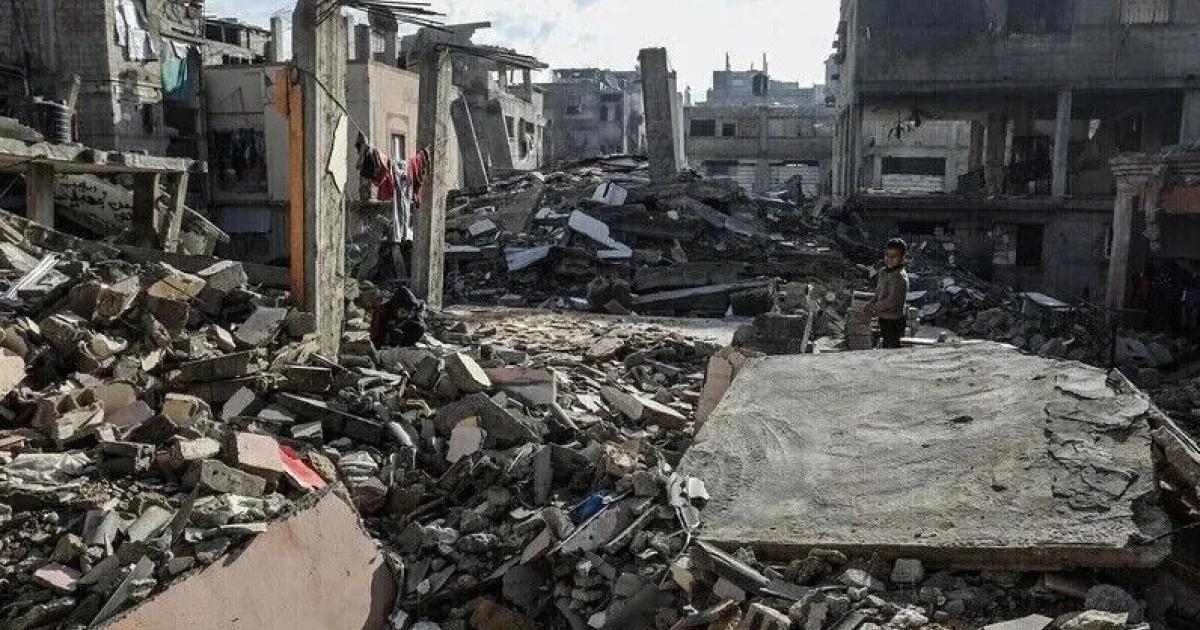
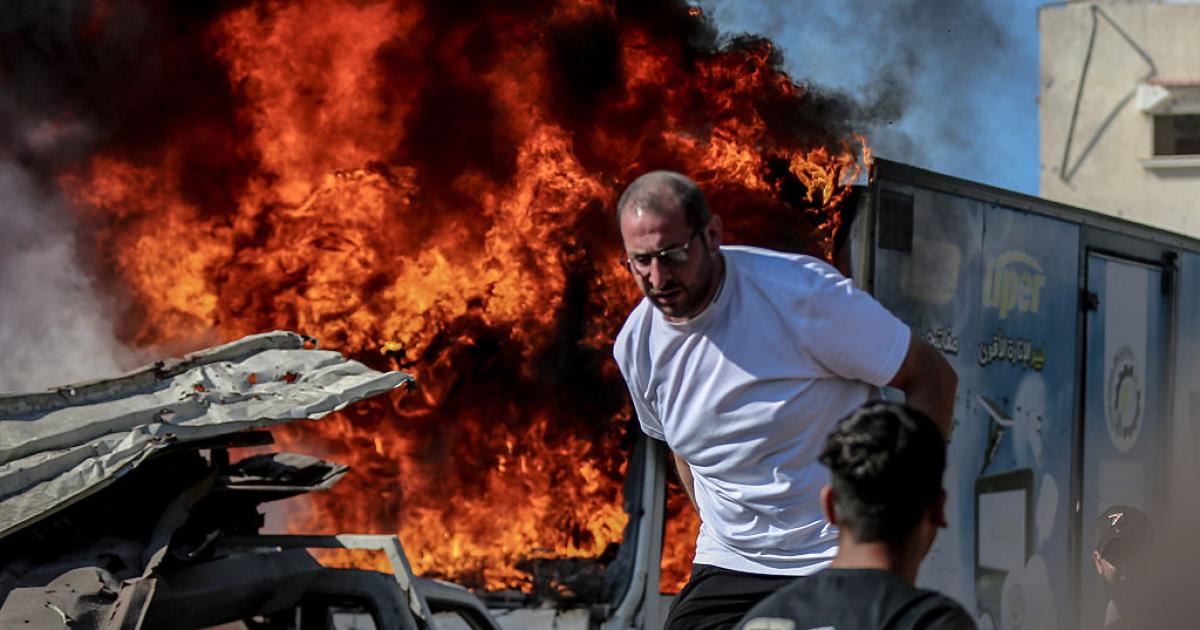
Field sources reported that occupation aircraft targeted the Al-Mu'taz residential building in the Al-Rimal neighborhood with three direct missiles, leading to the martyrdom of al-Haddad along with his wife and daughter, in addition to a number of other martyrs and wounded. This assassination comes amidst continuous Israeli escalation and a breach of truce agreements that have seen hundreds of casualties in recent weeks.
Izz al-Din al-Haddad, nicknamed 'The Ghost,' is the third commander-in-chief of the Al-Qassam Brigades to be assassinated during the current confrontation. He succeeded Muhammad Sinwar, who was martyred in May 2025, who in turn took command after the martyrdom of Muhammad Deif in July 2024. This series of targeting highlights the occupation's determination to eliminate the first line of the movement's military leadership.
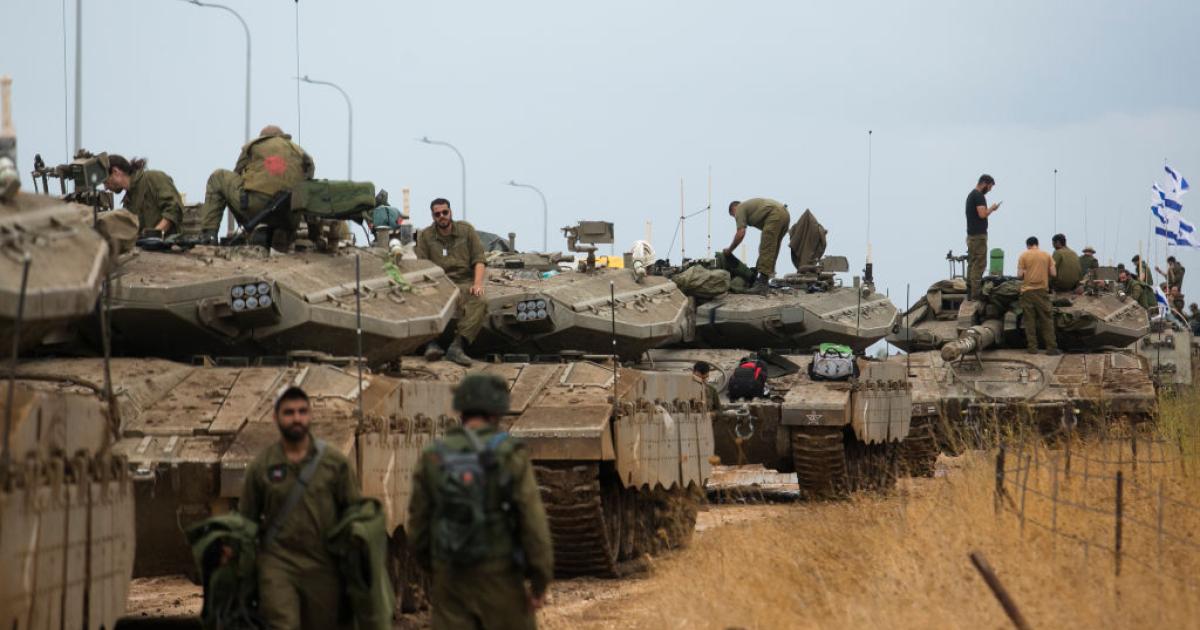
For its part, the occupation army and the Shin Bet officially announced their responsibility for the operation, claiming that al-Haddad was one of the main planners of the October 7 attacks. The head of the occupation government, Benjamin Netanyahu, justified the attack by claiming al-Haddad's rejection of proposals related to disarming the resistance and evacuating the Gaza Strip of military presence, which the occupation considered an obstacle to its goals.
On the organizational level, data indicates that the occupation managed to target 13 out of 15 members of the Al-Qassam Brigades' military council according to its pre-war formation. According to sources within the movement, the two remaining members of the old formation are Muhammad Odeh, head of military intelligence, and Imad Aql, responsible for the internal front file.
Despite the gravity of the loss, sources close to the resistance confirmed that Hamas does not intend to announce the name of the new commander of the Al-Qassam Brigades at the present time for security and operational reasons. The sources explained that the military structure of Al-Qassam is designed in a way that ensures the continuity of command and control even in the absence of senior leaders, through the delegation of powers to the field.
Political observers believe that al-Haddad was not just a field military commander, but rather formed the main link between the military wing and the political leadership of the movement. Al-Haddad oversaw the indirect negotiation file directly and was an integral part of the decision-making circles that balanced military action and the political path.
Historically, al-Haddad's name prominently emerged after the 'Sword of Jerusalem' battle in 2021, where he led the Gaza Brigade, considered one of Al-Qassam's strongest brigades. Al-Haddad survived several previous assassination attempts in 2009, 2012, and 2021, which led the occupation to offer a huge reward of $750,000 for information leading to his capture.
In an analysis of the assassination's repercussions, political researchers explained that the Al-Qassam Brigades have succeeded during the war years in building a flexible structure capable of absorbing severe blows. They pointed out that the movement has previously managed to quickly fill leadership vacuums, preventing the collapse of the military system or a substantial impact on field operations.
Al-Haddad's martyrdom further complicates the field situation in the Gaza Strip, where statistics indicate that the toll of casualties from occupation breaches since the last ceasefire began has exceeded 850 martyrs. This escalation reflects an Israeli desire to exert maximum military pressure to achieve political gains in the prisoner exchange and security arrangements files.
In conclusion, the passing of Izz al-Din al-Haddad represents the end of an era for a generation of founding leaders who shaped the military doctrine of the Al-Qassam Brigades. However, the biggest challenge facing the movement remains its ability to produce new leadership capable of managing the conflict under complex security conditions and continuous attrition of human and material resources in the besieged Strip.
The assassination of Izz al-Din al-Haddad, despite its seriousness, was not shocking and did not cause a direct change in the operational resistance structure capable of absorbing blows.


Share your opinion
Assassination of Izz al-Din al-Haddad: Al-Qassam loses its third commander-in-chief and questions arise about his succession