







Cities in the West Bank and occupied Jerusalem witnessed a dangerous field escalation coinciding with the seventy-eighth anniversary of the Palestinian Nakba, as occupation forces and settlers continued a series of systematic violations. These attacks resulted in the martyrdom of a Palestinian youth in Nablus Governorate, coinciding with attacks on places of worship and widespread provocations in the vicinity of the blessed Al-Aqsa Mosque.
In field details, the Palestinian Ministry of Health announced the martyrdom of a 15-year-old boy, after he was shot by the Israeli occupation army in the town of Al-Lubban Al-Sharqiya, south of Nablus. This crime comes in the context of direct targeting of Palestinian civilians in various villages and towns that witness daily incursions by occupation mechanisms.
In a blatant violation of the sanctity of mosques, occupation forces stormed a mosque in Nablus city during Friday prayers, where soldiers forced worshippers to interrupt their prayers and evacuate the place. Video documentation showed a heavily armed soldier pushing the imam and worshippers inside the mosque, preventing the completion of religious rituals in a scene that reflects the extent of targeting of holy sites.
Settler attacks did not stop there; extremist groups set fire to a mosque in the village of Jibiya, northwest of Ramallah, which led to a fire in the mosque's basement and damage to a number of nearby Palestinian vehicles. These groups carry out organized attacks under the protection of the occupation army, which often ignores citizens' reports about these crimes.
In Jenin Governorate, settlers stormed agricultural lands in the village of Raba, east of the city, bringing with them herds of cattle in an attempt to impose a new settlement reality and destroy crops. This coincided with occupation bulldozers carving out settlement roads and bulldozing vast areas in Jabal Al-Masalma surrounding the village to connect settlement outposts to each other.
As for occupied Jerusalem, the occupation authorities transformed the Old City into a military barracks, deploying about 14,000 security personnel to secure what is called the 'Flags March'. The police closed the gates of Al-Aqsa Mosque, specifically Bab Al-Asbat and Bab Al-Malik Faisal, and prevented hundreds of worshippers from reaching the mosque's courtyards to perform prayers.
Extremist Rabbi Israel Ariel, founder of the 'Temple Institute', led a provocative ceremony in front of Bab Al-Asbat, which included dances, musical performances, and the raising of flags of the alleged Temple. This event came on the occasion of the anniversary of the occupation of East Jerusalem according to the Hebrew calendar, amidst racist chants launched by participants against Arabs and Jerusalemites.
In an escalatory move, Israeli National Security Minister Itamar Ben-Gvir stormed Al-Aqsa Mosque accompanied by hundreds of settlers, and raised the Israeli flag inside its courtyards in a clear challenge to Islamic sentiments. During their march in the Bab Al-Amoud area, settlers chanted incitement slogans calling for burning Palestinian villages and killing Arabs, under tight security protection.
These moves sparked a wave of Arab and international condemnations, as diplomatic sources warned of the consequences of transforming the political conflict into an open religious confrontation. Arab countries considered these provocations a blatant violation of the historical and legal status quo in occupied Jerusalem and its holy sites.
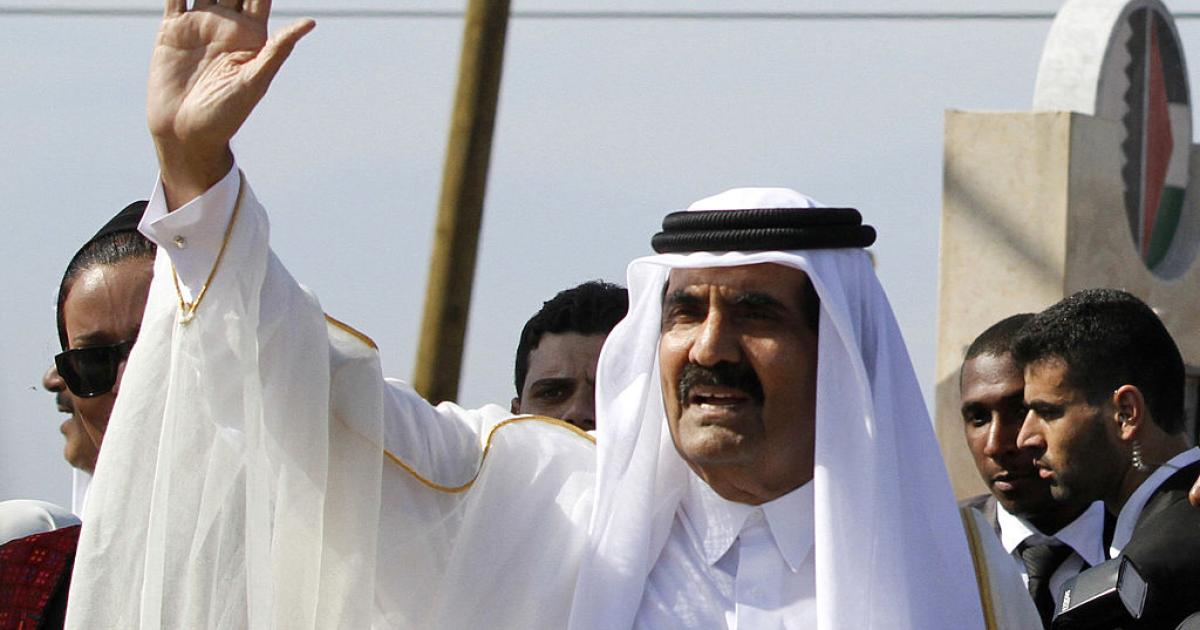
For its part, the Qatari Ministry of Foreign Affairs condemned Ben-Gvir's storming of Al-Aqsa, describing it as a blatant violation of international law and an attempt to impose a new fait accompli in Jerusalem. Doha affirmed in a statement that these actions represent an unacceptable provocation to the feelings of millions of Muslims around the world and increase tension in the region.
In the same context, the Jordanian Ministry of Foreign Affairs denounced the provocative practices of settlers and the raising of Israeli flags in the courtyards of Al-Aqsa, stressing the need to respect the Hashemite custodianship. Egypt and Yemen also condemned these incursions, considering them an undermining of peace opportunities and a blatant assault on the sanctity of holy places that must remain far from political tensions.
Palestinian Authority data indicates that the number of martyrs in the West Bank since the outbreak of the war in October 2023 has exceeded 1071 martyrs, including a large number of children and women. These numbers are increasing amid the continued policy of field executions carried out by the occupation army and armed settlers in various governorates.
More than half a million settlers currently live in the West Bank, distributed in settlement outposts considered illegal under international law, exacerbating the suffering of Palestinians. The occupation seeks through these policies to Judaize the city of Jerusalem and erase its Arab identity, amidst continuous Palestinian steadfastness in the face of these plans.
The storming of Al-Aqsa Mosque and the raising of the Israeli flag inside it represents a dangerous attempt to impose a new fait accompli and erase the Arab and Islamic identity of the holy city.

Share your opinion
Escalation in the West Bank and Jerusalem: A Martyr, Attacks on Mosques, and Provocative Incursions into Al-Aqsa