







The Association of Writers in Galician Language in Spain announced that it has granted the Palestinian novelist and freed prisoner, Basem Khandaqji, the title of 'Galician Universal Writer of 2026'. This high honor comes in recognition of his long creative journey and his steadfast positions in supporting Palestinian national dignity, despite the years of deprivation he spent behind bars.
The association confirmed in an official letter addressed to Khandaqji that this selection reflects a state of admiration and deep respect for him personally and for the literary achievement he has presented. Sources indicated that the award aims to highlight literature that defends Palestinian identity in the face of attempts at erasure, considering Khandaqji a model of the organic intellectual.
The choice of the announcement date for the award acquired special symbolic significance, as it coincided with the anniversary of the Palestinian Nakba on May 15th. This timing aims to emphasize the continued presence of the Palestinian cause in global cultural memory, and to link literary creativity with the historical rights of the Palestinian people.
The title of 'Galician Universal Writer' is one of the highest literary honors in the region of Galicia, northwestern Spain, awarded to names that have left a clear human and literary mark. Khandaqji's award joins a distinguished record that includes major literary figures, most notably the late poet Mahmoud Darwish, and the Mexican writer Elena Poniatowska.
In his first comment on this honor, Basem Khandaqji expressed his pride in this title, emphasizing that it represents not only himself but is also an honor for the renewed Palestinian literary scene. He explained in press statements that the award is an international recognition of prisoner literature that is born from the womb of suffering inside Israeli prisons.
Khandaqji stressed that Palestinian literature is currently engaged in a sharp 'cultural clash' with the prevailing Zionist narrative. He pointed out that building a national narrative capable of addressing the global conscience in a critical and humane language is the strongest weapon to confront attempts to falsify history and contemporary Palestinian reality.
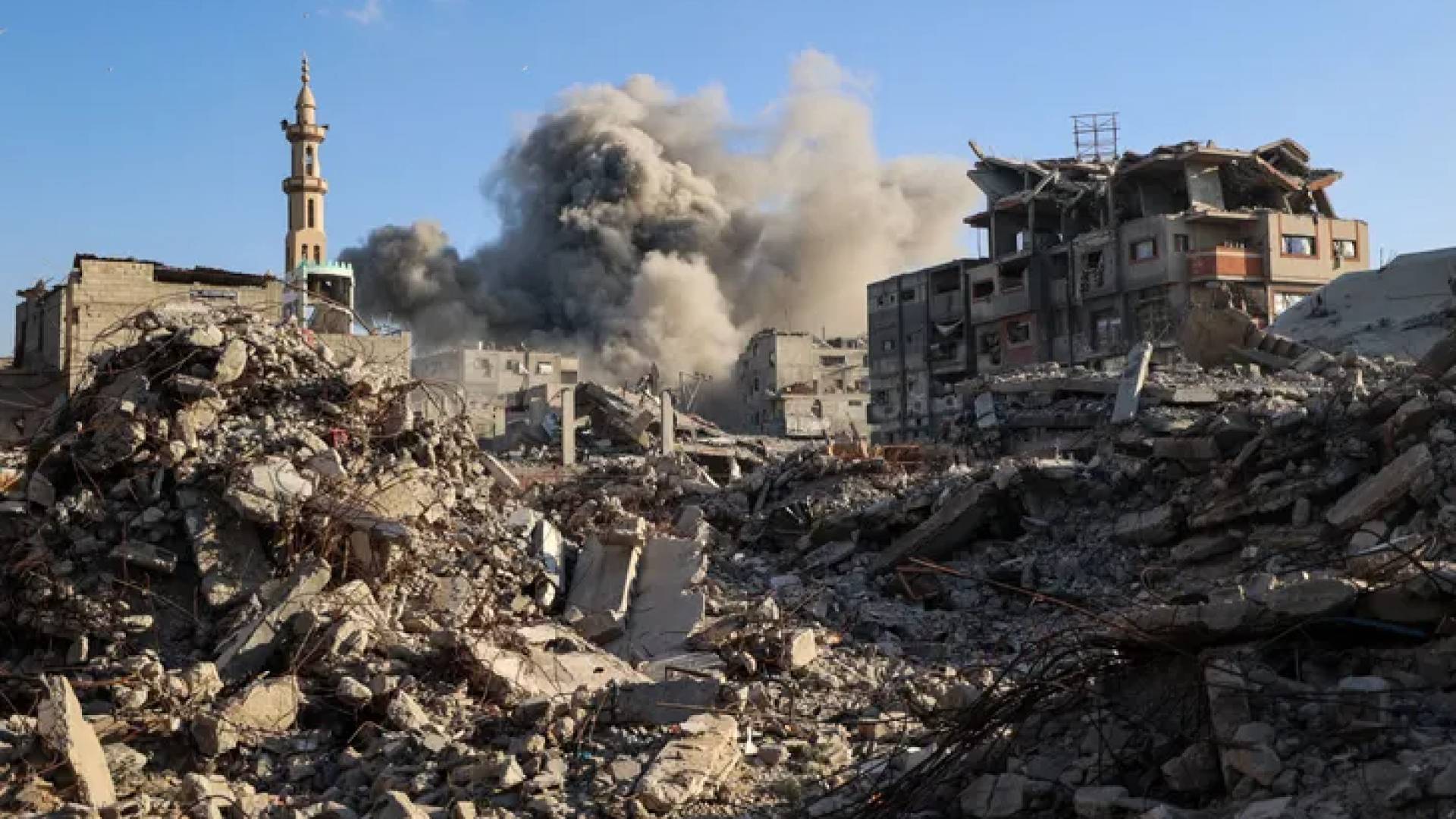
Regarding the connotations of the Nakba anniversary, the Palestinian novelist believed that the people have not left the Nakba for it to become merely a fleeting memory, but rather it is a continuous reality that Palestinians live daily. He considered that what is currently happening in the Gaza Strip and the West Bank is a direct extension of that historical tragedy that is taking new forms of oppression and displacement.
Khandaqji touched upon his writing experience, explaining that creativity within detention was characterized by high intensity due to strict censorship conditions and the risks surrounding every text. He affirmed that he is currently striving to restore the 'health of language' in the space of freedom, away from the symbols and codes he was forced to use to protect his writings from confiscation.
The freed prisoner revealed his involvement in a new literary project titled 'Text of Freedom', through which he seeks to develop his style honed by prison. He affirmed his commitment to continue challenging exile and cultural restrictions with the same spirit with which he challenged the bars of cells, so that Palestinian literature remains a free voice in international forums.
Receiving this award after the great figure Mahmoud Darwish places a grave literary and moral responsibility on my shoulders towards the Palestinian narrative.

Share your opinion
Spain Grants Freed Prisoner Basem Khandaqji the Title of 'Galician Universal Writer of 2026'