







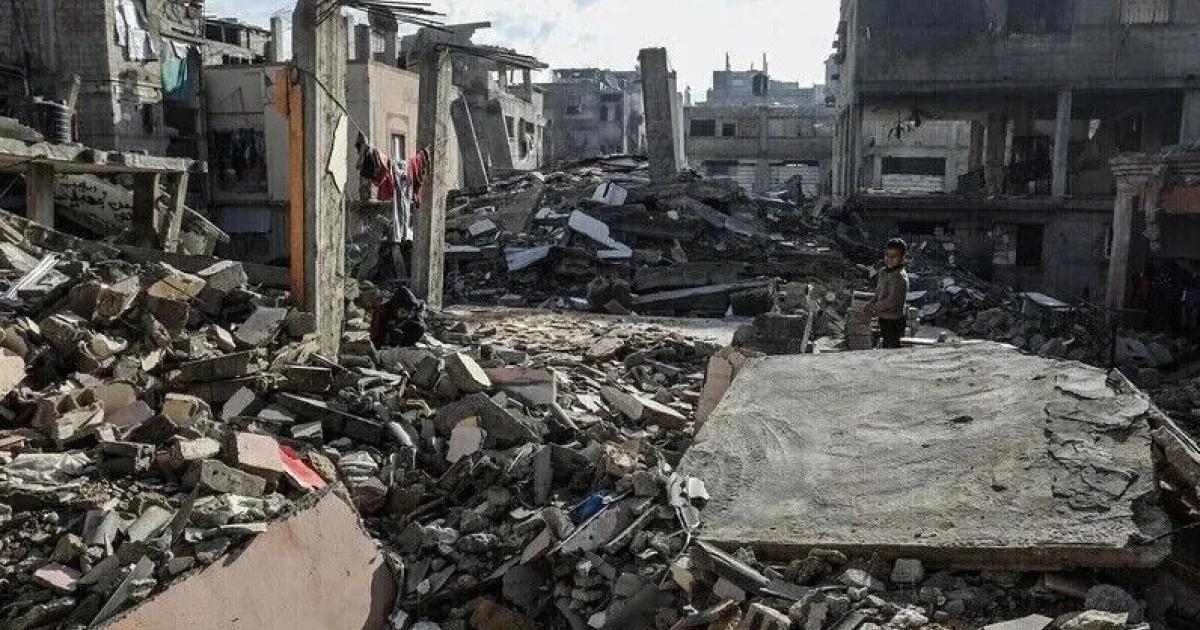
The eighth general conference of the Palestinian National Liberation Movement (Fatah) began today, Thursday, in Ramallah, in the occupied West Bank, marking the first organizational event of its kind in a decade. The conference convenes at a pivotal historical moment, coinciding with the ongoing war of extermination in the Gaza Strip and escalating security and political challenges in Jerusalem and the West Bank.
The Palestinian presidential headquarters hosts the main sessions of the conference, where participants aim to elect members of the Central Committee and the Revolutionary Council, the supreme leadership bodies that will manage the movement's affairs in the upcoming phase. Observers view this step as a practical prelude to reorganizing power centers within the movement, especially with the approaching post-President Mahmoud Abbas era, as he is over ninety years old.
Jibril Rajoub, Secretary of the movement's Central Committee, affirmed that this conference represents a crucial juncture in the history of the Palestinian national struggle, emphasizing the necessity of protecting independent national decision-making. Rajoub clarified that through this meeting, the movement seeks to solidify the presence of the Palestinian cause in international forums and enhance the role of the Palestine Liberation Organization (PLO) as the sole legitimate representative of the Palestinian people.
Rajoub indicated in his statements that the conference aims to build a genuine partnership with the international community to establish an independent Palestinian state, far from any illusions of partnership with the current Israeli government. He stressed that Benjamin Netanyahu's government categorically rejects the two-state solution, which compels Palestinians to organize their internal affairs to confront these extremist policies.
Approximately 2580 members are participating in the conference, geographically distributed to ensure representation from all arenas, with about 400 members in the Gaza Strip, a similar number in the Egyptian capital Cairo, and 200 members in Beirut. The movement utilizes video conferencing technologies to connect different arenas and ensure everyone's participation in voting and discussions despite geographical and security obstacles.
In the Gaza Strip, sessions began at Al-Azhar University amidst special security arrangements directly supervised by Fatah cadres. Sources reported that these arrangements were made without interference from Hamas security forces, which still control the reins of power in the Strip, reflecting a desire to smoothly pass the organizational entitlement.
The conference is expected to result in the election of 18 members to the Central Committee and 80 members to the Revolutionary Council, with the conference having the authority to amend these numbers according to organizational requirements. The nomination process is subject to strict conditions, most notably that the candidate must have spent at least two decades within the movement's ranks and progressed through its various organizational levels.
This entitlement comes at a time when Fatah faces internal and external criticism regarding its declining popular influence and the failure of the political settlement project. Analysts believe that the movement is increasingly relying on Palestinian Authority institutions and the PLO to solidify its legitimacy, in the absence of general legislative and presidential elections for nearly twenty years.
Hani Al-Masri, director of the Masarat Center, warned that the struggle for leadership positions might overshadow substantive discussions related to the movement's national and political program. Al-Masri pointed out that the legitimacy crisis suffered by Palestinian institutions requires radical reforms and comprehensive national consensus that goes beyond merely changing names in leadership bodies.
On the ground, the conference coincides with unprecedented Israeli escalation in the West Bank, where occupation forces continue their military operations and expand settlement activity. The Palestinian Authority faces increasing pressure from the Palestinian street, which demands more decisive stances against repeated settler attacks and the ongoing war of extermination in Gaza.
Prominent leadership figures are absent from the conference, including Nasser al-Qudwa, who questioned the legality of the conference and the legitimacy of the current leadership, in addition to the continued exclusion of Mohammed Dahlan. Despite this absence, some individuals affiliated with opposition currents are participating individually, amidst an atmosphere of anticipation for the new balances that the ballot boxes will reveal.
Attention is focused on prominent names competing to succeed President Abbas or strengthen their positions at the top of the leadership hierarchy, including Hussein al-Sheikh, Jibril Rajoub, and Majed Faraj. Yasser Abbas, the President's son, has also emerged as a potential candidate for Central Committee membership, based on his extensive political and economic activity and his wide-ranging connections within state agencies and the movement.
This conference is the most important in the history of the Palestinian national movement, and it is being held amidst the most dangerous challenges facing our struggle.

Share your opinion
Fatah's Eighth Conference Kicks Off in Ramallah to Reorganize Internal Affairs