







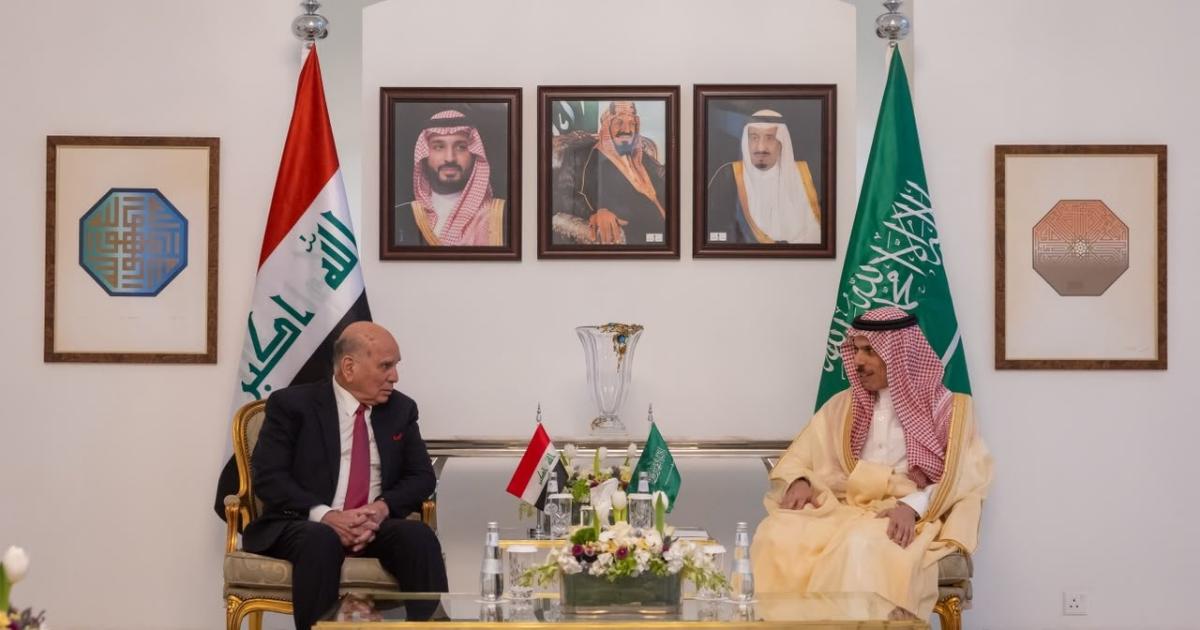
The historic relationship between Washington and Riyadh is facing one of its most severe diplomatic upheavals in recent decades, with reports indicating a radical shift in Saudi foreign policy towards greater independence. This shift has begun to raise widespread concern within the Trump administration, which has started to perceive a clear Saudi desire to break free from the traditional constraints of the old defense alliance.
US Secretary of State, Marco Rubio, expressed his country's strong displeasure with Riyadh's recent actions, particularly the signing of strategic defense agreements with Ukraine. The core dilemma for Washington is that these agreements were concluded without American consultation, despite the United States historically being the primary guarantor of the Kingdom's security.
In response, the Saudi reply to American criticism was firm yet diplomatic. Riyadh asserted that Washington had failed to provide full protection for the Kingdom against regional threats, specifically drone attacks. Consequently, the Saudi leadership believed it was its sovereign right to enhance its defensive capabilities through cooperation with parties possessing field experience in this type of warfare.
Saudi Crown Prince Mohammed bin Salman clarified that his country would continue on a path that primarily and ultimately protects its national interests. This stance reflects a desire to diversify arms sources and transfer military technology, moving away from dependence on political approvals often imposed by the US administration as preconditions for arms deals.
The roots of the current dispute trace back to statements made by the US President at a rally in late March, which were described as outside diplomatic norms. These statements, which demanded the Saudi leadership to 'improve its behavior,' were met with practical Saudi actions that affected American interests in the geographical, political, and economic sectors.
March 2026 marked a pivotal moment when Ukrainian President Volodymyr Zelensky visited Riyadh to sign a massive military cooperation agreement. This cooperation focuses on anti-drone technology and advanced air defense systems that have proven effective in the Ukrainian field against Iranian-made weapons.
Through this agreement, Saudi Arabia seeks to inject substantial capital into the Ukrainian defense industry, contributing to its rapid development. This approach deprives American military companies of financial flows they considered guaranteed, redirecting them instead towards the European continent.
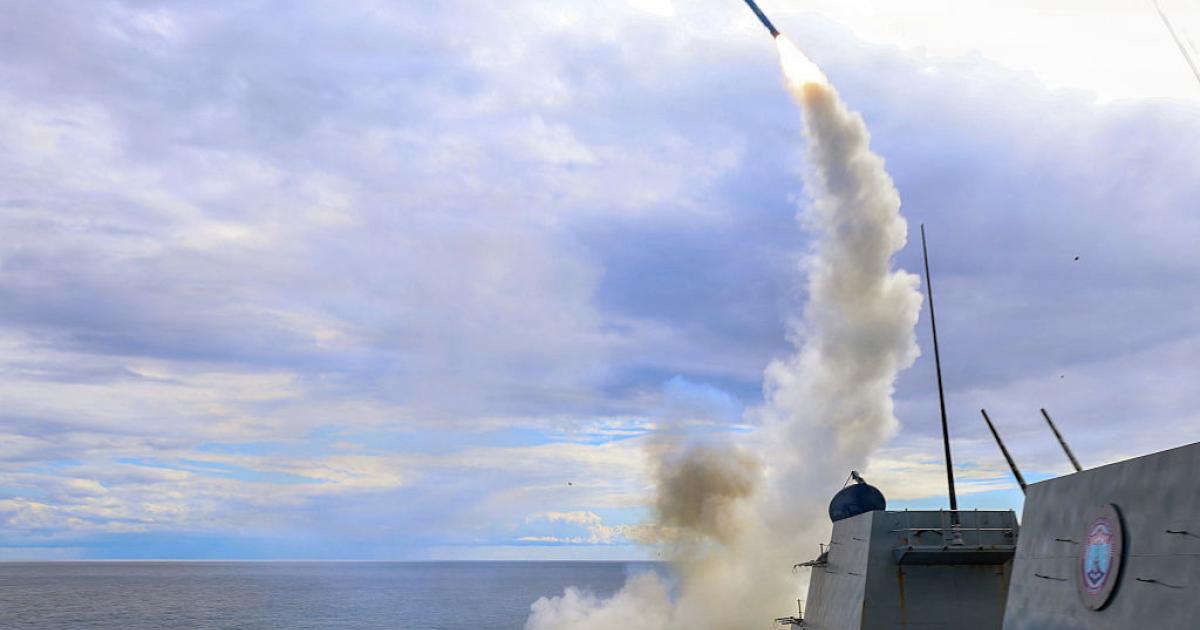
In a notable field development in early May, tensions escalated after Washington launched a naval mission to protect ships in the Strait of Hormuz without prior coordination with Riyadh. This action prompted Saudi Arabia to take strict measures, including closing its airspace and preventing US forces from using military bases on its territory.
This Saudi move led to the suspension of the American mission just 36 hours after its launch, revealing the extent of the gap in security coordination between the two countries. Sources believe that Riyadh is wary that ill-considered American actions could expose its oil facilities to retaliatory regional strikes.
Economically, experts warn that the lack of coordination in the Gulf region will lead to a state of uncertainty in global energy markets. This disruption directly increases insurance premiums for commercial vessels and pushes oil prices towards record levels, potentially harming the struggling global economy.
Serious concerns also arise regarding the future of the 'petrodollar' system, which has governed global trade for nearly half a century. The Saudi shift towards defense and financial independence could mean the end of the implicit agreement to sell oil exclusively in dollars in exchange for American military protection, threatening the global standing of the US currency.
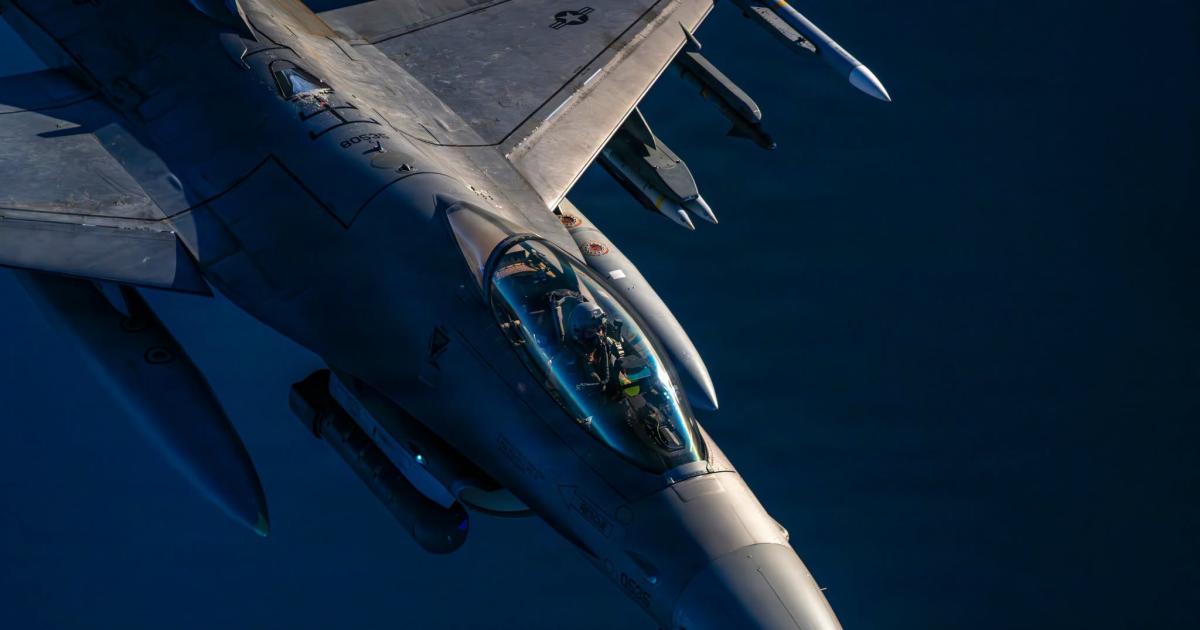
Riyadh's military ambitions extend to a desire to join the European sixth-generation fighter project (GCAP). This interest confirms that the Kingdom is no longer content with merely purchasing ready-made weapons but seeks to be a partner in developing the latest global defense technologies, away from American dominance.
Political analyses indicate that the current US administration has failed to grasp the reality of a multipolar world, where relationships are no longer managed by arrogance but by mutual interests. Today, Saudi Arabia is building strong partnerships with other international powers like China and demands to be treated as a fully sovereign nation, not a protectorate.
Reports concluded that this rift might not be limited to the relationship with Washington but could extend to other regional alliances. The divergence in positions between Riyadh and Abu Dhabi, which remains closely aligned with American orientations, could lead to a redrawing of the alliance map in the Arabian Gulf region.
The Kingdom is no longer a subordinate state; it builds its international relations based on its pure national interests in a multipolar world.
Share your opinion
The Rupture of the Historic Alliance: Riyadh Adopts a Policy of 'Defense Independence' Away from Washington