






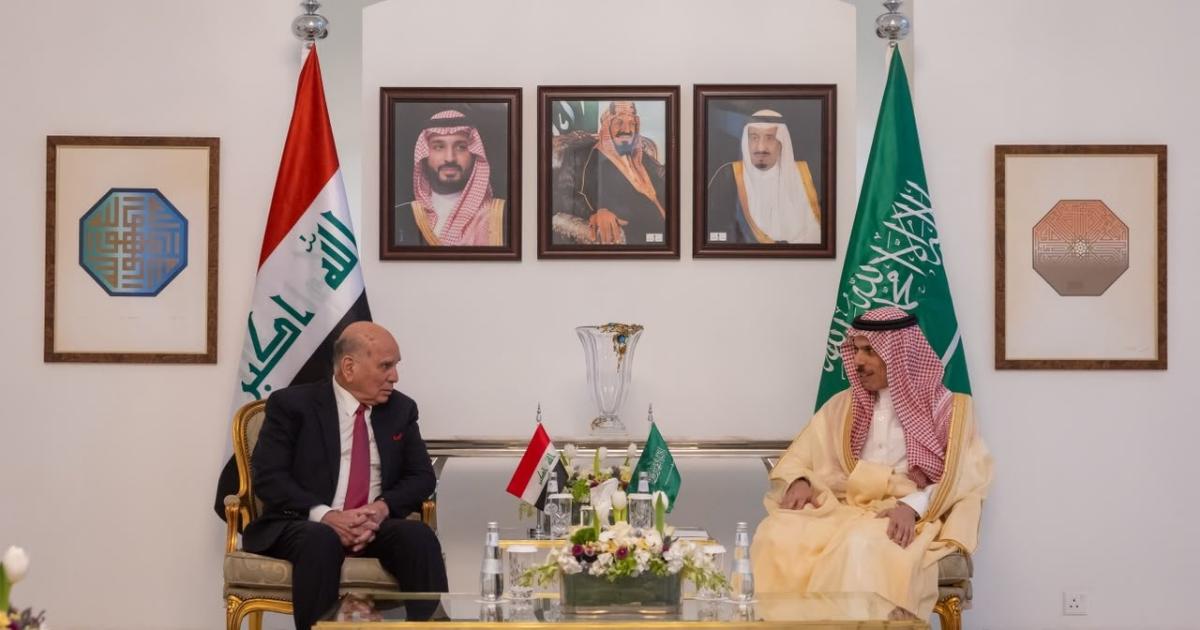
The foreign ministers of Saudi Arabia, Qatar, Bahrain, Oman, and Jordan expressed their strong condemnation of what they described as repeated Iranian attacks targeting the security and stability of the region's countries. These positions came during a series of intensive telephone calls made by the Saudi Foreign Minister, Prince Faisal bin Farhan, with his counterparts in those countries to discuss the rapidly developing situation.
The diplomatic discussions emphasized the necessity of immediate action to reduce the intensity of military escalation and ensure the safety of international waterways, foremost among them the Strait of Hormuz. The ministers affirmed their complete rejection of any attempts that would undermine the sovereignty of Arab states or endanger the safety of their citizens and facilities as a result of increasing regional tensions.
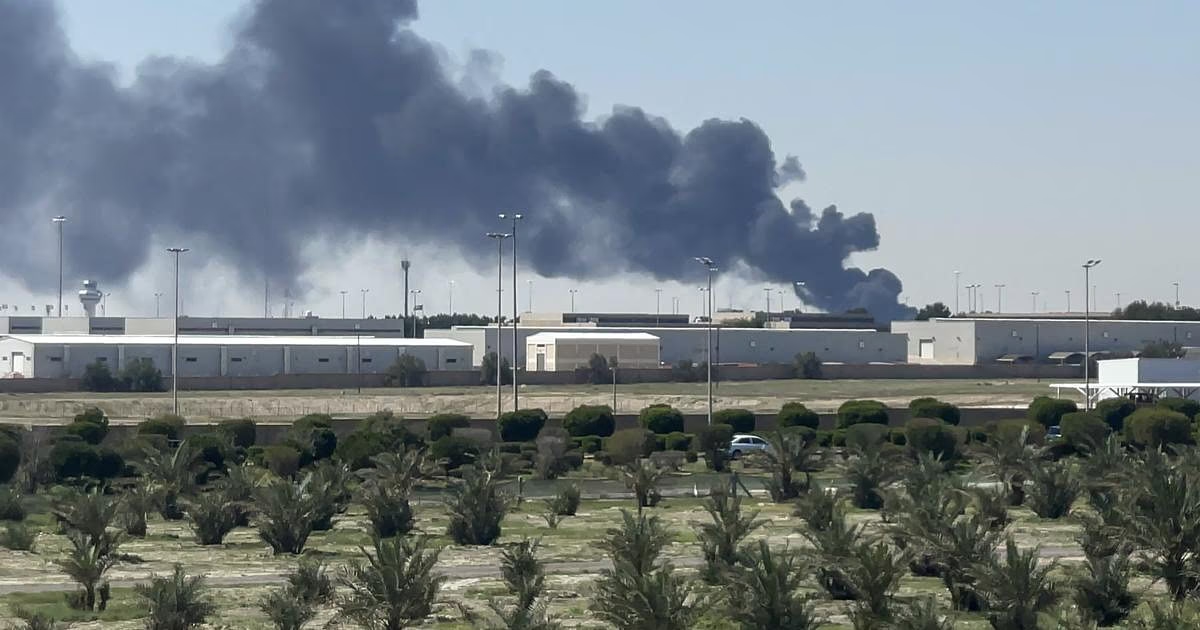
The past hours witnessed a wave of widespread attacks that affected five Gulf countries in addition to Jordan, in the most violent escalation since the de-escalation period that began last April. Field reports indicated that these attacks targeted vital sites, amidst direct accusations against Tehran for being behind these military operations.
For its part, the Iranian Revolutionary Guard announced escalatory measures, represented by the closure of the Strait of Hormuz to maritime navigation until further notice, threatening global energy supplies. Tehran justified this action by targeting two commercial vessels that it claimed had violated the transit rules imposed by the Iranian naval forces in the region.
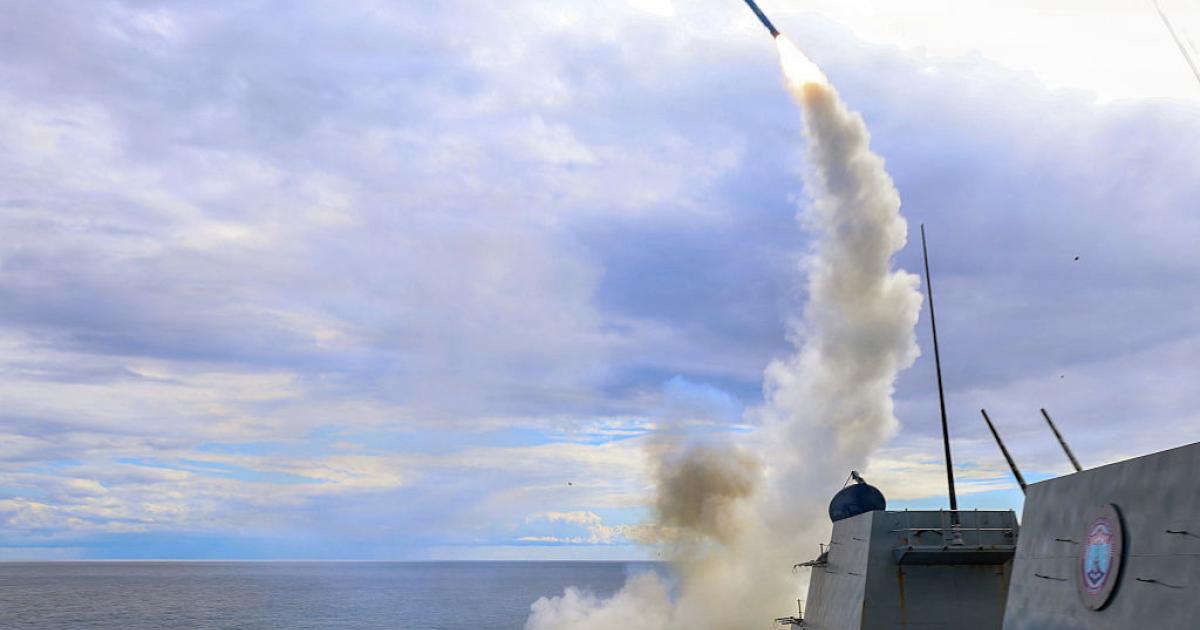
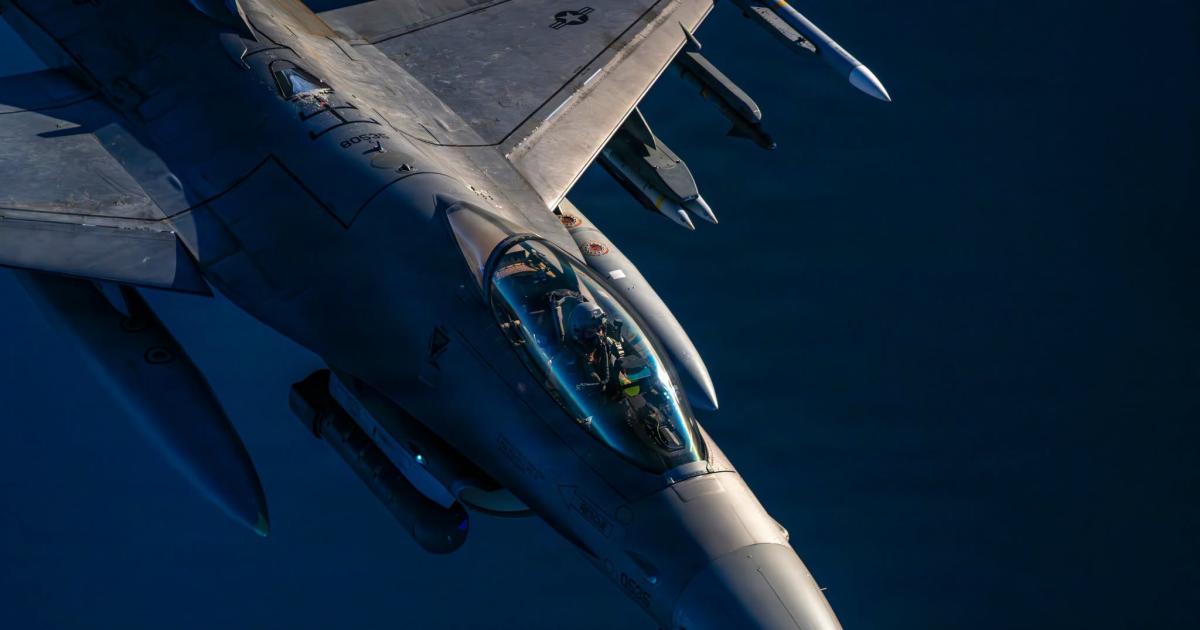
In a direct military response, the US Central Command (CENTCOM) launched widespread airstrikes targeting approximately 140 military sites within Iranian territory. Military sources explained that the strikes focused on neutralizing ballistic missile and drone capabilities, in addition to destroying ammunition depots and military communication networks.
Iran's response to the American attacks was not delayed, as Tehran announced missile bombardment targeting bases where American forces are present in Kuwait, Bahrain, Qatar, and Jordan. This direct exchange of fire raised international fears of the region sliding into a comprehensive and open confrontation that transcends the limits of usual clashes.
On the political front, US President Donald Trump announced that the memorandum of understanding reached with Iran last June had completely ended. Trump considered the recent Iranian escalation a violation of all previous understandings, closing the door to diplomatic efforts that had been led by regional and international parties.
That memorandum had been signed through intensive Qatari and Pakistani mediation, and it was hoped to be the cornerstone of a final agreement to end the chronic state of tension between Washington and Tehran. However, the recent field developments in the Strait of Hormuz and the targeting of military bases have dashed the chances of dialogue for the time being.
Global capitals are watching with great concern the repercussions of the closure of the Strait of Hormuz, which is a major artery for global trade and oil transport. Economic sources warned that the continued closure of the strait would lead to unprecedented jumps in global energy prices, adding new burdens to the already strained international economy.
Amidst this crisis, the affected Arab countries continue to coordinate their positions to ensure the protection of their national security and prevent the conflict from spreading further into their territories. These countries call on the international community to exert real pressure on all parties to return to the negotiating table and spare the region the ravages of a comprehensive war.
We affirm our categorical rejection of anything that would undermine the sovereignty of states or threaten the security and stability of the region, with the necessity of ensuring freedom of international navigation.

Share your opinion
Widespread Arab Condemnations of Iranian Attacks and International Calls for De-escalation in the Strait of Hormuz