







The seventy-eighth anniversary of the Palestinian Nakba arrives this year as the Palestinian people face renewed chapters of displacement and destruction. The anniversary coincides with a devastating war of genocide in the Gaza Strip and a dangerous escalation in settlement activity in the West Bank. Observers believe that the current scene reproduces the tragedy of 1948 but with more lethal tools of killing and destruction, placing the Palestinian cause before unprecedented existential challenges.
Official statistical sources reported that the number of Palestinians worldwide reached approximately 15.5 million by the end of 2026, with 7.4 million living in historical Palestine and 8.1 million in the diaspora. Data indicates that about 5.6 million Palestinians reside within the borders of the State of Palestine, distributed between the West Bank and the Gaza Strip, which suffers from a comprehensive siege and destruction.
Returning to the roots of the tragedy, historical figures indicate that the 1948 Nakba resulted in the displacement of approximately 957,000 Palestinians from their cities and villages, out of 1.4 million who lived in 1,300 population centers. The occupation then controlled 774 villages and cities, destroying 531 of them completely to erase the Palestinian presence, and committed more than 70 massacres that claimed the lives of over 15,000 martyrs.
Currently, the Israeli war on the Gaza Strip has caused the largest wave of displacement since the Nakba, with approximately two million Palestinians forced to leave their homes and live in tents and shelters lacking the most basic necessities of life. The suffering was not limited to Gaza but extended to the West Bank, which witnessed the displacement of about 40,000 citizens from northern camps due to continuous military operations and infrastructure destruction.
Regarding settlements, reports revealed a frightening expansion in the West Bank, where the number of settlement sites and military bases reached 645 by the end of 2025. These sites include 151 official settlements and 350 outposts, inhabited by more than 778,000 settlers, with about 42% of them concentrated in the occupied Jerusalem Governorate as part of ongoing Judaization plans.
The occupation authorities continued their land confiscation policy, seizing over 5,571 dunams in 2025 alone through military orders and 'state land' classifications. These confiscations were accompanied by an escalation in settler attacks, which reached 61,000 attacks over the past three years, resulting in the uprooting and bulldozing of more than 81,000 fruit trees, most of them ancient olive trees.
Israel imposes suffocating restrictions on the movement of Palestinians in the West Bank through a complex network of approximately 900 military checkpoints and electronic gates, isolating population centers from each other. These measures prevent farmers from accessing their lands and turn Palestinian cities into open-air prisons, exacerbating the economic and social crisis for the residents.
In the water sector, the occupation authorities control more than 85% of underground water resources and prevent Palestinians from drilling new wells or developing existing ones, while granting abundant water quotas to settlements. This discrimination has had a catastrophic impact on the Gaza Strip, where the daily per capita water share has fallen below 5 liters, far below minimum international standards.
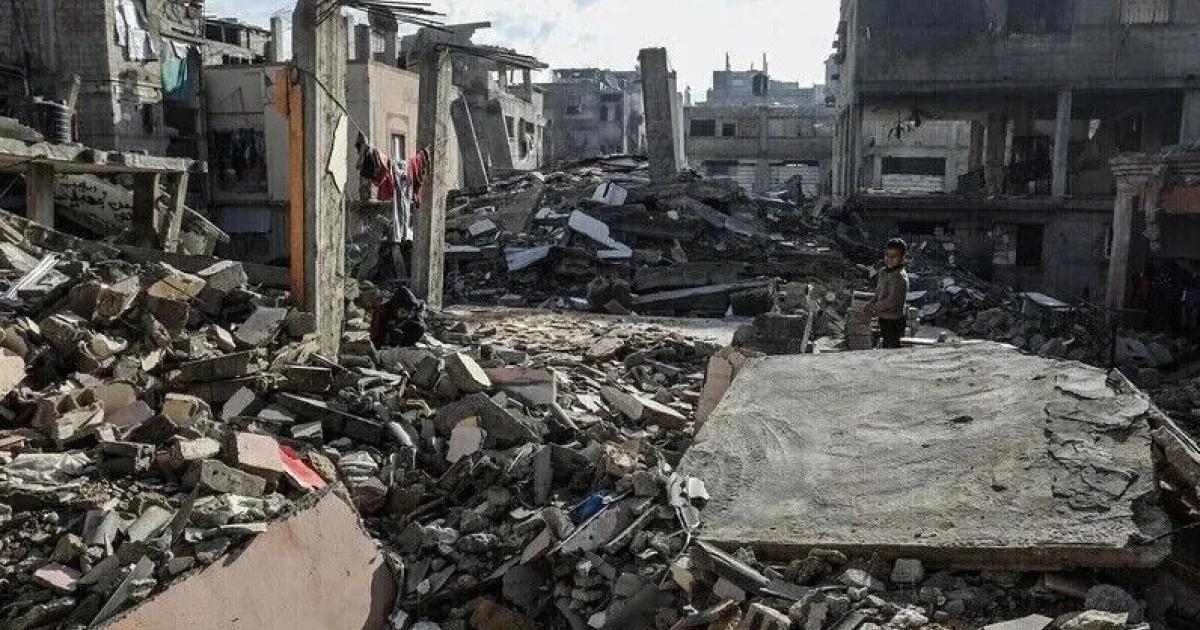
Sources documented massive destruction of infrastructure in the Gaza Strip, where the Israeli war machine completely destroyed more than 102,000 buildings, and 330,000 housing units were damaged. Systematic destruction also targeted mosques, churches, and health and educational facilities, in an attempt to make the Strip uninhabitable and push residents towards forced migration.
In the West Bank and Jerusalem, occupation forces demolished approximately 1,400 structures and buildings in 2025, with East Jerusalem accounting for 258 of these structures. These demolitions are part of a policy of urban constriction on Palestinians versus rapid settlement expansion, reinforcing the existing apartheid system on the ground.
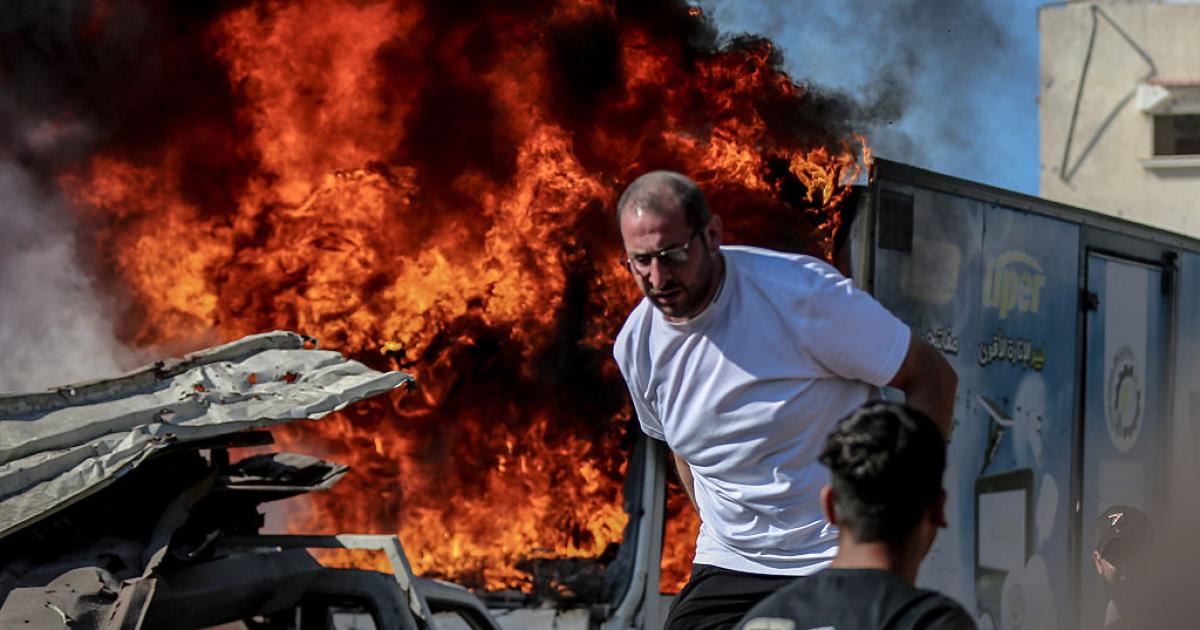
Statistics indicate that the number of martyrs since the start of the war of genocide in October 2023 until April 2026 has exceeded 73,000 martyrs, the heaviest toll in the history of the conflict. Among these martyrs, more than 72,000 were in the Gaza Strip alone, while 1,160 martyrs fell in the West Bank by occupation forces and settlers during the same period.
Data shows that the most vulnerable groups were the primary target of the aggression, with more than 20,000 children and 12,000 women martyred in the Gaza Strip. The attacks also directly targeted professional cadres, leading to the martyrdom of 3,110 medical personnel, civil defense workers, journalists, and education sector employees, in a blatant violation of international laws.
One of the shocking facts reported is that the number of martyrs recorded in the last two years represents more than half of the total number of Palestinian martyrs since the 1948 Nakba. This figure reflects the intensity of fire and the policy of mass killing adopted by the occupation in its recent war, which surpassed the brutality of previous long years of conflict.
In conclusion, the 78th anniversary of the Nakba remains a testament to the resilience of the Palestinian people in the face of attempts at erasure and displacement that have not ceased for decades. Despite the harsh figures and the scale of destruction, Palestinians remain committed to their historical rights, amidst international silence and an inability to stop the war machine that continues to devour land and people.
The number of martyrs recorded since October 2023 represents more than 50 percent of the total Palestinians martyred since the 1948 Nakba.

Share your opinion
78 Years Since the Nakba: Shocking Statistics Document Ongoing Displacement and Genocide