







The Israeli Ministry of Foreign Affairs announced today, Sunday, the deportation of Spanish activist Saif Abu Kishk and his Brazilian colleague Thiago Avila, after a period of detention and investigation due to their participation in the 'Freedom Flotilla'. This decision came after the Israeli Navy intercepted boats participating in an attempt to break the siege on the Gaza Strip in international waters off the Greek coast at the end of last April.
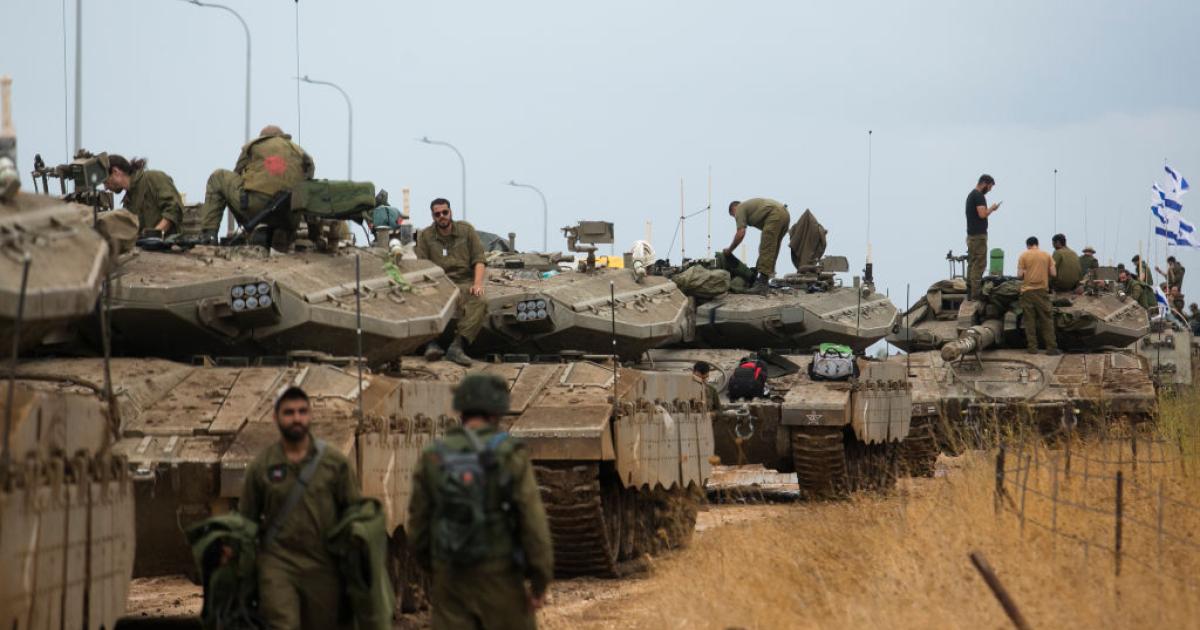
Israeli authorities claimed in an official statement that Abu Kishk was suspected of belonging to a terrorist organization, while Avila was accused of engaging in illegal activities, accusations both activists denied outright. Official sources confirmed that Israel would not tolerate any attempts to breach the naval blockade imposed on the Strip, noting that the deportation process was carried out without disclosing the activists' final destination.
For his part, Youssef Ajissa, head of the International Committee for Breaking the Siege, revealed shocking details regarding the detention conditions of the flotilla participants, confirming that they were subjected to brutal and systematic violations. Ajissa explained that the violations included physical and sexual violence, in addition to handcuffing and blindfolding, and severe beatings on sensitive areas of the body, which constitutes a blatant violation of international laws.
Activist Saif Abu Kishk had begun a dry hunger strike since May 5th, coinciding with a hunger strike he undertook with Avila in protest of their illegal detention conditions. The suffering of Brazilian activist Thiago Avila intensified during his detention, as he received news of his mother's death while behind Israeli bars, which increased the psychological pressure exerted on him.
In the context of international reactions, the Spanish Foreign Minister affirmed that Madrid had not received any concrete evidence from the Israeli side supporting the accusations against its citizen, describing the detention as unjustified. Both the Spanish and Brazilian governments also considered the interception of ships in international waters and the forced transfer of passengers to Israeli interrogation centers to be a violation of sovereignty and international maritime law.
On the ground, the 'Freedom Flotilla' administration announced the arrival of its ships at Marmaris port in Turkey, after Israeli forces intercepted a number of boats at one of the furthest geographical confrontation points. The positioning in Turkey aims to complete the necessary technical and logistical arrangements to ensure the continuity of the humanitarian mission, which began with the participation of hundreds of solidarity activists from various countries around the world.
The current version of the flotilla includes more than 50 ships carrying 345 participants representing 39 countries, in the largest international gathering to break the siege in years. During the recent operation, the Israeli army detained approximately 21 boats and arrested nearly 175 activists, most of whom were later released and returned to Greece, with the exception of Abu Kishk and Avila, who remained in detention until today.
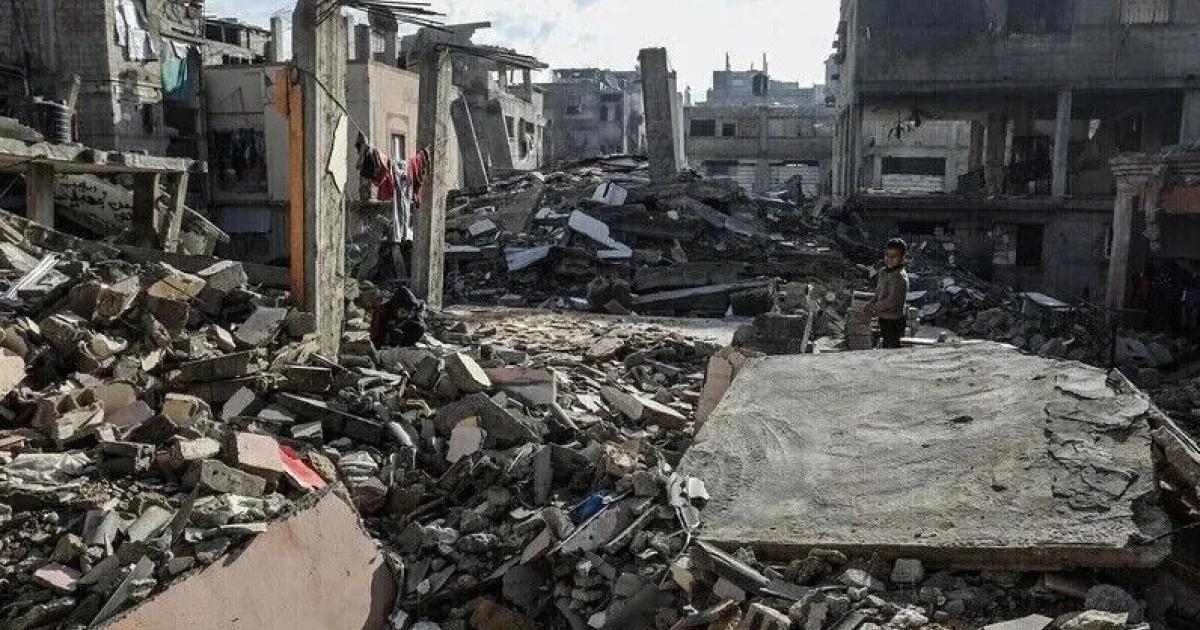
It is expected that the flotilla leadership will announce the action plan for the next phase in the coming days, amid the organizers' insistence on continuing efforts to deliver humanitarian aid to Gaza. These developments come amidst the ongoing devastating war and the strict restrictions imposed by the occupation on the entry of relief, which has prompted international activists to organize these naval convoys to highlight the suffering of the Strip's residents.
Israeli authorities will not allow any breach of the blockade imposed on the Gaza Strip, and the activists were deported after investigations into illegal activities.


Share your opinion
Israel Deports 'Freedom Flotilla' Activists After Forced Detention and Human Rights Violations