







In an in-depth analysis, 'Foreign Policy' magazine affirmed that the Abraham Accords, which were promoted as an entry point to comprehensive regional peace, actually led to completely opposite results. The magazine explained that these agreements contributed to expanding military and security cooperation between the Israeli occupation and Gulf states, which ushered the region into a new phase of escalating conflicts and tensions.
Authors Matthew Duss and Zuri Linetsky pointed out that the vision presented by Donald Trump in 2020 of a 'new Middle East' did not materialize. Instead of stability, these agreements provided political cover for more hardline Israeli policies and contributed to an unprecedented marginalization of the Palestinian issue in regional and international agendas.
The analysis stated that the approach adopted by the agreements was based on the idea of 'peace from the outside in,' by pushing Arab countries to normalize first. However, events proved that this strategy encouraged the occupation to escalate its aggression in Gaza and expand settlements in the West Bank without real deterrence from its new partners.
On the military front, the magazine revealed that Israeli arms sales to the signatory countries of the agreements witnessed huge leaps, reaching two billion dollars by 2024. This cooperation included advanced air defense systems, cyber security technologies, and drones, transforming the alliance from a diplomatic framework into a clear military bloc.
The report noted that Israel's transfer to the area of responsibility of the US Central Command (CENTCOM) was a crucial strategic step to integrate it militarily with the countries of the region. This shift allowed for the creation of a unified missile defense and intelligence network, primarily aimed at confronting Iranian influence, but at the same time increased the possibilities of direct confrontation.
Regarding the Palestinian issue, the magazine recorded a sharp deterioration in field conditions, as settler attacks increased by 123% within two years of the signing of the agreements. Sources confirmed that the occupation used normalization as a tool to isolate Palestinians and weaken the traditional Arab stance demanding a just and comprehensive solution before any rapprochement.
The analysis also touched upon the decline in Arab financial support for Palestinian institutions, as the UAE sharply reduced its contribution to UNRWA to only one million dollars in 2020. This trend reflected a desire to align regional policies with the vision of the Trump administration, which sought to dry up sources of support for Palestinian refugees.
The magazine explained that military cooperation reached unprecedented levels through joint naval and air maneuvers between Israel, the UAE, and Bahrain. Reports also indicated the operation of joint intelligence centers in strategic areas such as Yemen's Socotra Island, reflecting the depth of Israeli security penetration in the region.
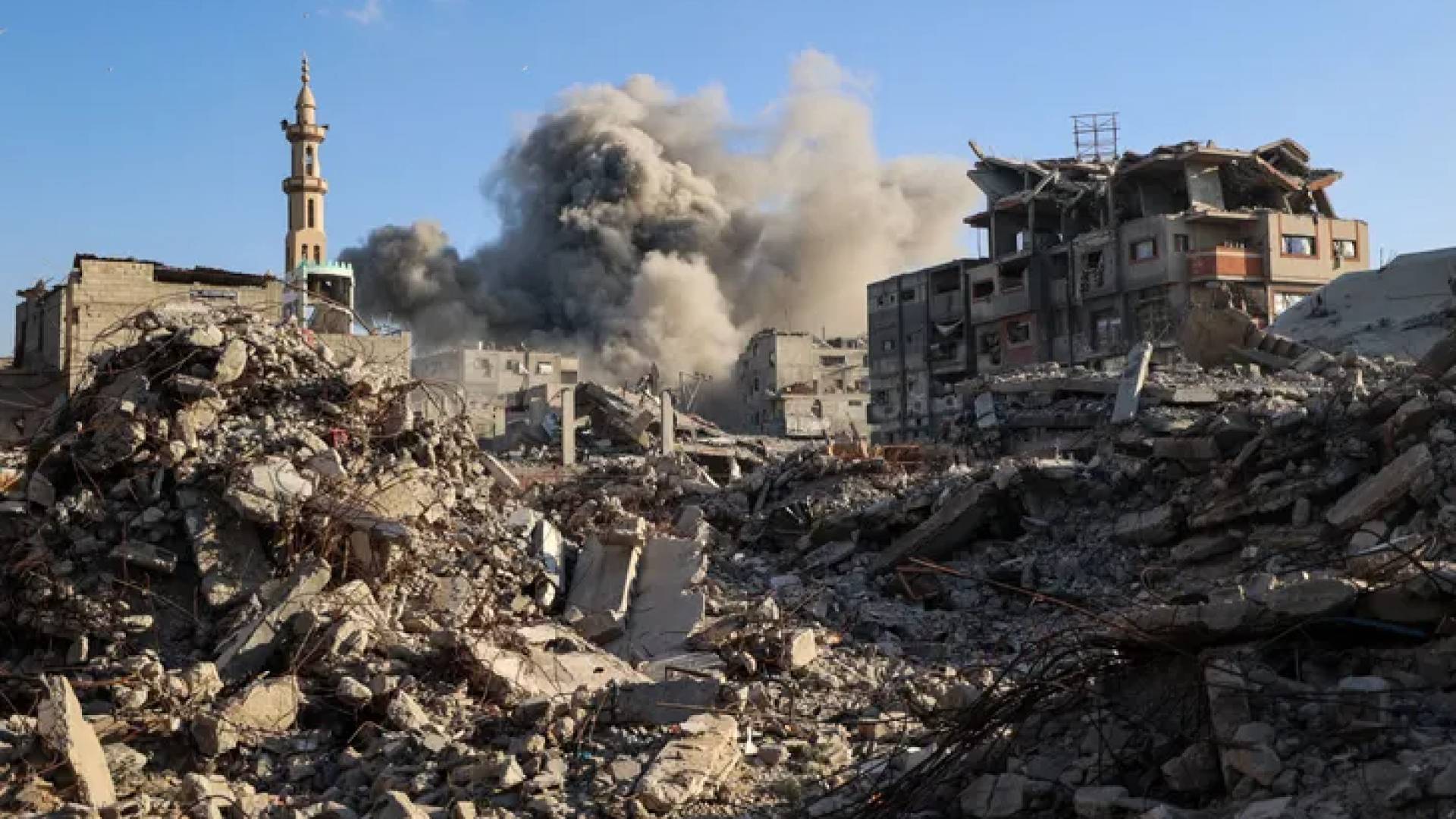
According to 'Foreign Policy,' the October 7 attack and the subsequent war on Gaza revealed the fragility of the security promises of the agreements. Although the regional alliance helped intercept some Iranian attacks, this did not prevent the region from sliding towards the brink of a comprehensive regional war that threatens global stability.
The analysis revealed that Palestinian resistance leaders, led by Yahya Sinwar, considered the Abraham Accords an existential threat that threatened to liquidate the issue. The greatest fear was the possibility of other major Arab countries joining the normalization path, which could completely isolate Palestinians from their Arab depth.
The Biden administration, despite its initial caution, later adopted the agreements and considered them a logistical framework that facilitates military operations against common adversaries. Sources confirmed that Washington rewarded the involved countries with massive arms deals, such as the F-35 aircraft deal for the UAE, to enhance their involvement in the new security system.
The magazine opined that the past six years have proven that the Middle East has become less stable and more armed than it was before 2020. The continuous wars in Gaza and Lebanon, and the direct tension between Tehran and Tel Aviv, confirm that bypassing Palestinian rights cannot lead to sustainable peace.
The analysis concluded that Israel succeeded in establishing itself as a dominant regional power thanks to these agreements, but this came at the expense of the security of its neighbors. It added that relying on military alliances instead of radical political solutions has made any prospect for real peace elusive under current circumstances.
Finally, 'Foreign Policy' stressed that marketing the Abraham Accords as a tool for prosperity was merely a cover for offensive security arrangements. It affirmed that continued disregard for the roots of the political conflict in Palestine will make the region an open arena for long-term wars of attrition, far from the dreams of stability promised to the peoples.
The promises made by the Abraham Accords to make the lives of the region's peoples more peaceful and prosperous turned into mere fantasy on the ground.



Share your opinion
Foreign Policy: Abraham Accords Did Not Bring Peace, But Paved the Way for an Era of Regional Wars