





On the road connecting the cities of Nablus and Jenin, specifically at the entrance to the town of Burqa, Israeli occupation forces carried out a widespread bulldozing operation that affected hundreds of fruitful and ancient trees surrounding citizens' homes. This operation was not merely a fleeting military measure; rather, it directly targeted cypress, fig, and Roman olive trees, which represent a historical and familial legacy for the residents of the area.\n\nCitizen Fadi Masoud recounts the harsh moments when military bulldozers of the 'D10' model turned the area around his home into rubble, uprooting about 500 trees in a single operation. After the destruction ended, an Israeli officer sent a direct message to the residents, stating that the targeting was intentional to strike at 'what they hold dearest,' a clear reference to the national and spiritual symbolism of the olive tree.\n\nThe Masoud family considers their loss invaluable, as the land, named 'Al-Jneina' (The Little Garden), contains Roman olive trees that predate the construction of their home in the 1950s by many centuries. These trees witnessed four generations of the family, where grandparents planted cypress and olive trees, while sons and grandchildren cared for fig and almond trees, which are now just shattered trunks.\n\nFor his part, agricultural engineer Salama Shbeeb confirmed that the trees bulldozed by the occupation on his adjacent land represent a living archive of the land's history, with some of them being over 300 years old. Shbeeb explained that the economic loss, despite its severity, is incomparable to the attempt to erase Palestinian identity, as these trees represent the 'silent witness' that proves the deep roots of Palestinians in their land for thousands of years.\n\nActivists in the town of Burqa believe that these attacks fall within a systematic plan to forcibly displace residents and expand the settlement project in the area. This assault is linked to the return of settlers to the previously evacuated 'Homesh' settlement and the attempt to seize thousands of additional dunams located between the towns of Bazzariya, Burqa, and Ramin in the northern West Bank.\n\nThe settlement encroachment did not stop at the land's borders but extended to include vital water resources, as settlers forcibly seized 'Ein al-Dilba'. This historical water source used to provide about 30% of Burqa town's needs, putting farmers and residents in direct confrontation with policies of thirst and livelihood restrictions.\n\nField reports indicate that the occupation deliberately destroys agricultural infrastructure, including 'sanasil' or ancient stone walls, and crushes broken branches to prevent their replanting. These practices aim to transform green 'gardens' into barren areas, making it easier for the occupation authorities to declare them 'state lands' and later annex them to nearby settlements.\n\nAccording to data from the Wall and Settlement Resistance Commission, the pace of targeting trees has seen a dangerous escalation since the beginning of 2024, with thousands of trees uprooted and destroyed in the governorates of Hebron, Ramallah, and Nablus. The figures reveal that April alone witnessed the destruction of over 4,400 trees, reflecting a policy of collective punishment targeting the agricultural sector.\n\nCumulative statistics show the extent of the environmental and economic catastrophe, as the occupation has uprooted or poisoned at least 120,000 trees in the West Bank since 2020. The year 2025 recorded the highest peak in these attacks, with Palestinians losing over 35,000 trees, including about 27,000 olive trees that were a primary source of livelihood for hundreds of families.\n\nObservers confirm that targeting the olive tree specifically is part of the 'narrative war' waged by Israel against the Palestinian presence, as the existence of a centuries-old tree refutes Zionist claims about the land's history. Therefore, settlers see this tree as an 'enemy' that must be removed to legitimize their temporary presence at the expense of the original landowners.\n\nIn the town of Burqa, the occupation did not stop at bulldozing open fields; the attacks also extended to trees inside private home fences and under threat of arms. This escalation aims to confine Palestinians within narrow concrete blocks and prevent them from visual or physical contact with their agricultural lands, which constitute their strategic depth.\n\nThis assault coincides with the establishment of new settlement outposts on strategic hills such as 'Baddas' Hill, which is located amidst several Palestinian villages and includes national projects and vital water reservoirs. Control over these hills practically means suffocating Palestinian villages and turning them into isolated enclaves, within a vision aimed at controlling all of Area C.\n\nDespite the widespread destruction, Palestinian farmers insist on remaining on the ruins of their trees, considering replanting as the only response to the policy of uprooting. Each time military machinery bulldozes a field, residents try to plant new saplings, affirming the continuity of the struggle between the 'will to survive' and policies of 'erasure and displacement'.\n\nIn conclusion, the story of the Masoud and Shbeeb families in Burqa remains a microcosm of what is happening throughout the West Bank, where the tree transforms from an economic resource into a symbol of steadfastness. It is a silent war waged with numbers and bulldozers, but it leaves deep wounds in the Palestinian psyche, which sees every uprooted tree as a part of its personal and national history.\n\n"We struck you where it hurts most, something very dear to you, we struck you in the olive tree.

PALESTINE
Sat 09 May 2026 10:17 am - Jerusalem Time
'Memory Uprooting' War.. Occupation Escalates Targeting of Ancient Olive Trees in the West Bank

Tags
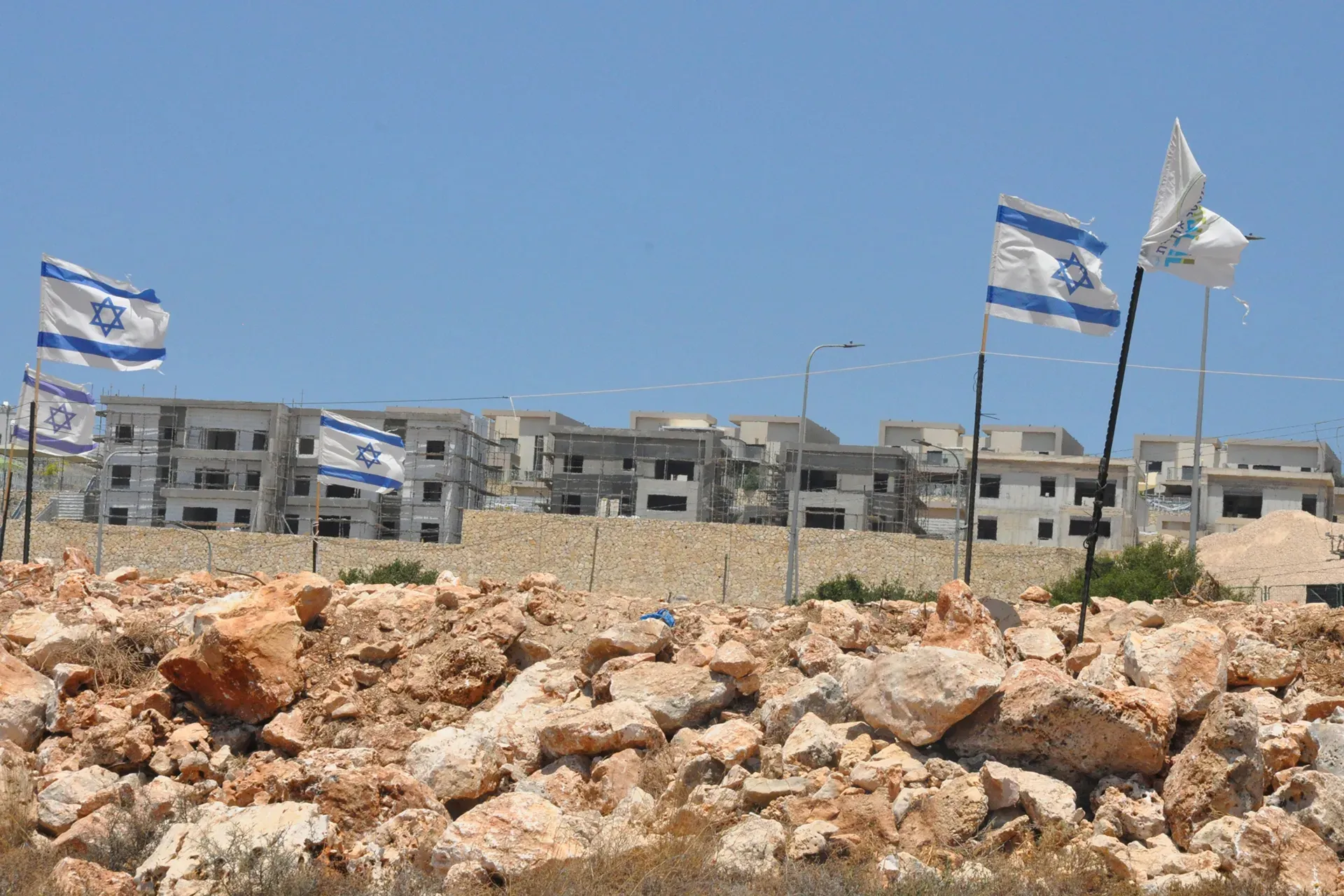
MORE FROM PALESTINE
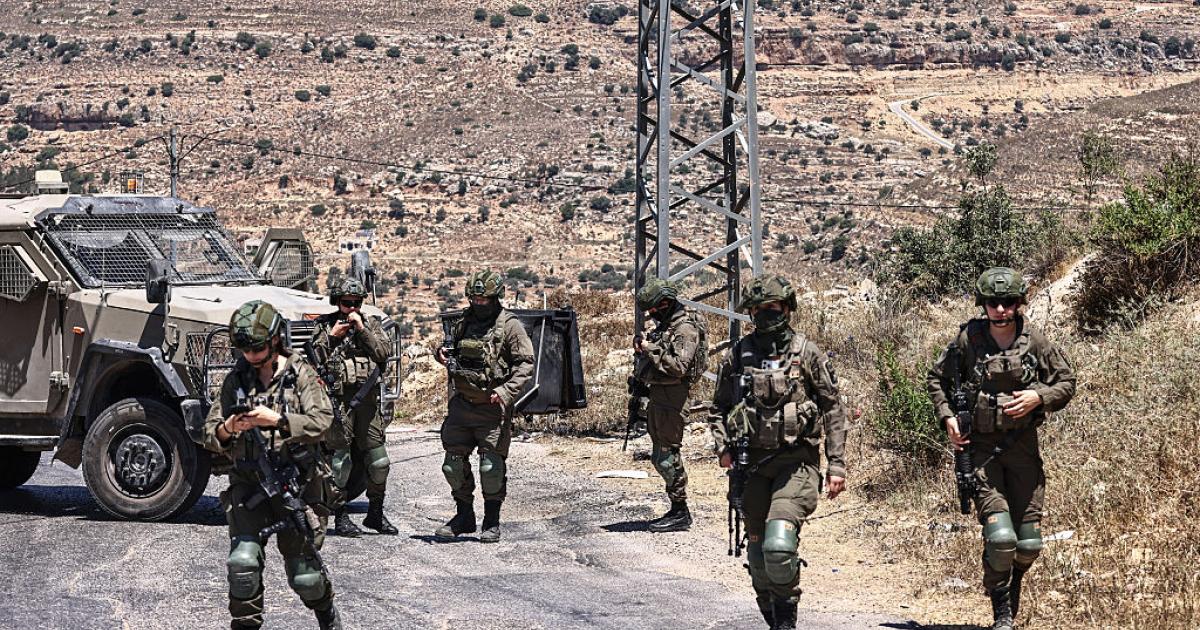
Youth martyred in Ramallah, and the occupation prevents the call to prayer in Husan village amid widespread escalation in the West Bank
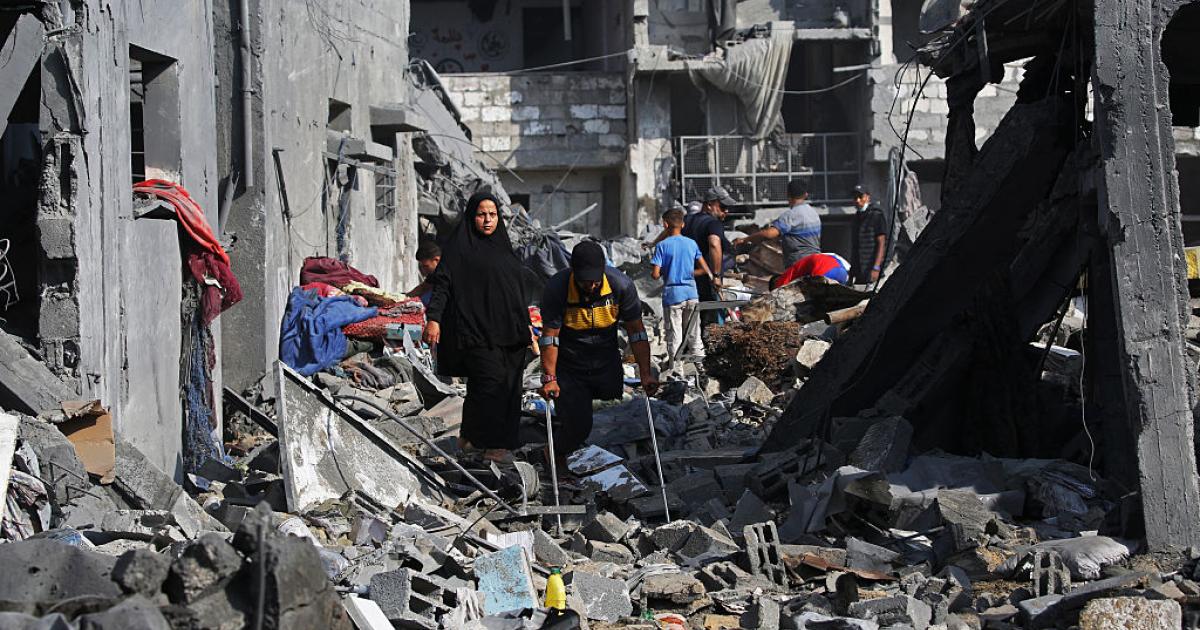
Martyrs in Gaza and the occupation moves the 'Yellow Line' to deepen its control east of Deir al-Balah
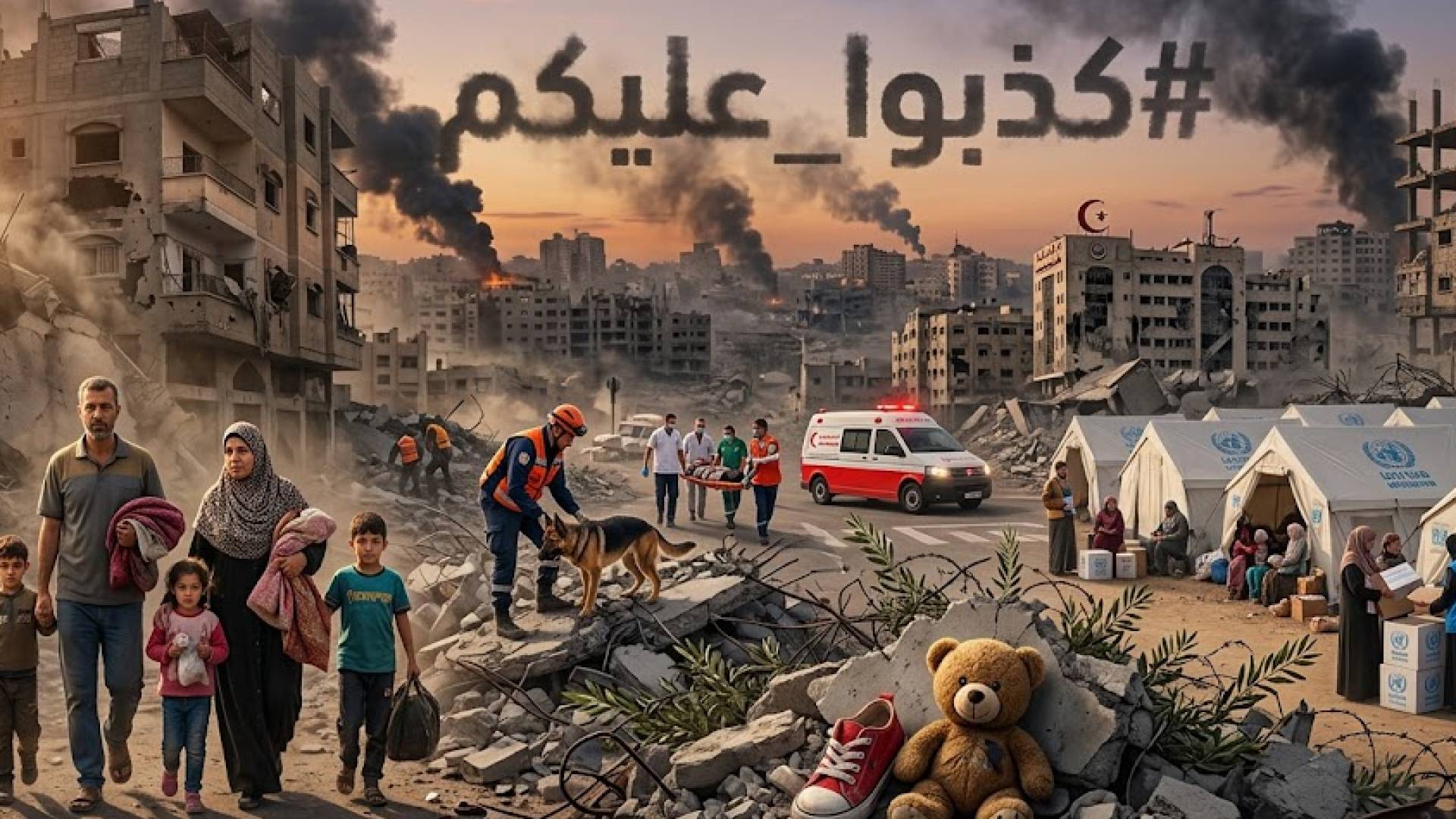
Under the hashtag "They Lied to You".. A Palestinian digital campaign exposes the falsehood of the truce and documents the continuation of massacres in Gaza
Share your opinion
'Memory Uprooting' War.. Occupation Escalates Targeting of Ancient Olive Trees in the West Bank