







The past few hours have witnessed cautious optimism in international circles regarding the possibility of the United States and Iran reaching an agreement for a short period of intensive negotiations. These negotiations focus on fundamental points of contention, foremost among them the issue of opening the Strait of Hormuz, a development described by US President Donald Trump as surprising due to its direct impact on global trade and energy movement.
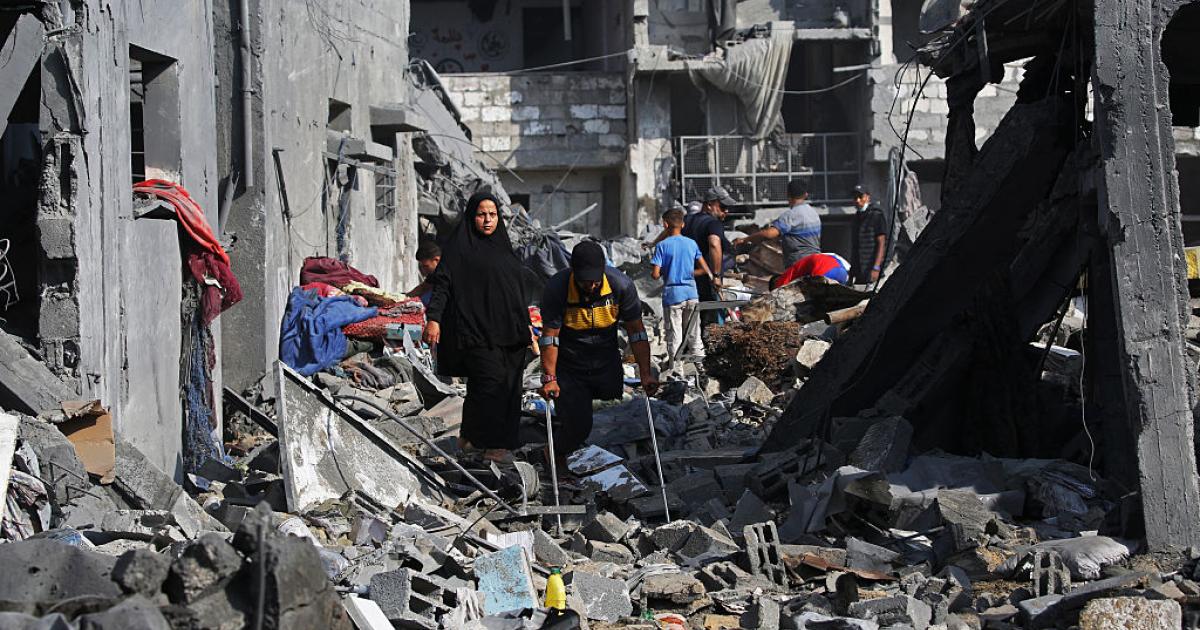
The ongoing war has exposed the fragility of the Arab system, which is already suffering from the repercussions of the Israeli war of extermination against Palestinians in the Gaza Strip. The severity of this exposure was exacerbated by the entry of supporting fronts from Lebanon and Yemen, placing Arab countries, especially Washington's allies outside NATO, in direct confrontation with severe economic and security damages that American guarantees failed to avert.
The most prominent surprise in this context is the announcement of the UAE's withdrawal from OPEC and OPEC+ organizations, coinciding with the Gulf Cooperation Council summit in Jeddah. This move, welcomed by Washington, revealed a deep rift between Abu Dhabi and Riyadh, and showed an Emirati desire to disengage from the collective oil commitments led by Saudi Arabia.
The repercussions did not stop at the oil file but extended to reports of a possible UAE withdrawal from the Arab League after sharp criticism from Emirati officials regarding the League's slow response to Iranian threats. This tension prompted shuttle visits from Egyptian President Abdel Fattah El-Sisi to try to contain the situation and prevent the collapse of joint Arab action.
On the military front, Western media sources revealed unprecedented security cooperation between Tel Aviv and Abu Dhabi, including the dispatch of the Iron Dome system and Israeli crews to operate it. Military aid also included providing the UAE with advanced weapons that had not yet entered active service in the Israeli army, making them a direct target for some Iranian attacks during the war.
These transformations prompted other Arab countries to reposition themselves strategically, with Egypt emerging as an active player in multiple regional files. Cairo announced its readiness to deploy military forces in Somalia, in a step aimed at confronting increasing Israeli movements in the strategic 'Somaliland' region, reflecting an intense struggle for influence in the Horn of Africa.
In Sudan, the government led by General Abdel Fattah al-Burhan accused both Ethiopia and the UAE of responsibility for attacks targeting Khartoum International Airport. These accusations come amid a state of severe regional polarization, where military and political interests intertwine between local powers and their supporting regional powers.
The diplomatic scene also witnessed remarkable movements, represented by an Egyptian-Syrian rapprochement embodied by the visit of Syrian Foreign Minister Assad al-Shaibani to Cairo. This rapprochement coincides with the formation of a new axis comprising Turkey, Saudi Arabia, Egypt, and Pakistan, in an attempt to create a balance of power capable of dealing with the repercussions of the war on Iran and Israel's expansionist ambitions.
Benjamin Netanyahu seeks through this war to complete the liquidation of the Palestinian issue and draw new borders that include parts of Lebanon and Syria. The declared Israeli project aspires to transform Israel into a 'superpower' leading an economic and military alliance extending from East Africa through the Gulf to India, to be an alternative to traditional regional systems.
The failure of the idea of collective security, upon which the Gulf Cooperation Council was founded in 1981, has become a reality after the recent war. Events have proven that absolute reliance on the American security umbrella did not achieve the desired deterrence but rather depleted the region's resources and left it exposed to increasing regional threats.
In conclusion, observers believe that the Arab system is going through a new 'sick man' phase, where division and reshaping processes are accelerating. While some Arab powers try to regain the initiative, concerns remain that any settlement between Washington and Tehran could lead to a new 'Sykes-Picot' that entrenches foreign influence at the expense of supreme Arab interests.
The rising importance of geography over technological superiority was not the only surprise; the war accelerated the enrichment of explosive elements in the Arab system exposed to the horror of extermination in Gaza.

Share your opinion
Cracks in the Arab System: The War on Iran Redraws Regional Alliances