







The humanitarian suffering in the Gaza Strip is escalating with the ongoing severe cooking gas crisis, as the shortage of aid entry has pushed thousands of displaced families towards primitive and dangerous options. Sources reported that the Israeli occupation continues to violate the provisions of the humanitarian protocol accompanying the ceasefire agreement, forcing residents to burn cloth, plastic, and waste inside camps to secure their daily meals.
In the Al-Zaytoun neighborhood, east of Gaza City, field sources confirmed that the occupation authorities are pursuing a policy of 'trickling' fuel and gas, ignoring the urgent need of millions of displaced people. This deliberate restriction has turned the food preparation process into an arduous journey fraught with health and environmental risks, in the absence of safe energy alternatives.
Residents tried to resort to using firewood as an alternative to cooking gas, but its prices witnessed a crazy increase, making it out of reach for the majority of families. The price of one kilogram of firewood exceeded $3, a huge amount for families who have completely lost their sources of income since the ongoing war on the Strip began.
The search for wood has turned into an adventure that could cost citizens their lives, as some are forced to head towards the eastern border areas near the Israeli army barracks. These attempts take place amid intense drone flights and direct threats of gunfire, making the acquisition of cooking fuel a price that may be paid with the blood of the displaced.
Field reports documented harsh scenes of families lighting fires using nylon and carpet pieces to prepare food, despite the thick smoke and toxic fumes emitted. These fumes cause severe health damage, especially to the elderly and children who already suffer from tragic living conditions inside dilapidated tents.
The displaced 'Abu Bilal' recounts part of this tragedy, noting that his family has not received its share of cooking gas for nearly two continuous months. He explained that he is forced to search daily for plastic and nylon remnants, confirming that the cost of preparing one meal using firewood can reach $13, which exceeds his non-existent financial capacity.
For her part, one of the displaced women mentioned that she spends long hours in front of fires burning plastic materials to provide food for her large family. She pointed out that families have started to differentiate between types of burnt waste based on the density of their smoke and its effect on the respiratory system, in a desperate attempt to reduce health damage to their children.
Medical sources warned of the catastrophic repercussions of inhaling these toxic fumes emitted from burning chemicals and cloth within population centers. This warning comes at a time when the health system is suffering from a near-complete collapse and a severe shortage of necessary medicines to treat chronic respiratory diseases that have begun to spread.
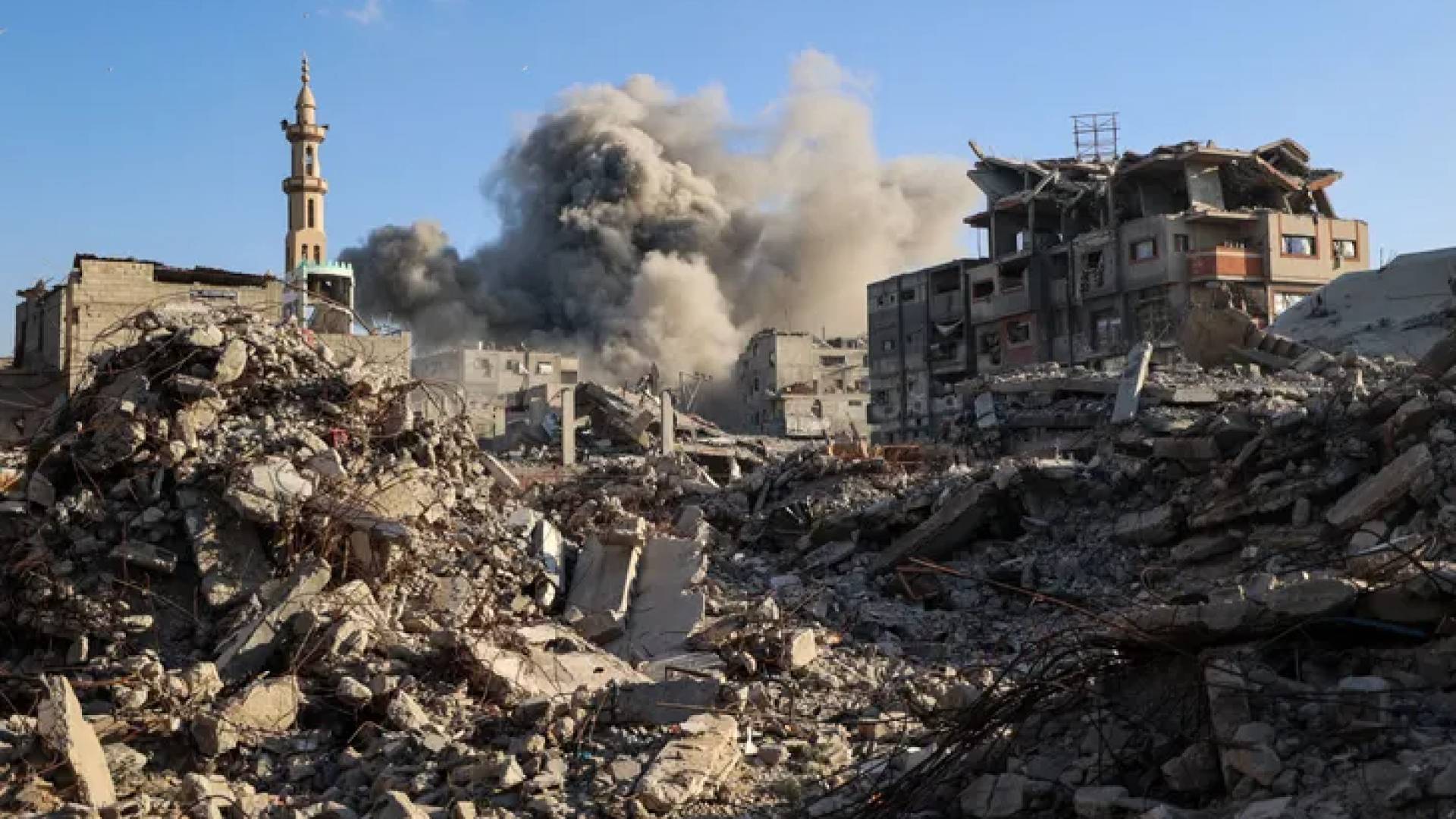
Despite more than six months passing since the announcement of the ceasefire, the reality on the ground indicates the continuation of the strict blockade and intermittent shelling. Israel continues to prevent the entry of sufficient quantities of basic materials and prefabricated homes, exacerbating the state of livelihood extermination that the residents of the Gaza Strip face daily.
We go around looking for a piece of wood or some nylon to get by, and preparing one meal costs us amounts beyond our means.


Share your opinion
Displaced Gazans face gas shortage by burning plastic and cloth amid health and environmental risks